Viral Alligator Shooting Sparks Outrage in Florida Everglades: Streamer Under Investigation
A recent video circulating online, purportedly showing an alligator being shot in the heart of the Florida Everglades, has ignited a firestorm of controversy and led to a swift investigation by state authorities. This Viral Alligator Shooting Sparks Outrage in Florida Everglades, focusing public attention on wildlife protection and the severe legal ramifications of illegal hunting within Florida's delicate ecosystems. The video, allegedly featuring Kick streamer Braden "Clavicular" Peters, has triggered intense debate across social media platforms, with many demanding accountability for the actions depicted. The Florida Fish and Wildlife Conservation Commission (FWC) has acknowledged the incident and confirmed that officers are actively looking into the matter. This kind of viral content often reshapes public discourse.
- The Fragile Ecosystem of the Florida Everglades
- Details of the Viral Alligator Shooting Sparks Outrage in Florida Everglades
- Florida's Strict Alligator Hunting Laws and Penalties
- Public Reaction and Ethical Concerns
- Broader Impact on Conservation and Law Enforcement
- Conclusion: Upholding Wildlife Protection in Florida
- Frequently Asked Questions
- Further Reading & Resources
The Fragile Ecosystem of the Florida Everglades
The Florida Everglades is a unique and irreplaceable wetland ecosystem, often referred to as the "River of Grass." It is a vast mosaic of sawgrass marshes, freshwater ponds, prairies, and forested uplands that supports an extraordinary diversity of plant and wildlife species. This remarkable environment is home to numerous federally threatened and endangered species, including the iconic American alligator, which plays a crucial role as an apex predator and an "ecosystem engineer." Alligators are vital to the health and balance of the Everglades. They dig "gator holes" that retain water during dry spells, creating essential habitats and refuges for a wide array of fish, amphibians, insects, and birds. Their activities also improve water circulation, prevent stagnation, and help maintain the overall water quality of the wetlands.
American alligators were once on the brink of extinction due to unregulated hunting and habitat loss by the 1960s. However, thanks to robust conservation efforts, legal protections, and habitat restoration led by the FWC, their population made a remarkable recovery and is now considered healthy and stable, with an estimated 1.3 million alligators of every size inhabiting all 67 counties of Florida. Despite this conservation success, alligators remain a species of special concern, and their protection is paramount for the continued ecological integrity of the Everglades.
Details of the Viral Alligator Shooting Sparks Outrage in Florida Everglades
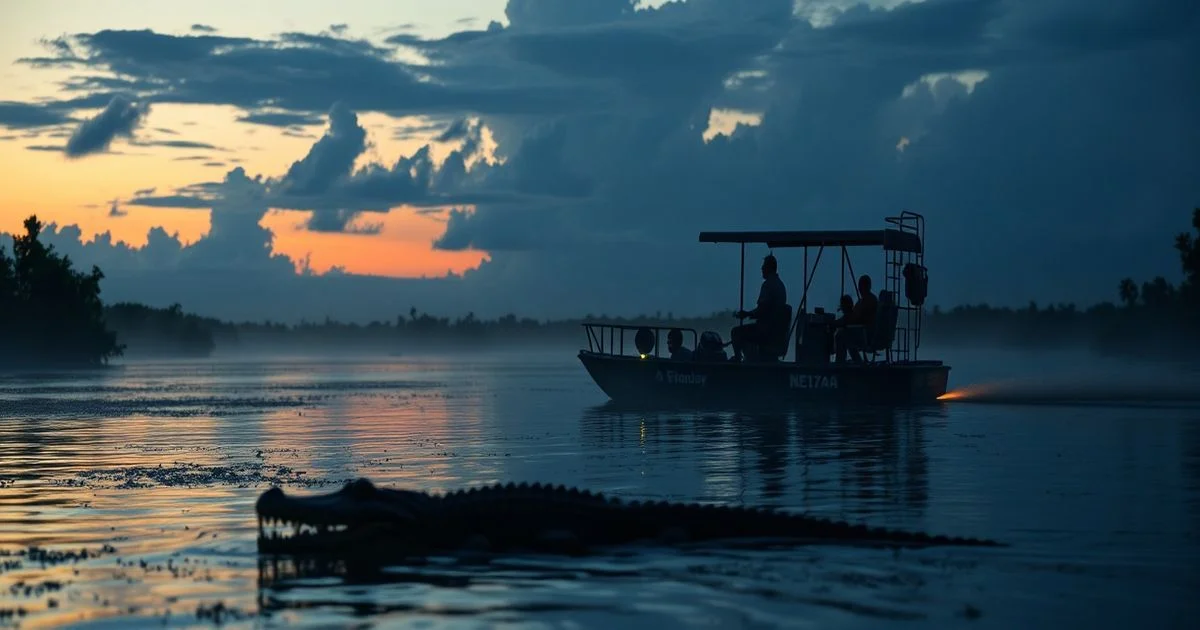
The incident that has prompted the widespread public outcry involves a video that began circulating on social media platforms, particularly X (formerly Twitter), on March 27, 2026. The clip allegedly shows Kick streamer Braden Eric Peters, known online as "Clavicular," on an airboat with other individuals in the Florida Everglades. The video appears to depict Clavicular discharging firearms at an alligator multiple times. One widely shared post explicitly stated, "Clavicular UNLOADS on a gator in the Florida, Everglades," capturing the shock and anger felt by many viewers.
The immediate and intense reaction to the video highlighted the public's concern for wildlife protection and sparked rumors of Clavicular's arrest. While some reports from fellow streamers claimed an arrest, official confirmation linking any detention directly to the alligator incident remains unclear. The Florida Fish and Wildlife Conservation Commission, the state agency responsible for managing and protecting Florida's wildlife, promptly issued a statement acknowledging the video. The FWC confirmed that its officers are investigating the incident and promised to provide additional information as it becomes available. This swift response underscores the seriousness with which Florida authorities treat alleged wildlife violations, especially those involving protected species in sensitive ecosystems like the Everglades.
Allegations and Investigation
The details of the alleged shooting, as depicted in the viral video, contradict established legal hunting practices for alligators in Florida. The FWC explicitly prohibits the use of rifles and handguns for recreational alligator hunting. The only firearm permitted for use during a legal alligator hunt is a "bang stick," and even then, it can only be used to humanely euthanize an alligator that is already attached to a restraining line. The video's depiction of individuals on an airboat discharging firearms at an alligator directly violates these strict regulations.
The FWC's investigation will likely involve scrutinizing the video, identifying all individuals involved, and gathering further evidence. Violations of Florida's wildlife laws can carry severe penalties, and the commission takes such incidents very seriously, recognizing their potential threat to public safety and the state's natural resources. The public has been encouraged to report any wildlife violations to the FWC's Wildlife Alert Hotline, demonstrating a community-wide effort to uphold conservation laws.
Florida's Strict Alligator Hunting Laws and Penalties
Florida maintains a comprehensive set of laws and regulations governing alligator hunting, all designed to ensure the sustainable management of the population and promote ethical practices. The American alligator is protected, and it is illegal to kill, injure, possess, or capture one without specific authorization from the Florida Fish and Wildlife Conservation Commission.
Permitting and Season
Legal alligator hunting in Florida is strictly regulated and occurs during specific seasons, typically from mid-August to early November. Hunters must obtain a valid Statewide Alligator Hunting Permit, an alligator trapping license, and specific harvest tags for each alligator they intend to take. These permits are distributed through a lottery system for specific hunting zones and are limited to control the number of hunters and maintain population sustainability. Each permit generally allows the harvest of up to two alligators, and they must meet a minimum size requirement, usually no less than 4 feet long.
Prohibited Methods
The methods approved for hunting alligators are also highly regulated to ensure a safe and humane process. Legal methods include the use of fishing rods with hooks, snatch hooks, and harpoons. Crucially, general firearms, such as rifles and handguns, are prohibited for capturing alligators during recreational hunts. The only exception is the "bang stick," a device that discharges a firearm cartridge upon contact, which is allowed solely for humanely euthanizing an alligator after it has been captured and secured with a restraining line. Hunters are also required to tag the alligator immediately upon capture and report their harvest to the FWC within 24 hours to comply with state laws.
Legal Ramifications
Violating Florida's alligator protection laws carries severe legal consequences. Unpermitted killing, harming, or transporting of an alligator is classified as a third-degree felony. Conviction for such an offense can lead to substantial penalties, including:
- Up to five years in prison.
- Fines that can range as high as $5,000.
- Any equipment used in the commission of the violation, including weapons, vehicles, boats, and lines, can be confiscated by the FWC.
- Offenders may also lose certain hunting or trapping licenses.
- These can include community service, probation, and the long-term consequences of a criminal record.
The FWC categorizes illegal killing or possession of alligators as a Level Four violation, reserved for the most serious wildlife offenses. These strict laws highlight Florida's commitment to protecting its natural resources and deterring illegal activities that threaten its wildlife. Even actions involving a dead alligator can lead to penalties.
Public Reaction and Ethical Concerns
The Viral Alligator Shooting Sparks Outrage in Florida Everglades not only due to the alleged illegality of the act but also because of the profound ethical concerns it raises among the general public and conservationists alike. The instantaneous and widespread dissemination of the video across social media platforms amplified the outrage, drawing condemnation from various corners. Many viewers expressed shock and disgust at the apparent disregard for wildlife and the ecosystem.
Social Media's Role
Social media has become a powerful tool for both reporting and reacting to such incidents. In this case, platforms like X quickly became a forum for public outcry, with users sharing the video, debating the ethics of the act, and demanding justice. This collective voice puts immense pressure on authorities to investigate thoroughly and ensures that such incidents do not go unnoticed. However, it also highlights the double-edged sword of viral content, where sensationalism can sometimes overshadow nuanced discussions about wildlife management and the complexities of human-wildlife interactions. The evolving landscape of social media accountability further underscores these challenges.
Ethical Hunting and Conservation
The incident also reignites discussions about ethical hunting practices. While regulated alligator hunting is permitted in Florida as a management tool, it is predicated on principles of sustainability, humane treatment, and respect for the animal population. The alleged actions in the viral video, involving what appears to be an unprovoked shooting with prohibited firearms, stand in stark contrast to these ethical guidelines. Conservation organizations and wildlife advocates consistently emphasize the importance of viewing alligators as vital components of the ecosystem rather than mere targets for sport or content creation. Feeding alligators, for instance, is illegal and dangerous, as it can cause them to lose their natural wariness and associate humans with food, leading to dangerous encounters and often requiring the alligator's removal or euthanasia.
Broader Impact on Conservation and Law Enforcement
This viral incident serves as a stark reminder of the ongoing challenges in wildlife conservation, particularly in areas like the Everglades where human activity and sensitive ecosystems intersect. The FWC, along with other state and federal partners, is continuously engaged in extensive efforts to restore, revitalize, and protect this national treasure.
Comprehensive Everglades Restoration Plan (CERP)
The American alligator is a key indicator species for the health of the Everglades ecosystem, and its populations are closely monitored as part of the Comprehensive Everglades Restoration Plan (CERP). CERP is a massive undertaking involving numerous projects aimed at restoring natural water flows, improving water quality, and enhancing habitat quality across the Everglades. The presence and health of alligator populations directly reflect the success of these restoration efforts. Incidents of illegal poaching undermine these long-term conservation goals and can disrupt the delicate ecological balance that these initiatives strive to achieve.
Combating Illegal Wildlife Activity
The FWC actively combats illegal wildlife activity through investigations, enforcement, and public awareness campaigns. They maintain a Wildlife Alert Hotline to encourage citizens to report suspicious activities. Law enforcement efforts often involve extensive investigations, sometimes spanning multiple counties and utilizing digital evidence, as seen in other recent cases. For example, in December 2025, the FWC arrested two adults and one minor in a poaching investigation across Sarasota, Manatee, and Hardee counties, resulting in dozens of felony and misdemeanor charges related to illegally taking American alligators. Another incident in Central Florida saw a poaching ring busted after evidence, including videos and images of illegal alligator shootings, was shared on Snapchat. These cases demonstrate the FWC's commitment to prosecuting those who violate wildlife laws and the increasing role of social media in uncovering such crimes.
Conclusion: Upholding Wildlife Protection in Florida
The Viral Alligator Shooting Sparks Outrage in Florida Everglades has brought critical issues of wildlife protection, legal compliance, and ethical responsibility into sharp focus. The alleged actions depicted in the viral video, attributed to streamer Braden "Clavicular" Peters, stand in clear violation of Florida's stringent alligator hunting laws and have rightly provoked widespread condemnation. The ongoing investigation by the Florida Fish and Wildlife Conservation Commission underscores the seriousness of these offenses, which carry significant penalties, including felony charges, substantial fines, and potential imprisonment.
The American alligator is not merely a creature of the Everglades but a vital component of its ecosystem, a conservation success story, and a symbol of Florida's wild heart. Protecting these ancient reptiles and their habitats is a collective responsibility, crucial for maintaining the ecological balance of one of the world's most extraordinary natural landscapes. As the FWC continues its investigation, this incident serves as a powerful reminder of the importance of respecting wildlife, adhering to conservation laws, and the critical role that public vigilance plays in safeguarding Florida's invaluable natural heritage for future generations.
Frequently Asked Questions
Q: What happened in the viral alligator shooting video?
A: A video circulating online allegedly showed a streamer shooting an alligator multiple times in the Florida Everglades. This incident sparked widespread public outrage and led to a prompt investigation by the Florida Fish and Wildlife Conservation Commission (FWC).
Q: Who is the streamer allegedly involved in the incident?
A: The video allegedly features Kick streamer Braden Eric Peters, known online as "Clavicular." While reports and social media discussions identify him, official confirmation of his direct involvement and any subsequent legal actions are part of the ongoing FWC investigation.
Q: What are the potential penalties for illegally hunting alligators in Florida?
A: Illegally killing, harming, or possessing an alligator in Florida is classified as a third-degree felony. Conviction can result in severe penalties, including up to five years in prison, fines as high as $5,000, and the confiscation of any equipment used in the commission of the crime.