The United States Navy's newest and most technologically advanced aircraft carrier, the USS Gerald R. Ford, finds itself embroiled in a major, ongoing crisis regarding failed toilets aboard the USS Gerald R. Ford, impacting its crew and raising critical questions about its cutting-edge design. This formidable warship, designed to project unparalleled American power across the globe, is battling persistent and costly sanitation system breakdowns that are taking a significant toll on its crew and raising questions about its cutting-edge design. Despite its $13 billion price tag and state-of-the-art capabilities, the Ford faces a deeply unglamorous but critical challenge: a vacuum-based sewage system ill-suited for the rigors of naval operations and a crew of over 4,600 sailors.
- Background Context: A Flagship Beset by Basic Failures
- The Insidious Details of a Major, Ongoing Crisis Regarding Failed Toilets Aboard the USS Gerald R. Ford
- Expert Opinion and Navy Response
- Impact on Crew Welfare and Morale
- Financial Implications and Broader Challenges
- Solutions and Ongoing Efforts
- Conclusion: A Lingering Stain on Naval Modernization
- Frequently Asked Questions
- Further Reading & Resources
The current situation aboard the USS Gerald R. Ford has drawn widespread attention, exposing a fundamental flaw in its advanced systems. While Navy officials maintain that the persistent plumbing issues have not compromised the carrier's operational readiness, reports from various media outlets indicate a growing frustration among the crew. This ongoing saga highlights the complexities of integrating innovative technologies into large-scale naval platforms, where even basic amenities can become a major point of concern.
Background Context: A Flagship Beset by Basic Failures
Commissioned in July 2017, the USS Gerald R. Ford (CVN-78) represents the vanguard of the U.S. Navy's aircraft carrier fleet, boasting a host of next-generation technologies. These innovations include the Electromagnetic Aircraft Launch System (EMALS) and Advanced Weapons Elevators (AWEs), designed to enhance efficiency and combat capabilities. The carrier was envisioned as a symbol of American military might and technological prowess, a vessel capable of operating for 25 years without refueling thanks to its advanced nuclear reactors.
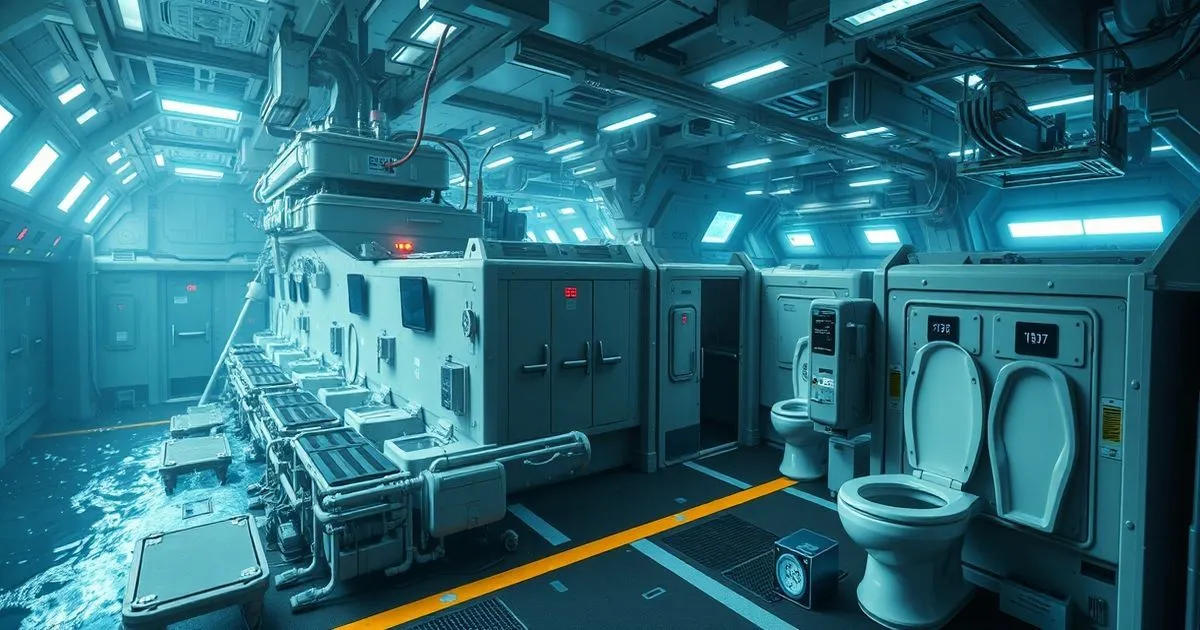
However, alongside these groundbreaking advancements, the Ford introduced a vacuum-based sewage collection, holding, and transfer (VCHT) system, adapted from cruise ship technology with the aim of conserving water. This system, which relies on suction to transport wastewater through narrow pipes from approximately 650 toilets, has proven to be a persistent Achilles' heel for the multi-billion-dollar warship. The problem is not entirely new to the Navy; the USS George H.W. Bush, a Nimitz-class carrier, also utilizes a similar system and has experienced comparable issues.
A 2020 Government Accountability Office (GAO) report flagged the critical design flaw, identifying the sewage pipes as "too narrow" and "undersized" to adequately serve the needs of a crew exceeding 4,000 individuals. This early warning underscored a fundamental miscalculation in design, setting the stage for the chronic problems that have since plagued the carrier. Despite these known issues, the same sewage network is reportedly slated for incorporation into the next Ford-class carrier, the future USS John F. Kennedy (CVN-79), without announced modifications.
The Insidious Details of a Major, Ongoing Crisis Regarding Failed Toilets Aboard the USS Gerald R. Ford
The daily reality for the 4,600-plus sailors aboard the USS Gerald R. Ford involves frequent and often widespread sanitation system failures. Reports indicate that the ship averages "one sewage-related maintenance call per day" during its deployments. These aren't isolated, easily fixable incidents; NPR obtained emails detailing an astonishing 205 breakdowns over a mere four-day period in March 2025. Such widespread failures can lead to leaks and sewage overflows onto the ship's decks, creating unsanitary and hazardous conditions for the crew.
The vacuum-based system's vulnerability means that a problem with a single toilet or a clog in a section of narrow piping can disrupt an entire zone's suction, rendering multiple "heads" (toilets) inoperable. Sailors have reported encountering a range of inappropriate items clogging the system, from T-shirts to four-foot pieces of rope. While Navy officials, such as Lt. Cmdr. David Carter, a spokesperson for U.S. Fleet Forces Command, have attributed some clogs to "improper materials being introduced to the system," the 2020 GAO report strongly points to inherent design flaws as the primary culprit.
Resolving these issues is neither simple nor inexpensive. The primary method for clearing severe clogs and calcium buildup in the narrow pipes involves a specialized acid flush of the entire system. Each of these acid flushes comes with a staggering price tag of approximately $400,000. Critically, this toxic and complex procedure can only be performed when the carrier is docked in port, meaning that at sea, the crew must contend with ongoing failures. Since 2023, the USS Gerald R. Ford has undergone at least 10 such acid flushes.
Expert Opinion and Navy Response
The persistent sanitation issues have drawn scrutiny from both internal reports and external experts. The 2020 GAO report unequivocally highlighted the undersized and poorly designed vacuum sewage system as a fundamental flaw. Despite this, U.S. Navy officials have consistently maintained that these "technical hiccups" and "operational headaches" have had "no impact on the ship's operational readiness or mission execution". They often categorize the issues as "isolated incidents" that can be resolved by the ship's force.
However, this official stance contrasts sharply with reports from within the carrier. Emails obtained by NPR show engineering teams working grueling 19-hour shifts to address leaks and overflows. Furthermore, external assistance has been summoned an alarming 42 times since 2023, with 32 of those calls occurring in 2025 alone, underscoring the severity and frequency of the problems beyond the ship's internal capacity. Critics argue that such chronic failures in a multi-billion-dollar asset inherently raise questions about design oversight and the value delivered to taxpayers.
Chinese military affairs expert Wang Yunfei suggested that extended deployments combined with crew members' failure to strictly follow operating procedures for the vacuum system have seriously undermined combat effectiveness. While vacuum sewage systems are advanced and common in commercial vessels, they demand strict adherence to regulations. This perspective introduces the idea of human factors potentially exacerbating an already flawed design.
Impact on Crew Welfare and Morale
Beyond the technical challenges and financial costs, the most profound impact of the toilet crisis is felt directly by the thousands of sailors serving aboard the USS Gerald R. Ford. Reports detail "significant distress and anger" among the crew, with many experiencing "frustration," "homesickness," and even "depression". The simple act of using a toilet has become a daily struggle, with sailors reportedly facing queues of "up to 45 minutes" for functional restrooms.
The strain on the crew is amplified by the carrier's extended deployments. The Ford has been at sea well beyond the typical six-month deployment cycle, with its current mission potentially stretching to 11 months, nearing a record for continuous deployment in U.S. Navy history. This combination of prolonged separation from families and the daily struggle for basic sanitation is placing immense pressure on personnel. Some sailors have expressed their anger and frustration, with some even considering leaving the Navy upon their return to home port.
The emotional toll is visible, particularly among the many younger personnel onboard, who miss significant life events like children's birthdays, the birth of a child, and even funerals of loved ones. This fundamental breakdown in onboard living conditions, irrespective of the ship's advanced combat capabilities, fundamentally compromises the welfare and mental well-being of the sailors, which, in turn, can affect overall combat readiness.
Financial Implications and Broader Challenges
The financial burden of the USS Gerald R. Ford's toilet crisis extends beyond the $400,000 cost per acid flush. The carrier itself was commissioned at a staggering cost of $13 billion. The 2020 GAO report highlighted that the operating and support (O&S) cost estimate for the Ford-class carriers had ballooned to $120 billion, a $45.8 billion increase from the original estimate of $77.3 billion. This massive escalation in sustainment costs includes unforeseen expenses arising from design flaws and ongoing maintenance issues, such as the persistent plumbing problems.
The challenges with the VCHT system are unfortunately not isolated incidents in the Ford-class program. The USS Gerald R. Ford has faced numerous delays and cost overruns during its construction, grappling with other technological integration issues, including its Advanced Weapons Elevators and Electromagnetic Aircraft Launch System, which also experienced significant teething problems. While some of these have been resolved, the persistent toilet issues underscore a broader pattern of technical complexities and production challenges in the Ford-class design. The U.S. Navy's emphasis on integrating cutting-edge technologies, while commendable, often comes with significant hurdles, mirroring the complexities seen in other rapidly evolving sectors. The design and implementation of such large-scale, advanced systems require meticulous planning and foresight, similar to the discussions around future technological landscapes in events like the AI Summit 2026 India: Shaping a Smarter Future.
The Navy's reliance on a complex, advanced sewage system, initially designed for less demanding commercial applications, coupled with its "narrow pipes," has proven problematic under the constant high-volume usage of a warship's crew. This ongoing issue is a stark reminder of the critical importance of robust and reliable basic systems, even amidst the most cutting-edge naval engineering.
Solutions and Ongoing Efforts
Despite the severity of the major, ongoing crisis regarding failed toilets aboard the USS Gerald R. Ford, the U.S. Navy asserts that efforts are underway to address the problem. Lt. Cmdr. David Carter stated that maintenance demands have reportedly decreased as the deployment has progressed, and "planned system improvements will be incorporated during upcoming maintenance availabilities to further enhance reliability". However, specifics on these "system improvements" and the timeline for their full implementation remain limited.
The current solution, the $400,000 acid flush, is a costly and temporary fix that can only be performed when the ship is in port, making it an unsustainable long-term strategy. The fact that the Navy anticipates these flushes will be necessary "regularly for the entire 50-year lifespan" of both the Ford and Bush carriers suggests that a fundamental redesign or permanent solution is not yet in place or proves too challenging. This approach raises concerns about the long-term sustainment costs and the continued operational challenges for future Ford-class carriers.
The situation calls for a thorough re-evaluation of design choices for critical onboard systems and a greater emphasis on anticipating the real-world demands placed on naval vessels and their crews. Such re-evaluations could significantly benefit from advanced Data Analytics Industry Statistics 2026: Growth, AI, and Future Trends to better predict and mitigate future design challenges, moving beyond reactive fixes to proactive solutions. Ensuring crew welfare and functional basic amenities should be paramount, even as the Navy strives for technological superiority.
Conclusion: A Lingering Stain on Naval Modernization
The persistent and costly struggle with failed toilets aboard the USS Gerald R. Ford represents more than just a plumbing problem; it is a symbol of the immense complexities and sometimes unforeseen pitfalls inherent in modern naval innovation. This major, ongoing crisis regarding failed toilets aboard the USS Gerald R. Ford continues to impact crew morale, drain financial resources, and raise critical questions about design efficacy and taxpayer value. While the Navy's most advanced aircraft carrier sails global waters amidst heightened geopolitical tensions, the daily reality for its dedicated sailors includes long queues and unsanitary conditions, a stark contrast to the ship's intended image of seamless power projection.
Resolving this fundamental issue requires more than just stop-gap measures. It demands a comprehensive re-assessment of design, a commitment to engineering solutions that prioritize both advanced capabilities and basic human needs, and transparent communication regarding the challenges faced by those who serve. As the USS Gerald R. Ford continues its vital missions, the world watches, hoping that this unglamorous but critical flaw will finally be addressed, ensuring the well-being of its crew and upholding the integrity of its mission.
Frequently Asked Questions
Q: What is the primary issue with the USS Gerald R. Ford's toilet system?
A: The USS Gerald R. Ford utilizes a vacuum-based sewage system with narrow pipes, adapted from cruise ship technology. This system has proven prone to frequent clogs and breakdowns under the high-volume usage of the carrier's crew of over 4,600 sailors, leading to widespread sanitation failures.
Q: How much does it cost to fix these toilet problems?
A: The primary method for clearing severe clogs involves a specialized acid flush of the entire system, which costs approximately $400,000 per flush. This procedure can only be performed when the carrier is in port, and the Navy anticipates it will be necessary regularly throughout the carriers' lifespan.
Q: Are the toilet issues unique to the USS Gerald R. Ford?
A: While the Ford is the most prominent example, similar vacuum-based sewage systems on other U.S. Navy vessels, including the USS George H.W. Bush, have also experienced comparable issues. A 2020 GAO report identified design flaws, such as undersized pipes, as a contributing factor across these systems.
Further Reading & Resources
- The Navy's New $13 Billion Aircraft Carrier Has A Toilet Problem - NPR
- FORD-CLASS CARRIERS: Navy Needs to Improve Its Approach for Testing and Providing Data for Acquisition Decisions - GAO Report
- USS Gerald R. Ford (CVN-78) - Wikipedia
- U.S. Navy Leaders Discuss USS Gerald R. Ford Deployment - U.S. Department of Defense News
- Sailors onboard USS Gerald R. Ford grapple with faulty toilets - Stars and Stripes