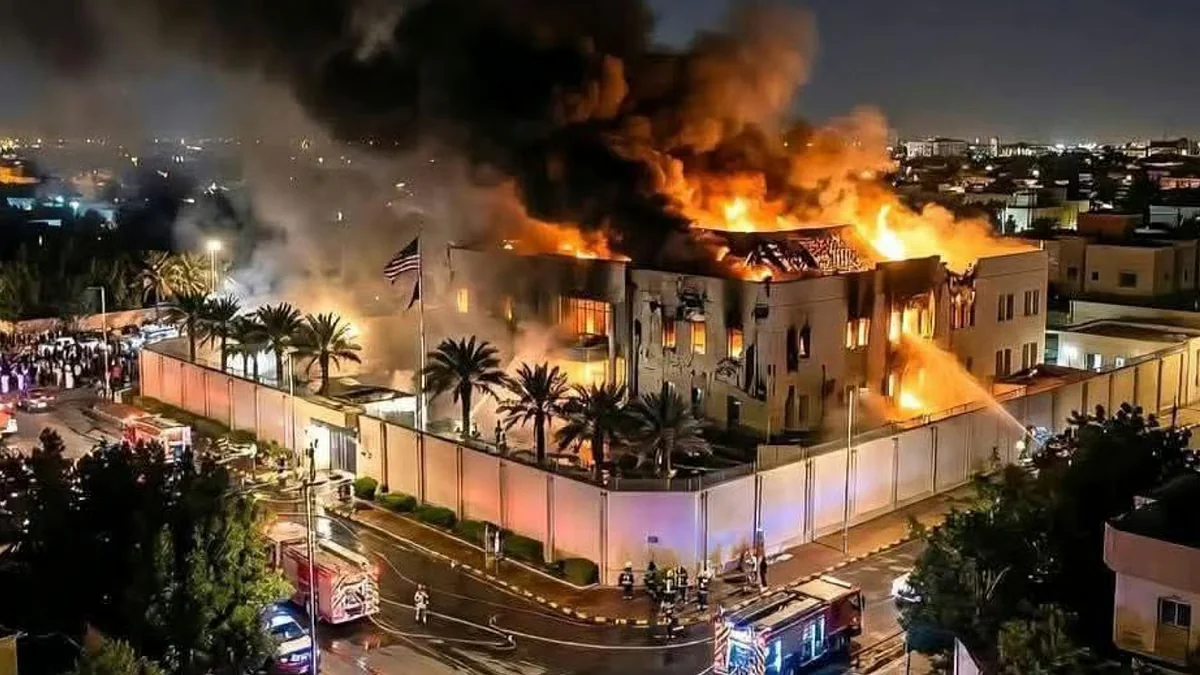
An unprecedented security breach at the US Embassy in Riyadh, Saudi Arabia, has sent shockwaves across the globe, with initial intelligence reports pointing toward Iranian involvement. This alarming US Embassy attack in Riyadh by Iran has ignited fears of escalating regional tensions and prompted immediate international condemnation. The incident, characterized by sophisticated drone and missile strikes targeting the diplomatic compound, represents a grave challenge to international norms and regional stability. It underscores the volatile geopolitical landscape of the Middle East, demanding a swift and coordinated response from global powers.
- The Morning of the Attack: Key Details Unfold
- Unraveling the Background: A History of Regional Volatility
- Preliminary Assessments: Unmasking the Perpetrators of the US Embassy Attack in Riyadh by Iran
- International Reactions and Calls for De-escalation
- Expert Opinion: Navigating a Dangerous Crossroads
- Impact on Regional Stability and Global Energy Markets
- Looking Ahead: The Path to De-escalation or Confrontation
- Frequently Asked Questions
- Further Reading & Resources
The Morning of the Attack: Key Details Unfold
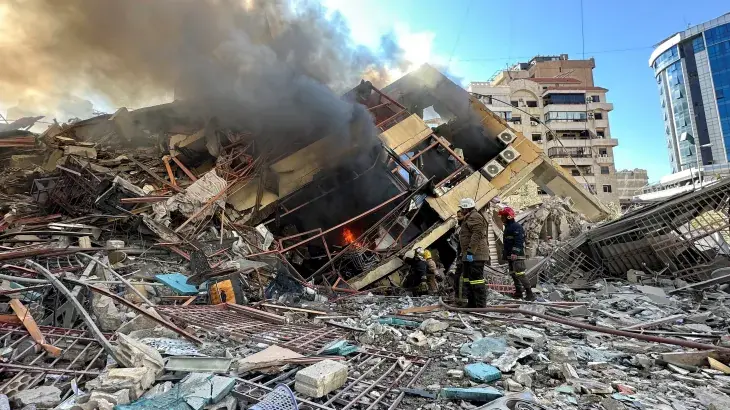
The assault reportedly commenced in the early hours of March 3, 2026, with multiple unmanned aerial vehicles (UAVs) breaching the highly fortified perimeter of the US diplomatic mission in the Saudi capital. These drones were quickly followed by several ballistic missiles, causing significant structural damage to non-essential sections of the embassy compound. Fortunately, early warning systems and robust security protocols, which included advanced radar detection and a comprehensive evacuation plan, allowed for the timely relocation of personnel to secure bunkers, preventing any loss of life or serious injuries among embassy staff. The precision and coordination of the attack suggested a well-resourced and highly capable actor.
Saudi defense forces, in coordination with US military assets stationed in the region, engaged the incoming projectiles with Patriot missile systems and other air defense capabilities. While several threats were successfully intercepted, others managed to penetrate the defenses, indicating an advanced level of coordination and technological capability from the attackers. Eyewitness accounts from residents in Riyadh described hearing multiple explosions and seeing plumes of smoke rising from the diplomatic quarter shortly after 4:00 AM local time. The Saudi Ministry of Foreign Affairs swiftly issued a statement condemning the "cowardly act of aggression" and vowed a comprehensive investigation, promising to hold those responsible accountable for this egregious violation of sovereignty and international law.
Unraveling the Background: A History of Regional Volatility
The Middle East has long been a crucible of geopolitical rivalries, primarily characterized by the enduring antagonism between Saudi Arabia and Iran, often amplified by their respective alliances with global powers. The United States has maintained a strong strategic partnership with Saudi Arabia, a cornerstone of its security policy in the region. This alliance includes significant military cooperation and a shared interest in countering Iranian influence.
Iran, on the other hand, has frequently been accused by the US and its regional allies of supporting proxy groups and engaging in destabilizing activities across the Middle East. These include alleged missile and drone attacks on critical infrastructure in Saudi Arabia and the UAE, as well as actions in Yemen, Iraq, and Syria. The rhetoric between Washington and Tehran has often been highly charged, with both sides frequently trading accusations of hostile actions. The concept of "maximum pressure" applied by previous US administrations, alongside Iran's continued pursuit of its nuclear program, has fueled an environment of persistent mistrust and brinkmanship, a period also marked by significant shifts in global leadership and policy, as explored in discussions around Trump's Unprecedented Second Act. This historical context provides a critical backdrop for understanding the gravity of an alleged US Embassy attack in Riyadh by Iran.
Preliminary Assessments: Unmasking the Perpetrators of the US Embassy Attack in Riyadh by Iran
While official investigations are ongoing, initial intelligence assessments, shared by unnamed US and Saudi officials, strongly suggest a link to Iranian-backed militias operating in the region. These assessments are reportedly based on forensic analysis of intercepted drone and missile debris, including unique identification markers on guidance systems and engine components, as well as intelligence intercepts and satellite imagery providing indications of launch sites. The advanced nature of the weaponry used, such as sophisticated cruise missiles and long-range drones, and the coordinated multi-pronged attack pattern bear hallmarks of previous operations attributed to groups aligned with Iran, such as the 2019 attacks on Saudi oil facilities or more recent cross-border assaults.
However, Iran has vehemently denied any involvement in the attack. A spokesperson for the Iranian Foreign Ministry condemned the incident as a "desperate attempt to sow discord" and accused "foreign elements" of orchestrating the attack to destabilize the region and undermine ongoing diplomatic efforts. Such denials are common in the complex geopolitical landscape of the Middle East, making definitive attribution a prolonged and often contentious process. The international community now faces the challenge of verifying these claims while preventing further escalation. The credibility of intelligence sources and the transparency of the investigation will be paramount in shaping the global response.
International Reactions and Calls for De-escalation
The global response to the Riyadh attack has been swift and largely condemnatory. United Nations Secretary-General António Guterres issued a statement urging all parties to exercise maximum restraint and uphold international law, emphasizing the inviolability of diplomatic missions. Several European Union member states, including France, Germany, and the United Kingdom, echoed these sentiments, with their foreign ministers calling for a thorough investigation and a de-escalation of tensions, emphasizing the need for stability in the Gulf. The G7 nations are expected to convene an emergency meeting to discuss the implications of the attack and coordinate a unified response, potentially involving strengthened sanctions or diplomatic isolation.
Regional allies of the US and Saudi Arabia, including Bahrain, Kuwait, Qatar, and the United Arab Emirates, have also unequivocally condemned the attack, expressing solidarity with Riyadh and Washington. Their statements underscored the shared security concerns in the Gulf region and the need for collective action against threats to stability, reiterating calls for an end to external interference in their domestic affairs. Even nations with previously strained relations with Riyadh have voiced concerns, reflecting the widespread apprehension about a broader conflict. The attack has undeniably heightened anxieties among regional actors about the potential for wider confrontation and its devastating consequences for the entire Middle East.
Expert Opinion: Navigating a Dangerous Crossroads
Security analysts and foreign policy experts are closely scrutinizing the unfolding situation, offering varied perspectives on the potential ramifications of the US Embassy attack in Riyadh by Iran. Dr. Sarah Khan, a senior fellow at the Institute for Middle East Studies, suggested that the attack, if definitively attributed to Iran or its proxies, could mark a significant escalation in regional hostilities. "Targeting a US diplomatic facility in a key allied capital crosses a major red line," Dr. Khan stated in a recent interview. "It signals a willingness to directly confront US interests and could provoke a robust retaliatory response, possibly military, but certainly economic and diplomatic."
Conversely, some experts caution against immediate military action, advocating for a measured diplomatic approach. Dr. Ali Hassan, a geopolitical strategist, emphasized the potential for miscalculation, given the already delicate balance of power. "The immediate priority must be de-escalation," Dr. Hassan advised. "Any retaliatory measure needs to be carefully calibrated to avoid a regional conflagration that no party truly desires. Communication channels, however strained, must remain open, perhaps through intermediaries like Oman or Switzerland, to prevent a spiraling conflict." The consensus among analysts is that the coming days will be critical in determining the trajectory of US-Iran relations and broader Middle East stability. The incident forces a comprehensive reassessment of existing security architectures and diplomatic strategies in the region.
Impact on Regional Stability and Global Energy Markets
The attack on the US Embassy in Riyadh has immediate and far-reaching implications for regional stability. Saudi Arabia, a critical player in the Middle East and the world's largest oil exporter, now faces renewed security challenges. The incident could further entrench the existing fault lines between the Sunni-led Gulf states and Shia-led Iran, potentially leading to increased militarization and proxy confrontations. The ongoing conflict in Yemen, where Saudi Arabia and Iran support opposing sides, could intensify, as could tensions in Iraq and Syria, where various armed groups operate with different allegiances, each vying for influence and power.
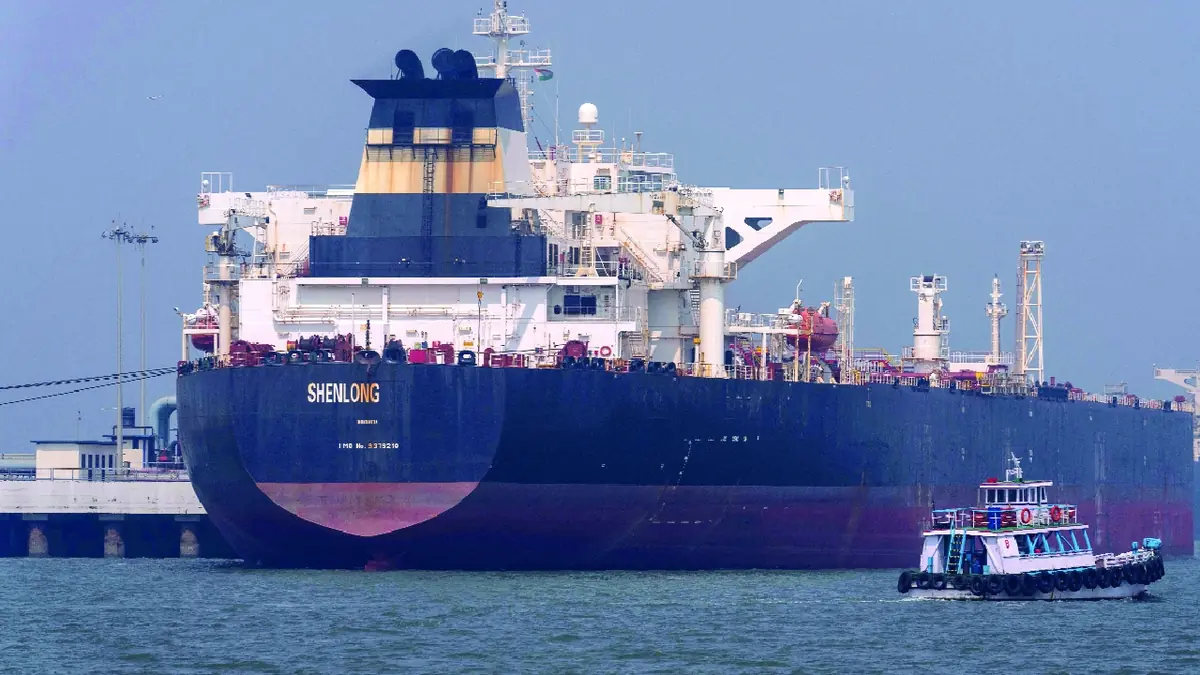
Global energy markets have already reacted to the uncertainty. Oil prices saw an immediate spike following reports of the attack, reflecting fears of supply disruptions in the strategically vital Gulf region. The Strait of Hormuz, a critical chokepoint for global oil shipments, could become a focal point of concern if tensions continue to escalate, potentially leading to increased shipping insurance premiums and heightened security measures. Furthermore, international shipping and trade routes in the Red Sea and Arabian Sea could face increased risks, impacting global commerce and supply chains for everything from crude oil to manufactured goods. The economic ramifications of prolonged instability would be felt worldwide, affecting consumer prices, inflation, and ultimately, global economic growth.
Looking Ahead: The Path to De-escalation or Confrontation
The alleged US Embassy attack in Riyadh by Iran presents a severe test for international diplomacy and security. The United States, in close consultation with Saudi Arabia and other allies, will weigh its options carefully. These options could range from intensified diplomatic pressure and strengthened sanctions targeting key sectors of the Iranian economy to targeted military responses designed to degrade specific capabilities without igniting a full-scale war. Diplomatic channels, possibly involving mediation by neutral parties, will be crucial in conveying messages and exploring avenues for de-escalation. The global community holds its breath, hoping for a resolution that prevents a wider conflict. The coming days will be crucial as intelligence agencies work to fully ascertain the perpetrators and their motivations, and as diplomatic efforts intensify to cool down potentially explosive tensions. The stability of the Middle East, and indeed the global economy, hinges on a prudent and measured approach to this dangerous new development, particularly as questions surrounding Iran's internal political succession and long-term trajectory remain paramount, echoing sentiments discussed in analyses on the potential impact of the Death of Iran's Supreme Leader Ali Khamenei.
Frequently Asked Questions
Q: What was the immediate impact of the alleged US Embassy attack in Riyadh by Iran?
A: The attack caused significant structural damage to non-essential sections of the embassy compound but, fortunately, no loss of life or serious injuries due to early warning systems and robust security protocols. It immediately escalated regional tensions, prompting an international outcry and swift condemnations from numerous countries and international bodies.
Q: Has Iran officially claimed responsibility for the US Embassy attack in Riyadh?
A: No, Iran has vehemently denied any involvement in the attack. A spokesperson for the Iranian Foreign Ministry condemned the incident, describing it as a "desperate attempt to sow discord" and accusing "foreign elements" of orchestrating it to destabilize the region, consistent with past denials in similar incidents.
Q: How has the global community reacted to the attack?
A: The attack has drawn widespread international condemnation, with the United Nations, G7 nations, and various European Union member states urging de-escalation, restraint, and a thorough investigation. Regional allies of the US and Saudi Arabia have also expressed solidarity and shared security concerns, highlighting the collective apprehension about broader conflict.