Unlocking Your Mind: Psychological benefits of learning a second language
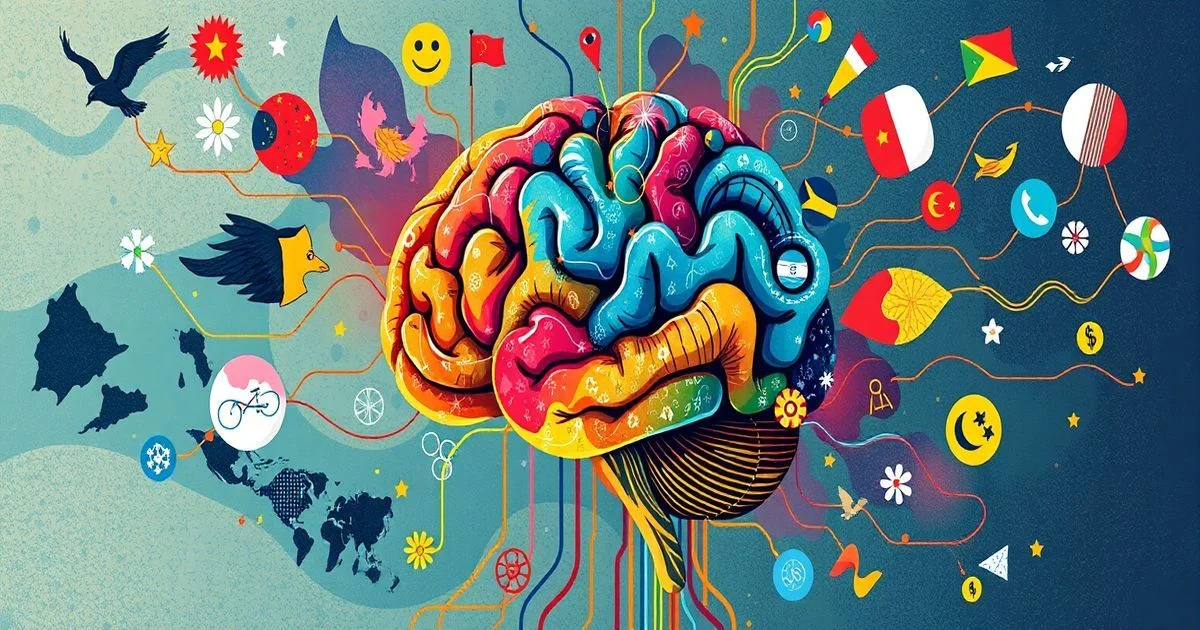
In an increasingly interconnected world, the allure of linguistic fluency extends far beyond mere communication. For many, the journey to unlocking your mind through the acquisition of a new tongue reveals a surprising array of cognitive and emotional rewards. Beyond the practical advantages of travel or career advancement, research continues to unearth compelling evidence regarding the profound psychological benefits of learning a second language. This isn't just about adding words to your vocabulary; it's about fundamentally reshaping your brain, enhancing mental faculties, and even altering your perspective on the world.
- Beyond Communication: The Cognitive Revolution of Second Language Learning
- How Bilingualism Remodels the Brain's Architecture
- The Emotional and Social Dimensions of Language Acquisition
- Real-World Impact: From Decision-Making to Mental Health
- Navigating the Linguistic Journey: Challenges and Strategies
- The Future of Language Learning in a Globalized World
- Final Thoughts: The Enduring Psychological Benefits of Learning a Second Language
- Frequently Asked Questions
- Further Reading & Resources
Beyond Communication: The Cognitive Revolution of Second Language Learning
The act of learning a new language is, at its core, a complex cognitive undertaking. It demands simultaneous engagement from multiple brain regions, challenging our memory, attention, and problem-solving skills in unique ways. Far from being a simple translation exercise, it is a dynamic process that triggers a cascade of neural adaptations, leading to what some researchers describe as a "cognitive revolution" within the individual. This revolution manifests in tangible improvements across various domains of mental function, extending into areas of daily life far removed from linguistic tasks.
The brain, a marvel of biological engineering, possesses an incredible capacity for adaptation, a property known as neuroplasticity. When we immerse ourselves in a new language, we are not just memorizing vocabulary and grammar rules; we are actively engaging in intense mental gymnastics. This consistent, challenging workout strengthens neural pathways and even generates new connections, fostering a more robust and efficient cognitive system. The result is a brain that isn't just multilingual but also, in many respects, more agile and resilient.
How Bilingualism Remodels the Brain's Architecture
The continuous management of two or more language systems within the brain leads to a unique neural architecture. Bilinguals are constantly suppressing one language while activating another, a process that requires significant cognitive control. This mental juggling act doesn't merely happen in the background; it actively sculpts brain regions and functions, leading to measurable differences when compared to monolinguals. This remodeling extends to various crucial cognitive processes, providing a deeper understanding of the neurological underpinnings of language acquisition.
The neurological changes are not limited to specific language centers; they permeate broader cognitive networks. Neuroimaging studies, utilizing techniques like functional magnetic resonance imaging (fMRI) and electroencephalography (EEG), consistently show distinct patterns of brain activation and structural differences in bilingual individuals. For instance, increased gray matter density has been observed in areas associated with language processing and executive control, suggesting a physical manifestation of this cognitive enhancement. This structural and functional reshaping provides a tangible basis for the observed psychological benefits.
Enhanced Executive Function
One of the most widely cited psychological advantages of bilingualism is its positive impact on executive function. Executive functions are a set of cognitive processes that control and regulate other abilities and behaviors, including attention, working memory, and cognitive flexibility. For bilinguals, the constant need to select the appropriate language and inhibit the other acts as a powerful training regimen for these functions.
Consider the analogy of a high-performance computer running multiple complex applications simultaneously. The operating system must efficiently manage resources, switch between tasks, and prevent interference. Similarly, a bilingual brain continuously manages two linguistic systems, requiring a sophisticated "executive control" system to prevent one language from intruding upon the other. This constant practice strengthens the neural networks responsible for these control processes. Dr. Ellen Bialystok, a prominent researcher in this field, has extensively documented how bilingual children and adults outperform monolinguals on tasks requiring conflict resolution, selective attention, and task-switching. For example, in the classic Stroop task, where participants must name the color of a word that spells a different color (e.g., the word "blue" printed in red ink), bilingual individuals often show a reduced interference effect, indicating superior attentional control. This enhanced ability to filter out distractions and focus on relevant information is a significant asset in an information-saturated world.
Neuroplasticity and Brain Reserve
Neuroplasticity, the brain's ability to reorganize itself by forming new neural connections throughout life, is profoundly stimulated by the challenge of learning a new language. Every new word, every grammatical rule, every attempt to form a coherent sentence in a foreign tongue requires the brain to forge and strengthen these connections. This continuous process of adaptation and reorganization is akin to building and maintaining a sophisticated network infrastructure.
The benefits of enhanced neuroplasticity extend beyond immediate language tasks. A more plastic brain is generally considered to be more resilient and adaptable to change, both cognitive and environmental. This heightened plasticity contributes to what researchers call "cognitive reserve." Cognitive reserve refers to the brain's ability to cope with damage or disease through the more efficient use of existing brain networks or the recruitment of alternative networks. Think of it like having redundant systems in a complex piece of machinery; if one pathway is damaged, another can take over. In the context of language learning, the constant engagement and strengthening of neural circuits create a richer, more interconnected cognitive landscape, making the brain more robust against the effects of aging or neurological conditions.
Improved Memory and Information Processing
The process of acquiring a second language is a rigorous workout for memory systems. From rote memorization of vocabulary to the intricate recall of grammatical structures and idiomatic expressions, every step reinforces memory pathways. This constant retrieval and encoding practice leads to tangible improvements in both working memory and long-term memory. Working memory, which allows us to hold and manipulate information temporarily, is particularly challenged as bilinguals navigate between languages, holding concepts in one language while formulating responses in another.
Beyond simple recall, bilingualism appears to enhance the efficiency of information processing. The brain becomes adept at handling more complex data streams, sifting through linguistic noise, and extracting meaning more effectively. Studies have shown that bilinguals often demonstrate superior performance on tasks requiring simultaneous processing of multiple pieces of information. This isn't just about storing more facts; it's about optimizing the retrieval and application of those facts. For example, the experience of juggling different grammatical structures and vocabulary sets trains the brain to be more flexible in its approach to information, potentially translating to better analytical skills in other domains. The constant mental toggling between two linguistic systems makes the brain a more efficient information processor, a skill highly valued in any field requiring rapid analysis and synthesis of data. For instance, the underlying principles of how the brain handles complex data streams and identifies semantic relationships can be conceptually understood by exploring concepts like Understanding Vector Embeddings for Semantic Search: A Deep Dive, which are crucial in AI search engines.
The Emotional and Social Dimensions of Language Acquisition
While the cognitive enhancements of bilingualism are often highlighted, the psychological benefits extend significantly into the emotional and social realms. Learning a new language is not just an intellectual exercise; it is an immersive experience that shapes identity, fosters empathy, and builds resilience. It opens doors to new ways of thinking and feeling, profoundly influencing an individual's self-perception and their interactions with the world.
These emotional and social gains are often less quantifiable than cognitive improvements but are equally, if not more, impactful on an individual's overall well-being. They reflect a deeper engagement with the human experience, challenging preconceived notions and expanding personal horizons. The journey itself, with its inherent struggles and triumphs, contributes significantly to personal growth and emotional maturity.
Boosted Self-Esteem and Confidence
Successfully navigating the complexities of a new language is an immensely rewarding experience that significantly boosts self-esteem and confidence. The journey is often fraught with challenges: awkward pronunciations, grammatical errors, and moments of profound misunderstanding. Yet, each milestone—the first fluent conversation, the ability to understand a complex phrase, or the simple act of ordering food in a foreign land—represents a significant personal victory.
This sense of accomplishment translates into a broader feeling of capability and self-efficacy. Individuals who learn a second language often report feeling more confident in unfamiliar situations, more adaptable to change, and more resilient in the face of setbacks. This isn't surprising, as they've already proven their capacity to tackle and overcome a daunting intellectual challenge. The confidence gained from language mastery can spill over into other areas of life, empowering individuals to take on new challenges, pursue ambitious goals, and engage with the world more assertively. The experience of breaking down a linguistic barrier reinforces the belief in one's own ability to learn, adapt, and succeed.
Enhanced Empathy and Cultural Intelligence
Learning a new language is inextricably linked with learning about a new culture. Language is the vessel of culture, carrying its nuances, values, and worldviews. As learners delve into the syntax and semantics of another language, they invariably gain insight into the thought patterns and perspectives of its native speakers. This process naturally cultivates empathy, allowing individuals to step outside their own cultural framework and understand different ways of thinking and experiencing the world.
This deeper understanding is a cornerstone of cultural intelligence – the ability to relate and work effectively across cultures. Bilingual individuals often demonstrate a greater capacity for perspective-taking, a key component of empathy. They learn that concepts can be expressed in myriad ways, and that different languages encode reality in distinct fashions. For example, some languages have multiple words for concepts like "love" or "snow," each with subtle but significant differences, forcing the learner to appreciate nuanced distinctions. This exposure reduces ethnocentrism and promotes a more inclusive, tolerant mindset. By understanding the linguistic and cultural roots of different behaviors and beliefs, bilinguals become more adept at navigating diverse social landscapes, fostering stronger relationships, and avoiding misunderstandings.
Resilience and Adaptability
The process of learning a new language is inherently an exercise in resilience. It requires persistence in the face of difficulty, a willingness to make mistakes, and the courage to communicate imperfectly. Learners regularly encounter ambiguity, struggle with pronunciation, and face the frustration of not being able to express themselves fully. Overcoming these hurdles builds mental fortitude and a profound sense of adaptability.
This constant push-and-pull strengthens an individual's psychological resilience. They learn to embrace the learning process, even when it's uncomfortable, and to view mistakes not as failures but as integral steps toward mastery. This adaptability extends beyond linguistic contexts, equipping individuals with a greater capacity to adjust to new environments, unexpected challenges, and diverse social settings. The mental flexibility cultivated by switching between linguistic systems translates into a more flexible and adaptable approach to problem-solving and navigating life's uncertainties. It teaches the invaluable lesson that growth often lies just beyond the edge of one's comfort zone.
Real-World Impact: From Decision-Making to Mental Health
The multifaceted psychological benefits of language learning manifest in tangible real-world impacts, influencing everything from the way we make critical decisions to our long-term mental health trajectory. These effects are not merely theoretical; they are backed by robust research demonstrating clear advantages for bilingual individuals across various domains of life, solidifying the argument for the profound value of linguistic diversity.
The ripple effects of these benefits extend into personal, professional, and societal spheres. Individuals equipped with enhanced cognitive control, emotional intelligence, and cognitive reserve are better positioned to thrive in complex environments, contribute meaningfully to diverse communities, and enjoy a higher quality of life. The decision to learn a second language, therefore, becomes an investment in a richer, healthier, and more empowered future.
Rational Decision-Making
Perhaps one of the most surprising psychological benefits of using a foreign language is its influence on decision-making. Research suggests that when individuals make decisions in a second language, they tend to be more rational and less prone to emotional biases. This phenomenon, known as the "foreign language effect," was notably explored by researchers like Professor Boaz Keysar.
The theory posits that when operating in a native language, decision-makers are often swayed by intuitive, emotionally charged responses and cognitive shortcuts. However, when deliberating in a non-native language, there's a slight increase in cognitive load. This additional processing effort seems to create a psychological distance from the immediate emotional impact of the decision, promoting a more analytical and deliberate approach. It's like having a built-in "emotional dampener." For example, studies have shown that people are less susceptible to framing effects (where the way a problem is presented influences the choice) when the problem is articulated in their second language. This implies that for critical decisions, particularly those with significant emotional weight, engaging with the problem in a non-native tongue could lead to more objective and optimal outcomes. In an era where clear, unbiased judgment is paramount, this particular benefit holds significant implications.
Delayed Onset of Dementia and Alzheimer's
One of the most compelling health-related psychological benefits associated with bilingualism is its protective effect against age-related cognitive decline, specifically the delayed onset of dementia and Alzheimer's disease. Multiple studies have consistently shown that bilingual individuals experience the first symptoms of dementia approximately 4 to 5 years later than their monolingual counterparts, even when accounting for other variables such as education, income, and health status.
This delay is attributed to the enhanced cognitive reserve built through lifelong bilingualism. As previously discussed, the continuous exercise of executive functions—task-switching, inhibition, and attention—strengthens neural networks and creates a more robust brain architecture. This greater cognitive reserve acts as a buffer, allowing the brain to better withstand the pathological changes associated with neurodegenerative diseases before symptoms become clinically apparent. It's not that bilingualism prevents the disease itself, but rather that it equips the brain with superior coping mechanisms, enabling it to function effectively for longer despite underlying neurological damage. This significant finding underscores the profound public health implications of encouraging second language acquisition as a form of brain exercise.
Stress Reduction and Mental Well-being
Beyond the heavy-hitting cognitive and neurological benefits, learning a second language also contributes to an individual's overall mental well-being and can even act as a stress reducer. The structured nature of language learning, combined with the sense of progress and accomplishment, provides a unique pathway to mental tranquility and fulfillment.
The immersive focus required for language practice can be likened to a form of mindfulness. When you're conjugating verbs or trying to decode a foreign sentence, your mind is entirely engaged in the present task, diverting attention from daily stressors and anxieties. This mental 'break' can be restorative. Much like establishing a structured routine for personal growth, as explored in guides such as How to Build a Morning Routine for Productivity: A Tech-Savvy Guide, the consistent practice of language learning can foster discipline and a sense of calm. Furthermore, the expansion of one's social circle through international connections, facilitated by language skills, combat feelings of isolation and fosters a sense of belonging. The ability to connect with people from different backgrounds on a deeper level enriches social life and provides diverse perspectives, which are known contributors to happiness and mental health. The journey itself, with its incremental victories, bolsters a positive self-image and provides a consistent source of motivation and purpose.
Navigating the Linguistic Journey: Challenges and Strategies
While the psychological benefits of learning a second language are compelling, the journey is not without its challenges. Understanding common hurdles and employing effective strategies are crucial for sustained progress and for reaping the full spectrum of advantages. The path to fluency is often non-linear, marked by plateaus and periods of frustration, but armed with the right approach, these obstacles can be overcome.
This section aims to provide practical insights for anyone embarking on or continuing their language learning adventure. Recognizing that the brain's plasticity and learning capacity are lifelong attributes, embracing effective methodologies can make the process more efficient, enjoyable, and ultimately, more successful.
Common Hurdles
Learners frequently encounter several common obstacles that can test their resolve. These include:
- Motivation Dips: Maintaining enthusiasm over months or years can be challenging, especially during periods where progress feels slow.
- Fear of Making Mistakes: Many learners are paralyzed by the fear of sounding foolish or incorrect, hindering their willingness to practice speaking.
- Plateauing: Reaching an intermediate level often leads to a "plateau effect," where further improvement seems minimal, causing frustration.
- Time Constraints: Juggling language learning with work, family, and other commitments can make consistent practice difficult.
- Lack of Immersion: For those not living in a target language environment, creating sufficient immersive opportunities can be tough.
Recognizing these common challenges is the first step toward developing strategies to overcome them, ensuring the long-term psychological and cognitive gains are not abandoned prematurely.
Effective Learning Strategies
To mitigate these challenges and maximize learning efficiency, several evidence-based strategies can be employed:
- Consistency Over Intensity: Short, daily practice sessions are often more effective than infrequent, long ones. Regular engagement keeps the language active in your working memory and reinforces neural pathways.
- Immersive Environments: Even without living abroad, create an immersive environment. This includes:
- Changing your phone's language.
- Watching movies/TV shows in the target language (with subtitles initially).
- Listening to music and podcasts.
- Seeking out native speakers online or in local communities.
- Spaced Repetition Systems (SRS): Tools like Anki or Memrise leverage SRS algorithms to optimize vocabulary and phrase recall, showing you flashcards just as you're about to forget them.
- Active Recall: Instead of passively reviewing notes, actively test yourself. Try to recall information from memory before checking your answers. This strengthens retrieval pathways.
- Focus on Communication, Not Perfection: Prioritize getting your message across, even if it's grammatically imperfect. This builds confidence and reduces the fear of mistakes. The goal is connection, not flawless articulation in the early stages.
- Utilize Technology: Language learning apps (Duolingo, Babbel), online tutors (italki, Preply), and virtual exchange platforms provide invaluable resources for structured learning and real-time practice.
By integrating these strategies, learners can navigate the complexities of language acquisition more effectively, turning potential stumbling blocks into stepping stones toward linguistic mastery and cognitive enrichment.
The Future of Language Learning in a Globalized World
The trajectory of language learning is poised for significant transformation, propelled by technological advancements and the ever-increasing interconnectedness of our global society. As AI and virtual realities become more sophisticated, the tools and methodologies for acquiring new languages are evolving, promising even more immersive, personalized, and efficient learning experiences. This evolution will further amplify the psychological benefits derived from multilingualism, making it more accessible to a broader audience.
The continued research into cognitive science and neuroscience will also undoubtedly uncover even more nuanced and profound ways in which language learning impacts the brain. This deeper understanding will not only validate current findings but also inform the development of innovative pedagogical approaches, tailored to optimize brain function and mental well-being. The future points towards a world where multilingualism is not just an advantage, but a foundational skill, crucial for personal growth and societal progress.
Artificial intelligence, in particular, stands at the forefront of this revolution. AI-powered language tutors can now offer instant feedback on pronunciation, grammar, and even conversational flow, adapting to individual learning styles and paces. Tools like natural language processing (NLP) and speech recognition are enabling more intuitive and dynamic interactions with digital learning platforms. This integration of AI into educational tools mirrors the broader global impact of China's AI Boom: Viral Models & Global Power Shift Reshaping Tech, highlighting the transformative potential of artificial intelligence across various sectors. Furthermore, virtual reality (VR) and augmented reality (AR) are beginning to offer immersive simulations of foreign environments, allowing learners to practice real-world conversations in risk-free settings. Imagine practicing ordering coffee in a Parisian cafe through a VR headset, complete with ambient sounds and realistic interactions, all from the comfort of your home. These technologies promise to bridge the gap between classroom learning and authentic immersion, making language acquisition more engaging and effective than ever before.
Final Thoughts: The Enduring Psychological Benefits of Learning a Second Language
The journey of acquiring a second language is a profound testament to the human brain's remarkable capacity for growth and adaptation. It is a path that offers far more than just the ability to converse with people from different cultures; it fundamentally reshapes our cognitive landscape, enhances our emotional intelligence, and fortifies our mental resilience. From the sharpened focus and superior decision-making abilities cultivated by a bilingual brain to the tangible protection against neurodegenerative diseases, the evidence is overwhelmingly clear: the psychological benefits of learning a second language are both significant and enduring.
In a world that increasingly values adaptability, critical thinking, and cross-cultural understanding, embracing multilingualism emerges not just as a desirable skill, but as a powerful strategy for personal development and well-being. It is an investment in a richer, more vibrant mental life, a testament to lifelong learning, and a bridge to a deeper understanding of ourselves and others. The effort expended is generously repaid with a lifetime of cognitive advantages and expanded horizons.
Frequently Asked Questions
Q: How does learning a second language benefit the brain?
A: Learning a second language enhances cognitive functions like attention, memory, and problem-solving, and increases neuroplasticity, building cognitive reserve. It challenges the brain to multitask and switch between linguistic systems.
Q: Can learning a new language prevent or delay dementia?
A: Research indicates that bilingualism can delay the onset of dementia and Alzheimer's symptoms by approximately 4 to 5 years. This is attributed to the enhanced cognitive reserve developed through continuous mental exercise.
Q: What are the emotional benefits of becoming bilingual?
A: Beyond cognitive gains, language acquisition boosts self-esteem, confidence, and cultural empathy. It also builds resilience and adaptability, fostering better social connections and overall mental well-being.
Further Reading & Resources
- The Bilingual Advantage (Trends in Cognitive Sciences Journal)
- The Foreign-Language Effect: Thinking in a Foreign Language Reduces Bias in Decision-Making (Psychological Science)
- The Cognitive Benefits of Being Bilingual (Cerebrum: The Dana Forum on Brain Science)
- The Power of Language Learning for Cognitive Health (AARP)
- Why Bilinguals Are Smarter (The New York Times)