Understanding the History of Major International Alliances: A Deep Dive
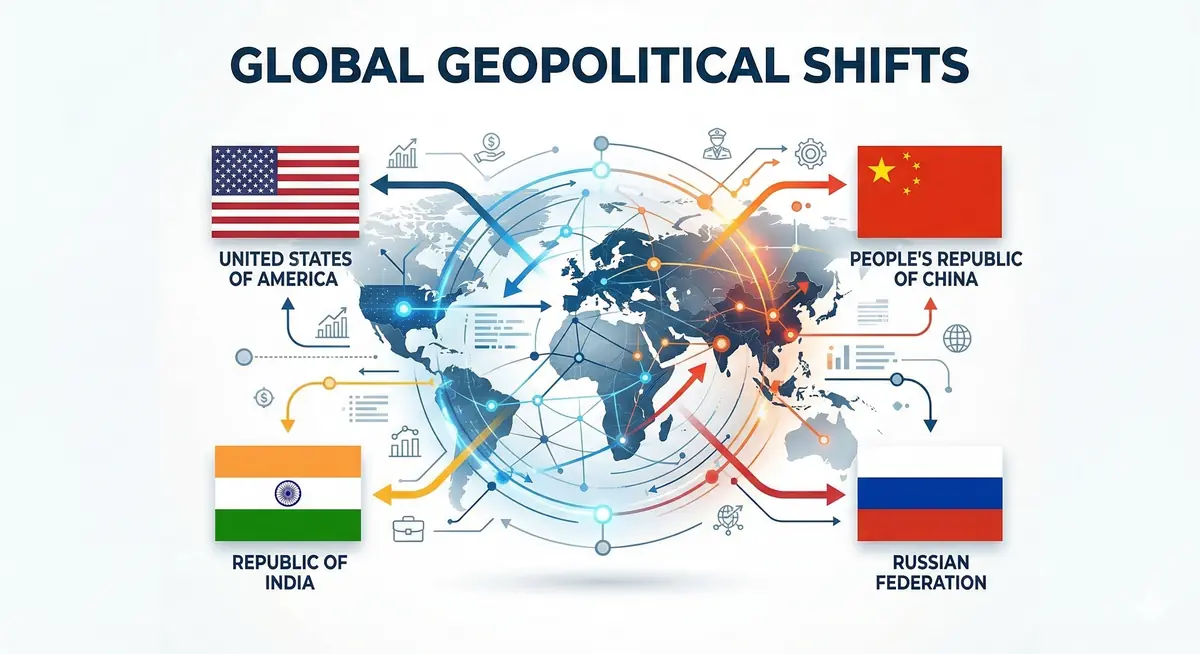
In a world increasingly interconnected yet fraught with complex challenges, the bedrock of global stability often rests on the intricate web of international alliances. From ancient defensive pacts to modern economic and security blocs, understanding the history of major international alliances is crucial for deciphering the geopolitical operating system that underpins state relations. These partnerships, whether formal or informal, have consistently shaped the trajectory of civilizations, prevented wars, ignited conflicts, and redefined the very concept of national sovereignty. This comprehensive exploration will peel back the layers of history, revealing how these alliances have evolved, their foundational principles, and their enduring impact on our global landscape.
- What Defines an International Alliance?
- The Genesis of Geopolitical Networks: Early Forms of Understanding the History of Major International Alliances
- The Age of Empires and Shifting Loyalties (18th-Early 20th Century)
- The Cold War Crucible: Bipolarity and the Rise of Super-Alliances
- Post-Cold War Realities: Multipolarity and Evolving Formations
- The Dynamics of Alliances: Stability, Conflict, and Adaptation
- Navigating the Future: Alliances in a Fragmented World
- Conclusion
- Frequently Asked Questions
- Further Reading & Resources
What Defines an International Alliance?
At its core, an international alliance is a formal agreement or pact between two or more states for mutual support in times of crisis, usually involving a commitment to collective security or economic cooperation. While the concept seems straightforward, the nuances of these arrangements are as varied as the geopolitical contexts that birth them. Unlike a casual treaty, an alliance implies a deeper, often long-term commitment, frequently backed by shared ideologies, common threats, or intertwined economic interests. Think of it as a nation's extended firewall, a collective defense mechanism against potential aggressors, or a shared network for resource optimization.
These agreements are not static; they are dynamic entities that adapt to shifts in power, emerging threats, and evolving national interests. A key characteristic is reciprocity, where each member expects to gain benefits commensurate with their contributions and commitments. This mutual reliance fosters a degree of stability, as breaking an alliance often incurs significant diplomatic, economic, or even military costs. The strategic calculus behind forming an alliance is often a balance between the perceived benefits (enhanced security, economic leverage, diplomatic influence) and the potential costs (loss of autonomy, entanglement in others' conflicts, resource allocation).
Beyond Simple Treaties: The Nuance of Alliance Structures
While a treaty is a formal, legally binding agreement between international actors, an alliance is a specific type of treaty, one that typically involves a commitment to mutual defense or military support. Not all treaties lead to alliances. For instance, a trade agreement is a treaty but doesn't necessarily forge a military alliance. The distinction lies in the depth of commitment and the explicit understanding of mutual assistance in specific, often high-stakes, scenarios.
Alliance structures can range from highly institutionalized organizations with integrated command structures, like NATO, to more informal security partnerships, like the Quad (Quadrilateral Security Dialogue) involving the United States, Japan, Australia, and India. The level of institutionalization often reflects the perceived intensity of the shared threat and the long-term strategic goals of the members. Highly institutionalized alliances tend to have defined decision-making processes, joint military exercises, and shared intelligence capabilities, requiring members to cede a degree of sovereign control for collective benefit. Less formal arrangements might involve periodic consultations and joint statements, relying more on shared strategic interests than rigid legal obligations.
The Core Drivers: Security, Economic, Ideological
The motivations behind forming international alliances are multifaceted, but generally coalesce around three primary drivers:
- Security: This is historically the most common and compelling reason. Nations form alliances to deter aggression from a common adversary, to pool military resources, or to come to each other's aid if attacked. The principle of collective defense, epitomized by NATO's Article 5, where an attack on one is considered an attack on all, is a powerful deterrent. In a fragmented international system, alliances provide a sense of predictable security, reducing the likelihood of smaller states being overwhelmed by larger powers. They act as a force multiplier, making an attack on any member exponentially more costly for an aggressor.
- Economic: While less direct than security, economic interests are a strong motivator. Alliances can facilitate trade, open new markets, ensure access to vital resources, or stabilize financial systems. Organizations like the European Union (EU) started primarily as an economic bloc, fostering integration to prevent future conflicts, but have evolved into a significant political and security actor. Economic alliances can lead to preferential trade agreements, joint infrastructure projects, and coordinated responses to global economic challenges. They aim to create a mutually beneficial economic environment, often elevating the living standards of member states and increasing their collective bargaining power on the global stage.
- Ideological: Shared political values, forms of governance, or religious beliefs can also bind nations together. During the Cold War, the ideological divide between communism and liberal democracy heavily influenced alliance formations. Nations with similar democratic values might align to promote human rights, rule of law, or multilateralism globally. This shared ideological foundation often strengthens the bonds of an alliance, fostering deeper trust and cooperation beyond purely pragmatic interests. For example, the community of democracies often works together to support democratic transitions and resist authoritarian encroachment globally.
Understanding these drivers is key to grasping the historical evolution and contemporary relevance of international alliances.
The Genesis of Geopolitical Networks: Early Forms of Understanding the History of Major International Alliances
The impulse to form alliances is as old as civilization itself, rooted in the fundamental human need for security and cooperation. While the modern concept of nation-states and formal international law is relatively recent, the practice of states (or proto-states) banding together for mutual benefit has a long and rich history, much like the broader historical evolution of global maritime trade routes which also shaped inter-state relations. Early alliances were often forged out of necessity, driven by immediate threats or the desire to consolidate power and resources.
Ancient Pacts and Empires: From Mesopotamia to Rome
The earliest recorded instances of what we might recognize as alliances trace back to ancient Mesopotamia. The "Treaty of Kadesh" around 1259 BCE, between the Egyptian Pharaoh Ramesses II and the Hittite King Hattusili III, is often cited as one of the first known peace treaties with mutual defense clauses. It aimed to establish a lasting peace and a defensive alliance against common enemies. This demonstrated an early understanding that a shared threat could compel powerful, formerly rivalrous empires to cooperate.
Later, in ancient Greece, city-states frequently formed alliances, such as the Delian League led by Athens and the Peloponnesian League led by Sparta, primarily for defense against common enemies (like the Persians) or against each other. These leagues, though often temporary and subject to internal strife, showcased the early strategic calculations involved in pooling resources and manpower. The Greek experience illustrated the dual nature of alliances: they could provide security but also become instruments of imperial ambition, eventually leading to devastating conflicts like the Peloponnesian War.
The Roman Republic and later Empire also engaged in alliance-building, though often through a hierarchical system where conquered or allied territories were bound to Rome through treaties that ensured Roman supremacy and military aid. The concept of foedus (treaty) was central to Roman foreign policy, creating a vast network of client states and allies that contributed to its military might and administrative reach. While not alliances of equals, these arrangements were foundational to the expansion and maintenance of one of history's most enduring empires.
The Westphalian System and the Balance of Power
The Peace of Westphalia in 1648, ending the Thirty Years' War, is widely considered a watershed moment in international relations. It established the principle of state sovereignty, meaning each state had exclusive jurisdiction over its territory and domestic affairs, free from external interference. This gave rise to the modern nation-state system, fundamentally altering the nature of alliances. Instead of dynastic or religious allegiances, alliances increasingly became agreements between sovereign entities.
In the post-Westphalian era, the concept of a "balance of power" became a central tenet of European diplomacy. States would form alliances to prevent any single power or bloc from achieving hegemony over the continent. This wasn't about moral solidarity but pragmatic self-interest – if one power became too strong, others would combine to counter it. For example, various coalitions were formed to check the ambitions of Louis XIV's France in the late 17th and early 18th centuries. These alliances were often fluid and opportunistic, shifting as perceived threats changed, leading to an intricate dance of diplomatic maneuvering and intermittent warfare. This period, characterized by constant vigilance and strategic partnerships, laid the groundwork for the more complex alliance systems that would emerge in later centuries.
The Age of Empires and Shifting Loyalties (18th-Early 20th Century)
The 18th and 19th centuries saw the maturation of the Westphalian system, accompanied by European imperial expansion across the globe. Alliances during this period were often driven by dynastic concerns, colonial rivalries, and the ongoing quest for a continental balance of power. The fluidity of allegiances could be dizzying, with former enemies becoming allies and vice versa, often driven by shifts in the geopolitical chessboard.
The Concert of Europe: A Proto-Collective Security
Following the Napoleonic Wars, the great powers of Europe (Great Britain, Austria, Prussia, Russia, and later France) attempted to create a mechanism for collective security and stability. This informal system, known as the Concert of Europe, emerged from the Congress of Vienna in 1815. It was not a formal alliance with binding military commitments, but rather a series of regular diplomatic conferences aimed at resolving disputes peacefully, maintaining the territorial status quo, and suppressing revolutionary movements.
The Concert of Europe represented an early, albeit imperfect, attempt at multilateral diplomacy and collective management of international affairs. While it succeeded in preventing a major European-wide war for several decades, its effectiveness waned as national interests diverged and the rise of new powers (like a unified Germany) challenged the existing order. Its legacy, however, lies in demonstrating the potential for great powers to cooperate to maintain peace, even if only temporarily. It provided a template for future international organizations, hinting at the idea that shared problems required shared solutions, moving beyond purely bilateral agreements.
The Triple Alliance and Triple Entente: Paving the Path to World War I
The late 19th and early 20th centuries witnessed the hardening of alliances into two opposing blocs, a development that dramatically contributed to the outbreak of World War I.
-
The Triple Alliance: Formed in 1882, this pact originally linked Germany, Austria-Hungary, and Italy. Germany, under Otto von Bismarck, aimed to isolate France and secure its position in central Europe. Italy, however, eventually drifted away and joined the Entente powers at the start of WWI. This alliance was primarily defensive, intended to deter aggression, but it also created an inherent tension by dividing Europe into distinct camps.
-
The Triple Entente: This informal understanding developed in response to the Triple Alliance. It comprised the Franco-Russian Alliance (1894), the Entente Cordiale between Britain and France (1904), and the Anglo-Russian Entente (1907). While not a formal military alliance with binding commitments like the Triple Alliance, these agreements created a powerful counterweight, particularly in naval and colonial matters. The Entente aimed to encircle Germany and prevent its further expansionist ambitions.
The rigidification of these alliance systems meant that a localized conflict could quickly escalate. The assassination of Archduke Franz Ferdinand in Sarajevo, a crisis initially between Austria-Hungary and Serbia, rapidly drew in their respective allies due to treaty obligations and strategic interests. This "chain-reaction" effect demonstrated the profound danger of complex, interlocking alliances in a volatile geopolitical environment, where the actions of one state could unwittingly trigger a continental-wide catastrophe. This period offers a stark lesson in how alliances designed for deterrence can, under certain conditions, become conduits for widespread conflict, highlighting the delicate balance between security and escalation.
The League of Nations: An Ambitious Failure
The unprecedented devastation of World War I spurred a global desire for a new international order that would prevent future conflicts. The brainchild of U.S. President Woodrow Wilson, the League of Nations was established in 1920 as the first intergovernmental organization whose principal mission was to maintain world peace. Its core principle was "collective security," meaning that if one state committed aggression, all other members would unite to punish it, either through sanctions or military action.
However, the League faced significant structural weaknesses and political hurdles:
- Lack of Universal Membership: Crucially, the United States, its primary proponent, never joined due to domestic political opposition. Other major powers like Germany and the Soviet Union were initially excluded or joined later, only to withdraw.
- Weak Enforcement Mechanisms: The League lacked its own standing army and relied on member states to enforce its decisions, which they were often unwilling to do when their national interests were not directly threatened.
- Consensus Requirement: Key decisions required unanimous votes, making decisive action difficult in contentious situations.
- Failure to Act: The League's inability to effectively respond to aggression by Japan in Manchuria (1931), Italy in Ethiopia (1935), and Germany's rearmament and expansionism in the late 1930s fatally undermined its credibility.
Despite its ultimate failure to prevent World War II, the League of Nations was a groundbreaking experiment. It established precedents for international cooperation, multilateral diplomacy, and the concept of collective security that would later inform the formation of the United Nations. It showed the aspiration for a global alliance for peace, even if the tools and political will were insufficient at the time.
The Cold War Crucible: Bipolarity and the Rise of Super-Alliances
The aftermath of World War II fundamentally reshaped the global landscape, giving rise to two superpowers – the United States and the Soviet Union – and a bipolar world order. The ideological and geopolitical struggle between these two blocs, known as the Cold War (roughly 1947-1991), led to the formation of vast, institutionalized alliances that defined international relations for nearly half a century.
NATO: The Cornerstone of Western Defense
The North Atlantic Treaty Organization (NATO), established in 1949, was arguably the most successful and enduring military alliance of the Cold War era, and indeed, of modern history. Born out of fear of Soviet expansionism in Europe, NATO brought together the United States, Canada, and several Western European nations under a collective defense pact. Its foundational principle is Article 5, which states that an armed attack against one or more of its members in Europe or North America shall be considered an attack against them all.
NATO wasn't just a military alliance; it was a political one, designed to integrate the economies and defense strategies of its members, fostering a common identity against the Soviet threat. It established an integrated military command structure, conducted joint exercises, and developed common standards and doctrines. The presence of U.S. conventional forces and nuclear deterrence in Europe was central to NATO's strategy, creating a powerful counterweight to Soviet forces. Throughout the Cold War, NATO effectively deterred Soviet aggression and maintained stability in Western Europe, demonstrating the power of a strong, unified collective security arrangement. The alliance also evolved over time, expanding its mission to include crisis management and cooperative security in the post-Cold War era.
The Warsaw Pact: The Eastern Counterweight
In direct response to NATO and the rearmament of West Germany, the Soviet Union and its satellite states in Eastern Europe formed the Warsaw Treaty Organization (often called the Warsaw Pact) in 1955. This military alliance served as the Soviet bloc's counterpart to NATO, binding Albania, Bulgaria, Czechoslovakia, East Germany, Hungary, Poland, Romania, and the Soviet Union itself.
The Warsaw Pact was primarily a tool for the Soviet Union to maintain political and military control over its Eastern European sphere of influence. While officially a defensive alliance, it was also used to suppress dissent within member states, notably during the invasions of Hungary in 1956 and Czechoslovakia in 1968. Unlike NATO, where decisions were theoretically made by consensus, the Warsaw Pact was largely dominated by Moscow. It mirrored NATO's integrated command structure and conducted large-scale joint exercises, showcasing its collective military might. The dissolution of the Warsaw Pact in 1991, following the collapse of communist regimes in Eastern Europe and the impending collapse of the Soviet Union, marked a symbolic end to the Cold War era's bipolar alliance system.
Non-Aligned Movement: An Alternative Path
Amidst the intense superpower rivalry, many newly independent nations in Asia, Africa, and Latin America sought an alternative to aligning with either the U.S. or the Soviet bloc. This desire for autonomy led to the formation of the Non-Aligned Movement (NAM) in 1961. Spearheaded by leaders like Jawaharlal Nehru of India, Gamal Abdel Nasser of Egypt, Josip Broz Tito of Yugoslavia, and Sukarno of Indonesia, NAM sought to promote peace, cooperation, and national self-determination without being drawn into Cold War politics.
NAM was not an alliance in the traditional military sense but rather a diplomatic and political grouping. Its members aimed to preserve their independence, reject military blocs, and pursue independent foreign policies. While it didn't possess military power, NAM exerted significant moral and diplomatic influence, particularly in advocating for decolonization, disarmament, and a more equitable international economic order. It provided a platform for countries to articulate their concerns and collective interests, challenging the bipolar framework and advocating for a multipolar world where the voices of developing nations could be heard.
Regional Pacts: SEATO, CENTO, and the Domino Theory
Beyond the two main blocs, the Cold War also saw the proliferation of regional security alliances, often sponsored by the U.S. or U.S.S.R., to contain the spread of rival ideologies.
- SEATO (Southeast Asia Treaty Organization): Formed in 1954, SEATO was a collective defense treaty signed by Australia, France, New Zealand, Pakistan, the Philippines, Thailand, the United Kingdom, and the United States. Its primary goal was to prevent the spread of communism in Southeast Asia, particularly after the French defeat in Indochina. While it lacked the integrated command of NATO and was seen by some as less effective, it served as a symbolic commitment to the region.
- CENTO (Central Treaty Organization): Originally known as the Baghdad Pact (1955), CENTO comprised Iran, Iraq, Pakistan, Turkey, and the United Kingdom, with the U.S. as an associate member. It aimed to establish a defensive barrier against Soviet expansion into the Middle East and Central Asia.
These regional alliances were often driven by the "domino theory," the belief that if one country in a region fell to communism, others would follow. They illustrated the global reach of the Cold War, where even distant nations found themselves integrated into larger geopolitical strategies, highlighting how alliances could be instruments of both defense and ideological projection. However, many of these regional pacts proved less resilient than NATO, often struggling with internal disagreements and eventually dissolving as regional dynamics shifted.
Post-Cold War Realities: Multipolarity and Evolving Formations
The fall of the Berlin Wall in 1989 and the dissolution of the Soviet Union in 1991 ushered in a new era of international relations. The bipolar structure of the Cold War gave way to a more multipolar or "unipolar moment" dominated by the United States, leading to a rethinking of alliance structures and purposes. Old alliances adapted, and new forms of cooperation emerged, often focusing on economic integration, humanitarian intervention, and addressing transnational threats.
The European Union: Economic Integration to Political Union
One of the most profound examples of evolving international cooperation is the European Union (EU). Beginning with the European Coal and Steel Community in 1951, the EU's precursors were primarily economic alliances designed to integrate the economies of Western Europe, preventing future wars by making conflict economically unfeasible. Over decades, this economic integration deepened, leading to the establishment of the European Economic Community (EEC), a common market, and eventually the European Union with a single currency (the Euro) and shared political institutions.
The EU represents a unique form of alliance, transcending traditional intergovernmental cooperation to become a supranational entity where member states cede significant sovereignty in certain areas. It acts as a powerful economic bloc, a major diplomatic actor, and increasingly, a security and defense partner. While not a military alliance in the NATO sense, its common foreign and security policy (CFSP) aims to create a unified European voice on global issues and has initiated joint military operations. The EU demonstrates how alliances can evolve from purely functional economic arrangements into deep political unions, fundamentally altering the relationship between member states.
ASEAN and Regional Economic Blocs
Beyond Europe, other regions also saw the rise of significant economic alliances. The Association of Southeast Asian Nations (ASEAN), established in 1967, is a prominent example. Initially formed by Indonesia, Malaysia, the Philippines, Singapore, and Thailand, it aimed to promote economic growth, social progress, and cultural development in the region, alongside fostering regional peace and stability.
ASEAN, now comprising ten member states, has become a central pillar of regional cooperation in Southeast Asia. While primarily an economic and diplomatic bloc, it also engages in security dialogue through forums like the ASEAN Regional Forum (ARF), bringing together member states and external partners (including major powers) to discuss security issues. It emphasizes consensus-building and non-interference, reflecting the diverse political systems and cultures of its members. ASEAN's success highlights the potential for regional alliances to manage complex geopolitical dynamics, promote economic prosperity, and build trust among diverse nations. Similar blocs, such as MERCOSUR in South America or the African Union (AU), also illustrate this trend towards regional integration for shared goals.
The G7/G20: Economic Governance and Informal Alliances
In the post-Cold War era, and particularly after the 2008 global financial crisis, informal groupings of major economic powers gained prominence.
- The G7 (Group of Seven): Comprising Canada, France, Germany, Italy, Japan, the United Kingdom, and the United States, the G7 began as a forum for leading industrialized nations to discuss economic and financial issues. While not a formal alliance with treaties, it functions as a highly influential coordinating body, setting global agendas and making policy recommendations that often shape international economic governance. Its shared democratic values and economic heft give its pronouncements significant weight.
- The G20 (Group of Twenty): Broadening the scope, the G20 includes the G7 nations plus major emerging economies like China, India, Brazil, Russia, and others, representing two-thirds of the world's population and 80% of global GDP. The G20 emerged as the premier forum for international economic cooperation, recognizing that global challenges require broader representation than the G7 alone could offer. These groups exemplify "soft power" alliances, relying on shared interests, informal consensus, and collective influence rather than formal military commitments.
New Security Partnerships: AUKUS, Quad, and Shifting Balances
As the 21st century progresses, new security partnerships are emerging, reflecting a recalibration of geopolitical priorities, particularly in response to the rise of China and evolving regional dynamics. This era also sees a global power shift reshaping technology, as explored in China's AI Boom.
- AUKUS: Announced in 2021, AUKUS is a trilateral security pact between Australia, the United Kingdom, and the United States. Its most prominent feature is the agreement to help Australia acquire nuclear-powered submarines, significantly enhancing its naval capabilities in the Indo-Pacific. AUKUS is a high-technology defense alliance aimed at deepening security and defense cooperation in a region seen as increasingly strategic.
- Quad (Quadrilateral Security Dialogue): Comprising the United States, Japan, Australia, and India, the Quad is an informal strategic forum focused on democratic values and security cooperation in the Indo-Pacific. While not a formal military alliance, it involves regular summits, joint naval exercises, and discussions on issues ranging from maritime security to vaccine distribution and critical technologies. It aims to promote a "free and open Indo-Pacific" and counter China's growing influence.
These new formations highlight the adaptive nature of international alliances. They are not simply reactivating Cold War doctrines but are carefully constructed partnerships designed to address specific contemporary challenges, balance emerging powers, and secure strategic interests in an increasingly complex and interconnected world.
The Dynamics of Alliances: Stability, Conflict, and Adaptation
The history of international alliances is a dynamic interplay of factors that can either promote global stability or, paradoxically, contribute to conflict. Understanding these dynamics is crucial for appreciating their enduring impact on international relations. Alliances are not static solutions; they are ongoing processes of negotiation, adaptation, and occasional rupture.
The Deterrence Effect: Preventing Larger Wars
One of the primary benefits of alliances, particularly military ones, is their deterrent effect. By presenting a united front and pooling military capabilities, alliances make the cost of aggression against a member prohibitively high for a potential adversary. This shared commitment signals that an attack on one will be met by the collective might of many, thereby dissuading hostile actions. NATO, for example, is widely credited with preventing a direct military confrontation between the Soviet Union and Western powers during the Cold War. The clarity of its Article 5 commitment meant that any Soviet aggression against a NATO member would immediately trigger a response from the entire alliance, including the nuclear arsenal of the United States.
Deterrence is not solely military; economic alliances can also deter actions that threaten the shared prosperity of their members. The EU's collective economic weight allows it to impose significant sanctions, acting as a deterrent against human rights abuses or violations of international law by non-member states. The success of deterrence, however, relies on the credibility of the alliance's commitments and its perceived willingness to act.
The Risk of Entanglement: Drawing Nations into Conflict
While deterrence aims to prevent war, alliances also carry the inherent risk of entanglement. A defensive alliance, by definition, commits members to come to the aid of an ally if attacked. This can mean that a localized conflict involving one member could drag other, previously uninvolved, members into a wider war. The pre-World War I alliance system is a stark historical example. The assassination of Archduke Franz Ferdinand in Sarajevo triggered a cascade of alliance activations, drawing major European powers into a devastating conflict they might have otherwise avoided.
This entanglement risk forces nations to weigh the benefits of collective security against the potential loss of autonomy in deciding when and where to commit their resources and lives. It highlights the tension between the desire for security and the sovereign right to determine foreign policy independently. Modern alliances often include clauses for consultation and collective decision-making to mitigate this risk, but the potential for unintended escalation remains a significant consideration.
Economic Leverage and Soft Power Projection
Alliances are not just about hard power. They also exert significant economic leverage and project soft power. Economic blocs like the EU and ASEAN create massive integrated markets, enhancing the bargaining power of their members in global trade negotiations. By presenting a unified front, they can influence global economic rules, attract investment, and coordinate responses to economic crises. This collective economic clout translates into significant geopolitical influence.
Furthermore, alliances often serve as platforms for promoting shared values, norms, and diplomatic agendas. NATO, while a military alliance, also champions democratic values and human rights. The G7 and G20, while primarily economic forums, also discuss global governance, climate change, and development goals. This projection of "soft power"—the ability to attract and persuade through appeal rather than coercion—enhances the legitimacy and influence of an alliance on the world stage. It allows members to collectively shape international discourse and set global standards, extending their influence far beyond their borders.
Navigating the Future: Alliances in a Fragmented World
The 21st century presents a complex and fragmented international environment, unlike the clear bipolarity of the Cold War. New threats are emerging, traditional power dynamics are shifting, and the very nature of statehood is being challenged. In this context, international alliances are continually adapting, transforming, and sometimes, struggling to remain relevant.
Climate Change and Cyber Security: New Threats, New Coalitions
Traditional alliances were primarily forged against conventional military threats. However, the contemporary landscape is increasingly defined by transnational, non-traditional security challenges that transcend national borders. Climate change, for instance, poses an existential threat requiring global cooperation. While not forming military alliances, nations are increasingly forming "coalitions of the willing" or issue-specific partnerships to address climate mitigation and adaptation. Examples include the Paris Agreement signatories, or regional initiatives for sustainable development. These alliances are less about defense and more about collective problem-solving and shared responsibility.
Similarly, cyber security threats, ranging from state-sponsored hacking to ransomware attacks, necessitate new forms of cooperation. Nations are forming intelligence-sharing agreements, joint cyber defense centers, and developing common norms for cyberspace. The Five Eyes intelligence alliance (U.S., UK, Canada, Australia, New Zealand) has expanded its focus to include cyber threats, and NATO has declared cyberattacks could trigger Article 5. These emerging alliances highlight a shift from territorial defense to safeguarding digital infrastructure and shared data, requiring deeper integration of technological and intelligence capabilities.
The Rise of Non-State Actors and Hybrid Warfare
The landscape of conflict is also changing, with the rise of powerful non-state actors (e.g., terrorist groups like ISIS, transnational criminal organizations) and the proliferation of hybrid warfare tactics (combining conventional, irregular, and cyber warfare with disinformation campaigns). Traditional military alliances are being forced to adapt their doctrines and capabilities to counter these diffuse and often asymmetric threats.
Counter-terrorism alliances, intelligence-sharing networks, and multinational task forces (e.g., the Global Coalition to Defeat ISIS) are examples of responses to these evolving challenges. The focus shifts from deterring state armies to disrupting networks, intelligence gathering, and building resilience against multi-pronged attacks that blur the lines between peace and conflict. This requires alliances to be more agile, intelligence-driven, and capable of operating across multiple domains, including the information space.
The Scramble for Resources and Technological Supremacy
The competition for critical resources (e.g., rare earth minerals, water, energy) and technological supremacy (e.g., AI, quantum computing, semiconductors) is another defining feature of the modern era. This competition is increasingly shaping new forms of economic and strategic alliances. Nations are forming partnerships to secure supply chains, pool research and development efforts, and establish technological standards, effectively creating alliances for innovation and economic resilience.
For instance, alliances like AUKUS are not just about military hardware but also about deeper integration of advanced technologies. The U.S. and its allies are also engaging in "friend-shoring" – relocating supply chains to friendly nations – creating de facto economic alliances aimed at reducing dependency on geopolitical rivals. These trends suggest a future where alliances will increasingly be defined not just by shared borders or military hardware, but by shared access to and control over critical resources and cutting-edge technologies, further demonstrating the complex and ever-evolving nature of global partnerships.
Conclusion
The journey through the annals of international relations clearly illustrates that alliances are far more than mere historical footnotes; they are fundamental building blocks of the global order. From the ancient defense pacts of Mesopotamia to the sophisticated, multi-domain partnerships of the 21st century, understanding the history of major international alliances reveals a continuous narrative of states banding together for security, prosperity, and influence. These collaborations have repeatedly demonstrated their capacity to deter aggression, manage crises, and foster economic growth, acting as the complex, interconnected "operating system" of geopolitics.
Yet, this history is also replete with cautionary tales: alliances can entangle nations in unintended conflicts, struggle with internal divisions, or become obsolete as geopolitical realities shift. The challenge for contemporary and future alliances lies in their ability to adapt to a world grappling with non-traditional threats like climate change and cyber warfare, while simultaneously navigating the resurgence of great power competition and the fragmentation of global governance. As we look ahead, the resilience, flexibility, and foresight of international alliances will be paramount in shaping a stable and prosperous future. The constant evolution of these partnerships underscores their enduring importance and the continuous human endeavor to find collective solutions in an ever-changing world.
Frequently Asked Questions
Q: What is the primary purpose of international alliances?
A: International alliances primarily aim to provide mutual security and support among member states, deterring aggression from common adversaries through collective defense mechanisms. They can also facilitate economic cooperation, shared diplomatic influence, and the promotion of common ideological values.
Q: How did the Cold War impact the formation of alliances?
A: The Cold War led to the creation of two major, highly institutionalized military blocs: NATO, representing the Western democracies, and the Warsaw Pact, led by the Soviet Union. These alliances defined the global geopolitical landscape for over four decades, driven by ideological rivalry and a balance of power.
Q: Are modern alliances still relevant in a multipolar world?
A: Yes, modern alliances remain highly relevant, adapting to new threats like climate change, cyber security, and the rise of non-state actors. They also serve to balance emerging powers, secure critical resources, and foster economic integration, continuously evolving to address contemporary global challenges.