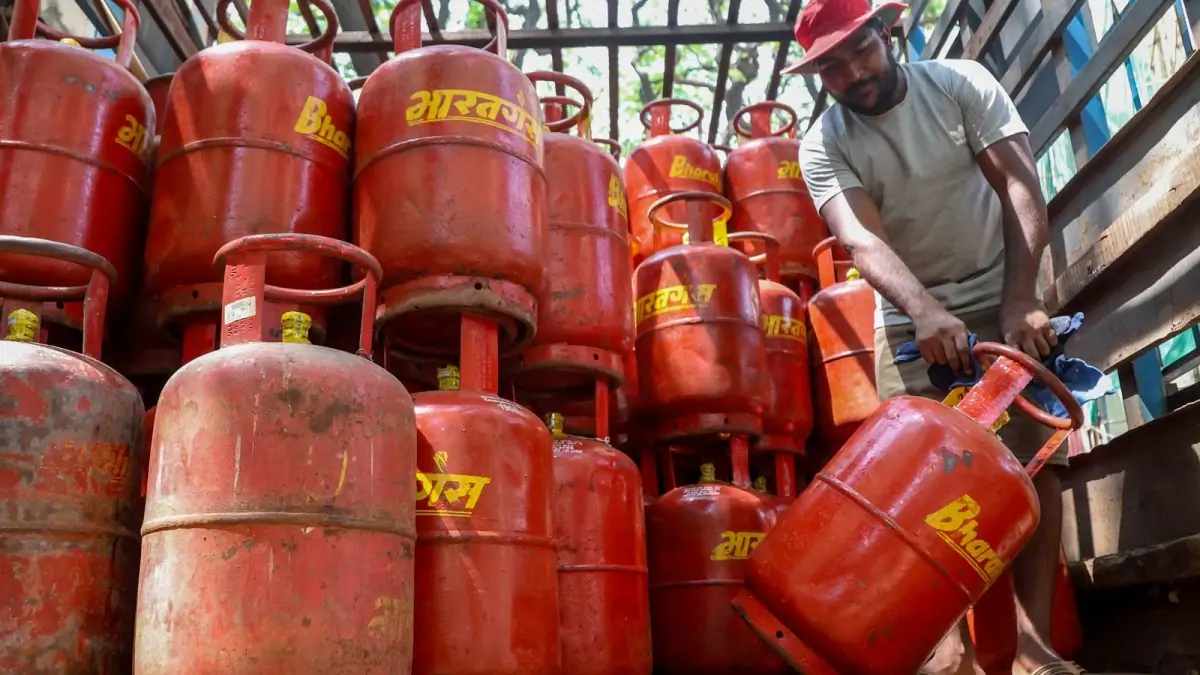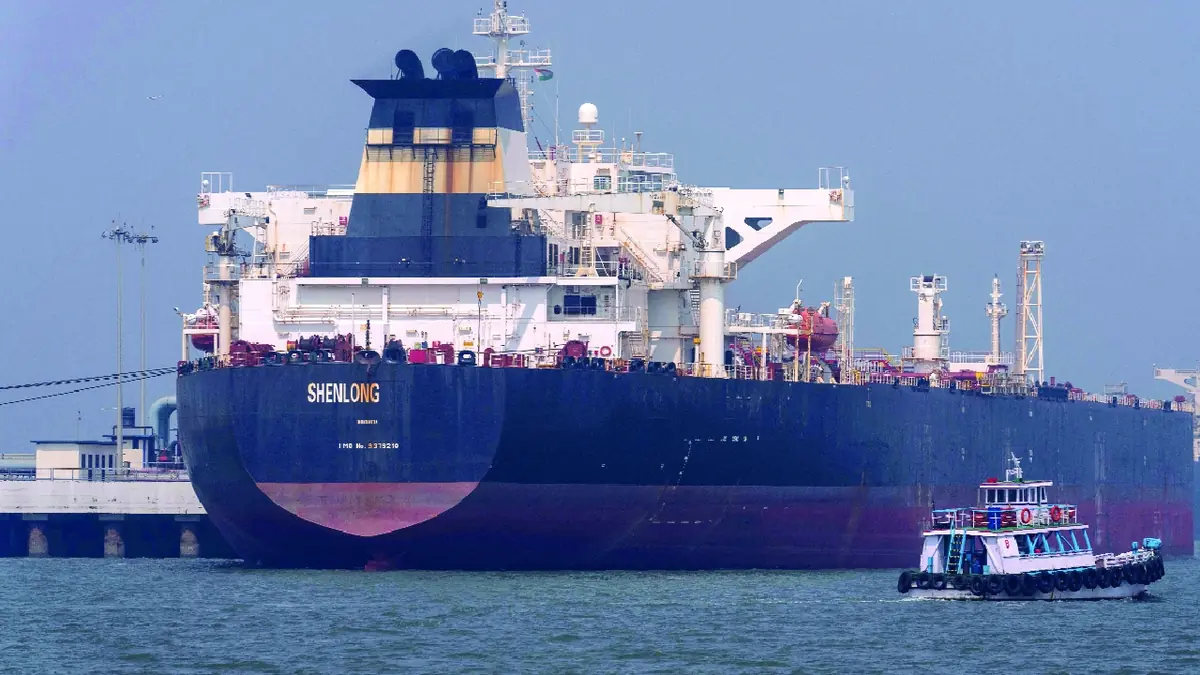
New Delhi breathes a collective sigh of relief as news emerges that two LPG ships sail through Hormuz to India where LPG crisis has recently escalated. These critical shipments, navigating the contentious Strait of Hormuz, are seen as a vital lifeline for a nation heavily reliant on imported liquefied petroleum gas (LPG) to fuel its households and commercial sectors. The successful transit of these vessels underscores the intricate dance of geopolitics and energy security in a volatile global landscape, highlighting India's persistent vulnerability to disruptions in key maritime trade routes.
- Navigating a Volatile Chokepoint: The Strait of Hormuz
- India's Deepening LPG Crisis
- Government Response and Mitigation Efforts
- Long-Term Implications for India's Energy Security
- Conclusion: Two LPG Ships Sail Through Hormuz to India Where LPG Crisis - A Temporary Respite and Future Outlook
- Frequently Asked Questions
- Further Reading & Resources
Navigating a Volatile Chokepoint: The Strait of Hormuz
The Strait of Hormuz stands as one of the world's most critical maritime routes, a narrow waterway connecting the Persian Gulf with the Gulf of Oman and the Arabian Sea. Roughly one-fifth of the world's oil supplies and a significant portion of global gas shipments, including a substantial share of India's LPG imports, pass through this strategic chokepoint daily. Any disruption in this corridor can swiftly impact global energy prices and supply chains, with developing nations like India feeling the ripples almost immediately. Recent military tensions in West Asia, specifically the US-Iran conflict, have heightened concerns about the safety of vessels traversing this route, compelling governments and shipping companies to adopt additional precautions. For a deeper understanding of the broader regional tensions, read about Iran vs. Middle East, USA, Israel: War Concerns & Regional Stability. The continuous threats to shipping, including drone attacks and seizures, have raised insurance premiums and operational costs, further exacerbating the challenges for nations dependent on these supplies.
The significance of the Strait for India's energy security cannot be overstated. More than 85% of India's LPG imports, and nearly 50% of its Liquefied Natural Gas (LNG) imports, rely on passage through the Strait of Hormuz. This makes India acutely susceptible to geopolitical instability in the region, particularly given the ongoing rivalries among regional powers and the broader international involvement. The nation's energy security is directly threatened by supply disruptions arising from such tensions, which can quickly translate into economic hardships and social unrest for its vast population.
Geopolitical Undercurrents and Safe Passage
The recent tensions in the Middle East have led to fears over supplies moving through this critical energy route, with LPG being one of the first visible hits. The broader regional conflicts, as detailed in IRAN WAR Escalates: Regional Conflict and Global Fallout, underscore the precarious nature of energy supply chains. In response to this volatile environment, Iran granted permission for two Indian-flagged LPG carriers to transit the Strait of Hormuz. This diplomatic gesture came after high-level talks between Indian and Iranian officials, including phone conversations between Prime Minister Narendra Modi and Iranian President Masoud Pezeshkian. Iran's Ambassador to India, Mohammad Fathali, emphasized the "friendship" and "common interests" between the two countries, signaling positive developments regarding safe passage for Indian vessels.
One of the vessels, the Shivalik LPG Carrier, followed by the Nanda Devi LPG Carrier, successfully crossed the Strait under the protection of the Indian Navy. These vessels, belonging to the Shipping Corporation of India, are transporting nearly 85,000 metric tonnes of LPG, representing the first India-bound LPG shipments to pass through the Strait in nearly two weeks. The naval escort, equipped with advanced air defense systems and continuous surveillance, underscored the high stakes and the proactive measures taken by India to secure its vital energy supplies. Such escorts are not merely symbolic; they provide real-time protection against potential threats, ensuring the unhindered flow of crucial resources.
India's Deepening LPG Crisis
India, as the world's second-largest LPG consumer, faces a significant challenge in meeting its rapidly growing energy demands. The country's LPG supply system depends heavily on imports, with approximately two-thirds of its domestic needs met through external sources. For the financial year 2024-25, imports constituted 66% of India's LPG consumption, with a staggering 92% of these imports originating from the Middle East. This heavy reliance on a single region, coupled with the geopolitical fragility of the Strait of Hormuz, leaves India's energy security vulnerable to external shocks.
Recent reports indicate that India has been experiencing LPG supply stress in several cities, particularly affecting commercial users like restaurants and hotels. While households have largely continued to receive cylinders, many commercial buyers have faced delays and shortages, pushing some businesses to revert to alternative fuels like coal and firewood, which are often less efficient and more polluting. The National Restaurant Association of India (NRAI) warned that a prolonged shortage could significantly impact the food service industry, which is 75% dependent on LPG, leading to potential job losses and price increases for consumers. For more on the domestic price situation, see LPG Cylinder Price Rises in India: What You Need to Know. The human impact extends beyond businesses, affecting daily routines and livelihoods for millions.
Factors Fueling the Crisis
Several factors have converged to exacerbate India's LPG crisis:
-
High Import Dependency: Despite some domestic production, India's LPG demand has grown rapidly over the past decade, driven by government initiatives like the Pradhan Mantri Ujjwala Yojana (PMUY), which expanded access to clean cooking fuel for millions of households. This expansion, while socially beneficial, has outpaced domestic production growth, making imports essential. The scheme aimed to empower rural women by replacing traditional biomass fuels with cleaner LPG, significantly improving health outcomes but simultaneously increasing import dependence.
-
Geopolitical Disruptions: The ongoing conflict in West Asia and disruptions near the Strait of Hormuz have directly impacted shipping routes and energy infrastructure, slowing down energy shipments and putting immense pressure on LPG supply chains. Shipments in the week starting March 9 were estimated to be the lowest since April 2023, causing immediate supply gaps that domestic production could not quickly fill. The heightened risks in the region also affect freight costs and insurance premiums, adding to the overall cost of imports.
-
Limited Strategic Storage Capacity: Unlike crude oil, for which India maintains strategic reserves, LPG and LNG require specialized high-pressure or cryogenic storage facilities that are technically complex and expensive to build and maintain. India's existing LPG stocks cover only around 10-25 days of demand, leaving little buffer during supply disruptions. This limited buffer means that even minor delays in shipments can quickly lead to shortages and market panic. Expanding this capacity is a long-term goal but presents significant financial and logistical challenges.
-
Surging Demand and Panic Booking: Domestic LPG demand has surged, partly due to panic booking amidst supply concerns, with daily bookings increasing significantly. This speculative demand further strains available supplies, creating a vicious cycle where fears of shortage lead to actual shortages. Public awareness campaigns regarding rational consumption are being considered, but their effectiveness during a crisis is often limited.
-
Rising Global Prices: Global LPG prices have been on an upward trend, with Saudi Aramco raising Contract Prices (CP) for propane and butane in January 2026 due to strong demand from India and Southeast Asia. Domestic LPG prices in India also saw a jump, with a 14.2-kg cylinder increasing by Rs 60 as of March 7, 2026. These rising international prices directly translate to higher costs for Indian consumers and increased subsidy burdens for the government, straining fiscal resources.
Government Response and Mitigation Efforts
In the face of the escalating crisis, the Indian government has initiated a multi-pronged strategy to ensure energy security and stabilize LPG supplies, leveraging both internal measures and diplomatic channels.
Boosting Domestic Production and Diversifying Sources
Authorities have directed refineries to maximize LPG yields, leading to a reported 28% increase in domestic LPG production in the days following the onset of the conflict, and a 31% increase overall since the crisis began. This immediate boost helps alleviate some pressure, but even with increased domestic output, a significant shortfall remains, which must be met by imports. This highlights the inherent structural deficit in India's LPG supply.
To reduce reliance on West Asian suppliers, India has been actively exploring alternative LPG import sources. A notable agreement was signed with the United States in November 2025 to import approximately 2.2 million tonnes of LPG annually, accounting for nearly 10% of India's total yearly LPG imports. While this diversification is crucial for long-term energy security, shipments from the US take longer to reach India compared to those from the Persian Gulf, limiting rapid response capabilities during emergencies. India is also in talks with other nations like Norway, Canada, Algeria, and Russia for additional cargoes, aiming to create a more resilient and geographically dispersed supply network. Diplomatic efforts extend to ensuring stable trade relations and securing long-term contracts with various global suppliers.
Emergency Measures and Prioritization
The government has invoked the Essential Commodities Act multiple times to manage supply shocks, allowing for stringent control over distribution and pricing. It has prioritized domestic LPG supply for households and essential sectors such as hospitals and educational institutions, ensuring that critical services are not disrupted. Commercial LPG cylinders have also been placed at the disposal of state governments for priority distribution, allowing local administrations to allocate resources based on immediate needs. Furthermore, to ease pressure on LPG supplies, industries, hotels, and restaurants in the National Capital Region have been temporarily allowed to use alternative fuels, such as natural gas or electric induction, where infrastructure permits, thereby reducing demand for LPG in non-essential commercial segments.
In a move to manage demand, the Ministry of Petroleum and Natural Gas also barred consumers with piped natural gas (PNG) connections from obtaining or refilling domestic LPG cylinders, redirecting available LPG to areas without PNG access. Retail prices for cooking gas were also raised for the first time in a year to temper demand, a measure aimed at discouraging non-essential usage and reflecting the true cost of imported fuel.
Long-Term Implications for India's Energy Security
The current LPG crisis, exacerbated by geopolitical tensions in the Middle East, serves as a stark reminder of India's inherent vulnerabilities in energy security. The heavy dependence on imported fossil fuels, particularly from a volatile region, exposes the country to significant economic and social risks, making the pursuit of long-term solutions critically important.
Investment in Infrastructure and Reserves
The crisis highlights the urgent need for India to invest in expanding its strategic LPG reserve capacity. Experts suggest developing large-scale underground storage caverns and utilizing depleted gas reservoirs to build long-term LPG reserves, thereby significantly improving the country's resilience to supply disruptions. These advanced storage solutions, while costly, offer unparalleled security against short-term market fluctuations and geopolitical shocks. A new storage facility in Mangalore, commissioned in late 2025, has added some capacity, but it "barely scratches the surface of national demand" for a country of India's scale. Further substantial investments are required to meet the recommended 30-45 days of strategic reserves. This includes upgrading port infrastructure to handle larger LPG carriers and improving the last-mile distribution network to efficiently move gas from storage to consumers.
Accelerating Renewable Energy Transition
The ongoing energy challenges also provide a renewed impetus for India to accelerate its transition towards renewable energy sources. Reducing fossil fuel dependence is crucial not only for mitigating climate impacts but also for enhancing long-term energy stability and self-reliance. Government initiatives like the National Green Hydrogen Mission, which aims to make India a global hub for green hydrogen production and export, and the PM Surya Ghar Muft Bijli Yojana, promoting rooftop solar installations, are pivotal. These programs aim to provide cleaner energy alternatives for cooking and electricity generation, thereby reducing the pressure on LPG imports. Furthermore, the development of indigenous solar cooking technology, improved access to electric vehicle infrastructure, and advancements in bio-LPG production from agricultural waste are being explored as alternative energy investment priorities that can contribute to a more diversified and sustainable energy landscape.
Global Partnerships and Diplomacy
The successful negotiation for the passage of the two LPG ships through Hormuz underscores the critical role of diplomacy and global partnerships in navigating energy security challenges. India's ability to leverage its diplomatic ties to ensure uninterrupted energy flows will remain paramount in safeguarding its economic growth and the well-being of its citizens. Strengthening relationships with diverse energy producers, engaging in multilateral forums to advocate for maritime security, and participating in global energy dialogues are essential strategies. These efforts ensure not just transactional benefits, but also build a framework for collective energy security in an increasingly interconnected and volatile world. Long-term energy security is inextricably linked to robust international relations and proactive foreign policy.
Conclusion: Two LPG Ships Sail Through Hormuz to India Where LPG Crisis - A Temporary Respite and Future Outlook
The arrival of the two LPG ships sail through Hormuz to India where LPG crisis has deepened offers a temporary but crucial respite for the nation. This episode serves as a powerful illustration of India's intricate energy landscape – marked by soaring demand, heavy import reliance, and exposure to geopolitical volatilities. While immediate government measures and diplomatic efforts have provided some relief, the crisis underscores the imperative for India to further diversify its energy mix, bolster domestic production, enhance strategic reserves, and accelerate its transition to a more sustainable and secure energy future. The challenges in the Strait of Hormuz highlight that energy security is not merely an economic concern but a cornerstone of national stability and development, demanding continuous vigilance and proactive long-term planning.
Frequently Asked Questions
Q: Why is India so reliant on LPG imports from the Middle East?
A: India's rapid growth in LPG demand, driven by government initiatives like the Pradhan Mantri Ujjwala Yojana, has significantly outpaced domestic production. Approximately two-thirds of its LPG needs are met through imports, with a staggering 92% of these originating from the Middle East, primarily due to geographical proximity and established trade routes.
Q: What is the significance of the Strait of Hormuz for India's energy security?
A: The Strait of Hormuz is a critical maritime chokepoint through which over 85% of India's LPG imports, and a substantial portion of its LNG, must pass. Its geopolitical instability and potential for disruption pose a direct and immediate threat to India's energy supply, impacting prices and availability nationwide.
Q: What long-term solutions is India exploring to mitigate future LPG crises?
A: India is pursuing a multi-faceted approach, including diversifying its import sources beyond the Middle East, actively boosting domestic LPG production, and investing in expanding strategic LPG reserves. Crucially, the nation is also accelerating its transition to renewable energy sources like solar power and green hydrogen to reduce overall fossil fuel dependence.