Twitch Streamer Robbed Live: Viral Incident Rocks Baltimore
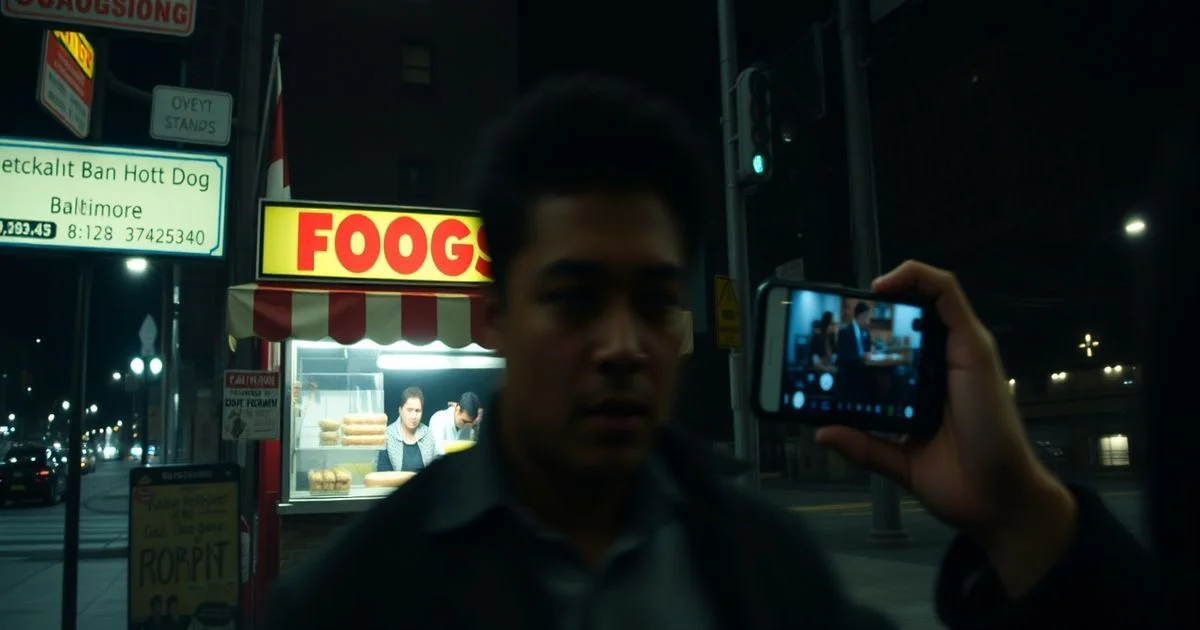
A startling incident reverberated across digital platforms and local headlines this week when a Twitch Streamer Robbed Live: Viral Incident Rocks Baltimore. On March 28, 2026, popular Twitch content creator Musa_Usa, known for broadcasting his daily life from a hot dog stand in Baltimore, became an unwitting participant in a live-streamed robbery, sending shockwaves through the streaming community and prompting widespread discussions about online safety and urban crime. This particular evening, however, deviated dramatically from the usual comforting rhythm, transforming an everyday interaction into a moment of sudden vulnerability that would soon capture global attention. The footage, capturing the brazen act in real-time, quickly circulated across social media, drawing millions of views and igniting a global conversation about the increasing vulnerabilities faced by individuals who share their lives publicly. This event has not only highlighted the precarious balance between content creation and personal security but has also cast a renewed spotlight on the complexities of safety within city environments.
- The Incident Unfolds: Musa_Usa's Live Ordeal
- Beyond the Screen: Ramifications After a Twitch Streamer Robbed Live: Viral Incident Rocks Baltimore
- Baltimore in the Spotlight: Crime, Perception, and Community
- A Growing Trend: Live-Streamed Crime and Digital Documentation
- Mitigating Risks: Advice for Streamers and Viewers
- Conclusion: The Lingering Questions After Twitch Streamer Robbed Live: Viral Incident Rocks Baltimore
- Frequently Asked Questions
- Further Reading & Resources
The Incident Unfolds: Musa_Usa's Live Ordeal
A Routine Stream Takes a Dark Turn
Muhsin Sarac, better known to his online audience as Musa_Usa, had cultivated a loyal following by sharing the unassuming charm of his hot dog stand operations in Baltimore. His streams, typically categorized under "Just Chatting," offered viewers a glimpse into his daily routine, the nuances of running a street food business, and interactions with customers, often set against the backdrop of the city's nighttime ambiance. On the evening of March 28, 2026, what began as another ordinary broadcast took a sudden and alarming turn. The incident starkly illustrated how the seemingly innocuous act of broadcasting one's daily life can expose creators to unexpected dangers in the real world. While Musa_Usa was live, two individuals approached his hot dog stand. In a matter of seconds, they reached into his tip jar and made off with cash.
The streamer, visibly surprised but maintaining a notable level of composure, verbally warned the perpetrators that their actions were being broadcast live to his audience. Despite this clear warning, the individuals proceeded with the theft, grabbing approximately $20 from the tip jar before quickly departing. Reports indicate that the men did not brandish a weapon, categorizing the event as a bold theft rather than an armed robbery, which further underscored the audacious nature of the incident occurring in plain sight and on camera. The situation unfolded rapidly near a gas station, a public location that many might perceive as relatively safe, yet it demonstrated the unpredictable nature of street-level crime.
The Video Goes Viral
The immediate aftermath of the incident saw the live stream clip rapidly disseminated across various social media platforms. Viewers who had been watching the stream in real-time expressed profound shock and concern in the live chat. Many commended Musa_Usa for his calm demeanor and careful handling of the situation under duress. The raw, unedited footage provided a visceral experience for those who witnessed it, quickly transforming the event into a viral sensation. This rapid spread of the video amplified the incident's reach far beyond Musa_Usa's typical audience, drawing attention from mainstream news outlets and sparking widespread debate. The virality of the clip served as a stark reminder of how quickly digital content, especially that capturing real-world events, can permeate the global consciousness, generating discussion and sometimes, intense scrutiny.
The incident underscored the power of live streaming as a medium that can capture unscripted moments, both mundane and extraordinary, and instantly share them with a global audience. However, it also brought to the forefront the unforeseen risks associated with such transparency, particularly when content creators operate in public spaces. The immediate and widespread reaction from the online community demonstrated the strong sense of solidarity and concern that often develops between streamers and their viewers, highlighting the personal connection fostered within these digital communities.
Beyond the Screen: Ramifications After a Twitch Streamer Robbed Live: Viral Incident Rocks Baltimore
The incident involving Musa_Usa has far-reaching implications, extending beyond a single unfortunate event to impact the broader landscape of content creation and public safety. This event serves as a potent case study for the vulnerabilities inherent in public live streaming and the evolving challenges faced by individuals who earn a living by sharing their experiences online.
The Vulnerability of Public Live Streaming
Live streaming from public spaces offers an authentic and engaging experience for viewers, providing a direct window into diverse environments and daily lives. However, this authenticity comes at a cost of increased personal vulnerability. Unlike traditional media, where content is often produced and edited in controlled environments, live streamers operating in public are exposed to the unpredictable realities of their surroundings. This exposure means they can become targets for various forms of crime, from petty theft to more serious offenses, simply by virtue of being present and visibly engaged with expensive equipment. The very act of broadcasting can make streamers appear more affluent or distracted, drawing unwanted attention.
The blurring of lines between a streamer's personal life and their public persona on platforms like Twitch means that incidents occurring during a broadcast can have a magnified impact. What might otherwise be a localized crime becomes a global spectacle, inviting scrutiny and commentary from millions. This digital amplification not only affects the individual streamer but also contributes to broader perceptions of safety in the locations where such incidents occur.
Security Concerns for Content Creators
For content creators who rely on live streaming from public or semi-public locations, the Musa_Usa incident has undoubtedly escalated security concerns. Many streamers operate small businesses, engage with local communities, or simply document their travels, placing them in direct contact with the public. The perceived anonymity of the internet often leads streamers to overlook the very real physical risks associated with their work. This incident forces a re-evaluation of personal security protocols.
Streamers must now consider:
- Situational Awareness: The importance of remaining vigilant about their surroundings, even while interacting with chat or managing broadcast equipment.
- Asset Protection: Strategies for securing valuable streaming gear and any cash or valuables that might be on hand, as was the case with Musa_Usa's tip jar.
- Emergency Protocols: Having a plan for how to react to unexpected incidents, including knowing how to quickly alert authorities or pause a stream.
- Location Scouting: More carefully assessing the safety of potential streaming locations, particularly during nighttime hours.
The financial incentive of streaming, often linked to viewer engagement and tips, can sometimes inadvertently place streamers in vulnerable positions. The need to maintain an interactive and open persona can conflict with the imperative for personal safety.
The Ethical Dilemma of Viewer Engagement
The live nature of Twitch streams means that viewers often become immediate witnesses to unfolding events, including emergencies or criminal acts. The incident at Musa_Usa's hot dog stand highlighted the complex ethical considerations for both streamers and their audiences. While many viewers expressed genuine concern and offered support, others might react with curiosity, panic, or even inappropriate commentary.
For streamers, the challenge is how to respond to such incidents while maintaining composure for their audience, ensuring their own safety, and deciding how much of a potentially traumatic event to continue broadcasting. For viewers, the dilemma lies in how to best assist from a distance, whether by contacting local authorities (if location information is available and accurate), offering moral support, or simply refraining from actions that could exacerbate the situation. The commendations Musa_Usa received for his calm handling of the robbery underscore the difficult tightrope streamers walk during such distressing moments. This event serves as a critical reminder that while live streams are for entertainment, they are also glimpses into real lives, with real consequences.
Baltimore in the Spotlight: Crime, Perception, and Community
The highly publicized robbery of Musa_Usa has inevitably placed Baltimore under a microscope, bringing local crime dynamics into a national and international conversation. Such viral incidents often shape public perception, sometimes unfairly, and ignite important dialogues within the affected community.
Local Impact and Law Enforcement Response
While specific details regarding the immediate law enforcement response for this particular incident are still emerging, such high-profile events inevitably trigger rigorous investigations by local police departments. The Baltimore Police Department, like any urban law enforcement agency, faces the dual challenge of responding to individual crimes while also managing public perception and maintaining order. They would be tasked with identifying and apprehending the individuals responsible for the theft, utilizing the live stream footage as crucial digital evidence – a modern forensic tool that offers an unvarnished view of the crime. This digital evidence can accelerate investigations but also presents challenges, such as identifying masked individuals or tracking suspects through urban environments. The incident highlights the ongoing pressure on police forces to adapt to new forms of crime and evidence in the digital age, especially when events unfold publicly and virally.
From a local perspective, incidents like this contribute to an ongoing narrative about urban crime. While individual acts of theft occur regularly in any major city, a high-profile, live-streamed event can disproportionately impact how a city is viewed both by its residents and by those outside. This can lead to increased community discussion about visible policing, crime prevention strategies, and support for local businesses.
Addressing the City's Image
Baltimore, like many large metropolitan areas, grapples with complex socioeconomic challenges that sometimes manifest as crime. A viral incident such as the robbery of a Twitch streamer can unfortunately reinforce negative stereotypes or perceptions about the city's safety, even if the event itself does not represent the entirety of the city's crime landscape. For residents and city officials, the challenge lies in contextualizing such events while also addressing underlying issues that contribute to crime.
Efforts to counteract negative publicity often involve highlighting community resilience, local initiatives aimed at improving safety, and the vibrant aspects of city life that often go unnoticed in sensationalized news cycles. The incident can, paradoxically, also serve as a catalyst for greater community engagement and a renewed focus on public safety measures.
Community Support and Concern
Within Baltimore, the reaction to Musa_Usa's robbery has likely been a mix of dismay, concern, and solidarity. Local residents, particularly those who frequent neighborhood businesses like Musa_Usa's hot dog stand, may feel a sense of frustration that such an event occurred in their community. Online forums and local social media groups often become platforms for residents to share their reactions, discuss safety concerns, and offer support to victims.
The outpouring of support for Musa_Usa from his online community reflects a broader human tendency to empathize with victims and to seek justice. This local and global community response can be a powerful force, fostering a sense of collective responsibility and encouraging dialogue about how to create safer environments for everyone, including those who are publicly visible through digital platforms. The incident underscores that crime, even when caught on a live stream, has a real human impact that resonates far beyond the pixels on a screen.
A Growing Trend: Live-Streamed Crime and Digital Documentation
The robbery of Musa_Usa in Baltimore is not an isolated incident but rather fits into a concerning pattern of crimes being captured and disseminated through live-streaming platforms. This phenomenon highlights how digital technology is inadvertently becoming a primary tool for documenting and sharing criminal acts, often with immediate global reach.
The Rise of Documented Incidents
Over the past few years, there have been several high-profile cases where criminal activity has unfolded on live streams, attracting significant media attention and sparking public outcry. These incidents vary widely in nature, from brazen thefts to more severe crimes, all unified by the fact that they were broadcast in real-time.
For instance, in November 2025, a Kick streamer garnered notoriety for allegedly live-streaming his own break-in of a condo building. This incident, separate from the Baltimore event, showcased how some individuals might even use live streaming as a means to document their illegal activities, perhaps for a misguided sense of fame or notoriety, or simply underestimating the reach and consequences of their actions. The police in that case reportedly used the live stream itself to track the suspect, illustrating the double-edged sword of digital documentation for perpetrators.
Another notable example involved prominent Twitch streamer Kaitlyn 'Amouranth' Siragusa. In March 2025, she reported being targeted in a violent home invasion in Houston, Texas, where assailants allegedly demanded access to her cryptocurrency holdings. This incident, while not fully live-streamed in its entirety as a spontaneous street event, involved the streamer communicating her distress on social media platforms like X (formerly Twitter) during the alleged ordeal, and doorbell camera footage later surfaced, documenting parts of the incident. Her husband reportedly fired multiple gunshots at the intruders, causing them to flee. Police later charged four teenagers in connection with the crypto robbery attempt. This case highlighted the particular risks for streamers who publicly disclose their wealth or assets, making them potential targets. Another striking example of this concerning trend recently involved a viral alligator shooting incident in the Florida Everglades, where a streamer was investigated after broadcasting the controversial act, again raising questions about ethical content and legal repercussions.
The underlying motivations for individuals to commit or document crimes on live streams are complex, ranging from a misguided desire for 'clout' or attention to a profound underestimation of the legal consequences and the permanence of digital footprints. For perpetrators, the lure of instant notoriety in an attention economy can sometimes outweigh the fear of capture. For the victims, however, the digital documentation of their trauma can extend their suffering, turning a personal ordeal into a public spectacle. These examples underscore a critical trend: live streaming, initially conceived as a tool for entertainment, gaming, and community building, has become an unintentional platform for documenting crime. This new form of digital evidence presents both challenges and opportunities for law enforcement and content platforms.
The Role of Social Media in Crime Reporting
In an age where smartphones are ubiquitous and internet connectivity is constant, social media platforms have inadvertently transformed into impromptu crime reporting mechanisms. When a Twitch streamer is robbed live, or when any public incident occurs, the immediate capture and sharing capabilities of these platforms mean that information can spread faster than traditional news cycles.
- Instant Dissemination: Eyewitness accounts, videos, and images can be uploaded and shared globally within seconds, often before official reports are even filed.
- Crowdsourcing Information: Viewers or users can sometimes provide crucial details, identify individuals, or even alert authorities to ongoing situations.
- Public Awareness and Pressure: The viral nature of such incidents can raise public awareness about specific crimes or broader safety issues, potentially prompting quicker responses from authorities or policy changes.
However, this rapid, unfiltered dissemination also carries significant risks. The speed at which information spreads can outpace official verification, leading to the rapid spread of misinformation or unverified claims. Furthermore, victims' privacy can be inadvertently or intentionally violated as their traumatic experiences are endlessly re-shared. The potential for vigilantism, where online communities attempt to identify and 'punish' perpetrators outside of legal channels, also becomes a serious concern. The content itself, often raw and unedited, can be deeply distressing for viewers and can inadvertently normalize or sensationalize criminal acts. This delicate balance is part of a larger conversation about social media accountability and liability in the digital age, challenging platforms to refine their moderation policies and support systems to better protect both content creators and their audiences. The role of platforms like Twitch and Kick in moderating and responding to live-streamed criminal content is continually being refined as these incidents become more common.
Mitigating Risks: Advice for Streamers and Viewers
The unsettling reality that a Twitch Streamer Robbed Live: Viral Incident Rocks Baltimore presents necessitates a proactive approach to safety for both content creators and their audiences. As live streaming continues to blur the lines between virtual and physical worlds, understanding and implementing security measures becomes paramount.
Proactive Security Measures for Streamers
For streamers, especially those operating in public or semi-public spaces, vigilance and preparation are key.
- Enhance Situational Awareness:
- Constant Vigilance: Even while interacting with chat, maintain awareness of surroundings. Use peripheral vision and periodically scan the area.
- Avoid Distractions: Minimize time spent engrossed solely in the screen or chat. Consider a co-host or friend to monitor surroundings.
- Secure Valuables and Equipment:
- Minimize Exposure: Avoid openly displaying large sums of cash, expensive jewelry, or highly desirable equipment that could attract thieves.
- Concealment and Tethering: Keep cash and personal valuables out of sight. Consider physically tethering expensive equipment to a fixed object if possible.
- Backup Plan: Have a system for quickly securing or packing up gear if a threat arises.
- Establish Emergency Protocols:
- Pre-programmed Emergency Contacts: Keep local police, emergency services, and trusted contacts easily accessible on your phone.
- "Panic Button" or Hotkey: If technologically feasible, set up a discrete button or hotkey to instantly cut the stream, send an alert, or trigger a pre-recorded message.
- Verbal Code Words: For streamers who operate with a team or frequent viewers, consider establishing subtle code words to signal distress without alerting perpetrators.
- Strategic Location Choices:
- Scout Locations: Before streaming, assess the area for potential risks, lighting, foot traffic patterns, and escape routes.
- Avoid Isolated Areas: Opt for well-lit, populated areas, especially during nighttime hours.
- Vary Routes and Locations: Avoid predictability in streaming locations or daily routines to prevent being targeted.
- Personal Safety Devices:
- Personal Alarm: A loud personal alarm can be a deterrent and attract attention.
- Self-Defense Training: Consider basic self-defense courses to build confidence and provide practical skills in an emergency.
- Mental Health Support:
- Post-Incident Care: Be aware of resources for psychological support after traumatic incidents. Platforms should also provide guidelines for seeking help.
- Community Resilience: Cultivate a supportive community that understands the pressures of live streaming and can offer constructive encouragement.
The Responsibility of the Streaming Platform
Platforms like Twitch, Kick, and YouTube, which host these live broadcasts, bear a significant ethical and operational responsibility in ensuring the safety of their content creators. While they provide the infrastructure for expression and community, they must also be proactive in mitigating the risks inherent in public broadcasting. This includes:
- Clear Guidelines and Support: Developing and clearly communicating comprehensive safety guidelines, privacy settings, and incident reporting mechanisms. This includes accessible channels for streamers to seek help or report threats.
- Rapid Response Mechanisms: Establishing efficient, 24/7 systems for reviewing live incidents, preserving crucial digital evidence for law enforcement, and taking prompt action against malicious content or users.
- Educational Initiatives: Proactively offering educational content, workshops, and best practices for streamers on topics ranging from personal security and digital awareness to dealing with harassment and protecting personal information.
- Technological Safeguards: Exploring and implementing technological safeguards, such as AI-powered moderation tools that can detect and flag potentially dangerous situations in real-time, offering streamers a layer of preemptive protection.
Viewer's Role in Reporting
Viewers, as immediate witnesses, also have a crucial role to play in ensuring safety during live incidents.
- Do Not Intervene Physically: Never attempt to intervene in a real-world crime witnessed on a stream. Your safety is paramount.
- Contact Local Authorities (If Possible and Appropriate): If you can accurately identify the streamer's location and the situation is clearly an emergency, contact local police or emergency services immediately. Provide concise and accurate information.
- Report to the Platform: Report the live stream to the platform's moderation team so they can review the content, preserve it, and take appropriate action.
- Avoid Spreading Harmful Content: Refrain from endlessly re-sharing footage of a crime, especially if it could compromise the victim's safety or privacy, or glorify the perpetrators.
By combining personal vigilance with platform support and responsible viewer engagement, the streaming community can work towards creating safer environments for content creation, even as the medium pushes the boundaries of public interaction.
Conclusion: The Lingering Questions After Twitch Streamer Robbed Live: Viral Incident Rocks Baltimore
The recent incident involving Musa_Usa, where a Twitch Streamer Robbed Live: Viral Incident Rocks Baltimore, serves as a sobering reminder of the increasingly blurred lines between our digital and physical realities. This event has not only highlighted the inherent vulnerabilities faced by content creators who operate in public spaces but has also sparked critical conversations about personal safety, urban crime, and the responsibilities of both platforms and audiences.
While the immediate concern rests with the well-being of Musa_Usa and the pursuit of justice for the theft, the broader implications extend to every streamer, viewer, and city grappling with the complexities of public safety in the digital age. The virality of such incidents ensures that they transcend local headlines, forcing a global re-evaluation of how we perceive risk, security, and community engagement in an ever-connected world. As live streaming continues to evolve, so too must our strategies for safeguarding those who bring their lives to our screens, ensuring that the pursuit of content creation does not come at the cost of personal security.
Frequently Asked Questions
Q: What happened to Twitch streamer Musa_Usa in Baltimore?
A: Musa_Usa, a Twitch streamer known for broadcasting from his hot dog stand, was robbed live on stream in Baltimore on March 28, 2026. Two individuals stole approximately $20 from his tip jar during the broadcast.
Q: How has the incident affected the streaming community?
A: The viral incident has sparked widespread concern among content creators about personal safety while streaming in public. It has led to discussions on enhancing security measures, situational awareness, and the responsibilities of platforms and viewers.
Q: What are the broader implications of live-streamed crime?
A: Live-streamed crimes like this highlight the dual nature of digital platforms as entertainment venues and unwitting documentarians of real-world events. They underscore challenges for law enforcement, ethical dilemmas for platforms, and the need for robust safety protocols.