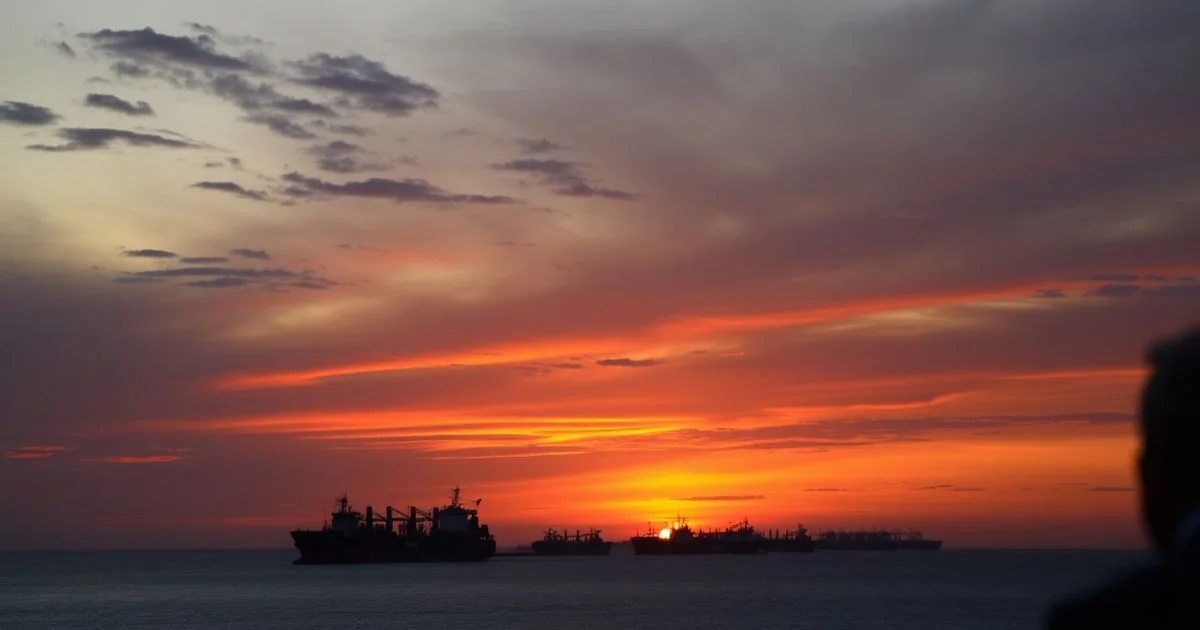
Trump's Iran Ultimatum: Strait of Hormuz Crisis Escalates
The geopolitical landscape remains on edge as Trump's Iran Ultimatum: Strait of Hormuz Crisis Escalates, bringing renewed focus to one of the world's most critical maritime chokepoints. This escalating situation involves intricate diplomatic maneuvers, military posturing, and profound economic implications that reverberate far beyond the immediate region. The international community watches closely as the United States and Iran navigate a delicate balance, with the strategic Strait of Hormuz at the heart of their contentious relationship, threatening regional stability and global energy supplies.
- A Volatile History: US-Iran Relations and the Strait of Hormuz
- Analyzing Trump's Iran Ultimatum and the Escalating Strait of Hormuz Crisis
- The Strait of Hormuz: A Strategic Chokepoint
- Regional and International Reactions
- Economic Repercussions of a Strait Closure
- Expert Analysis and Future Scenarios
- The Path Forward for Stability in the Gulf
- Conclusion
- Frequently Asked Questions
- Further Reading & Resources
A Volatile History: US-Iran Relations and the Strait of Hormuz
The relationship between the United States and Iran has been fraught with tension for decades, marked by periods of confrontation and uneasy ceasefires. The Strait of Hormuz, a narrow waterway connecting the Persian Gulf to the open ocean, has frequently been a flashpoint in this enduring rivalry. Its strategic importance cannot be overstated, as a significant portion of the world's oil supply transits through its waters daily. Any disruption here has immediate and severe global consequences.
The JCPOA and its Aftermath
The 2015 Joint Comprehensive Plan of Action (JCPOA), commonly known as the Iran nuclear deal, offered a brief respite from heightened tensions. However, in May 2018, the Trump administration withdrew from the agreement, re-imposing stringent sanctions on Iran's economy, particularly targeting its oil exports. This move significantly ratcheted up pressure on Tehran, leading to a cycle of escalation that profoundly impacted regional security and the global energy market. Iran viewed the withdrawal and subsequent sanctions as an act of economic warfare, vowing to resist the pressure campaign. This period also saw shifts in the broader role of soft power in 21st-century diplomacy, with economic leverage taking precedence.
Escalating Tensions: A Timeline of Confrontation
Following the U.S. withdrawal from the JCPOA, incidents in the region proliferated. These included attacks on oil tankers in the Gulf of Oman, drone shoot-downs, and seizures of commercial vessels, all attributed to or denied by Iran, depending on the event. Each incident served to further destabilize the already fragile regional security architecture. The U.S. responded by increasing its military presence in the Middle East, including deploying additional aircraft carriers and missile defense systems. The ongoing regional volatility has also been underscored by events such as Israel launching "wide-scale" strikes on Tehran amid rising tensions, highlighting the complex web of interactions.
Analyzing Trump's Iran Ultimatum and the Escalating Strait of Hormuz Crisis
The current crisis centers around a series of firm declarations from the former U.S. administration, often interpreted as ultimatums, demanding a cessation of what it deemed Iran's destabilizing regional activities and its pursuit of nuclear and ballistic missile programs. These demands, coupled with the "maximum pressure" campaign, placed Iran in an increasingly difficult economic position, further fueling the volatile standoff. The Strait of Hormuz became the primary stage for this confrontation.
The "Maximum Pressure" Campaign
The Trump administration's "maximum pressure" campaign aimed to compel Iran to negotiate a new, broader agreement addressing its nuclear program, ballistic missile development, and regional influence. This strategy involved comprehensive economic sanctions designed to cripple Iran's ability to fund its activities and exert pressure on its leadership. The sanctions significantly reduced Iran's oil revenue, its primary source of foreign currency. This approach was part of a broader set of policy decisions, reflecting a confrontational stance that was also seen in domestic actions such as Trump ordering a national voter list amid controversy.
Iranian Responses and Counter-Threats
In response to the U.S. pressure, Iran repeatedly threatened to close the Strait of Hormuz if it were prevented from exporting its own oil. Iranian officials have consistently stated that if Iran's oil exports are cut to zero, no other country in the region would be able to export oil either. This threat, while often viewed as rhetorical, underscored the potential for severe disruption and direct military confrontation. The Islamic Revolutionary Guard Corps (IRGC) frequently conducted naval exercises in the strait, demonstrating its capabilities. Furthermore, Iran has shown a willingness to engage in geopolitical escalations by threatening tech giants over perceived foreign interference or assassinations, illustrating its multifaceted response to external pressure.
The Strait of Hormuz: A Strategic Chokepoint
The Strait of Hormuz is more than just a shipping lane; it is a vital artery for the global economy. Approximately one-fifth of the world's total petroleum consumption, including nearly all oil exports from Saudi Arabia, Iran, UAE, Kuwait, and Iraq, passes through this narrow channel. Any interruption to this flow would send shockwaves through international energy markets.
Geography and Importance
At its narrowest point, the Strait of Hormuz is only about 21 nautical miles (39 kilometers) wide, with the shipping lanes themselves only two miles wide in each direction. This geographic constraint makes it highly vulnerable to disruption, whether intentional or accidental. The depth of the channel also dictates the types of vessels that can transit, adding to its strategic complexity.
Potential for Disruption
The methods of disruption could range from mining the strait, deploying fast attack craft, or even the accidental collision of vessels in a tense environment. Each scenario carries immense risks, not only for the immediate parties involved but for the entire global economy that relies on its unimpeded flow. Naval analysts often highlight the challenges of maintaining security in such a confined space.
Regional and International Reactions
The escalating crisis has elicited a wide range of reactions from regional powers and the international community. While some nations have aligned with the U.S. position, others have called for de-escalation and a return to diplomacy, fearing the broader implications of a regional conflict.
Gulf Arab States' Stance
Many Gulf Arab states, particularly Saudi Arabia and the UAE, share U.S. concerns about Iranian regional influence and ballistic missile development. However, they also have a vested interest in regional stability and the uninterrupted flow of oil through the Strait of Hormuz. Their reactions have often been a delicate balance between supporting U.S. pressure on Iran and urging restraint to prevent a direct military confrontation that could devastate their own economies. Some states have also sought to establish their own dialogue channels with Tehran.
European Powers' Diplomatic Efforts
European signatories of the JCPOA—France, Germany, and the United Kingdom—have consistently expressed regret over the U.S. withdrawal and have sought to preserve the deal. They have engaged in extensive diplomatic efforts to de-escalate tensions, including attempts to establish a special trade mechanism (INSTEX) to facilitate legitimate trade with Iran despite U.S. sanctions. Their primary concern has been preventing Iran from resuming its full nuclear enrichment activities.
China and Russia's Position
China and Russia, both permanent members of the UN Security Council, have generally opposed the U.S. "maximum pressure" campaign and have called for a diplomatic resolution to the crisis. Both nations maintain economic and strategic ties with Iran and view unilateral sanctions as counterproductive. They have also participated in joint naval exercises with Iran, signaling their opposition to what they perceive as external coercion.
Economic Repercussions of a Strait Closure
The potential closure or significant disruption of the Strait of Hormuz would have catastrophic economic consequences, far surpassing regional boundaries and impacting global markets instantly.
Global Oil Prices
Even the threat of disruption in the Strait of Hormuz can cause oil prices to spike, reflecting market anxiety and speculative trading. A prolonged closure would lead to an unprecedented surge in crude oil prices, potentially triggering a global recession. Countries heavily reliant on imported oil, especially in Asia and Europe, would face severe economic challenges. This demonstrates the powerful influence of geopolitical events on the fundamentals of supply and demand in tech markets and beyond.
Shipping and Insurance Costs
Beyond oil, all commercial shipping through the strait would be affected. Insurance premiums for vessels operating in the region have already seen increases during periods of heightened tension. A full closure would make shipping through the region prohibitively expensive, forcing vessels to reroute, incurring significant delays and additional costs, or halting entirely. This would impact not only energy but also other goods transiting the region.
Impact on Global Trade
The Persian Gulf is a crucial hub for global trade, connecting producers in the Middle East with markets worldwide. A crisis in the Strait of Hormuz would disrupt supply chains across numerous industries, leading to shortages, production halts, and higher consumer prices globally. The interconnected nature of modern economies means that localized disruption can quickly cascade into a worldwide economic shock.
Expert Analysis and Future Scenarios
Analysts and strategists have offered various perspectives on the current standoff, outlining potential pathways and their associated risks. The consensus remains that direct military conflict would be devastating for all parties involved.
Diplomatic Off-Ramps
Many experts argue that diplomatic off-ramps are crucial to de-escalate the situation. These could involve renewed negotiations, perhaps mediated by a third party, or confidence-building measures to reduce the risk of miscalculation. The challenge lies in finding common ground given the deep-seated distrust between Washington and Tehran. The ultimate goal for some is a return to a modified nuclear deal.
Risk of Miscalculation
The confined nature of the Strait of Hormuz, coupled with the frequent presence of naval assets from multiple nations, creates a high risk of accidental escalation. A minor incident could quickly spiral out of control, leading to an unintended military confrontation. Both sides are aware of this danger, yet their military posturing continues.
Iran's Strategic Calculus
Iran's leadership faces immense internal and external pressure. While they have historically demonstrated a willingness to push boundaries, their actions are also carefully calculated to avoid full-scale war, which they understand would be catastrophic for their nation. Their strategy often involves asymmetric warfare and leveraging regional proxies.
The Path Forward for Stability in the Gulf
Achieving lasting stability in the Persian Gulf and mitigating the risks associated with Trump's Iran Ultimatum: Strait of Hormuz Crisis Escalates requires a multi-faceted approach involving diplomatic engagement, regional dialogue, and international cooperation.
Renewed Diplomatic Engagement
A return to direct and meaningful diplomatic engagement between the U.S. and Iran is paramount. This would likely involve difficult negotiations but offers the most viable path to de-escalation and a long-term resolution. Any future agreement would need to address not only nuclear issues but also regional security concerns.
Regional Security Framework
Establishing a broader regional security framework that includes all Gulf states and Iran could help foster trust and reduce tensions. Such a framework could include mechanisms for dialogue, conflict resolution, and transparency regarding military activities. This would move away from a zero-sum game mentality towards cooperative security.
International Cooperation
The international community, particularly major powers with economic interests in the region, has a critical role to play in encouraging de-escalation and supporting diplomatic initiatives. Collective pressure and mediation efforts can create an environment conducive to peaceful resolution. Organizations like the United Nations may also play a more active role.
Conclusion
The ongoing tensions stemming from Trump's Iran Ultimatum: Strait of Hormuz Crisis Escalates highlight the precarious state of international relations and the critical importance of strategic waterways. The potential for miscalculation remains high, with severe economic and geopolitical consequences for the entire world. A concerted global effort towards diplomacy, de-escalation, and comprehensive regional security architecture is urgently needed to avert a broader conflict and ensure the stability of this vital global chokepoint. The lessons learned from this period will undoubtedly shape future foreign policy approaches to complex international standoffs.
Frequently Asked Questions
Q: Why is the Strait of Hormuz so strategically important?
A: The Strait of Hormuz is a crucial global chokepoint as approximately one-fifth of the world's total petroleum consumption, including nearly all oil exports from major Middle Eastern producers, transits through its narrow waters daily. Any disruption there causes immediate, severe global economic consequences.
Q: What was the "maximum pressure" campaign against Iran?
A: The "maximum pressure" campaign was a U.S. strategy, primarily under the Trump administration, involving comprehensive economic sanctions designed to cripple Iran's ability to fund its activities and compel it to negotiate a new, broader nuclear agreement and cease destabilizing regional actions.
Q: What are the potential global economic impacts of a crisis in the Strait of Hormuz?
A: A crisis or closure of the Strait would lead to an unprecedented surge in global oil prices, potentially triggering a worldwide recession. It would also significantly increase shipping and insurance costs, disrupt supply chains across numerous industries, and cause shortages and higher consumer prices globally.