Trump Eyes Iran's Kharg Island: A New Geopolitical Flashpoint
Recent discussions and strategic analyses suggest that former President Donald Trump may be turning his attention towards Iran's critical oil export hub, Kharg Island, signaling a potential new geopolitical flashpoint. This renewed focus on Trump Eyes Iran's Kharg Island as a potential point of leverage or concern highlights the persistent volatility of U.S.-Iran relations. The island's strategic importance in global energy markets makes any mention of it from such a prominent political figure a significant development, warranting close examination of the potential implications and historical context.
- The Strategic Jewel: Kharg Island's Indispensable Role
- Historical Context: A Volatile U.S.-Iran Relationship
- Trump Eyes Iran's Kharg Island: Motivations and Strategic Levers
- Global Impact and International Reactions
- The Future Outlook: Challenges and Diplomatic Paths
- Conclusion: Enduring Tensions and the Future of U.S.-Iran Relations
- Frequently Asked Questions
- Further Reading & Resources
The Strategic Jewel: Kharg Island's Indispensable Role
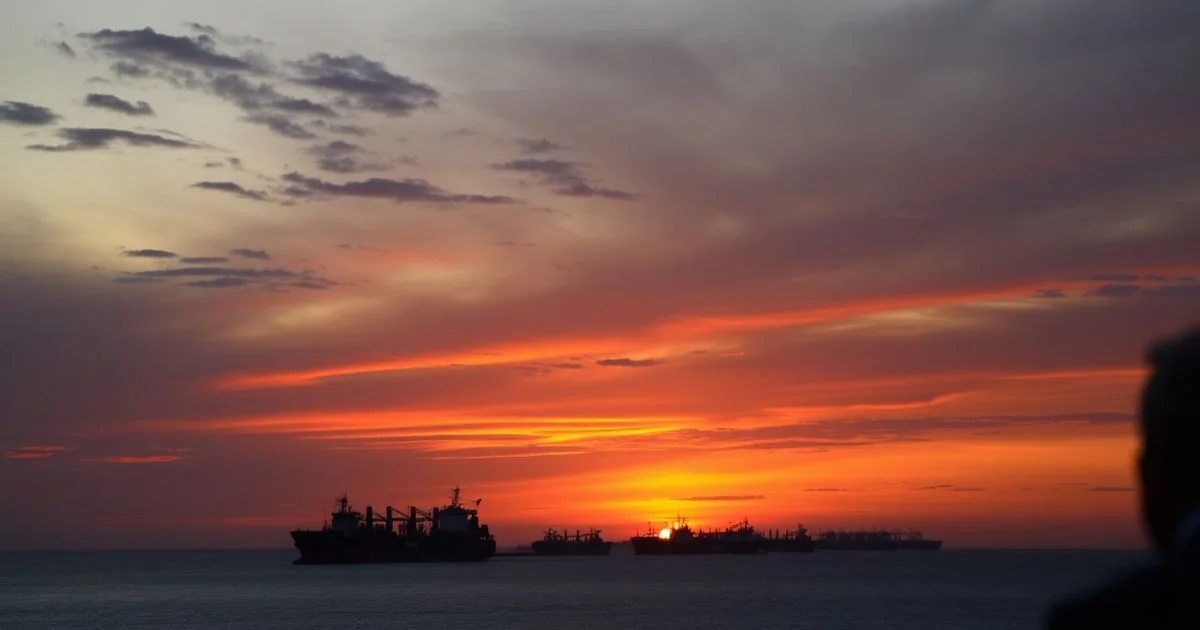
Kharg Island, situated in the Persian Gulf approximately 25 kilometers (16 miles) off the coast of Iran, is far more than just a piece of land; it is the lynchpin of Iran's oil export infrastructure. This small island hosts the country's primary oil terminal, through which the vast majority of Iranian crude oil exports pass, making it an existential asset for the nation. Its strategic location and extensive facilities, including a sophisticated network of pipelines, massive storage tanks, and multiple deepwater jetties capable of handling supertankers, make it an indispensable asset for Tehran's economy and its ability to fund state operations, including its regional foreign policy initiatives.
The island's facilities are designed for high-volume throughput, allowing Iran to efficiently transport its vast oil reserves to global markets. This robust infrastructure not only serves as a vital economic artery but also possesses historical resilience, having been extensively targeted and rebuilt during the Iran-Iraq War. Any disruption to operations at Kharg Island, whether due to sanctions or conflict, would have immediate and severe repercussions for Iran's financial stability, its capacity to engage on the international stage, and consequently, global oil prices. The strategic control of Kharg Island directly correlates with Iran's economic lifeline, making it a critical choke point in the geopolitical landscape of the Middle East.
Historical Context: A Volatile U.S.-Iran Relationship
The relationship between the United States and Iran has been characterized by decades of mistrust, confrontation, and periods of intense tension. Following the 1979 Iranian Revolution, diplomatic ties were severed, leading to a complex interplay of sanctions, proxy conflicts, and periodic attempts at negotiation. The U.S. has historically sought to curtail Iran's nuclear program and its alleged support for militant groups in the Middle East, often employing economic sanctions as a primary tool. Understanding the intricate history of global maritime trade routes helps contextualize the importance of these energy corridors.
During the Trump administration (2017-2021), tensions escalated significantly following the U.S. withdrawal from the Joint Comprehensive Plan of Action (JCPOA), commonly known as the Iran nuclear deal, in 2018. This withdrawal was accompanied by the re-imposition and expansion of stringent sanctions aimed at crippling Iran's oil exports and financial sector. The "maximum pressure" campaign sought to force Iran back to the negotiating table for a more comprehensive agreement. This historical backdrop is crucial for understanding any renewed U.S. interest in Iran's vital energy infrastructure, as it suggests a continuation or re-evaluation of past strategies designed to exert profound economic pressure. This period also saw significant global discussions around understanding the fundamentals of inflation and macroeconomics as energy market volatility increased.
The Era of "Maximum Pressure"
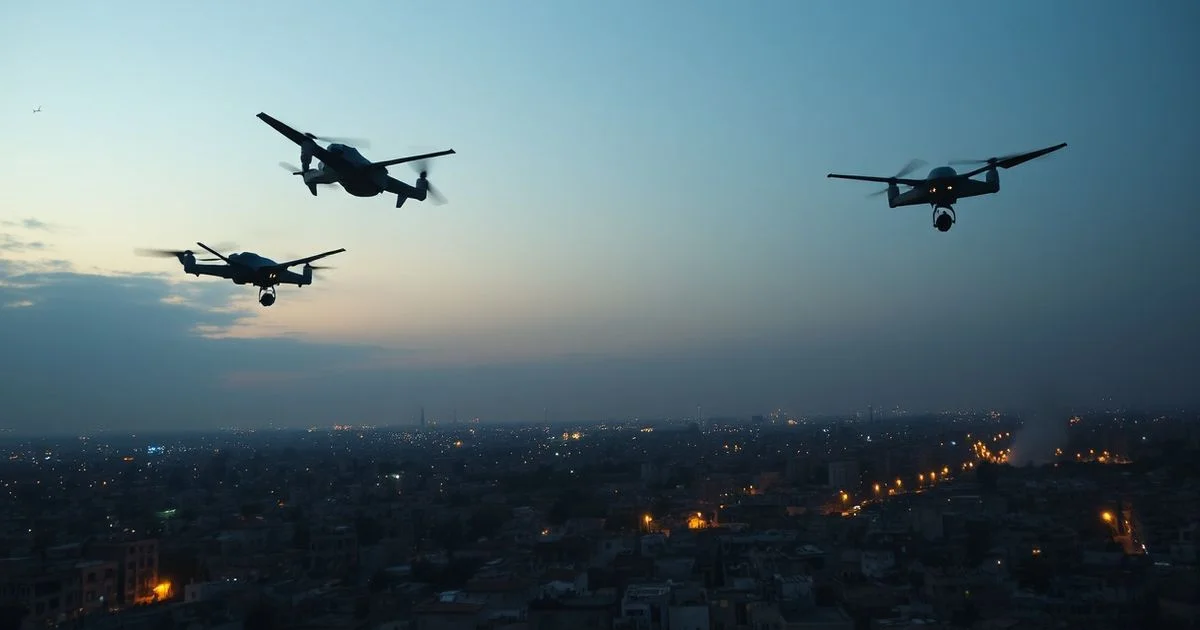
The "maximum pressure" campaign directly targeted Iran's ability to export oil, with Kharg Island becoming a pivotal focal point of U.S. economic strategy. While direct military action against the island was never publicly pursued, the sanctions created immense challenges for international buyers and insurers, severely limiting Iran's oil sales by over 80% at their peak. This period was marked by increased U.S. military presence in the Persian Gulf, a series of incidents involving oil tankers, and drone attacks, such as the downing of a U.S. surveillance drone by Iran in June 2019, further heightening regional instability. These actions demonstrated the Trump administration's willingness to push the boundaries of economic and military deterrence. The potential for U.S. leaders to again consider such economic leverage, or even more direct pressures, underscores the lasting impact of this period on both nations' strategic thinking and the broader Middle East on edge with new strikes escalating tensions regionally.
Trump Eyes Iran's Kharg Island: Motivations and Strategic Levers
The potential for former President Trump, or any U.S. administration, to scrutinize Kharg Island stems from its unparalleled economic and strategic value to Iran. Understanding this focus requires examining several key dimensions:
-
Economic Leverage: Kharg Island is Iran's primary gateway for oil exports. By signaling an interest in this critical facility, it could be perceived as a re-emphasis on economic pressure. Restricting Iran's ability to sell oil directly impacts its revenue, which is vital for its government, military, and regional activities. The goal is often to curtail funding for Iran's nuclear program, ballistic missile development, and support for proxy forces across the Middle East.
-
Geopolitical Signal: A focus on such a critical asset sends a strong geopolitical message to Iran and the wider international community. It could be interpreted as a warning or a demonstration of intent to counter perceived Iranian threats or destabilizing actions in the Middle East. This could range from signaling a tougher stance on nuclear proliferation to pushing back against its regional proxy networks and maritime aggression in vital shipping lanes.
-
Regional Stability Concerns: The Persian Gulf is a vital waterway for global oil shipments. Any perceived threat to this region, whether from Iran or in response to its actions, immediately raises international concerns about energy security and global economic stability. Monitoring key Iranian infrastructure like Kharg Island could be framed as a measure to deter escalation, ensure freedom of navigation through the Strait of Hormuz, or signal a proactive posture against perceived threats to allied interests in the Gulf.
-
Domestic Political Considerations: For a political figure like Donald Trump, emphasizing a strong stance against perceived adversaries like Iran often resonates with a specific domestic political base. Highlighting interest in a key Iranian asset could be part of a broader foreign policy platform aimed at projecting strength and protecting U.S. interests abroad, aligning with past rhetoric such as his 'Cuba is Next' remark which ignited Cold War fears.
Past Rhetoric and Future Implications
Throughout his presidency, Donald Trump often employed strong rhetoric regarding Iran, frequently calling for a tougher approach than his predecessors. His administration was not shy about targeting specific Iranian economic sectors and entities. Therefore, a renewed focus on Trump Eyes Iran's Kharg Island aligns with a historical pattern of attempting to isolate and pressure the Iranian regime through its economic vulnerabilities. This approach, if pursued again, would likely aim to force concessions on issues ranging from nuclear enrichment to ballistic missile development and regional influence, without necessarily involving direct military confrontation. The aim would be to create such economic hardship that Iran would be compelled to alter its foreign and domestic policies significantly.
Global Impact and International Reactions
Any heightened U.S. attention, particularly from a figure with a history of assertive foreign policy, on a critical global energy hub like Kharg Island would undoubtedly trigger significant international reactions. The implications could span economic, political, and security spheres, affecting a multitude of state and non-state actors.
Economic Reverberations
Global energy markets are highly sensitive to geopolitical tensions in the Middle East. Even the perception of a threat to Iranian oil exports could cause crude oil prices to spike, impacting economies worldwide. Major oil-importing nations, particularly in Asia (e.g., China, India, Japan, South Korea) and Europe, would closely monitor any developments, fearing disruptions to their supply chains and increased energy costs. These nations often have extensive trade ties that could be jeopardized. The stability of the Strait of Hormuz, through which a significant portion of the world's seaborne oil passes, is intrinsically linked to the situation around Kharg Island, making global energy security paramount. Insurance premiums for shipping in the region would skyrocket, further impacting global trade.
Diplomatic Scrambles
Allies and adversaries alike would likely respond to such a development. European nations, traditionally advocates for diplomatic engagement with Iran and supporters of the JCPOA, might express deep concern over escalating tensions and push strongly for de-escalation through multilateral channels. Russia and China, both with significant economic and strategic ties to Iran, would likely condemn any perceived aggressive U.S. posture and advocate for stability in the region, potentially offering Iran political and economic support to counter U.S. pressure. The United Nations, the International Atomic Energy Agency (IAEA), and other international bodies would likely call for restraint and adherence to international law, emphasizing the need for peaceful resolution of disputes and warning against actions that could destabilize global security. This could lead to a diplomatic race to either reinforce or challenge any U.S. stance. Furthermore, it might prompt discussions around understanding the history of major international alliances and their roles in mediating such conflicts.
Regional Security Dynamics
In the Middle East, a focus on Kharg Island could intensify existing rivalries and security concerns. Saudi Arabia, the UAE, Israel, and other Gulf states, while often aligned with U.S. strategic objectives regarding Iran, would also be acutely wary of any actions that could destabilize the region and potentially draw them into conflict. Iran itself would almost certainly view any perceived threat to Kharg Island as an existential challenge to its sovereignty and economic survival, potentially leading to retaliatory measures. This could involve increased naval activity in the Persian Gulf, a renewed focus on enhancing its asymmetric warfare capabilities, or further support for proxy groups in Iraq, Syria, Yemen, or Lebanon, thereby creating a dangerous cycle of escalation that could spiral out of control. The risk of miscalculation between naval forces in the narrow confines of the Gulf would dramatically increase.
The Future Outlook: Challenges and Diplomatic Paths
The hypothetical scenario of a renewed U.S. focus on Kharg Island presents a complex array of challenges and highlights the critical need for thoughtful diplomacy. Given the interconnectedness of global energy markets and the highly sensitive nature of U.S.-Iran relations, outright confrontation carries immense risks for all parties involved and for global stability.
Potential Challenges
- Escalation Risk: Directly targeting or overtly threatening Iran's primary oil export facility could be seen as an act of war, risking a rapid and dangerous escalation of hostilities in the Persian Gulf. Iran has historically vowed to retaliate against any attacks on its sovereignty or critical infrastructure, potentially targeting shipping or regional U.S. assets.
- Economic Blowback: While intended to pressure Iran, severe disruptions to Iranian oil exports could lead to global economic instability, hurting U.S. allies and potentially even the U.S. economy through higher energy prices. Such disruptions could also inadvertently strengthen the resolve of certain hardline factions within Iran, diminishing the chances of a diplomatic breakthrough.
- International Isolation: An overly aggressive stance might alienate key U.S. allies who prefer a diplomatic approach and adherence to international agreements, potentially undermining broader international efforts to address Iranian challenges and leading to a fragmented global response.
- Humanitarian Concerns: Any significant conflict or prolonged economic siege would inevitably have severe humanitarian consequences for the Iranian populace, potentially leading to widespread suffering and further destabilizing an already volatile region.
Avenues for Diplomacy
Despite the challenges, diplomatic avenues always remain crucial. Any strategy involving heightened attention on Kharg Island, if it were to occur, would ideally be coupled with clear diplomatic off-ramps and conditions for de-escalation. This could involve:
- Multilateral Engagement: Working with international partners through forums like the P5+1 or the UN Security Council to present a united front and offer a path for negotiation on key issues like the nuclear program, regional stability, and human rights.
- Direct Communication Channels: Establishing or re-establishing direct lines of communication between Washington and Tehran to prevent miscalculation, manage crises effectively, and explore potential areas of de-escalation.
- Incentivized Negotiations: Offering economic or diplomatic incentives for Iran to comply with international norms and de-escalate regional tensions, rather than relying solely on punitive measures, creating a balance between pressure and persuasion.
- Strategic Deterrence: While maintaining a strong deterrent posture, ensuring that any actions are clearly defensive and aimed at preventing aggression, rather than provoking it, thereby signaling resolve without inviting unnecessary conflict.
The long-term stability of the Middle East, and indeed global energy security, depends on navigating these complex dynamics with prudence and a clear understanding of both the risks and the potential rewards of various strategic approaches.
Conclusion: Enduring Tensions and the Future of U.S.-Iran Relations
The mere contemplation that Trump Eyes Iran's Kharg Island underscores the persistent and often volatile nature of U.S.-Iran relations, even years after a presidential term concludes. Kharg Island remains an irreplaceable economic artery for Iran, making it a natural point of focus for any strategy aimed at influencing Tehran's behavior. The historical context of "maximum pressure" and the potential for severe economic and geopolitical repercussions mean that any such interest is met with intense scrutiny globally.
As the international community watches, the future of U.S.-Iran interactions around critical assets like Kharg Island will undoubtedly shape not only regional stability but also global energy markets and diplomatic alignments. The intricate web of historical grievances, strategic imperatives, and economic vulnerabilities ensures that this particular geopolitical flashpoint will remain a significant concern for years to come, demanding careful consideration and nuanced diplomatic engagement to avert broader conflict.
Frequently Asked Questions
Q: What is Kharg Island's significance to Iran?
A: Kharg Island is Iran's primary oil export terminal, handling the vast majority of its crude oil. Its strategic location in the Persian Gulf makes it an indispensable economic asset for the country, crucial for funding state operations and maintaining its presence in global energy markets.
Q: What was the "maximum pressure" campaign and how did it affect Iran?
A: The "maximum pressure" campaign was a U.S. foreign policy strategy under the Trump administration that involved re-imposing and expanding stringent economic sanctions aimed at crippling Iran's oil exports and financial sector. This severely limited Iran's oil sales and significantly heightened regional tensions.
Q: How would international partners react to increased U.S. focus on Kharg Island?
A: International reactions would likely be mixed. European allies might express concern over escalating tensions and advocate for diplomatic solutions. Russia and China, with their own ties to Iran, would likely condemn perceived aggressive U.S. actions. Regional Gulf states would be wary of any destabilization.
Further Reading & Resources
- The Strait of Hormuz: A Critical Choke Point
- Iran's Oil Sector: Sanctions and Future Prospects
- U.S. Relations With Iran