Tiger Woods Arrested for DUI, Steps Away from Golf: A Career Crossroads
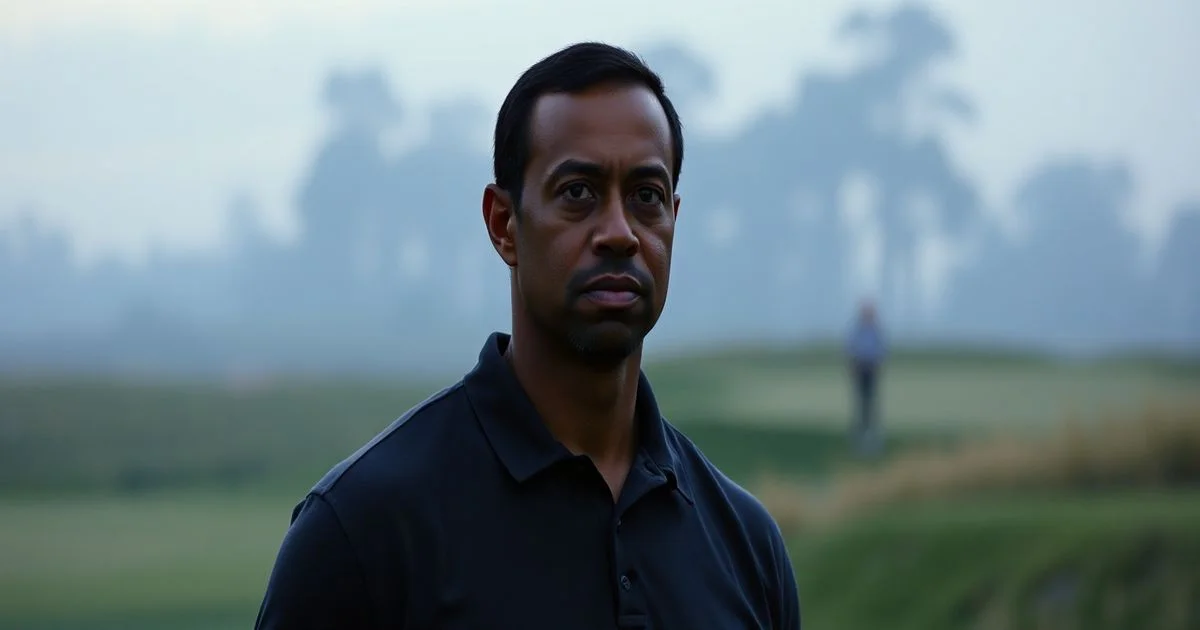
The world of golf, and indeed the broader sports community, was once again rocked by startling news in late March 2026 when legendary golfer Tiger Woods was arrested for DUI following a single-vehicle accident near his Florida home. This latest incident, coupled with his subsequent public announcement that he is stepping away from golf to focus on his health and well-being, marks a significant career crossroads for one of the most iconic figures in sporting history. The developments sent ripples across news outlets, reigniting discussions about the pressures faced by elite athletes and the personal battles fought behind the scenes. This unfolding narrative ensures that "Tiger Woods Arrested for DUI, Steps Away from Golf" remains a prominent and poignant headline, prompting reflection on both his past struggles and uncertain future.
- The Incident: Tiger Woods Arrested for DUI in March 2026
- Tiger Woods Steps Away from Golf: A Statement of Intent
- The Road Ahead: Impact on Career and Public Image
- Conclusion: Tiger Woods Arrested for DUI, Steps Away from Golf – A Defining Moment
- Frequently Asked Questions
- Further Reading & Resources
The Incident: Tiger Woods Arrested for DUI in March 2026
On Friday afternoon, March 27, 2026, golf icon Tiger Woods was involved in a rollover car crash on Jupiter Island, Florida. The incident, occurring near his residence, saw Woods' Land Rover collide with the rear of a truck pulling a trailer, causing his SUV to roll onto its side. While neither Woods nor the driver of the other vehicle sustained serious injuries, the circumstances surrounding the accident quickly escalated into a high-profile legal matter, defining the initial moment "Tiger Woods Arrested for DUI".
Responding deputies observed several signs of impairment in Woods at the scene. His movements were described as lethargic and slow, his eyes bloodshot and glassy, and his pupils dilated. Despite these observations, a breathalyzer test administered by deputies registered 0.00, indicating no alcohol was in his system. However, Woods admitted to officers that he had been looking down at his cell phone and changing the radio station just before the crash, failing to notice the vehicle in front of him slowing down. Furthermore, deputies found two white pills identified as hydrocodone, a prescription opioid, in his pocket during their investigation. Woods also stated that he had taken "a few" prescription pills prior to the incident. These factors led to his arrest on suspicion of driving under the influence (DUI) with property damage.
Signs of Impairment and Legal Ramifications
The absence of alcohol in Woods' system shifted the focus of the DUI investigation to potential impairment by prescription medications. Deputies conducted various field sobriety tests, noting varying levels of success and failure in Woods' performance. Ultimately, the arresting deputy concluded that Woods' "normal faculties were impaired" and that he was unable to safely operate a motor vehicle.
A significant aspect of the legal proceedings stemmed from Woods' refusal to submit to a urine test. Under Florida law, particularly with the recent implementation of "Trenton's Law" in October 2025, refusing such a test during a DUI arrest can itself be considered a misdemeanor. This law imposes increased penalties for impaired driving cases, requiring suspects to be informed that failure to provide a breath or urine sample can result in a first or second-degree misdemeanor, potentially leading to driver's license suspension and a minimum of 30 days in jail. Legal experts noted that prosecutors could still build a DUI case using deputy testimony and video evidence from the investigation, even without a urine test providing definitive lab results for substances. The reliance on observed impairment and circumstantial evidence, rather than direct toxicological proof, often makes these cases complex and subject to intense legal scrutiny, requiring careful presentation of all available evidence.
Following his arrest, Woods was booked into Martin County Jail, held for the standard eight hours per Florida DUI protocol, and subsequently released on bail. He later entered a written plea of not guilty to the DUI charges and requested a jury trial, waiving his appearance at an upcoming arraignment hearing. This legal strategy suggests a robust defense against the allegations of impaired driving and highlights the complexities involved in such cases.
Tiger Woods Steps Away from Golf: A Statement of Intent
Just four days after his arrest, on Tuesday, March 31, 2026, Tiger Woods released a public statement on his social media channels, addressing the gravity of the situation. In his statement, Woods acknowledged the seriousness of his predicament and announced his decision to step away from competitive golf and public life "for a period of time to seek treatment and focus on [his] health". He emphasized that this step was "necessary in order for [him] to prioritize [his] well-being and work toward lasting recovery".
Woods further expressed his commitment to returning "in a healthier, stronger, and more focused place, both personally and professionally". He concluded by appreciating public understanding and support, while requesting privacy for himself and his family. The PGA Tour responded to Woods' announcement with a statement of its own, affirming their full support for him as he embarked on this important step towards recovery. This public declaration underscores the personal and professional challenges facing Woods and his determination to address his health issues head-on.
A History of Challenges: Injuries and Past Legal Troubles
The March 2026 DUI arrest and Woods' subsequent decision to step away from golf are not isolated incidents but rather the latest chapter in a career marked by both unparalleled triumph and significant personal struggles. Woods has a well-documented history of physical ailments, particularly severe back problems that have necessitated numerous surgeries. He underwent four back surgeries between 2014 and 2017 alone, including a crucial spinal fusion surgery in April 2017. Before that procedure, he described himself as barely able to walk or play with his children, with chronic pain making basic daily activities nearly impossible. Many medical experts and golf professionals at the time considered spinal fusion to be a career-ending procedure for a golfer. Despite this, Woods made an improbable comeback, culminating in his memorable 2019 Masters victory.
More recently, Woods had undergone his seventh back surgery in September, a microdecompression surgery for nerve impingement, followed by another lumbar disc replacement surgery in October 2025. The March 2026 crash occurred shortly after he had made a competitive return in the TGL golf league finals, signaling his ongoing efforts to manage his health while competing. At the time of the arrest, he was reportedly weighing his fitness for the upcoming Masters Tournament and considering the captaincy for the 2027 Ryder Cup.
This is also not Woods' first encounter with DUI charges. In May 2017, he was arrested in Jupiter, Florida, after being found asleep behind the wheel of his car with the engine running. Toxicology reports from that incident revealed the presence of five drugs in his system, including Vicodin, Dilaudid, Xanax, Ambien, and THC. He attributed this to "an unexpected reaction to prescribed medications" and explicitly stated that alcohol was not involved. Woods subsequently pleaded guilty to reckless driving, entered a diversion program, and received professional help to manage his medication intake. These previous incidents highlight a pattern of health struggles, often involving prescription medications, that have impacted his career and personal life.
The Road Ahead: Impact on Career and Public Image
The latest DUI arrest and Tiger Woods' announcement to step away from golf have cast a renewed shadow over his already tumultuous career. While the exact duration of his absence and the timeline for his treatment remain unspecified, the implications for his future in professional golf are significant. His decision to prioritize his health underscores the immense physical and mental toll that years of elite competition and multiple injuries have taken. The immediate impact includes his absence from upcoming tournaments, notably the Masters, which was just weeks away at the time of his arrest.
Beyond the immediate competition, the incident raises questions about his long-term competitive viability and his legacy. Woods has consistently defied expectations, staging incredible comebacks from injuries that many considered career-ending. However, each setback adds another layer of complexity to his narrative. Sponsors, who have largely stood by him through previous controversies, will undoubtedly be monitoring the situation closely, as such incidents can affect brand perception. His public image, carefully rebuilt after past scandals and his 2019 Masters triumph, faces another challenging period of scrutiny. The empathy from fans, however, remains a powerful force, as many recognize the human struggle beneath the extraordinary athletic talent. The dynamics of this public perception are often explored in articles like The Deep Psychology of Fan Loyalty in Professional Team Sports.
The Demands of Elite Sport and Personal Well-being
Tiger Woods' journey serves as a powerful, albeit often difficult, illustration of the intense pressures placed upon elite athletes. The relentless pursuit of greatness, combined with the physical demands of professional sports, can lead to a cycle of injury, pain, and reliance on medication for recovery and management. Woods' repeated struggles with back injuries and his admissions regarding prescribed medications highlight a broader issue within professional sports concerning athlete welfare, pain management, and mental health. For insights into proactive approaches to athlete health, you might find Strategies for Maintaining Long-Term Physical Mobility useful.
The public's fascination with Woods' career, both on and off the course, reflects the unique position athletes hold in modern society. They are simultaneously revered for their superhuman abilities and scrutinized for their human frailties. This incident prompts a broader discussion about the support systems available to athletes, the stigma associated with seeking help for physical and mental health issues, and the need for a holistic approach to well-being that extends beyond mere physical rehabilitation. Woods' courageous decision to publicly address his need for treatment could, in the long run, contribute positively to the conversation around athlete well-being, encouraging others to prioritize their health.
Conclusion: Tiger Woods Arrested for DUI, Steps Away from Golf – A Defining Moment
The March 2026 arrest for DUI and Tiger Woods' subsequent decision to step away from the game represent another profoundly challenging chapter in the life of a sporting legend. His commitment to seeking treatment for his health underscores the ongoing personal battles he faces, often out of the public eye. This latest event, falling under the headline "Tiger Woods Arrested for DUI, Steps Away from Golf," forces a re-evaluation of his future in golf and reinforces the human element behind the athletic persona. While the path to recovery and a potential return to competitive golf will undoubtedly be arduous, Woods' history has shown his remarkable resilience. The golf world, and his legions of fans, will be watching closely as he navigates this crucial period, hoping for a comprehensive recovery that allows him to return to a healthier and more stable life, both personally and professionally. His ability to overcome adversity has been a hallmark of his career, and this moment will undoubtedly be seen as a defining one in his extraordinary journey.
Frequently Asked Questions
Q: What happened with Tiger Woods in March 2026?
A: Golf legend Tiger Woods was arrested for DUI on March 27, 2026, following a single-vehicle accident near his Florida home. Despite a breathalyzer test registering 0.00, deputies suspected impairment due to prescription medications found at the scene and his performance on field sobriety tests.
Q: Why did Tiger Woods step away from golf?
A: Woods publicly announced his decision to step away from competitive golf to seek treatment and focus on his health and well-being. This was a direct response to the DUI incident and his ongoing struggles with physical injuries and medication management, aiming for lasting recovery.
Q: What are the potential long-term impacts on his career?
A: The incident raises significant concerns about his competitive future, especially given his history of severe injuries and a previous DUI arrest. While his resilience is notable, this marks another substantial challenge that could affect his return to the PGA Tour and his public image.