Tiger Woods Arrested for DUI, Steps Away from Golf: A Career Crossroads
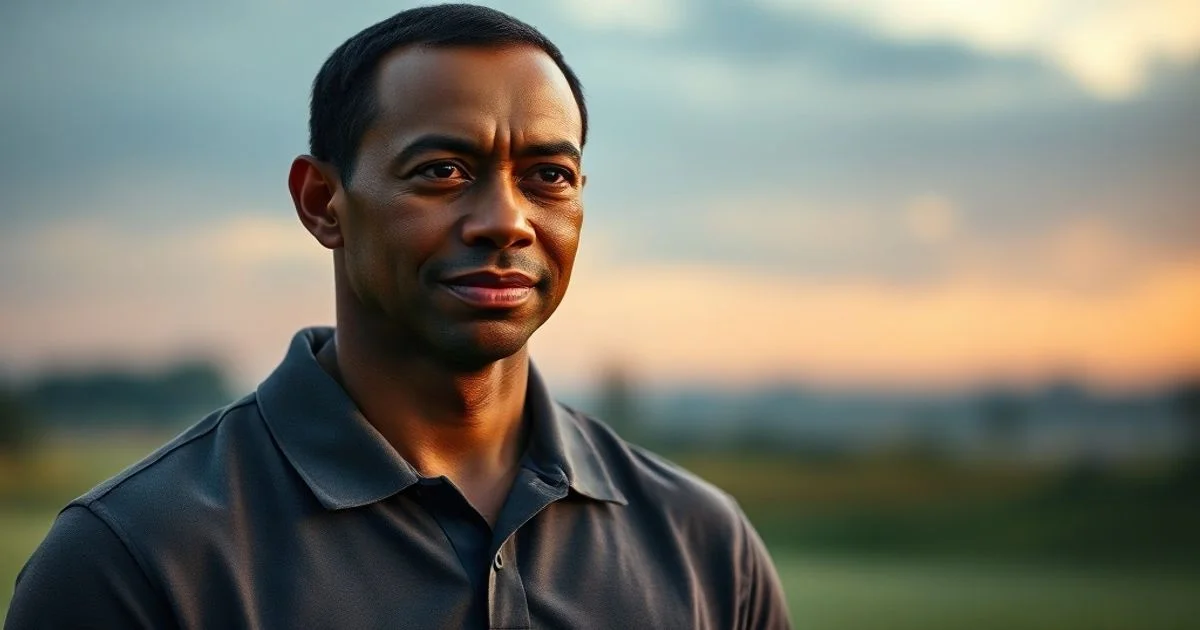
The world of golf was sent into a profound shockwave this week as news broke that legendary athlete Tiger Woods was arrested for DUI, Steps Away from Golf was confirmed. This pivotal moment marks a significant career crossroads for one of the sport's most iconic figures, with immediate and long-lasting implications for his future on and off the course. The announcement of his decision to step away from competitive play has sparked widespread discussion across the sports world and beyond, prompting fans and commentators alike to ponder the next chapter for a man who has redefined the sport.
Background Context: The Road Leading to the Arrest
Tiger Woods' career has been a rollercoaster of unparalleled triumphs and well-documented personal struggles. From his historic Masters victory in 1997, which heralded a new era in golf, to his record-setting performances and multiple major championships, Woods dominated the sport like no other before him. His magnetic presence brought golf to a mainstream audience, attracting millions of new fans and unprecedented television ratings. However, his journey has also been punctuated by significant setbacks, including a highly publicized scandal in 2009 that led to a hiatus from the game and multiple debilitating injuries that have plagued his physical health for years. Each comeback, particularly his inspiring 2019 Masters win, was met with fervent enthusiasm, cementing his status as one of the most resilient athletes in history. His ongoing battles with injuries, however, have kept him from consistent play, leading to periods of absence from the PGA Tour. This latest incident, an arrest for driving under the influence (DUI), adds another layer of complexity to his already intricate public narrative, raising serious questions about his well-being and his path forward. For a deeper dive into previous events, consider reading about Tiger Woods' career crossroads.
The Incident Unfolds
Details surrounding the arrest began to emerge quickly, painting a picture of an unexpected and concerning event. Reports indicate that Woods was found by law enforcement officers early in the morning, leading to his subsequent arrest on suspicion of DUI. The incident occurred in a residential area, drawing immediate local attention before quickly escalating into national and international news. Initial reports from local authorities described the circumstances of the stop and the procedures followed, including field sobriety tests. The suddenness of the news left many stunned, given Woods' public persona and his recent efforts to focus on his health and family life. The immediate aftermath saw a flurry of statements from various parties, including representatives for Woods, confirming the arrest and attempting to provide initial context.
Initial Reactions and Public Statement
The public and media reaction to the news of Tiger Woods' arrest was swift and varied. Social media platforms erupted with discussions, ranging from shock and disappointment to concern and sympathy. Many fans expressed sadness over seeing their idol once again in a difficult situation, while others debated the implications for his legacy. Golf analysts and former players offered their perspectives, often highlighting the pressures that come with a life lived in the public eye. Shortly after the news broke, a statement attributed to Tiger Woods was released. This statement acknowledged the arrest and expressed an understanding of the seriousness of the situation. It also provided some insight into the factors contributing to the incident, although specific details remained limited initially. The statement typically sought to reassure fans that Woods was taking the matter seriously and was committed to addressing the underlying issues.
Tiger Woods Arrested for DUI: Legal Pathway and Charges
The legal process following a DUI arrest, especially for a high-profile individual like Tiger Woods, involves several critical stages, each with its own set of procedures and potential outcomes. Understanding these steps is crucial to comprehending the gravity of the situation and the path ahead for the golf icon. The specifics of the charges against Woods will determine the severity of the legal consequences he may face.
DUI Details and Arrest Report
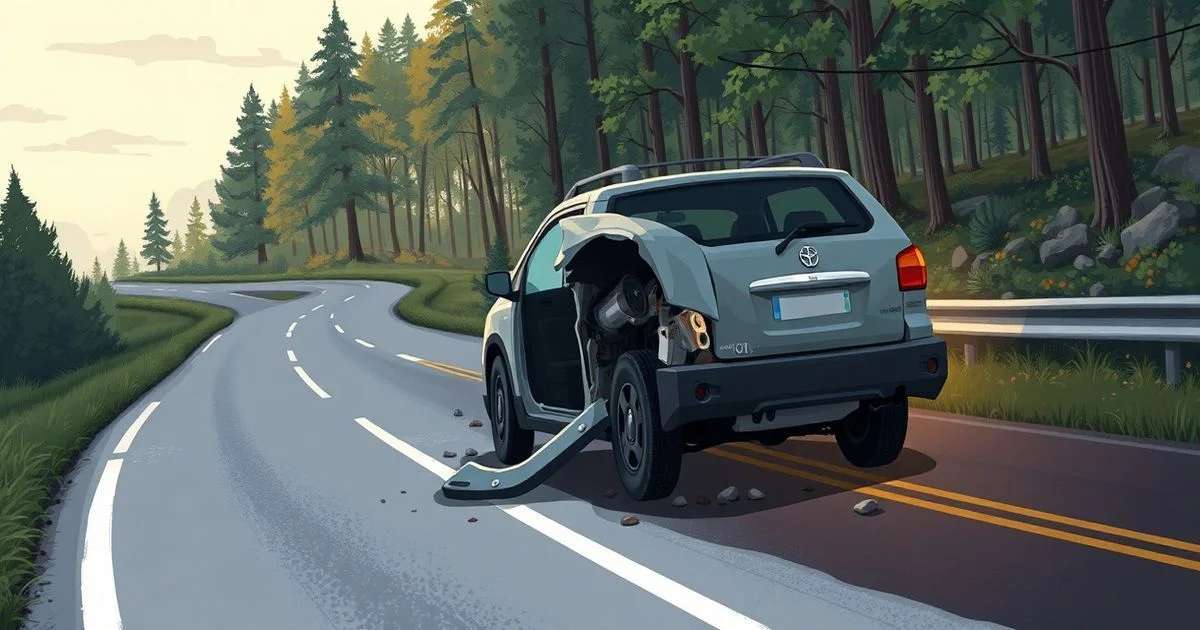
According to reports, the arrest occurred after law enforcement officers observed Woods' vehicle in an unusual state or location. The arrest report, a public document, typically details the time, location, and circumstances of the stop, observations made by the arresting officer, and the results of any field sobriety tests administered at the scene. These tests are designed to assess a driver's impairment and can include walking in a straight line, standing on one leg, and following a moving object with their eyes. For a DUI charge, law enforcement also typically collects evidence such as breathalyzer readings or blood samples to determine the driver's blood alcohol content (BAC) or the presence of other substances. The legal limit for BAC in most jurisdictions is 0.08%. Any reading above this threshold, or evidence of impairment by other substances, can lead to a formal DUI charge. The report also lists the specific statutes violated and any additional charges, such as reckless driving or property damage, if applicable. These documents form the foundation of the prosecution's case. Furthermore, police often document any physical signs of intoxication, such as slurred speech, bloodshot eyes, or the odor of alcohol, which can further strengthen the prosecution's evidence.
Potential Penalties and Court Proceedings
The legal ramifications for a DUI conviction can vary significantly based on state laws, the specific circumstances of the arrest, and whether it is a first offense or a repeat violation. For a first-time DUI offense, common penalties can include fines, mandatory attendance at DUI education programs, probation, community service, and a temporary suspension of driving privileges. Fines for a first DUI can range from several hundred to several thousand dollars, depending on the state and specific aggravating factors. In some cases, an ignition interlock device may be mandated, requiring the driver to pass a breathalyzer test before the vehicle will start. More severe or repeat offenses can lead to longer license suspensions, significantly higher fines, and even jail time. Some states require mandatory jail time even for a first offense, particularly with high BAC levels or if minors were in the vehicle.
The court proceedings typically begin with an arraignment, where Woods would officially enter a plea. Depending on the plea, the case could proceed to pre-trial hearings, negotiations between the prosecution and defense, and potentially a trial. Most DUI cases involve plea negotiations between the attorney and the prosecutor, often aiming for a reduced charge or alternative sentencing in exchange for a guilty plea. In many states, a driver's license can be administratively suspended shortly after the arrest unless a timely hearing is requested, often within a limited timeframe like 7 to 30 days. This administrative action is separate from any criminal penalties. Given his public stature, the legal process is likely to attract considerable media scrutiny. Woods' legal team will undoubtedly be working to navigate these complexities, aiming for the most favorable outcome while addressing the concerns of the court and the public. The exact timeline for these proceedings will depend on various factors, including the court's schedule and the strategies employed by both sides.
Tiger Woods Steps Away from Golf: A Moment of Reflection
The most significant immediate fallout from the DUI arrest was Tiger Woods' announcement that he would be stepping away from golf. This decision, while perhaps not entirely unexpected given the circumstances, carries immense weight for his career, his fans, and the sport as a whole. It signals a period of introspection and recovery, prioritizing personal well-being over professional competition.
Health and Recovery Concerns
Woods' statement indicated a focus on his health and well-being, which has been a recurring theme throughout his later career. His history of back surgeries and other injuries has been well-documented, leading to long periods of rehabilitation and intense physical therapy. The decision to step away suggests a recognition of the need for holistic care, encompassing not just physical recovery but also mental and emotional health. Public figures facing legal issues, particularly those involving substance use, often seek professional help and commit to recovery programs. This period away from the demanding schedule of professional golf could provide Woods with the necessary space and time to address any underlying issues and focus on a comprehensive recovery plan. The support system around him, including family, friends, and medical professionals, will be crucial during this challenging time.
Impact on His Career and Public Image
The decision for Tiger Woods Arrested for DUI, Steps Away from Golf will undoubtedly have a profound impact on his illustrious career. While he has overcome numerous obstacles before, this incident introduces a new dimension of challenge. From a professional standpoint, stepping away means missing potential tournaments, losing out on prize money, and potentially affecting his ranking. More significantly, it could influence his long-term prospects for returning to competitive golf at the highest level.
Beyond the immediate professional implications, this event will shape his public image. Woods has worked tirelessly in recent years to rebuild his reputation following past controversies, and his 2019 Masters victory was a powerful symbol of redemption. This new incident, however, reintroduces a narrative of personal struggle, potentially eroding some of the goodwill he had regained. For high-profile individuals, the reputational damage of a DUI arrest can often be more devastating than the legal consequences, risking loss of endorsements, contracts, and public goodwill. Sponsors and endorsement deals, a significant part of Woods' financial success, will also be under review. While some may stand by him, others might re-evaluate their association, depending on the severity of the legal outcome and his path to recovery. This situation marks a significant career crossroads for Woods. The golf world will be watching closely to see how he navigates this personal and professional crisis, and whether he can once again emerge stronger from adversity.
The Broader Impact on the Sport of Golf
Tiger Woods is arguably the most recognizable figure in golf history, and any significant event in his life reverberates throughout the entire sport. His arrest and subsequent decision to step away have immediate and long-term implications for the PGA Tour, its sponsors, and the broader appeal of golf.
Sponsor Responses and Tour Reactions
Sponsorships are the lifeblood of professional sports, and Tiger Woods has historically commanded some of the most lucrative deals in the industry. Companies associated with Woods often link their brands to his image of excellence and athleticism. The news of his DUI arrest immediately put these relationships under scrutiny. While some long-standing sponsors might offer continued support, especially if he commits to a clear path of recovery, others may take a more cautious approach, potentially pausing or even terminating their endorsements. The financial implications for Woods himself could be substantial, but the broader effect on the PGA Tour is also a concern. High-profile athletes attract major sponsors to the sport, and a diminished presence from a star like Woods could lead to a reassessment of marketing strategies for golf as a whole.
Professional athletes' violations of criminal law are complicated due to the dual systems of punishment faced from both their sports leagues' disciplinary authority and the criminal justice system. Sports organizations often implement internal policies, including codes of conduct, and conduct regular risk assessments to deal with misconduct. The PGA Tour itself has a delicate balance to strike. While individual player conduct is generally handled by the legal system, the tour also has a vested interest in maintaining a positive public image. Tour officials often release statements acknowledging such incidents, emphasizing the importance of personal responsibility and supporting players through difficult times, while also upholding the integrity of the sport. The absence of Woods from major tournaments will undoubtedly impact viewership and attendance, particularly for events where his participation typically guarantees higher interest.
The Future of Golf Without Its Biggest Star
For many years, the narrative of professional golf was inextricably linked to Tiger Woods. His presence alone could elevate a regular tournament into a must-watch event. While golf has seen the rise of many talented young stars in recent years, none have yet achieved the same level of global recognition and drawing power as Woods. His stepping away, even temporarily, highlights a recurring question for the sport: how will it thrive without its biggest draw?
This period could accelerate the transition to a new generation of golf heroes, giving more visibility to other top players. However, it also underscores the challenge of finding personalities who can transcend the sport and capture the public imagination in the same way Woods has. The PGA Tour and its broadcast partners will likely need to intensify efforts to promote emerging talents and create compelling rivalries to maintain audience engagement. The psychological aspects of this phenomenon are explored in depth in articles like The Deep Psychology of Fan Loyalty in Professional Team Sports. While golf as a sport has a dedicated fanbase, the mainstream appeal that Woods brought is difficult to replicate. His absence creates a void that will require innovative strategies to fill, ensuring that the sport continues to grow and attract new fans in the years to come.
Conclusion
The news that Tiger Woods was arrested for DUI, Steps Away from Golf marks a deeply concerning chapter in the life and career of a sporting legend. It serves as a stark reminder of the personal battles even the most celebrated individuals can face, regardless of their professional achievements. This incident prompts a period of reflection not only for Woods but also for the wider golf community, which has long revered him as an icon. As he steps away from the competitive arena to focus on his well-being, the world will be watching to see how he navigates this challenging personal journey. His path to recovery and potential return to golf will undoubtedly be a testament to his resilience, and his ability to overcome adversity will once again define a significant moment in the history of the sport.
Frequently Asked Questions
Q: What led to Tiger Woods' arrest?
A: Tiger Woods was arrested for driving under the influence (DUI) after law enforcement found his vehicle in an unusual state early in the morning. The incident prompted an investigation and subsequent charges.
Q: Why did Tiger Woods step away from golf after the incident?
A: Woods announced he would step away from golf to focus on his health and well-being, acknowledging the seriousness of the situation. This decision allows him time for recovery and to address any underlying issues.
Q: How will this incident impact Tiger Woods' career and legacy?
A: The DUI arrest and hiatus from golf introduce new challenges to his career and public image. While he has shown resilience before, this event will test his ability to rebuild trust and potentially affect endorsements and his long-term professional prospects.