The Role of Soft Power in 21st-Century Diplomacy: Tech's New Frontier
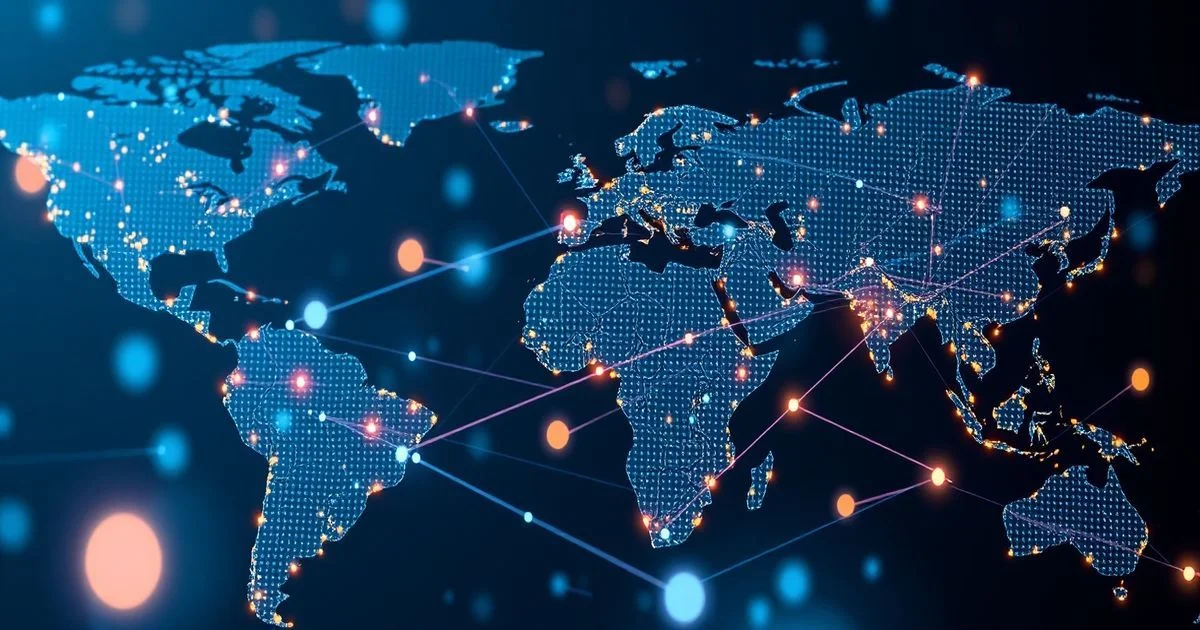
The landscape of international relations has undergone a profound transformation, moving beyond traditional military might and economic coercion. In this evolving global arena, The role of soft power in 21st-century diplomacy has become increasingly critical. As nation-states, non-state actors, and even individual citizens navigate a hyper-connected world, the ability to attract and persuade—rather than coerce—defines a new frontier for international influence. This strategic shift fundamentally reshapes how diplomacy is conducted, with technology now playing an unprecedented part in extending the reach and impact of soft power across the 21st-century global stage.
- Redefining Influence: What is Soft Power in the Digital Age?
- Mechanisms of Digital Diplomacy: How Soft Power Operates in the Connected World
- Pillars of 21st-Century Soft Power: Building Global Appeal
- Real-World Applications: Case Studies in Global Influence
- Navigating the Nuances: Strengths and Limitations of Soft Power
- The Future of Soft Power in 21st-Century Diplomacy: Tech's Evolving Role
- Conclusion: A Strategic Imperative for Modern States
- Frequently Asked Questions
- Further Reading & Resources
Redefining Influence: What is Soft Power in the Digital Age?
Soft power, a term coined by political scientist Joseph Nye, refers to a nation's ability to attract and co-opt rather than coerce, using attraction and persuasion to achieve desired outcomes. Unlike "hard power," which relies on military force or economic sanctions, soft power leverages a country's cultural appeal, political values, and foreign policies to garner support and legitimacy on the world stage. This distinction is crucial in understanding the intricate dynamics of contemporary international relations.
In the 21st century, the definition and application of soft power have been significantly broadened and complicated by digital transformation. The internet, social media platforms, and global communication networks have amplified its reach and accelerated its impact. Consequently, a nation's cultural exports, humanitarian efforts, and governance models can now be broadcast globally instantaneously, shaping perceptions and fostering affinity in ways previously unimaginable. This rapid dissemination of information and influence necessitates a rethinking of traditional diplomatic strategies.
The essence of soft power lies in its capacity to make others want what you want. It's about shaping preferences, building trust, and establishing shared values, which in turn leads to cooperation and mutual understanding. Nye often compares it to a gravitational pull, where countries are drawn towards another's ideals, institutions, or lifestyle, rather than being pushed by threats or payments. This intrinsic appeal makes soft power a more sustainable and less conflict-prone avenue for foreign policy.
Technological advancements have not only provided new conduits for soft power projection but also generated new sources. A country known for its technological innovation, its vibrant startup ecosystem, or its leadership in digital ethics can attract talent, investment, and collaboration based purely on its intellectual capital and forward-thinking ethos. This forms a subtle yet potent form of influence that resonates deeply with a tech-savvy global populace, especially the younger demographics.
Understanding this redefined soft power requires acknowledging its multifaceted nature, where traditional cultural appeal now converges with digital outreach and technological prowess. It’s no longer just about Hollywood movies or educational exchanges, but also about viral social media campaigns, open-source software contributions, and global collaborative projects. These new dimensions make it a complex and powerful tool for states seeking to navigate an increasingly interconnected and interdependent world.
Mechanisms of Digital Diplomacy: How Soft Power Operates in the Connected World
The operational mechanisms of soft power have been fundamentally reshaped by the advent of digital technologies, leading to the emergence of "digital diplomacy" or "e-diplomacy." This involves the use of internet-based tools and social media platforms to achieve diplomatic objectives, foster public understanding, and influence foreign publics. Digital platforms act as force multipliers, dramatically extending the reach and immediacy of diplomatic efforts.
The Power of Narrative Control and Information Dissemination
In the digital age, control over narratives and the ability to disseminate information rapidly are paramount. Governments and diplomatic entities now actively engage on platforms like X (formerly Twitter), Facebook, Instagram, and TikTok to share their perspectives, counter misinformation, and engage directly with foreign audiences. This bypasses traditional media gatekeepers, allowing for unfiltered communication and potentially more authentic interactions. For instance, official government accounts can provide real-time updates on humanitarian aid missions, share cultural events, or explain foreign policy decisions directly to millions. This direct channel helps to shape public opinion and build goodwill.
Leveraging Social Media for Public Diplomacy
Social media platforms have become indispensable tools for public diplomacy, enabling direct engagement that transcends geographical and political boundaries. Diplomats and foreign ministries use these channels to:
- Broadcast Messages: Share policy statements, cultural content, and national achievements with a global audience.
- Engage with Publics: Respond to comments, answer questions, and participate in discussions, fostering a sense of accessibility and transparency.
- Monitor Public Opinion: Gain insights into how foreign publics perceive their country, allowing for more responsive and tailored communication strategies.
This interactive engagement fosters relationships and builds communities around a nation's values or culture. It functions like a global town hall, where perceptions are formed and alliances subtly strengthened through shared digital experiences and dialogue. The psychological impact of social media on younger generations, for example, highlights how these platforms are not just communication tools but powerful shapers of worldviews and loyalty, impacting a nation's long-term influence. You can learn more about this by reading about The Psychological Impact of Social Media on Gen Z: A Deep Dive.
Cultural Exchange in the Digital Realm
Digital platforms have revolutionized cultural exchange, making it more accessible and pervasive than ever before. Music, films, art, and literature can now reach global audiences instantly through streaming services, online exhibitions, and virtual reality experiences. This virtual immersion allows individuals to experience foreign cultures without physical travel, fostering empathy and understanding. For example, a K-Pop concert livestream can attract millions of viewers worldwide, indirectly promoting South Korean culture and values, while online tutorials for a national cuisine can inspire culinary enthusiasts across continents.
Citizen Engagement and Diaspora Mobilization
Digital tools empower citizens and diaspora communities to become active participants in soft power initiatives. Diaspora communities, connected through social media, can act as informal ambassadors, sharing their cultural heritage and advocating for their homeland's interests. Similarly, global citizens can participate in online campaigns, sign petitions, or join virtual movements that align with a nation's values, effectively amplifying its soft power messages. This bottom-up approach to influence can often be more credible and impactful than top-down government messaging.
Data Analytics and Targeted Influence
The sophisticated use of data analytics is transforming how soft power campaigns are designed and executed. Governments and their partners can analyze vast amounts of data to understand public sentiment, identify influential voices, and tailor their messages to specific demographics. This allows for highly targeted soft power initiatives, ensuring that cultural content, policy explanations, or humanitarian appeals resonate deeply with the intended audience. By understanding what motivates different groups, nations can craft more effective and persuasive diplomatic strategies, maximizing their soft power investments. This data-driven approach moves soft power beyond broad strokes to nuanced, personalized outreach, akin to precision marketing for national branding.
Pillars of 21st-Century Soft Power: Building Global Appeal
The bedrock of 21st-century soft power rests upon several interconnected pillars, each amplified and reshaped by the pervasive influence of technology. These elements collectively contribute to a nation's attractiveness and its ability to shape global narratives and alliances. Understanding these core components is essential for any state aiming to exert influence through persuasion rather than coercion.
Cultural Appeal: The Universal Language of Connection
Culture remains a cornerstone of soft power, now distributed and consumed on an unprecedented global scale. This includes everything from popular music, films, and television to art, literature, cuisine, and sports. Digital platforms have democratized access to cultural content, enabling phenomena like the global spread of K-Pop (Hallyu Wave), Nollywood films, or Bollywood cinema. Streaming services, social media, and online gaming platforms transform local cultural expressions into global phenomena, fostering shared experiences and building emotional connections across borders. A nation's ability to produce and disseminate compelling cultural content directly enhances its global appeal and familiarity.
Political Values: Standing for Something Greater
A nation's political values and the perceived legitimacy of its governance system significantly contribute to its soft power. Countries seen as upholding democracy, human rights, the rule of law, and good governance tend to attract greater respect and cooperation. In an era of widespread digital communication, these values are constantly under scrutiny, with global audiences quick to praise or criticize actions against stated principles. Openness, transparency, and a commitment to multilateralism resonate deeply with international publics, influencing their willingness to align with a nation's foreign policy objectives. Furthermore, nations pioneering innovative forms of digital governance or advocating for internet freedom can gain significant soft power.
Foreign Policy and Global Cooperation: Acting as a Responsible Global Citizen
The conduct of a nation's foreign policy—particularly its commitment to addressing global challenges—is a powerful source of soft power. Initiatives in areas such as humanitarian aid, climate change mitigation, global health, and scientific collaboration demonstrate a country's willingness to act as a responsible global citizen. Digital platforms facilitate the showcasing of these efforts, allowing aid organizations to share real-time updates from disaster zones or scientists to collaborate internationally on research projects.
Examples of Cooperative Soft Power:
- Climate Diplomacy: Countries leading in renewable energy innovation or advocating for ambitious climate targets gain moral authority.
- Public Health Initiatives: Nations contributing to vaccine development or global health infrastructure build trust and goodwill.
- Peacekeeping and Conflict Resolution: Participation in UN peacekeeping missions or mediation efforts underscores a commitment to global stability.
- Open Source Contributions: Nations or their citizens contributing significantly to global open-source projects demonstrate leadership in shared innovation and knowledge.
Economic Influence through Innovation and Development Models
While economic size often relates to hard power, the nature of a nation's economic model and its contribution to global innovation can generate significant soft power. Countries known for their entrepreneurial spirit, technological breakthroughs (like Silicon Valley), or sustainable development models become beacons of progress. Their ability to foster innovation, create jobs, and offer solutions to global economic challenges attracts talent, investment, and emulation. The sharing of best practices in tech regulation, digital infrastructure development, or sustainable urban planning can extend influence far beyond trade agreements. This form of soft power positions a nation as a leader in creating a prosperous and equitable future, echoing historical patterns of trade influencing culture and power, much like the Historical impact of Silk Road trade on modern economics.
Real-World Applications: Case Studies in Global Influence
Examining real-world examples illuminates how nations harness soft power, particularly with the integrated role of technology, to achieve their diplomatic aims. These case studies showcase the diverse strategies employed and their varied impacts on the global stage.
South Korea: The Hallyu Wave and Digital Prowess
South Korea stands as a preeminent example of successful soft power projection, primarily through the phenomenon known as "Hallyu" or the "Korean Wave." This cultural surge encompasses K-Pop music, K-dramas, films, fashion, and cuisine, which have captivated global audiences. What began as a regional trend has, with the aid of digital platforms, blossomed into a global cultural force.
Music and Entertainment: K-Pop groups like BTS and Blackpink have leveraged social media, YouTube, and streaming platforms to build massive, dedicated global fan bases. Their highly produced music videos, interactive fan communities, and engaging online content transcend language barriers, driving cultural interest and tourism.
Television and Film: K-dramas and films (e.g., Parasite, Squid Game) have achieved international acclaim through streaming services like Netflix, showcasing Korean storytelling, societal nuances, and production quality. This exposure fosters deeper engagement with Korean culture and increases its relatability.
Technology Integration: South Korea's advanced digital infrastructure and high internet penetration facilitate the rapid dissemination of its cultural products. The nation's reputation as a tech innovator, from Samsung to LG, adds another layer to its appeal, presenting a modern, forward-thinking image.
The Hallyu Wave has not only boosted South Korea's cultural exports but also enhanced its national brand, attracting tourists, students, and foreign investment. It demonstrates how a relatively small nation can wield significant global influence through targeted cultural diplomacy amplified by digital means.
United States: Innovation, Education, and Cultural Hegemony
The United States has historically been a global leader in soft power, drawing on its vibrant popular culture, leading educational institutions, and commitment to democratic values. While facing contemporary challenges, its core attractions remain powerful, especially in the tech and academic spheres.
Silicon Valley and Tech Innovation: The innovation ecosystem of Silicon Valley represents a powerful magnet for global talent, capital, and aspiration. The U.S. leadership in developing transformative technologies, from the internet itself to AI, attracts innovators and entrepreneurs worldwide, reinforcing its image as a hub of progress and opportunity. This technological prowess indirectly influences global norms and standards.
Higher Education and Research: American universities consistently rank among the world's best, attracting millions of international students. These students often return to their home countries as ambassadors of American ideas and values, fostering long-term ties and understanding. Digital learning platforms and open-access research further extend this academic influence.
Cultural Exports: Despite the rise of other cultural powers, Hollywood, jazz, rock-n-roll, and global brands continue to exert significant influence. These cultural products, amplified by global media distribution, promote American ideals of individualism, freedom, and aspiration, even as they evolve and adapt to global tastes.
The U.S. soft power strategy is often less coordinated than others, emerging organically from its open society, dynamic economy, and diverse cultural landscape. Its ability to attract and integrate global talent further fuels this cycle of innovation and influence.
China: Economic Statecraft and Digital Infrastructure Diplomacy
China presents a distinct model of soft power, often intertwined with its economic might and digital infrastructure ambitions. While traditionally focusing on government-led initiatives, its digital outreach is rapidly expanding.
Belt and Road Initiative (BRI): Though primarily an economic and infrastructure project, the BRI carries significant soft power implications. By building ports, roads, railways, and digital networks in developing countries, China aims to foster goodwill, interdependence, and a shared vision of global development. The provision of vital infrastructure positions China as a reliable partner, offering a different model of global engagement.
Confucius Institutes and Cultural Exchange: China has established Confucius Institutes globally to promote Chinese language and culture. While facing scrutiny, these institutes aim to foster cultural understanding and appreciation for China.
Digital Infrastructure Diplomacy: China's leading role in 5G technology, e-commerce platforms (like TikTok), and AI development extends its digital footprint globally. The adoption of Chinese digital technologies and platforms in other countries not only creates economic ties but also subtly embeds Chinese technological standards and cultural content into foreign societies. This digital integration represents a sophisticated long-term play for influence. The complexities of this digital diplomacy can sometimes lead to geopolitical tensions, as seen in cases like Iran Threatens Apple, Google, Meta Over Assassinations: A Geopolitical Escalation where tech giants become entangled in international disputes.
"Panda Diplomacy" and Public Health: Beyond traditional cultural exchange, initiatives like "Panda Diplomacy" or providing COVID-19 vaccines to developing nations demonstrate a willingness to contribute to global public goods, fostering a positive image.
China's approach to soft power is often more state-directed and systematically integrated with its economic and technological expansion. It seeks to present itself as a responsible global power and an alternative development model, particularly attractive to developing nations seeking infrastructure and technological advancement.
Navigating the Nuances: Strengths and Limitations of Soft Power
While the role of soft power in 21st-century diplomacy is undeniably critical, it is not a panacea. Understanding its inherent strengths and limitations is crucial for strategists attempting to wield it effectively in a complex global environment. Soft power operates on a different temporal and relational scale than its hard power counterpart, bringing both unique advantages and specific vulnerabilities.
Strengths of Soft Power: Sustainable Influence and Relationship Building
Soft power offers several distinct advantages that make it an attractive and often more sustainable tool for foreign policy:
-
Cost-Effectiveness and Sustainability: Compared to military interventions or massive economic aid packages, investments in cultural programs, educational exchanges, and public diplomacy are often more cost-effective. Their impact tends to be longer-lasting, fostering deep-rooted goodwill and understanding that can endure political shifts.
-
Fosters Goodwill and Mutual Understanding: By promoting cultural appreciation, shared values, and collaborative projects, soft power builds bridges between nations and peoples. This leads to increased empathy and a reduction in suspicion, creating a more fertile ground for cooperation on various global issues.
-
Builds Long-Term Relationships: Unlike transactional hard power engagements, soft power cultivates enduring relationships based on attraction and shared interests. These relationships are resilient to minor diplomatic spats and can provide a reservoir of trust to draw upon during times of crisis.
-
Resilience to Direct Conflict: Soft power operates in the realm of ideas and influence, making it less susceptible to the direct costs and backlash associated with military actions or aggressive economic sanctions. It offers a channel for engagement even when traditional diplomatic avenues are strained.
-
Enhances Legitimacy and Credibility: When a nation is admired for its culture, values, or policies, its diplomatic actions and proposals gain greater legitimacy on the international stage. This enhanced credibility makes it easier to rally international support for its initiatives.
Limitations of Soft Power: Unpredictability and Vulnerabilities
Despite its strengths, soft power also has inherent limitations that can hinder its effectiveness:
-
Slower Impact and Unpredictable Outcomes: Soft power is a long-term game. Its effects are often subtle, incremental, and difficult to quantify, taking years, if not decades, to materialize. Furthermore, outcomes are not guaranteed; a country might invest heavily in cultural exchange only to find its image damaged by unrelated political actions.
-
Susceptible to Misinformation and Disinformation: In the digital age, soft power campaigns can be easily undermined by state-sponsored disinformation, deepfakes, and online propaganda. Negative narratives, even if false, can spread rapidly and erode carefully cultivated goodwill, making the information environment a battleground.
-
Requires Consistency and Authenticity: Soft power is deeply tied to a nation's perceived authenticity and consistency between its stated values and its actions. Hypocrisy or perceived double standards can quickly negate years of positive image-building. For example, a nation promoting human rights while engaging in controversial domestic policies will see its soft power diminished.
-
Undermined by Hard Power Actions: The effectiveness of soft power can be severely hampered, or even nullified, by the use of hard power. Military interventions, trade wars, or aggressive diplomatic stances can instantly overshadow cultural appeal or humanitarian efforts, generating resentment rather than attraction.
-
The "Sharp Power" Challenge: Joseph Nye has also introduced the concept of "sharp power," which describes the use of manipulative tactics by authoritarian regimes to influence and undermine target countries. This includes tactics like propaganda, censorship, cyber attacks, and economic coercion disguised as cultural or media engagement. Sharp power aims to pierce, penetrate, or manipulate the information environment, contrasting with soft power's goal of attraction and hard power's aim of coercion. This presents a direct challenge to the open, attraction-based mechanisms of soft power.
The Future of Soft Power in 21st-Century Diplomacy: Tech's Evolving Role
The nexus between technology and soft power is not static; it is a dynamic relationship continually evolving with new innovations and global shifts. Looking ahead, technology will play an even more central and sophisticated role in shaping the role of soft power in 21st-century diplomacy, presenting both unprecedented opportunities and significant challenges.
AI and Data Analytics for Targeted Influence
Artificial intelligence and advanced data analytics are already beginning to revolutionize the practice of soft power. Future diplomatic efforts will leverage AI to:
- Sentiment Analysis: Continuously monitor global sentiment towards a nation across myriad languages and platforms, providing real-time insights into public perception.
- Predictive Modeling: Forecast the potential impact of different soft power initiatives on specific demographic groups or regions, allowing for more strategic resource allocation.
- Personalized Content Delivery: Use AI algorithms to tailor cultural content, educational materials, and policy messages to individual preferences and linguistic nuances, maximizing resonance and engagement. This means moving beyond broad cultural exports to hyper-localized digital diplomacy.
Virtual Reality (VR) and the Metaverse for Immersive Cultural Exchange
The emerging metaverse and increasingly sophisticated VR technologies offer new frontiers for cultural immersion and digital diplomacy. Imagine:
- Virtual Embassies: Digital representations of embassies or cultural centers where global citizens can interact with diplomatic staff, access cultural resources, and attend virtual events.
- Immersive Cultural Experiences: VR tourism allowing users to explore historical sites, attend virtual concerts, or participate in cultural festivals from anywhere in the world, fostering deeper connections than traditional media.
- Collaborative Global Projects: Metaverse platforms facilitating international collaboration on art, education, or even humanitarian aid projects, building a sense of shared purpose and global community.
These immersive technologies could make soft power experiences far more engaging and impactful, blurring the lines between physical and digital presence.
Cyber Diplomacy and Digital Sovereignty
As nations increasingly rely on digital infrastructure, cyber diplomacy will become a critical component of soft power. A country's commitment to cybersecurity, its responsible behavior in cyberspace, and its efforts to promote an open, secure, and reliable internet will contribute to its global standing. Conversely, cyberattacks or attempts to undermine digital freedom can severely damage soft power. The ability to lead discussions on digital ethics, AI governance, and data privacy will define technological leadership and attract like-minded partners.
The Challenge of Deepfakes and Algorithmic Bias
The same technologies that enhance soft power also pose significant threats. The proliferation of sophisticated deepfakes, AI-generated misinformation, and algorithmic bias can severely undermine trust and create diplomatic crises. Nations will need to develop robust strategies to:
- Counter Disinformation: Invest in AI-powered tools for deepfake detection and rapid fact-checking to protect their narratives.
- Promote Media Literacy: Support global initiatives that educate citizens about critical thinking and media discernment in the digital age.
- Advocate for Ethical AI: Lead international efforts to establish norms and regulations for the ethical development and deployment of AI, particularly in public communication.
The Rise of Non-State Actors and Citizen Diplomacy
The future of soft power will see an even greater role for non-state actors, including NGOs, multinational corporations, tech giants, and individual digital influencers. These entities often possess significant global reach and the ability to shape public opinion independently of state control. Citizen diplomacy, empowered by digital tools, will continue to democratize international relations, creating a more pluralistic and decentralized landscape for soft power. Governments will increasingly need to collaborate with, or at least understand and monitor, these diverse actors to effectively navigate the future of global influence. This distributed network of influence challenges traditional state-centric models of diplomacy.
Conclusion: A Strategic Imperative for Modern States
In an era defined by hyper-connectivity, rapid technological advancement, and an increasingly complex geopolitical landscape, the role of soft power in 21st-century diplomacy has transcended being merely an adjunct to traditional statecraft; it has become a strategic imperative. As hard power becomes more difficult and costly to wield, the ability to attract, persuade, and influence through shared values, cultural appeal, and responsible global leadership offers a more sustainable pathway to achieving national interests and fostering a stable international order.
For any nation seeking to thrive and secure its place in the global community, understanding and strategically deploying soft power is no longer optional. It demands a holistic approach that integrates cultural diplomacy, public policy, economic innovation, and technological prowess into a cohesive national brand. The digital age has irrevocably transformed how nations project their influence, demanding adaptability, authenticity, and a nuanced understanding of global digital publics. Looking ahead, continuous innovation in digital tools, a steadfast commitment to ethical principles, and an embrace of diverse global narratives will be key determinants of success in the ongoing quest for influence and cooperation on the world stage.
Frequently Asked Questions
Q: What is soft power?
A: Soft power is a nation's ability to attract and persuade others to adopt its values or desired outcomes, rather than using coercion. It leverages cultural appeal, political values, and foreign policies to garner international support and legitimacy.
Q: How has technology impacted soft power in the 21st century?
A: Technology, especially digital platforms and social media, has amplified soft power's reach and immediacy. It enables rapid global dissemination of cultural content, direct diplomatic engagement with foreign publics, and data-driven targeted influence, reshaping traditional diplomacy.
Q: What are the main challenges to soft power in the digital age?
A: Challenges include slower, unpredictable impact, vulnerability to misinformation and deepfakes, and the need for consistent, authentic actions. Aggressive "sharp power" tactics and hard power interventions can also quickly undermine soft power efforts.