- Unraveling the Enigma: The Pale Blue Eye Movie Review: Mystery, Mood, & Where to Watch
- Setting the Scene: What to Know Before You Watch The Pale Blue Eye
- The Narrative Unfolds: A Deep Dive into The Pale Blue Eye's Plot and Themes
- Character Deep Dive: Performances That Haunt the Screen
- Atmosphere & Direction: Crafting a Gothic Masterpiece
- The Pale Blue Eye Movie Review and where to wtch: A Step-by-Step Guide for Viewing
- Common Misconceptions and What to Expect from The Pale Blue Eye
- Frequently Asked Questions
- Conclusion: A Haunting Mystery Worth Your Time
- Further Reading & Resources
Unraveling the Enigma: The Pale Blue Eye Movie Review: Mystery, Mood, & Where to Watch
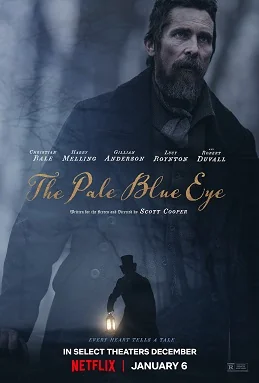
Our Pale Blue Eye movie review dives deep into the chilling mystery and dark mood of this captivating gothic detective story, set in the snow-covered landscapes of 19th-century West Point. Director Scott Cooper masterfully conjures a chilling gothic detective story that promises to captivate audiences. This article offers a comprehensive The Pale Blue Eye Movie Review and where to wtch this atmospheric film, guiding you through its intricate plot, compelling performances, and the dark, brooding mood that defines its essence. From the first frost-laden frame to its shocking conclusion, the movie envelops viewers in a rich historical tapestry, inviting them to solve a series of gruesome murders alongside a weary detective and a young, pre-fame Edgar Allan Poe. If you're seeking a film that delivers both intellectual mystery and palpable tension, prepare to immerse yourself in this unique cinematic experience.
Released initially in select cinemas in late December 2022, The Pale Blue Eye swiftly transitioned to a global streaming release on Netflix on January 6, 2023, making it widely accessible to a diverse audience eager for a sophisticated thriller. The narrative, based on Louis Bayard's 2006 novel of the same name, blends historical fiction with a classic whodunit, offering a fresh perspective on one of America's most enigmatic literary figures. As we delve deeper, we’ll explore what makes this mystery so compelling, the standout performances that anchor its emotional depth, and provide a clear, step-by-step guide on accessing the film.
Setting the Scene: What to Know Before You Watch The Pale Blue Eye
Before embarking on the intricate journey of The Pale Blue Eye, understanding its foundational elements can significantly enhance your viewing experience. This film is not merely a murder mystery; it's a meticulously crafted period piece that leverages its historical setting and literary connections to build a rich, immersive world. Viewers with an appreciation for dark academia, gothic literature, and character-driven narratives will find themselves particularly drawn into its orbit.
The film is set in the winter of 1830 at the prestigious United States Military Academy at West Point, New York. This specific historical backdrop is crucial, providing a rigid, disciplined environment that contrasts sharply with the barbaric nature of the crimes committed. The isolated, often desolate surroundings, blanketed in snow and fog, contribute heavily to the pervasive sense of dread and mystery that permeates the entire narrative. The academy itself becomes a character, its secrets and unspoken codes adding layers of complexity to the investigation. The hierarchical structure and the cadets' staunch code of silence present formidable obstacles for any outsider attempting to uncover the truth.
At the heart of the story are two central figures: Augustus Landor, a disillusioned and widowed local detective portrayed with gravitas by Christian Bale, and a young military cadet named Edgar Allan Poe, brought to life by Harry Melling. Knowing that this is a fictionalized account of Poe's brief stint at West Point (he was indeed a cadet there in 1830 before being court-martialed and discharged) adds an intriguing layer of speculative history to the proceedings. The film cleverly integrates elements that would later define Poe's literary career—his fascination with the macabre, his poetic sensibilities, and his profound melancholy—into his characterization as a nascent detective. This interpretation allows for a compelling exploration of the origins of his dark genius, positing a formative experience that could have deeply influenced his future works.
Director Scott Cooper, known for his gritty, character-focused dramas like Out of the Furnace and Hostiles, brings his signature style to this gothic thriller. His collaboration with Christian Bale, marking their third film together, ensures a deep understanding of Bale's acting prowess and how to best utilize it to portray a complex, tormented protagonist. Cooper’s direction emphasizes mood and atmosphere, using the stark winter landscape and the academy's imposing architecture to amplify the story's chilling tone. Expect slow-burn tension, exquisite cinematography by Masanobu Takayanagi, and a score by Howard Shore that heightens the dramatic impact. The film's commitment to historical detail, from costuming to dialogue, transports the viewer authentically to the early 19th century, making the mysterious events feel all the more real and unsettling.
The Narrative Unfolds: A Deep Dive into The Pale Blue Eye's Plot and Themes
The Pale Blue Eye commences with a profoundly disturbing discovery: a West Point cadet found dead, hanging from a tree. As if the scene weren't grim enough, the horror deepens when it's revealed that, after the body's arrival at the morgue, the young man's heart has been skillfully and savagely removed. Fearing scandal and irreparable damage to the fledgling military academy's reputation, its stoic leaders discreetly enlist Augustus Landor (Christian Bale), a seasoned local detective, to investigate what is clearly not a simple suicide. Landor, himself a man haunted by personal tragedy, plunges into the dark underbelly of the academy, only to be met by a wall of silence and an impenetrable cadet code.
Recognizing the futility of his solo efforts against such ingrained secrecy, Landor seeks an unlikely ally from within the cadets' ranks: Edgar Allan Poe (Harry Melling). Poe, portrayed as an eccentric, sensitive, and intellectually curious young man, possesses a keen eye for detail and a poetic mind that can discern patterns and motives invisible to others. Their partnership forms the central dynamic of the film, a fascinating contrast between the world-weary pragmatism of Landor and the budding literary gothicism of Poe. Melling's portrayal of Poe is a revelation, imbuing the future literary icon with vulnerability, intelligence, and a nascent darkness that foreshadows his literary legacy. The bond that forms between them is one of mutual respect and a shared understanding of loss and human depravity.
As their investigation progresses, Landor and Poe uncover a tangled web of secrets, superstitions, and darker forces at play within the academy and its surrounding community. The initial murder soon gives way to further unsettling incidents, suggesting a ritualistic component to the crimes that points towards something far more sinister than a simple act of violence. The film expertly builds suspense, drawing the viewer deeper into the mystery with each clue and red herring. The narrative doesn't shy away from exploring themes of occultism, vengeance, and the corrupting influence of power, all set against the unforgiving winter backdrop.
One of the film's greatest strengths lies in its commitment to a slow-burn narrative, allowing the atmospheric tension to build gradually rather than relying on jump scares or gratuitous violence. The pacing mirrors the meticulous nature of Landor's investigation, demanding patience and close attention from the audience. This allows for the rich character development of both Landor and Poe, whose internal struggles and evolving relationship are as central to the story as the murder plot itself. The film’s deliberate unraveling ensures that the ultimate reveals are impactful, challenging viewer expectations and delivering a truly memorable twist that recontextualizes much of what came before. The complexity of the human psyche and the depths to which grief and obsession can drive individuals are laid bare, leaving a lasting impression long after the credits roll.
Character Deep Dive: Performances That Haunt the Screen
The success of The Pale Blue Eye relies heavily on the strength of its ensemble cast, particularly the nuanced portrayals of its two central figures. Christian Bale, in his third collaboration with director Scott Cooper, delivers a performance of profound depth and weary intensity as Augustus Landor. Bale embodies Landor as a man burdened by past traumas – specifically, the disappearance of his daughter and the subsequent death of his wife – which inform every aspect of his character. His detective is not a heroic figure, but a broken man driven by a quiet, almost desperate need for truth and perhaps, a semblance of justice. Bale’s ability to convey complex inner turmoil through subtle gestures, haunted eyes, and a gravelly voice makes Landor a compelling and sympathetic protagonist, even when his actions become morally ambiguous. His stoicism and methodical approach to the investigation hide a turbulent emotional landscape, revealing layers of grief and resignation.
Complementing Bale's seasoned performance is Harry Melling as the young Edgar Allan Poe. Melling, perhaps best known for his roles in Harry Potter and more recently The Queen's Gambit, delivers a transformative performance, capturing the essence of a man on the cusp of literary genius. His Poe is intelligent, eloquent, and highly sensitive, possessing a unique poetic lens through which he observes the world. Melling portrays Poe with a delicate balance of vulnerability and an emerging darkness, hinting at the macabre themes that would later define his writing. His physical presence and distinctive vocal delivery create a memorable and believable young Poe, far removed from caricatures. The chemistry between Bale and Melling is palpable, forming an unexpected but potent partnership. Their intellectual sparring and growing mutual respect provide much of the film's emotional core, making their joint pursuit of the truth all the more engaging.
Beyond the two leads, The Pale Blue Eye boasts a formidable supporting cast that populates the dreary world of West Point with compelling characters. Gillian Anderson, known for her roles in The X-Files and Sex Education, provides a chilling turn as Mrs. Marquis, injecting a palpable sense of unease and mystery into her scenes. Lucy Boynton, as Lea Marquis, adds another layer of intrigue and romantic entanglement, further complicating the already convoluted plot. The presence of veteran actors such as Toby Jones, Timothy Spall, and Robert Duvall further enriches the cast. Duvall, in what would be one of his final film appearances, delivers a memorable performance, albeit brief, adding significant weight and authenticity to the historical setting. Each supporting character, no matter how minor, feels integral to the unfolding drama, contributing to the film's rich tapestry of suspects and potential victims. Their performances collectively create an atmosphere of suspicion and distrust, essential for a gothic mystery where no one is entirely above suspicion. The collective strength of these actors ensures that the film is not just a procedural investigation but a deep dive into the human condition, explored through the lens of grief, ambition, and the pursuit of dark knowledge.
Atmosphere & Direction: Crafting a Gothic Masterpiece
Scott Cooper's direction in The Pale Blue Eye is a masterclass in atmospheric filmmaking, meticulously crafting a world that feels both historically authentic and steeped in gothic dread. From the opening scenes, the film establishes a pervasive mood of melancholy and foreboding, largely achieved through its stunning visual palette and evocative sound design. Cinematographer Masanobu Takayanagi, who previously worked with Cooper on Hostiles, uses muted colors, natural light, and a predominance of blues and grays to depict the unforgiving winter landscape of West Point. The constant presence of snow, fog, and ice not only grounds the film in its 1830 setting but also acts as a visual metaphor for the cold, isolating nature of the murders and the emotional states of its characters. Every frame feels deliberately composed, highlighting the imposing architecture of the military academy and the desolate beauty of its surroundings, which together create a sense of entrapment and gloom.
The production design further enhances the film's immersive quality. The interiors of the academy, the officers' quarters, and Landor's secluded cabin are all rendered with meticulous attention to period detail, from the dimly lit rooms to the rustic furnishings. This commitment to historical accuracy extends to the costuming, which perfectly captures the somber elegance of early 19th-century attire, further grounding the fictional narrative in a tangible past. The visual storytelling works in tandem with the narrative to create an oppressive atmosphere that mirrors the darkness of the crimes being investigated. The cold seeps into every scene, making the viewer feel the biting chill alongside the characters, intensifying the sense of vulnerability and isolation.
Howard Shore's musical score is another pivotal element in building the film's gothic atmosphere. Known for his work on The Lord of the Rings trilogy, Shore delivers a score that is both haunting and melancholic, subtly underscoring the film's emotional beats without ever overpowering the narrative. The music often swells with an unsettling orchestral resonance, creating a pervasive sense of unease that complements the visual cues. It amplifies moments of suspense and sadness, drawing the audience deeper into Landor's internal struggles and Poe's burgeoning introspection. The interplay between the visuals, the score, and the deliberate pacing ensures that the film is a truly sensory experience, one that draws you into its grim world and refuses to let go.
Cooper's direction emphasizes character over explicit horror, allowing the psychological tension to build organically. He trusts his actors to convey the complexities of their roles, often relying on long takes and close-ups that allow the nuanced performances to shine. The slow, deliberate unveiling of clues and revelations, combined with the deeply entrenched sense of place and time, transforms The Pale Blue Eye into more than just a detective story. It becomes a rich, psychological portrait of grief, obsession, and the insidious nature of evil, all wrapped in a beautifully bleak and haunting aesthetic that cements its status as a memorable gothic thriller.
The Pale Blue Eye Movie Review and where to wtch: A Step-by-Step Guide for Viewing
If The Pale Blue Eye Movie Review and where to watch guide has piqued your interest and you're ready to unravel the chilling mystery yourself, accessing the film is straightforward. Since its global streaming debut in early 2023, The Pale Blue Eye has been exclusively available on one major platform, ensuring easy access for most viewers.
-
Confirming Streaming Platform Exclusivity The Pale Blue Eye was released in select theaters for a limited run in December 2022 before making its global streaming debut on January 6, 2023. Critically, it is a Netflix Original film, meaning its primary and exclusive streaming home is Netflix. This simplifies the process, as you won't need to search across multiple streaming services or rental platforms to find it.
-
Ensuring You Have a Netflix Subscription To watch The Pale Blue Eye, you will need an active Netflix subscription. Netflix offers several plans that cater to different viewing preferences and budgets:
- Standard with Ads: This is a more affordable option that includes advertisements during playback, but still provides access to the full Netflix library, including The Pale Blue Eye. Video quality is typically 1080p.
- Standard: This plan offers ad-free viewing with 1080p video quality, and allows for streaming on multiple devices simultaneously.
- Premium: For the highest quality experience, the Premium plan provides 4K HDR video quality and allows for streaming on more devices concurrently, also without ads. If you do not currently have a Netflix subscription, you can easily sign up for one through their official website. The process usually involves selecting a plan, creating an account, and entering payment information.
-
Accessing Netflix and Finding the Movie Once you have an active Netflix subscription, you can access the platform in several ways:
- Web Browser: Visit the Netflix website (www.netflix.com) on your computer or laptop, log in, and search for the movie.
- Smart TV App: Most modern smart TVs come with a pre-installed Netflix app. Open the app, log in, and navigate the interface.
- Streaming Devices: Devices like Roku, Amazon Fire TV Stick, Apple TV, Google Chromecast, etc., all offer Netflix apps. Ensure your device is connected to the internet, open the app, and log in.
- Gaming Consoles: PlayStation and Xbox consoles also have Netflix apps available for download.
-
Mobile Devices: Download the Netflix app from your device's app store (Google Play Store for Android, Apple App Store for iOS), log in, and watch on the go. Once logged into Netflix, you can find The Pale Blue Eye by:
-
Using the Search Bar: The quickest method is to use the search icon (often a magnifying glass) and type "The Pale Blue Eye."
- Browsing Categories: You might also find it under categories like "Mystery," "Thriller," "Period Dramas," or "Gothic Films," though searching is generally more direct.
-
Regional Availability Considerations While The Pale Blue Eye was released globally on Netflix, content libraries can sometimes vary slightly by region due to licensing agreements. However, as an official Netflix Original production, it is highly likely to be available in all regions where Netflix operates. If you encounter any issues finding the film, it’s worth checking Netflix's official support or media center for specific regional availability, though this is rarely an issue for Netflix's own productions.
In summary, watching The Pale Blue Eye is a straightforward process requiring only an active Netflix subscription. Prepare your preferred viewing device, settle in, and get ready to be transported to a captivating 19th-century mystery.
Common Misconceptions and What to Expect from The Pale Blue Eye
When approaching The Pale Blue Eye, it's helpful to temper certain expectations and clarify common misconceptions to fully appreciate the film for what it is. Firstly, despite its premise involving gruesome murders and the iconic figure of Edgar Allan Poe, this is not a traditional horror film in the modern sense. While it certainly possesses a dark, gothic atmosphere and deals with unsettling themes, it relies more on psychological tension, mood, and methodical detective work than on jump scares or explicit gore. Viewers expecting a fast-paced, action-driven thriller might find its deliberate pacing a departure from typical genre conventions. The film is a slow burn, allowing its intricate plot and character development to unfold gradually, rewarding patient viewers.
Secondly, while Edgar Allan Poe is a central character, the film is primarily Augustus Landor's story. Poe serves as an intelligent and observant foil, a youthful proto-detective whose unique perspective aids Landor's investigation and whose experiences may foreshadow his literary future. However, the narrative arc and emotional core largely reside with Christian Bale's tormented detective. It's a speculative historical fiction piece, not a biographical film about Poe, and it takes liberties with his actual life to serve the mystery. Therefore, those expecting a strict historical account of Poe's time at West Point should adjust their expectations.
Finally, the film's strength lies in its ability to immerse the viewer in its 19th-century setting and complex character studies. Expect rich dialogue, atmospheric cinematography, and strong performances to carry the narrative weight. The mystery itself is intricate, with layers of deception and a compelling twist that demands attention. The Pale Blue Eye is a thought-provoking, atmospheric gothic thriller that appeals to those who enjoy historical dramas, character-driven mysteries, and a deep sense of mood over conventional genre thrills.
Frequently Asked Questions
Q: Where can I watch The Pale Blue Eye?
A: The Pale Blue Eye is a Netflix Original film and is exclusively available for streaming on the Netflix platform. You will need an active Netflix subscription to access it.
Q: Is The Pale Blue Eye based on a true story?
A: While the film features a real historical figure, Edgar Allan Poe, and is set during his brief time as a cadet at West Point in 1830, the murder mystery plot itself is entirely fictional. It's an adaptation of Louis Bayard's novel, blending historical elements with speculative fiction.
Q: Who are the main actors in The Pale Blue Eye?
A: The film stars Christian Bale as Augustus Landor, the melancholic detective, and Harry Melling as a young Edgar Allan Poe. The ensemble cast also includes notable actors such as Gillian Anderson, Lucy Boynton, and Robert Duvall.
Conclusion: A Haunting Mystery Worth Your Time
In summation, The Pale Blue Eye stands as a compelling and meticulously crafted gothic mystery, offering a rich tapestry of historical detail, atmospheric tension, and stellar performances. Our comprehensive The Pale Blue Eye Movie Review and where to wtch guide has explored its intricate plot, the haunting characterizations by Christian Bale and Harry Melling, and the immersive world conjured by director Scott Cooper. The film successfully transports viewers to the chilling winter of 1830 West Point, inviting them to delve into a dark academic world plagued by a series of savage murders.
Whether you are a fan of classic whodunits, historical dramas, or the macabre sensibilities of Edgar Allan Poe, this film provides a unique and satisfying cinematic experience. Its commitment to mood, psychological depth, and a slow-burn narrative ensures a deeply engaging watch, culminating in a twist that resonates long after the credits roll. If you're seeking a sophisticated mystery that combines intellectual intrigue with palpable dread, look no further. You can easily access The Pale Blue Eye exclusively on Netflix, where this haunting tale awaits your discerning eye. Prepare to be captivated by a film that understands the art of suspense and the enduring power of a well-told gothic story.
Further Reading & Resources
- The Pale Blue Eye on Wikipedia: https://en.wikipedia.org/wiki/The_Pale_Blue_Eye
- Watch The Pale Blue Eye on Netflix: https://www.netflix.com/title/81308369
- The Pale Blue Eye on IMDb: https://www.imdb.com/title/tt13648580/
- The Pale Blue Eye on Rotten Tomatoes: https://www.rottentomatoes.com/m/the_pale_blue_eye