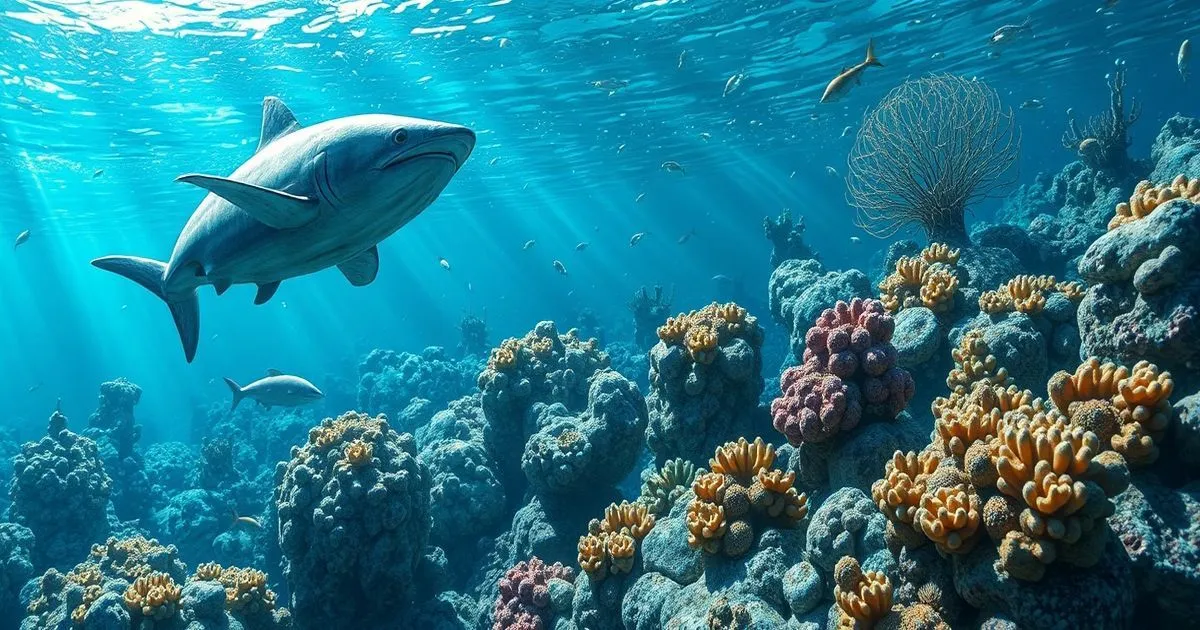
Journey Beneath the Waves: Discovering the Ocean's Vibrant Inhabitants
- Journey Beneath the Waves: Discovering the Ocean's Vibrant Inhabitants
- Protecting Our Priceless Marine Heritage
- Further Reading & Resources
The ocean, a vast and mysterious realm, covers over 70% of our planet's surface. Beneath its shimmering waves lies an astonishing world teeming with life – a kaleidoscope of creatures perfectly adapted to their watery home. From the microscopic to the colossal, ocean animals represent an unparalleled tapestry of biodiversity crucial to the health of our planet.
Join us on an immersive journey as we explore the wonders of marine life, uncovering the secrets of these magnificent beings and understanding their vital role in Earth's delicate balance.
An Unfathomable Diversity of Life
Imagine a world where glowing creatures light up the deep, where corals build entire cities, and where giants glide gracefully through the blue. The ocean is home to an estimated one million species, with many still undiscovered. This incredible diversity thrives in every corner, from sunlit shallows to the crushing pressures of the deepest trenches.
Each marine environment, be it a vibrant coral reef, a vast open ocean, or a dark abyssal plain, hosts its own unique cast of characters, showcasing nature's boundless creativity.
From Microscopic Marvels to Majestic Giants
Life in the ocean begins with the tiny, often unseen. Plankton, microscopic organisms, form the base of nearly every marine food web. These minute plants (phytoplankton) and animals (zooplankton) sustain everything from small fish to the largest baleen whales.
At the other end of the spectrum are the awe-inspiring giants: blue whales, the largest animals on Earth; magnificent great white sharks; and ancient sea turtles, traversing vast oceanic distances. Their sheer size and power remind us of the ocean's capacity to nurture immense life forms.
Iconic Residents of the Deep Blue
The ocean's inhabitants are as varied as they are fascinating. Let's meet some of the most prominent groups:
Fish: The Fin-Tastic Majority
Fish are the most diverse group of vertebrates in the ocean, ranging from the colorful clownfish darting through anemones to the formidable tuna cruising the open ocean. They showcase an incredible array of shapes, sizes, and behaviors, each perfectly suited to their niche. From electric eels to camouflaged flatfish, their adaptations are nothing short of spectacular.
Marine Mammals: Intelligent and Graceful
These warm-blooded marvels include whales, dolphins, seals, sea lions, manatees, and sea otters. Known for their intelligence, complex social structures, and often playful behavior, marine mammals capture our hearts. Whales communicate across vast distances with intricate songs, while dolphins display remarkable problem-solving abilities. Their existence adds a profound layer of wonder to the marine world.
Invertebrates: The Unsung Heroes
Beyond fish and mammals lies a vast realm of invertebrates – animals without backbones. This group includes stunning coral polyps that build elaborate reefs, mesmerizing jellyfish pulsating through the water, intelligent octopuses capable of changing color and texture, and an endless variety of crabs, lobsters, starfish, and sea urchins. They play critical roles in ecosystem health, from filtering water to serving as food sources for countless other creatures.
Marine Reptiles: Ancient Wanderers
Ancient lineages of reptiles continue to thrive in the ocean, most notably sea turtles and sea snakes. Sea turtles, with their impressive migratory journeys and vital role in seagrass health, are charismatic ambassadors for ocean conservation. Sea snakes, though less widely known, are perfectly adapted to a fully aquatic life, hunting in coral reefs and coastal waters.
Ingenious Adaptations for Survival
Life in the ocean presents unique challenges: immense pressure, darkness, cold temperatures, and the constant search for food and mates. Ocean animals have evolved astonishing adaptations to thrive in these conditions:
- Bioluminescence: Many deep-sea creatures produce their own light for hunting, attracting mates, or deterring predators.
- Camouflage: From the chameleon-like abilities of octopuses to the disruptive patterns of reef fish, blending in is key to survival.
- Echolocation: Whales and dolphins use sound waves to navigate and locate prey in murky waters or the deep ocean.
- Specialized Feeding: Filter feeders like baleen whales consume vast quantities of plankton, while specialized hunters like sharks possess incredibly keen senses.
Why Ocean Animals Matter: Guardians of Our Planet
Ocean animals are not just beautiful; they are absolutely essential for the health of the entire planet, including human well-being.
- Ecosystem Balance: They form intricate food webs, regulate populations, and contribute to nutrient cycling.
- Oxygen Production: Phytoplankton, the microscopic plants at the base of the food web, produce over half of the oxygen we breathe.
- Climate Regulation: Marine organisms play a crucial role in absorbing carbon dioxide, helping to regulate global climate.
- Economic & Cultural Value: Fisheries provide food for billions, and marine tourism supports countless communities. Indigenous cultures have deep, spiritual connections to marine life.
The Urgent Call for Conservation
Despite their resilience, ocean animals face unprecedented threats from human activities. Pollution (plastic, chemical, noise), climate change (ocean warming, acidification), overfishing, and habitat destruction are pushing many species to the brink. Coral reefs are bleaching, plastic chokes marine life, and once-abundant fish populations are dwindling.
The future of these magnificent creatures, and indeed the health of our planet, depends on our actions today.
Protecting Our Priceless Marine Heritage
The ocean animals are a source of endless fascination, wonder, and inspiration. Their intricate lives and vital roles remind us of the interconnectedness of all life on Earth. As stewards of this incredible planet, we have a profound responsibility to protect these living treasures.
By supporting sustainable practices, reducing our carbon footprint, minimizing plastic consumption, advocating for marine protected areas, and educating ourselves and others, we can all contribute to safeguarding the vibrant future of our oceans and the extraordinary animals that call them home. Let's ensure that future generations can also marvel at the ocean's living wonders.
Further Reading & Resources
- Explore Marine Biodiversity: National Geographic - Ocean Hub
- Understand Marine Food Webs: NOAA Fisheries - Marine Food Webs
- Learn About Coral Reefs & Conservation: NOAA - Coral Reef Conservation Program
- Discover Marine Mammals: WWF - Marine Mammals
- Addressing Ocean Threats & Conservation: UN Environment Programme - Oceans & Seas