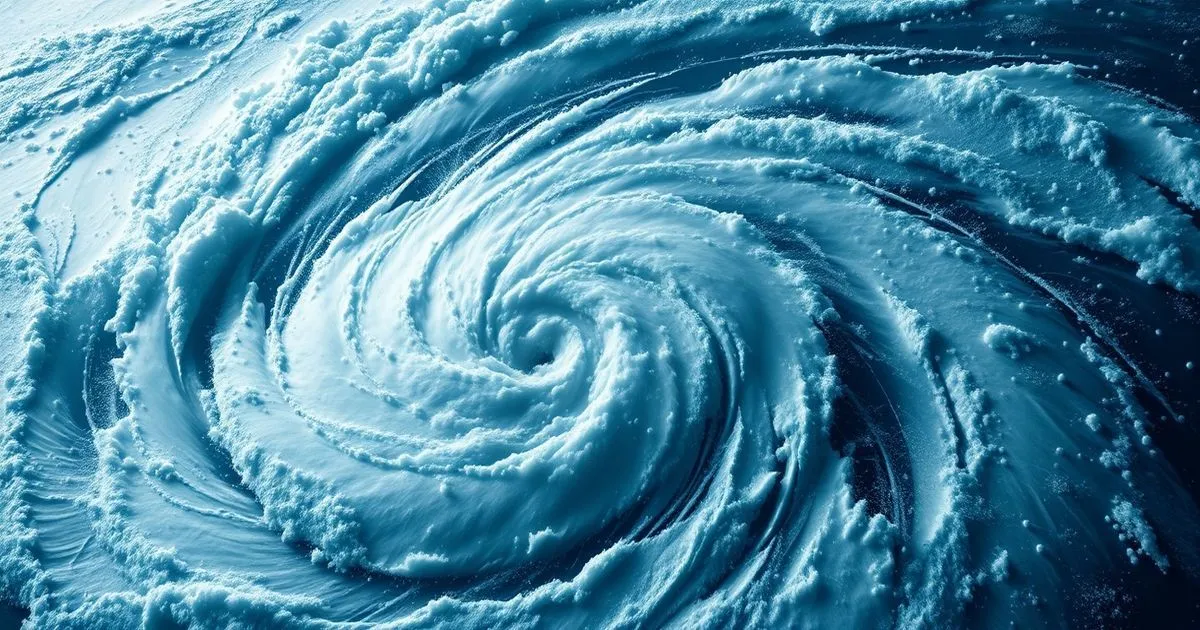
The roar of the wind, the relentless drumming of rain, the ominous quiet of the eye – these are the hallmarks of a hurricane, one of nature's most formidable and destructive forces. These colossal weather systems, born from the warm embrace of tropical oceans, command our attention and respect, leaving indelible marks on landscapes and lives.
- What is a Hurricane? Nature's Grand Whirlwind
- The Anatomy of a Menace: How They Form and Grow
- The Devastating Impact: More Than Just Wind
- Before the Storm: Preparedness is Your Strongest Shield
- During the Storm: Safety Above All Else
- After the Storm: Recovery and Rebuilding
- The Human Spirit: Resilience in the Face of Adversity
- A Changing Climate and Hurricanes
- Conclusion: Respect, Prepare, and Rebuild
What is a Hurricane? Nature's Grand Whirlwind
At its core, a hurricane is a type of tropical cyclone – a rapidly rotating storm system characterized by a low-pressure center, strong winds, and a spiral arrangement of thunderstorms that produce heavy rain. Depending on their location, these storms are known by different names: hurricanes in the Atlantic and Northeast Pacific, typhoons in the Northwest Pacific, and cyclones in the South Pacific and Indian Ocean.
They are essentially giant heat engines, drawing energy from warm ocean waters (at least 80°F or 26.5°C) and releasing it through condensation of water vapor. This process fuels their immense power, creating the spectacular and terrifying spectacle we know as a hurricane.
The Anatomy of a Menace: How They Form and Grow
Hurricanes don't just appear; they evolve from smaller disturbances, often starting as tropical waves or depressions. As they drift over warm waters with low wind shear, they gather strength, organizing into a cohesive system.
- The Eye: The calm, clear center of the storm, often deceptively peaceful.
- The Eyewall: A dense ring of towering thunderstorms surrounding the eye, where the strongest winds and heaviest rainfall occur.
- Rainbands: Spiral bands of thunderstorms extending outwards from the eyewall, bringing more rain and gusty winds.
This intricate structure allows a hurricane to become a self-sustaining engine of destruction, capable of traveling thousands of miles and impacting vast areas.
The Devastating Impact: More Than Just Wind
While the sheer force of hurricane-force winds (74 mph or 119 km/h and above) is terrifying, the damage wrought by these storms extends far beyond wind destruction.
- Storm Surge: Perhaps the most deadly component, this is an abnormal rise of water generated by the storm, pushed ashore over and above the predicted astronomical tide. It can inundate coastal communities, sweeping away homes and claiming lives.
- Inland Flooding: Heavy rainfall, often hundreds of miles inland, can lead to catastrophic river and flash flooding, disrupting infrastructure and displacing populations.
- Economic Ruin: The cost of damage from hurricanes can run into billions of dollars, destroying homes, businesses, and critical infrastructure, and halting economic activity for extended periods.
- Human Toll: Beyond property, the deepest scars are often invisible. Lives are lost, communities are shattered, and the psychological impact can linger for years.
Before the Storm: Preparedness is Your Strongest Shield
Facing a hurricane requires meticulous preparation. When a storm is on the horizon, every moment counts.
- Develop a Plan: Create a family communication plan, including out-of-state contacts. Know your evacuation routes.
- Build a Kit: Assemble an emergency supply kit with food, water, first-aid, medicines, important documents, flashlights, and batteries for at least 72 hours.
- Secure Your Home: Trim trees, clear gutters, secure loose outdoor items, and consider boarding up windows if advised.
- Stay Informed: Monitor official weather alerts and obey evacuation orders immediately. Your life and the lives of your loved ones are not worth risking.
During the Storm: Safety Above All Else
If you are in the path of a hurricane, prioritize safety.
- Stay Indoors: Remain in the safest part of your home, away from windows and glass doors.
- Listen to Authorities: Pay close attention to local radio or TV for updates and instructions.
- Beware the Eye: If the eye passes over, you'll experience a temporary calm. Do NOT venture outside, as the most intense winds will soon return from the opposite direction.
- Avoid Floodwaters: Never walk or drive through floodwaters. Even a few inches can sweep you away or hide hazards.
After the Storm: Recovery and Rebuilding
The immediate aftermath is often chaotic and dangerous.
- Assess Damage Safely: Do not enter damaged buildings until they are declared safe. Watch for downed power lines and gas leaks.
- Help Your Neighbors: Offer assistance to those who may need it, especially the elderly or vulnerable.
- Document Damage: Take photos or videos for insurance purposes.
- Community Spirit: The true test of resilience often comes in the days, weeks, and months following a hurricane. Neighbors helping neighbors, volunteers pouring in – these acts of kindness are the bedrock of recovery.
The Human Spirit: Resilience in the Face of Adversity
Despite the sheer power and devastation of hurricanes, they also reveal the incredible strength and resilience of the human spirit. Communities come together, strangers extend helping hands, and the will to rebuild and recover shines brightest in the darkest times. It's a testament to our collective ability to overcome adversity and face the future with hope.
A Changing Climate and Hurricanes
The discussion around hurricanes is increasingly intertwined with climate change. While the number of hurricanes might not be increasing significantly, there's growing evidence that climate change is influencing their intensity, the amount of rainfall they produce, and the potential for more rapid intensification. Understanding these dynamics is crucial as we adapt to a world where extreme weather events may become more frequent and severe.
Conclusion: Respect, Prepare, and Rebuild
Hurricanes are a stark reminder of nature's raw power. They demand our respect, meticulous preparation, and unwavering resilience. By understanding their nature, taking proactive steps for preparedness, and fostering strong community bonds, we can mitigate their impact and ensure that even in the face of such overwhelming forces, we stand ready to rebuild, recover, and emerge stronger. Let the lessons of each storm guide us toward a safer, more resilient future.