How to Create a Sustainable Indoor Herb Garden: A Tech-Savvy Guide
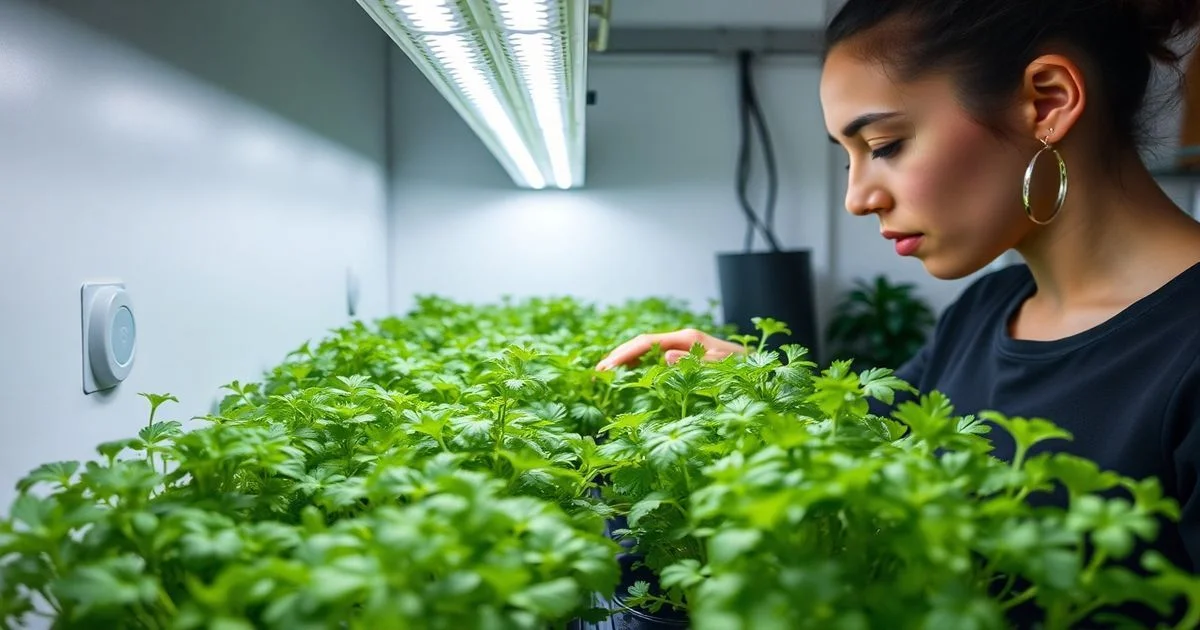
Creating a sustainable indoor herb garden is now more accessible and vital than ever, offering fresh produce regardless of your living space or external climate. Imagine plucking vibrant basil or aromatic rosemary directly from your kitchen counter, irrespective of the season or external weather conditions. This vision is entirely achievable, and with the right approach, it can be remarkably environmentally friendly. This comprehensive guide will show you how to create a sustainable indoor herb garden, leveraging cutting-edge technology and smart practices to ensure a bountiful and eco-conscious harvest. For the tech-savvy individual, building a sustainable indoor herb garden isn't just about cultivating plants; it's about engineering a micro-ecosystem that thrives on efficiency, automation, and data-driven optimization.
- The Appeal of Indoor Herb Gardens in a Modern World
- Deconstructing the Sustainable Indoor Herb Garden Ecosystem
- Key Components for a Sustainable Indoor Herb Garden
- Building Your Sustainable Indoor Herb Garden: A Step-by-Step Tech-Forward Guide
- Pillars of Sustainability in Your Indoor Herb Garden
- Advanced Techniques and Future Outlook for Indoor Herb Gardening
- Pros and Cons of a Sustainable Indoor Herb Garden
- The Future of Home Cultivation
- Conclusion: Cultivating a Greener Tomorrow, Today
- Frequently Asked Questions
- Further Reading & Resources
The Appeal of Indoor Herb Gardens in a Modern World
In an era defined by technological advancement and a growing awareness of our environmental footprint, the concept of bringing agriculture indoors has moved from niche hobby to mainstream aspiration. An indoor herb garden offers a unique blend of culinary convenience, aesthetic appeal, and significant educational value. Beyond the immediate gratification of having fresh ingredients at your fingertips, there's a profound satisfaction in nurturing life within your living space, especially when it’s done sustainably.
Why Choose Indoor Over Outdoor?
Traditional outdoor gardening is wonderful, but it comes with inherent limitations: dependency on climate, seasonal restrictions, pest infestations, and often, significant water consumption. Indoor gardening sidesteps many of these challenges.
- Climate Control: You dictate the environment. Temperature, humidity, and light cycles are entirely within your command, allowing for year-round growth of even delicate herbs.
- Pest Reduction: A controlled indoor environment significantly reduces the risk of pests and diseases, minimizing the need for chemical interventions.
- Space Efficiency: From vertical setups to compact countertop units, indoor gardens maximize yield per square foot, making them ideal for apartments or small homes.
- Accessibility: Your herbs are always just steps away, encouraging more cooking with fresh ingredients and reducing food waste.
The Sustainability Mandate
"Sustainable" isn't just a buzzword; it's a critical design principle for any modern system, especially one that interacts with natural resources. For an indoor herb garden, sustainability translates to optimizing resource usage—water, energy, and nutrients—to minimize environmental impact while maximizing productivity. It means designing a system that is efficient, resilient, and ideally, self-regulating. This focus on efficiency and closed-loop systems aligns perfectly with a tech-savvy mindset, where optimization and data are key to success. For more tips on nurturing your botanical friends, consider our guide on how to properly care for indoor houseplants.
Deconstructing the Sustainable Indoor Herb Garden Ecosystem
At its core, a sustainable indoor herb garden is a finely tuned ecosystem that replicates and optimizes natural growth conditions within a controlled environment. Understanding how each component contributes to the whole is crucial for successful implementation. It's akin to setting up a miniature, automated farm in your home.
Core Principles of Indoor Plant Growth
All plants require a few fundamental elements to thrive:
- Light: Essential for photosynthesis, the process by which plants convert light energy into chemical energy for growth.
- Water: Acts as a solvent for nutrients and transports them throughout the plant, also crucial for turgidity.
- Nutrients: Macronutrients (nitrogen, phosphorus, potassium) and micronutrients (iron, zinc, manganese, etc.) are vital for various physiological processes.
- Air Circulation/CO2: Carbon dioxide is a key ingredient for photosynthesis, and good air circulation prevents fungal diseases.
- Temperature & Humidity: Optimal ranges exist for different plant species to support metabolic activity.
A sustainable system aims to deliver these elements precisely when and where they are needed, with minimal waste.
The Role of Technology in Sustainability
Technology transforms a simple indoor garden into a smart, sustainable powerhouse. It enables:
- Precision Control: Fine-tuning environmental parameters (light intensity, nutrient delivery) to optimal levels.
- Resource Efficiency: Minimizing water, energy, and nutrient waste through intelligent sensing and automation.
- Data-Driven Optimization: Collecting data on growth parameters and using it to refine settings and predict yields.
- Remote Management: Monitoring and adjusting your garden from anywhere, ensuring consistent care.
Think of it as applying "DevOps" principles to agriculture, where continuous monitoring, feedback loops, and automation lead to improved "production" (your herbs).
Key Components for a Sustainable Indoor Herb Garden
Building an efficient indoor herb garden requires thoughtful selection and integration of several technological and horticultural components. Each plays a vital role in creating a self-sustaining, productive environment.
Intelligent Lighting Systems
Light is the engine of plant growth. Traditional incandescent or fluorescent lights are often inefficient and produce too much heat. The solution for sustainable indoor gardening lies in advanced LED (Light Emitting Diode) grow lights.
LED Grow Lights: The Pinnacle of Efficiency
LEDs are revolutionizing indoor horticulture due to their energy efficiency, tunable spectrum, and long lifespan.
- Energy Efficiency: LEDs consume significantly less electricity than other lighting types. A typical 50W LED grow light can replace a 150W HID lamp while producing similar photosynthetic photon flux density (PPFD). Studies show LEDs can reduce energy consumption by 40-60% compared to traditional HPS lights.
- Tunable Spectrum: Plants primarily utilize red and blue light for photosynthesis. Blue light promotes vegetative growth (leafy greens), while red light encourages flowering and fruiting. Full-spectrum LEDs mimic natural sunlight, but advanced models allow for precise control over the ratio of different light wavelengths. This means you can customize the light recipe for specific herbs, optimizing their growth and flavor profiles.
- Example: A lettuce crop might thrive under a higher blue light percentage (e.g., 60% blue, 40% red), while basil might prefer a more balanced spectrum.
- Low Heat Emission: LEDs produce very little radiant heat, allowing them to be placed closer to plants without causing damage. This also reduces the energy required for cooling the grow space.
- Longevity: Most quality LED grow lights boast a lifespan of 50,000 to 100,000 hours, significantly reducing replacement frequency and waste.
Smart Light Control
Integrating smart plugs or dedicated grow light controllers allows for automated on/off cycles and even intensity adjustments. Wi-Fi-enabled smart plugs can be scheduled via a smartphone app, ensuring your herbs receive a consistent 12-16 hours of light per day without manual intervention. Some high-end systems incorporate light sensors to automatically adjust intensity based on ambient light conditions, ensuring consistent PPFD.
Advanced Growing Mediums and Hydroponic Systems
While soil is the traditional medium, sustainable indoor herb gardens often lean towards soilless culture, primarily hydroponics or aeroponics, for their unparalleled efficiency.
Hydroponics: Water-Based Efficiency
Hydroponics is a method of growing plants without soil, using mineral nutrient solutions dissolved in water. This system is inherently more sustainable in terms of water usage.
- Water Savings: Hydroponic systems recirculate water, reducing consumption by up to 90% compared to traditional soil gardening. A study by NASA showed hydroponics using 1/10th of the water of field farming. This closed-loop approach minimizes evaporation and runoff.
- Nutrient Delivery: Nutrients are delivered directly to the plant roots in precise concentrations, eliminating nutrient runoff and waste common in soil gardening. This direct delivery also allows plants to absorb nutrients more efficiently, leading to faster growth rates (often 25-50% faster than soil-grown plants).
- System Types:
- Deep Water Culture (DWC): Plants are suspended with their roots submerged in a nutrient solution. Simple and effective for many herbs.
- Nutrient Film Technique (NFT): A thin film of nutrient solution flows over the roots. Ideal for plants with shallow root systems like leafy greens.
- Wick System: Passive system where a wick draws nutrient solution up to the growing medium. Simple for beginners.
- Ebb and Flow (Flood and Drain): The growing medium is periodically flooded with nutrient solution and then drained.
-
Growing Media: While soil-less, hydroponics still requires a medium to support the plants.
- Rockwool: Inert, pH-neutral, excellent water retention.
- Coco Coir: A sustainable byproduct of coconut processing, good aeration and water retention.
- Clay Pebbles (Hydroton): Reusable, provide good aeration, but don't retain much water.
Aeroponics: Maximizing Air and Nutrients
Aeroponics is an even more advanced soilless system where plant roots are suspended in the air and misted with nutrient solution.
- Superior Aeration: Roots have maximum access to oxygen, leading to extremely rapid growth.
- Minimal Water Use: Uses even less water than hydroponics, as nutrient solution is delivered as a fine mist directly to the roots.
- Complex Setup: Requires specialized misters and pumps, making it more intricate than hydroponics.
Smart Sensors and Environmental Monitoring
The "smart" in a sustainable indoor herb garden comes from its ability to constantly monitor and react to environmental conditions. This requires a suite of sensors.
- pH Sensors: Crucial for hydroponic systems. Plants can only absorb nutrients effectively within a specific pH range (typically 5.5-6.5 for most herbs). A pH sensor provides real-time data, and automated systems can dispense pH adjusters to maintain the ideal level.
- Electrical Conductivity (EC) Sensors: Measures the concentration of dissolved nutrients in the water. An EC sensor ensures plants receive optimal nutrient levels, preventing both over-fertilization (wasteful and harmful) and under-fertilization (stunted growth).
- Temperature and Humidity Sensors: Monitor ambient conditions. Automated ventilation fans or humidifiers/dehumidifiers can be triggered to maintain optimal ranges, preventing issues like mold or heat stress.
- Water Level Sensors: In hydroponic reservoirs, these sensors alert you to low water levels or can trigger an automatic refill pump.
- CO2 Sensors: While not always necessary for small home setups, for maximizing yield, supplemental CO2 can significantly boost growth. Sensors monitor CO2 levels, triggering a CO2 generator or tank release when needed.
These sensors feed data into a central controller (often a Raspberry Pi, Arduino, or a dedicated smart garden hub), which then automates other components.
Automated Nutrient Delivery and Water Management
Manual nutrient mixing and watering are time-consuming and prone to human error. Automation enhances sustainability by ensuring precision.
- Dosing Pumps: Peristaltic pumps or diaphragm pumps can automatically add nutrient concentrates and pH adjusters to the reservoir based on sensor readings. This ensures precise, consistent nutrient levels, reducing waste and optimizing plant health.
- Recirculation Pumps: In hydroponic systems, a submersible pump ensures the nutrient solution is constantly circulated and oxygenated, preventing stagnation and promoting uniform nutrient distribution.
- Automatic Refill Systems: Connected to a freshwater source and a water level sensor, these systems can automatically top off the reservoir when levels drop, ensuring continuous operation.
- Water Filtration: A simple carbon filter can extend the life of your nutrient solution and reduce the buildup of undesirable compounds.
Building Your Sustainable Indoor Herb Garden: A Step-by-Step Tech-Forward Guide
Embarking on the journey to create a sustainable indoor herb garden is an exciting blend of engineering and horticulture. This section outlines a practical, tech-focused approach to setting up your system.
1. Planning and Design: The Blueprint for Success
Before purchasing any equipment, careful planning is paramount.
- Choose Your Herbs: Research the light, nutrient, pH, and temperature requirements for the herbs you wish to grow. Common choices for beginners include basil, mint, oregano, thyme, and chives, as they adapt well to indoor conditions. If you're also interested in larger-scale green initiatives, explore how to start a sustainable backyard vegetable garden.
- Select Your System Type:
- Small Scale/Beginner: An all-in-one hydroponic countertop system (e.g., AeroGarden, Lettuce Grow) offers simplicity but less customization.
- Medium Scale/DIY: A DWC or NFT system built from common components (storage bins, PVC pipes) allows for greater control and scalability. This is where the tech-savvy individual can truly shine.
- Advanced/Vertical: Consider vertical towers or wall-mounted systems for maximizing space and yield.
- Location Scouting: Choose a location with stable temperatures, access to an electrical outlet, and preferably away from direct sunlight (which can cause algae growth in hydroponic systems). Kitchens, spare rooms, or even a dedicated grow tent can work.
- Budget Allocation: Smart systems can range from a few hundred dollars for basic setups to several thousand for fully automated, large-scale systems. Prioritize high-quality, energy-efficient components.
2. System Setup: Assembling Your Smart Ecosystem
For a DIY hydroponic system, here’s a common approach:
A. The Grow Structure:
- Reservoir: A light-proof, food-grade container (e.g., 5-gallon bucket or storage tote) for the nutrient solution. Light exclusion is crucial to prevent algae.
- Lid/Grow Tray: A lid for the reservoir with holes cut for net pots. For NFT, a slightly sloped channel system is needed.
- Net Pots: Plastic mesh pots that hold the plant and growing medium (rockwool, coco coir) and allow roots to access the nutrient solution.
B. Lighting Installation:
- Mount your chosen LED grow light above the grow area. Ensure it can be adjusted in height as plants grow. Most herbs require 6-12 inches distance, but consult your light's specifications.
- Connect the light to a smart plug or a dedicated grow light controller for automated scheduling.
C. Hydroponic Component Assembly:
- Air Pump & Air Stone (for DWC): Place an air stone in the reservoir and connect it via airline tubing to an air pump outside the reservoir. This oxygenates the nutrient solution, preventing root rot and promoting nutrient uptake.
- Submersible Water Pump (for NFT/Ebb & Flow): Position the pump in the reservoir, connected to tubing that delivers the nutrient solution to your grow channels or flood tray.
- Tubing and Fittings: Securely connect all tubing to prevent leaks.
- Drainage (for NFT/Ebb & Flow): Ensure a return line brings the nutrient solution back to the reservoir.
D. Sensor Integration:
- Install pH, EC, temperature, and water level sensors directly into your reservoir.
- Mount humidity and ambient temperature sensors in the grow area.
- Connect all sensors to your chosen controller (e.g., Raspberry Pi, Arduino with relevant shields, or commercial grow controller).
E. Controller Setup & Programming:
This is where the "tech-savvy" comes in. Program your controller to:
- Read sensor data at regular intervals.
- Control the light schedule.
- Activate the air pump (if DWC) or water pump (for other systems) on a schedule.
- (Advanced) Trigger dosing pumps for pH and EC adjustments.
- (Advanced) Send alerts to your smartphone if parameters deviate significantly or the water level is low.
- (Advanced) Control fans for air circulation.
3. Planting and Propagation
- Seed Germination: Start seeds in rockwool cubes or coco coir plugs. Keep them moist and warm until they sprout.
- Transplanting: Once seedlings have a few true leaves and visible roots emerging from the net pot, transfer them to your hydroponic system.
-
Nutrient Solution Preparation:
- Fill the reservoir with dechlorinated water.
- Add hydroponic nutrients according to the manufacturer's instructions for the vegetative stage of herbs. Start with a lower concentration (e.g., half strength) for seedlings.
- Use your pH meter to adjust the solution to the target pH (5.5-6.5).
4. Monitoring and Maintenance: The Ongoing Loop
This is where the automation truly shines, but human oversight remains critical.
- Regular Checks: Even with automation, manually check your plants and system daily for any signs of stress, pests, or equipment malfunction. Look for discolored leaves, wilting, or unusual smells.
- Nutrient Solution Management:
- pH & EC: Your automated system should handle this. If manual, check daily and adjust as needed.
- Top-offs: Top off the reservoir with plain, pH-adjusted water (not nutrient solution) as water evaporates, as plants consume water faster than nutrients.
- Reservoir Change: Completely replace the nutrient solution every 1-2 weeks to prevent nutrient imbalance and pathogen buildup. Clean the reservoir thoroughly.
- Pruning: Regularly prune your herbs to encourage bushier growth and prevent them from becoming leggy. This also helps with air circulation.
- Pest and Disease Management: If issues arise, address them immediately using organic methods (e.g., neem oil, insecticidal soap, introducing beneficial insects). Good air circulation and proper humidity control are your first lines of defense.
Pillars of Sustainability in Your Indoor Herb Garden
Beyond just growing plants indoors, the true challenge and reward lie in making the system genuinely sustainable. This means minimizing environmental impact across multiple vectors.
Water Efficiency: The Hydroponic Advantage
As mentioned, hydroponics drastically reduces water usage. The closed-loop nature of most systems means water is recirculated, not lost to evaporation or soil runoff. To further enhance this:
- Evaporation Reduction: Use reservoir lids and cover any exposed nutrient solution to minimize evaporation.
- Condensation Collection: In very controlled environments (e.g., grow tents), condensation can be collected and returned to the reservoir, though this is typically for larger setups.
- Optimal Irrigation Cycles: Automated pumps ensure water is delivered precisely, avoiding overwatering or underwatering, both of which can be wasteful.
Energy Efficiency: Lighting and Environmental Controls
While LED lights are energy-efficient, they still consume power.
- Optimized Light Schedules: Ensure lights are only on for the necessary duration (e.g., 14-16 hours for most herbs). Use smart timers to avoid unnecessary operation.
- Passive Environmental Control: Place your garden in a room with stable ambient temperatures to reduce the need for supplemental heating or cooling. Good insulation helps.
- Efficient Fans: Use energy-efficient DC fans for air circulation instead of AC models where possible.
- Smart Energy Monitoring: Integrate smart plugs with energy monitoring capabilities to track consumption and identify potential inefficiencies. This data can inform further optimization.
Waste Reduction: From Medium to Nutrients
Minimizing waste is a hallmark of sustainability.
- Reusable Growing Media: Use coco coir or clay pebbles, which can often be sterilized and reused for multiple growing cycles. Rockwool is less sustainable as it's not biodegradable.
- Composting Plant Waste: Pruned leaves and spent plants can be composted, much like the principles discussed in basic techniques for sustainable home composting.
- Recycling Components: Choose systems with durable components that can be repaired or recycled at the end of their lifespan.
Integrated Pest Management (IPM)
Chemical pesticides are antithetical to sustainability. IPM focuses on prevention and non-toxic solutions.
- Sanitation: Keep your grow area clean. Remove dead leaves and debris regularly.
- Monitoring: Regularly inspect plants for early signs of pests.
- Biological Controls: Introduce beneficial insects (e.g., ladybugs for aphids) for persistent infestations.
- Organic Sprays: Use neem oil or insecticidal soaps as a last resort, applied sparingly.
- Air Circulation: Good airflow helps deter fungal diseases and some pests.
Resource Sourcing and Lifecycle Thinking
Consider the origin and lifecycle of your inputs.
- Nutrient Sourcing: Look for sustainably sourced or organic-certified hydroponic nutrients.
- Seed Sourcing: Choose organic, non-GMO seeds from reputable suppliers.
- Component Durability: Invest in high-quality, long-lasting pumps, lights, and sensors to reduce the frequency of replacements and their associated environmental costs.
Advanced Techniques and Future Outlook for Indoor Herb Gardening
For the truly tech-savvy and forward-thinking enthusiast, the world of indoor gardening offers endless possibilities for optimization and innovation.
Machine Learning and AI in Home Grow Systems
While still largely nascent for home use, the principles of AI and ML are rapidly making their way into controlled environment agriculture (CEA).
- Predictive Analytics: Imagine a system that predicts nutrient deficiencies days before they appear, based on historical growth data and environmental conditions. AI can analyze sensor data, growth images (via integrated cameras), and environmental variables to identify patterns and recommend precise adjustments.
- Automated Anomaly Detection: ML algorithms can learn what "healthy" growth looks like for your specific herbs and alert you to subtle changes that might indicate stress, pests, or disease long before they become visible to the human eye.
- Growth Optimization Algorithms: AI can iterate through different light spectrums, nutrient concentrations, and watering schedules to discover the optimal "recipe" for maximum yield, flavor, or nutritional content, tailoring conditions to specific plant genetics. This is a complex optimization problem that AI excels at.
- Robotics (Miniaturized): While beyond current home systems, future iterations might see small robotic arms for automated pruning, harvesting, or even seeding, managed by AI.
Vertical Farming Integration at Home
Vertical farming, common in commercial operations, involves stacking growing layers vertically to maximize space. This concept is increasingly being miniaturized for home use.
- Modular Stackable Units: Systems where multiple grow trays can be stacked one above the other, each with its own LED lighting. This exponentially increases the yield from a small footprint.
- Integrated Water Management: Designing a system where water flows from the top layer down to subsequent layers, eventually returning to a central reservoir, further enhancing water efficiency.
- Space Optimization: Ideal for urban dwellers, allowing a small corner or wall to become a highly productive garden.
Data-Driven Nutrient and Environmental Adjustments
Beyond simple sensor readings, advanced systems can use data analytics to fine-tune every aspect of the growing environment.
- Dynamic Nutrient Recipes: Instead of a static nutrient concentration, a system could dynamically adjust the ratio of N-P-K and micronutrients based on the plant's growth stage, observed deficiencies, and real-time EC/pH fluctuations.
- Closed-Loop CO2 Management: Sensors monitor CO2 levels, and a smart controller only releases CO2 when lights are on and plants are actively photosynthesizing, minimizing waste.
- Environmental Zoning: For larger home setups, different zones could be created, each with unique environmental parameters optimized for different herb types, all controlled by a central system.
Pros and Cons of a Sustainable Indoor Herb Garden
While the benefits are numerous, it’s important to approach this endeavor with a balanced perspective, understanding both the advantages and potential challenges.
Advantages
- Year-Round Fresh Produce: Enjoy fresh, organic herbs regardless of season or climate. This offers unparalleled culinary flexibility and reduces dependency on store-bought, often pesticide-treated alternatives.
- Significant Resource Efficiency: Drastically reduced water consumption (up to 90% less than soil), optimized energy use with LEDs, and precise nutrient delivery contribute to a smaller environmental footprint.
- Enhanced Flavor and Nutrition: Herbs grown in optimized conditions often exhibit richer flavors and higher nutritional content due to stress-free growth and precise nutrient uptake.
- Pest and Disease Control: The controlled environment dramatically minimizes exposure to outdoor pests and pathogens, reducing or eliminating the need for harmful chemical treatments.
- Educational and Therapeutic Value: Engaging with a smart garden provides hands-on learning about plant biology, environmental control systems, and automation. It can also be a calming and rewarding hobby.
- Reduced Food Miles: Growing your own herbs eliminates the need for transportation, reducing carbon emissions associated with food supply chains.
- Space Efficiency: Ideal for urban living, vertical and compact systems allow for substantial yields in minimal space.
Disadvantages
- Initial Setup Cost: High-quality LED grow lights, hydroponic systems, sensors, and automation controllers can represent a significant upfront investment compared to traditional gardening.
- Technical Complexity: While rewarding, setting up and maintaining a smart, sustainable system requires a certain level of technical aptitude and a willingness to learn about electronics, programming, and plant science.
- Reliance on Electricity: These systems are entirely dependent on electricity for lights, pumps, and sensors. Power outages can severely impact your garden. Backup power solutions might be necessary for critical setups.
- Potential for System Failure: As with any complex system, components can fail (pumps clog, sensors malfunction, software glitches), requiring troubleshooting and potential replacement.
- Maintenance Commitment: While automation reduces daily chores, regular maintenance like reservoir changes, pruning, and occasional system checks are still necessary. It's not a "set it and forget it" system entirely.
- Nutrient Management: Maintaining the correct balance of nutrients and pH can be tricky, especially for beginners, and errors can quickly harm plants.
- Disposal of Spent Media (if not reusable): Some growing media (like rockwool) are not biodegradable and contribute to waste if not properly managed.
The Future of Home Cultivation
The trajectory for home-based sustainable cultivation is undeniably upward. As technology becomes more accessible and intuitive, we can expect to see integrated systems that are not only smarter but also more aesthetically pleasing and seamlessly integrated into smart homes. Imagine your indoor herb garden communicating with your kitchen appliances, suggesting recipes based on what's ripe for harvest, or automatically ordering nutrient refills when supplies are low.
Miniaturized versions of commercial vertical farms, complete with AI-driven environmental controls and even compact robotic harvesting, might become a reality for the home user. The convergence of IoT, AI, and biotechnology promises a future where everyone can be a micro-farmer, contributing to personal food security and global sustainability, all from the comfort of their home. This paradigm shift will not only redefine our relationship with food but also empower individuals to take an active role in creating more resilient and sustainable local food systems.
Conclusion: Cultivating a Greener Tomorrow, Today
Building a sustainable indoor herb garden is more than just a hobby; it's a statement about responsible consumption, technological ingenuity, and a commitment to a healthier lifestyle. By embracing principles of energy efficiency, water conservation, and smart automation, you can cultivate a thriving oasis of fresh herbs, year-round, with minimal environmental impact.
From selecting the right LED lighting to implementing sophisticated hydroponic systems and integrating a network of smart sensors, every decision contributes to an optimized, eco-conscious growing environment. While there's an initial learning curve and investment, the long-term benefits—fresh, nutritious produce, reduced food miles, and a deeper connection to your food source—make it a profoundly rewarding endeavor. Embracing technology allows us to overcome traditional gardening limitations, empowering us to create a sustainable indoor herb garden that truly flourishes. Start your journey today, and savor the taste of a greener, smarter future.
Frequently Asked Questions
Q: What are the best herbs for a beginner's indoor garden?
A: Basil, mint, oregano, thyme, and chives are excellent choices for beginners. They are relatively forgiving, adapt well to indoor conditions, and have moderate light and nutrient requirements.
Q: How much water do hydroponic systems save compared to soil gardening?
A: Hydroponic systems can reduce water consumption by up to 90% compared to traditional soil gardening. This is due to water recirculation and minimized evaporation in closed-loop setups.
Q: Is a sustainable indoor herb garden expensive to set up?
A: Initial setup costs can be higher due to specialized equipment like LED grow lights, sensors, and pumps. However, long-term savings on water, nutrients, and fresh produce can offset this investment, along with environmental benefits.