Spring Breakers' Viral Geopolitics Gaffe Shocks Global Viewers
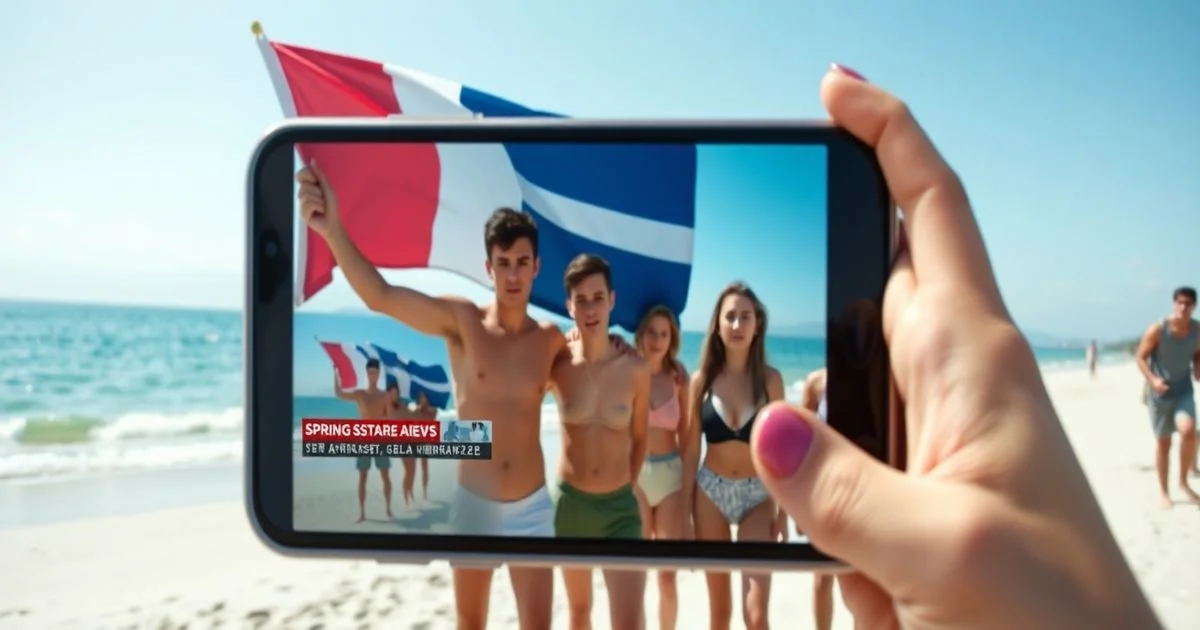
The recent Spring Breakers' Viral Geopolitics Gaffe Shocks global viewers, sending ripples across the internet and into diplomatic circles, proving once again that in the digital age, seemingly innocuous actions can carry significant weight. The "Spring Breakers' Viral Geopolitics Gaffe Shocks" has become a trending topic, sparking a global conversation about the responsibilities of individuals in the spotlight, however brief, and the rapid amplification of missteps in an interconnected world. What began as a carefree moment during a vacation quickly escalated into an international discussion, highlighting the delicate nature of global relations and the unforeseen impact of viral content. The gaffe, involving a group of American college students and a misinterpreted national symbol, quickly garnered millions of views and reactions, drawing criticism from government officials and cultural commentators alike.
The Unfolding of the Geopolitical Blunder
The incident, which took place in late February during a popular spring break destination in Cancun, Mexico, saw a group of American students, reportedly from various universities, engaging in what they believed was a humorous skit for a social media video. The footage, which rapidly circulated across platforms like TikTok and X (formerly Twitter), depicted the students playfully misidentifying a flag that bore a striking resemblance to that of a nation currently embroiled in a sensitive international dispute. Their on-camera comments, while perhaps intended as satire or mere jest, were quickly perceived by many as deeply disrespectful and woefully ignorant of the real-world implications of the ongoing conflict. This perceived trivialization of a serious international crisis further inflamed public sentiment, underscoring the chasm between digital performance and geopolitical reality.
The video quickly went viral, attracting millions of views within hours. Initially, the comments section was filled with amusement, but this quickly shifted to widespread condemnation as viewers from around the globe, particularly those from the misrepresented nation and its allies, expressed outrage. Critics pointed to the casual disregard for a serious geopolitical issue, arguing that the students' actions trivialized human suffering and diplomatic complexities. The incident highlighted how easily cultural insensitivity, even if unintended, can be magnified on a global scale through social media.
Initial Reactions and Online Firestorm
The immediate online reaction was a blend of shock, humor, and indignation. While some initially dismissed the event as typical spring break antics, a significant portion of the global online community recognized the gravity of the gaffe. Hashtags related to the incident quickly trended, with users debating the students' intentions versus the impact of their actions. Screenshots and clips of the video were reposted thousands of times, often accompanied by strong condemnations or calls for the students to apologize. The sheer speed and breadth of the viral spread underscored the power of social media to turn a private moment into a global spectacle, complete with international scrutiny.
The rapid virality also meant that context was often lost, and the original intent of the students (if any was discernable beyond a desire for online attention) became secondary to the perceived offense. This phenomenon is a common characteristic of viral content, where narratives are shaped and reshaped by collective interpretation, often without direct input from the original creators. The "Spring Breakers' Viral Geopolitics Gaffe Shocks" quickly became a case study in how quickly public opinion can form and solidify online.
Background: The Culture of Spring Break and Viral Content
Spring break has long been associated with carefree abandon and a temporary reprieve from academic pressures. Historically, it's been a period for students to unwind, socialize, and often engage in lighthearted, sometimes extravagant, activities. In recent years, however, the ubiquity of smartphones and social media has transformed spring break into a highly documented and performative event. Every moment can be captured, shared, and potentially go viral, changing the stakes for participants.
The pursuit of viral fame has become a significant driver of content creation, particularly among younger demographics. Content creators, often driven by algorithms that reward engagement, frequently push boundaries in search of clicks, likes, and shares. This environment, while fostering creativity and connection, also creates fertile ground for missteps, particularly when individuals lack awareness of broader cultural or political sensitivities. The line between harmless fun and offensive content has become increasingly blurred, and the consequences of crossing that line can be far-reaching.
The Rise of Digital Diplomacy and Public Scrutiny
In an era of digital diplomacy, where government officials and international bodies increasingly use social media for communication, public missteps can have tangible diplomatic repercussions. Nations are more sensitive than ever to how they are portrayed globally, and citizens are often quick to defend their national pride online. This heightened scrutiny means that even non-state actors, such as college students, can inadvertently become players on the geopolitical stage.
The incident with the spring breakers highlights a growing challenge: how to navigate a world where individual actions can be instantly amplified and interpreted through a geopolitical lens. It underscores the need for greater media literacy and global awareness, particularly among young people who are fluent in digital communication but may lack a comprehensive understanding of international affairs.
Analyzing the Spring Breakers' Viral Geopolitics Gaffe Shocks
The core of the gaffe lay in the students' apparent ignorance or disregard for the symbolism of a national flag and the ongoing conflict it represented. A national flag is not merely a piece of cloth; it embodies the history, struggles, and identity of a people. Misrepresenting or disrespecting it, especially in a public and viral manner, can be deeply offensive, regardless of the intent.
Moreover, the context of an ongoing international conflict added another layer of sensitivity. Wars and geopolitical tensions involve real human suffering and complex historical grievances. To treat such matters lightly, particularly from a position of privilege, is often perceived as a profound lack of empathy and understanding. The viral nature of the content ensured that this perceived insensitivity reached an audience far beyond the original spring break revelers, including those directly affected by the conflict.
Specifics of the Incident and Online Reaction
While details vary across numerous reports, eyewitness accounts and analysis of the viral video indicate the students held up a flag, which bore a strong resemblance to the flag of a sovereign nation, and made a series of jokes about its political leadership and current state of affairs. These remarks, delivered in a jovial tone, were quickly perceived as mocking by international observers. The students' laughter and seemingly oblivious demeanor in the video further fueled the backlash, as it suggested a lack of awareness about the gravity of the situation they were satirizing.
Online reactions were swift and severe. Government officials from the nation whose flag was implicated issued statements condemning the actions, calling them "disrespectful" and "uninformed." Diplomatic channels reportedly saw informal complaints and expressions of concern, underscoring the potential for such incidents to strain international relations, even if temporarily. Citizens of the affected country flooded social media with counter-videos, explaining the significance of their flag and the real-world impact of the conflict, attempting to educate the global audience.
Expert Opinion and Societal Commentary
Sociologists and communications experts have weighed in on the "Spring Breakers' Viral Geopolitics Gaffe Shocks," offering insights into why such incidents occur and their broader implications. Dr. Anya Sharma, a professor of media studies, noted, "This incident is a stark reminder of the globalized media landscape we inhabit. What happens in Cancun doesn't stay in Cancun anymore. Every public act, especially those amplified by social media, is subject to international scrutiny and interpretation."
International relations specialist Professor Mark Davison added, "There's a significant gap in geopolitical literacy, especially among younger generations in some Western countries. They are digital natives but often global novices. Universities and educators have a crucial role to play in fostering a more nuanced understanding of international affairs beyond national borders." He emphasized that while individual acts might seem minor, their collective impact on national image and diplomatic goodwill can be substantial.
Psychologists suggest that the "echo chamber" effect of social media might also play a role, where individuals primarily interact with like-minded peers, leading to a diminished capacity to anticipate diverse reactions from outside their immediate social bubble. This digital isolation, coupled with the relentless pressure to create engaging content, can foster a dangerous detachment from real-world geopolitical sensitivities. The algorithms that drive platform visibility often reward sensationalism and controversy, inadvertently incentivizing users to push boundaries without fully grasping the broader societal or diplomatic repercussions. The pursuit of viral content, therefore, can significantly override critical thinking and ethical considerations, as the immediate gratification of online attention frequently overshadows potential negative consequences and long-term reputational damage.
Impact and Ramifications
The immediate impact of the spring breakers' gaffe was an intense public relations headache for the students involved and their respective universities. Many of the students were quickly identified online, leading to calls for disciplinary action and a barrage of negative comments directed at them personally. Universities, keen to distance themselves from the controversy, issued statements emphasizing their commitment to global awareness and respect.
Beyond the personal repercussions, the incident has fueled a wider debate on digital ethics and global citizenship. It has prompted discussions in educational institutions about integrating more comprehensive international relations and cultural sensitivity training into curricula. The gaffe serves as a powerful cautionary tale about the pitfalls of public performance in the age of viral content and the enduring importance of understanding global contexts.
Furthermore, the event has reignited discussions among policymakers and digital platforms about content moderation and the responsibility of social media companies in curbing the spread of harmful or culturally insensitive material. While freedom of expression is paramount, the line between satire and offense, particularly in a geopolitical context, remains a challenging one to navigate. The "Spring Breakers' Viral Geopolitics Gaffe Shocks" has undoubtedly contributed to this ongoing global dialogue.
Lessons for Digital Citizens and Global Awareness
The incident offers several key lessons for individuals and institutions in the digital age:
- Think Before You Post: Every piece of content shared online has the potential for global reach and myriad interpretations.
- Context is King: Understanding the cultural, historical, and political context of any image, symbol, or statement is crucial to avoid unintended offense.
- Empathy and Respect: Approaching global issues with empathy and respect for diverse perspectives is not just a moral imperative but a practical necessity in an interconnected world.
- Digital Footprint: What goes online, stays online. Viral content can have long-lasting personal and professional ramifications.
- Educational Imperative: There is a clear need for enhanced education on global affairs, cultural sensitivity, and responsible digital citizenship across all levels of schooling.
Frequently Asked Questions
Q: What was the Spring Breakers' geopolitical gaffe?
A: A group of American college students misinterpreted and disrespected a national flag related to an ongoing international conflict in a viral social media video, sparking widespread criticism for its perceived insensitivity.
Q: Why did the gaffe cause such a strong reaction?
A: The incident went viral due to the students' apparent ignorance of a serious geopolitical issue and their casual disregard for a national symbol, which was seen as deeply disrespectful to the affected nation and its people.
Q: What are the implications of such viral incidents in digital diplomacy?
A: Viral gaffes highlight the heightened scrutiny on individual actions in the digital age, demonstrating how quickly missteps can strain international relations and underscoring the need for greater global awareness and media literacy.
Further Reading & Resources
- Understanding Viral Content and its Impact
- The Role of Flags in National Identity and Diplomacy
- Digital Diplomacy and International Relations
Conclusion
The "Spring Breakers' Viral Geopolitics Gaffe Shocks" serves as a potent reminder of the complexities of communication in our hyper-connected world. What began as a vacation stunt quickly transformed into an international incident, exposing the fragility of diplomatic relations and the immense power of digital platforms to amplify both genuine expression and inadvertent missteps. The gaffe underscores the critical importance of cultural sensitivity and geopolitical awareness in an era where anyone with a smartphone can inadvertently become a global influencer. As online content continues to shape public discourse and international perceptions, the incident serves as a crucial case study, urging individuals, educators, and platforms to prioritize global literacy and responsible digital citizenship to prevent future viral blunders.