The Deep Psychology of Fan Loyalty in Professional Team Sports
In the captivating world of professional team sports, the deep psychology of fan loyalty stands as a profound and enduring phenomenon, transcending mere entertainment. This deep psychological attachment transcends mere enjoyment of a game; it's a profound commitment that often defies logic, persisting through losing seasons, controversial decisions, and player changes. Understanding the core psychology of fan loyalty in professional team sports offers invaluable insights into human behavior, group dynamics, and the powerful role identity plays in our lives. This article delves into the intricate mechanisms that forge and sustain these passionate bonds, exploring everything from social identity theory to the neuroscience of emotional attachment.
- The Deep Roots of Fandom: Why We Pledge Allegiance
- Psychological Underpinnings of Fan Loyalty
- The Dynamics of Loyalty: What Sustains It?
- Challenges to Fan Loyalty in the Modern Era
- The Future of Fandom: Tech, Personalization, and Global Reach
- Conclusion: The Enduring Psychology of Fan Loyalty
- Frequently Asked Questions
- Further Reading & Resources
The Deep Roots of Fandom: Why We Pledge Allegiance
At its core, fandom is a form of social engagement, a powerful expression of identity, and a deep-seated human need for belonging. From ancient gladiatorial contests to modern-day super bowls, the act of supporting a team has always offered more than just entertainment; it provides a framework for community, shared experience, and collective emotion. This primal pull towards group affiliation is deeply embedded in our evolutionary history, where group survival often depended on cohesion and collective action. When we choose a team, we are not simply selecting a group of athletes; we are often adopting a narrative, an ethos, and a set of values that resonate with our personal beliefs and aspirations. This initial choice can be influenced by geography, family tradition, a specific player's charisma, or even a serendipitous first game experience.
Once that initial connection is made, a complex interplay of psychological factors begins to solidify the bond. Fandom becomes a lens through which we interpret success and failure, a source of both immense joy and profound disappointment. It shapes conversations, informs fashion choices, and even dictates social calendars. The intensity of this allegiance can be staggering, leading individuals to invest significant financial resources, emotional energy, and personal time into their chosen team. From purchasing merchandise to traveling across continents for away games, the commitment demonstrates a level of devotion rarely seen outside of personal relationships. This loyalty is further reinforced by the episodic nature of sports, where every game offers a fresh narrative, a new chance for glory or despair, keeping fans perpetually engaged and hopeful.
The appeal extends beyond the outcome of the game itself. It’s about the stories, the rivalries, the underdog triumphs, and the collective catharsis. Sports provide a safe emotional outlet, a space where intense feelings can be expressed without real-world consequences. This emotional release, combined with the shared experience of cheering alongside thousands of fellow fans, reinforces a sense of collective identity that is both exhilarating and deeply satisfying. This foundation of belonging and shared purpose is what makes fan loyalty such a robust and enduring aspect of the human experience.
Psychological Underpinnings of Fan Loyalty
The commitment demonstrated by sports fans is not accidental; it is driven by a series of powerful psychological principles that tap into fundamental human needs and cognitive biases. Understanding these underpinnings is crucial to grasping the resilience of fan loyalty, even in the face of adversity. These mechanisms explain why fans stick with their teams through thick and thin, often exhibiting an almost tribal devotion.
Social Identity Theory: 'We' Against 'Them'
One of the most robust explanations for fan loyalty comes from Social Identity Theory (SIT), developed by Henri Tajfel and John Turner. SIT posits that individuals derive a sense of identity and self-esteem from their membership in social groups. When someone identifies as a fan of a particular team, that team becomes an extension of their self-concept. The success of the team is perceived as personal success, and its failures are felt as personal setbacks. This phenomenon is often referred to as "basking in reflected glory" (BIRGing), where fans enhance their self-esteem by publicly associating with a successful team. Conversely, fans may "cut off reflected failure" (CORFing) by distancing themselves from a losing team, although true loyalists resist this urge.
The "we" against "them" mentality is a core component of SIT. Sporting rivalries amplify this effect, creating clear in-groups (our team, our fans) and out-groups (their team, their fans). This categorization fuels competitive emotions, strengthens in-group cohesion, and fosters a sense of collective identity. Research has shown that even minimal group affiliation can lead to favoritism towards in-group members and discrimination against out-group members. In sports, this translates into unwavering support for one's team and a sometimes exaggerated dislike for opposing teams and their supporters. This tribalism, while sometimes leading to negative behaviors, is a powerful force in cementing fan loyalty, providing a clear boundary for one's identity.
For example, a supporter of Manchester United feels a strong bond with other United fans, a shared history, and a common adversary in Liverpool. This collective identity provides a sense of belonging and meaning that transcends individual experiences. The very act of wearing a team jersey or shouting chants becomes a public declaration of allegiance, reinforcing both individual and group identity.
Self-Esteem & Group Affiliation: Basking in Reflected Glory (BIRGing)
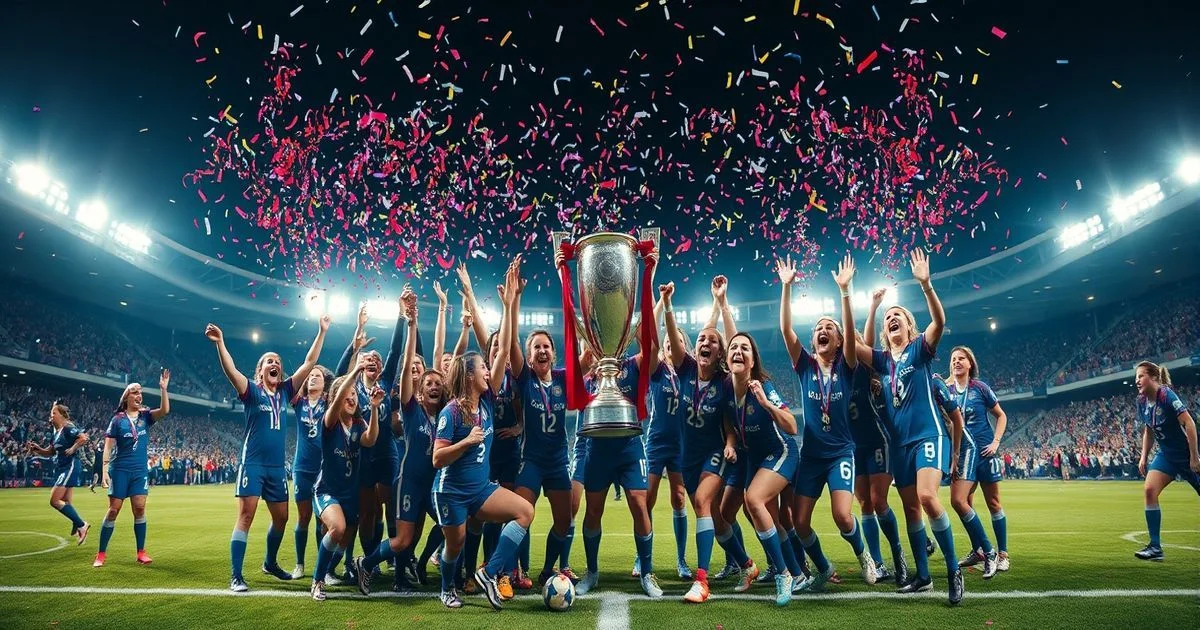
As mentioned, the concept of BIRGing is central to understanding the personal benefits derived from fan loyalty. When a team wins, particularly a significant championship, fans often feel a surge of positive emotion and a boost to their personal self-esteem. They might say "we won" even though they had no direct involvement in the game. This vicarious achievement allows individuals to share in the glory and feel a sense of accomplishment by association. It's a way for fans to feel part of something bigger and more successful than themselves, momentarily alleviating personal insecurities or enhancing self-worth. This psychological reward system is a powerful motivator for continued loyalty.
Beyond BIRGing, the simple act of group affiliation satisfies a fundamental human need for connection. Being part of a fan base means sharing an experience with millions of others, creating bonds based on common interests and shared emotional journeys. This sense of community provides social support, reduces feelings of isolation, and can even contribute to an individual's mental well-being. Attending games, joining fan clubs, or engaging in online discussions about the team all contribute to this sense of belonging, forging durable social ties that extend beyond the sport itself. These social connections reinforce loyalty because breaking away from the team would also mean breaking away from a valued social network.
Consider the enduring appeal of collegiate sports in the United States, where alumni often maintain intense loyalty to their alma mater's teams decades after graduation. This loyalty is deeply intertwined with their self-identity, memories of their youth, and ongoing social connections with fellow alumni. The team's success reflects positively on the institution and, by extension, on their own personal history and achievements, reinforcing a virtuous cycle of identification and support.
Emotional Investment & Escapism
Professional sports are inherently dramatic, filled with narratives of triumph, tragedy, suspense, and redemption. These narratives elicit strong emotional responses from fans, ranging from ecstatic joy to profound despair. This emotional rollercoaster is precisely what makes sports so compelling and addictive. Fans invest not just their time and money, but also their emotions, creating a deep psychological attachment to the team and its players. This emotional investment fosters empathy with the athletes, particularly when their personal struggles or comeback stories are highlighted. When a star player overcomes injury to lead their team to victory, fans often feel a profound sense of shared triumph.
Furthermore, sports offer a powerful form of escapism. In a world often fraught with personal and professional stresses, cheering for a team provides a temporary reprieve from daily worries. For a few hours, fans can immerse themselves completely in the drama of the game, forgetting their own troubles as they live vicariously through the athletes on the field or court. This psychological benefit is a potent driver of loyalty. The ability to switch off from mundane reality and engage in an intense, communal emotional experience is incredibly valuable. For a deeper understanding of how psychological benefits derive from specific practices, consider exploring The Psychological Benefits of Minimalism in Modern Living. This escape is often enhanced by rituals—wearing specific attire, gathering with friends, performing pre-game routines—which further reinforce the sense of immersion and separation from everyday life.
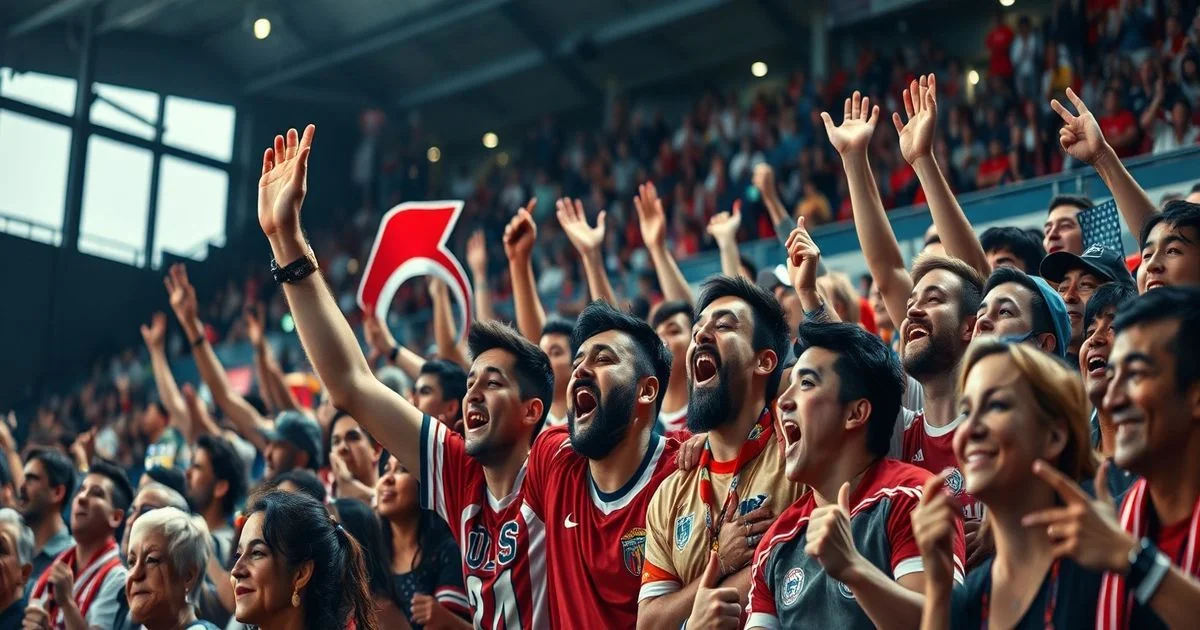
For many, the stadium or arena becomes a sacred space, a sanctuary where collective passion reigns supreme. The roar of the crowd, the shared gasps, the synchronized chants—all contribute to an almost transcendent experience. This collective emotional effervescence creates a powerful bond, not only with the team but also with the fellow fans who share in the intensity. This blend of individual emotional investment and communal emotional experience creates a strong psychological anchor for continued loyalty.
Nostalgia & Intergenerational Bonds
Fan loyalty is often deeply rooted in nostalgia and the powerful influence of intergenerational bonds. Many individuals become fans of a particular team because it was passed down to them by family members – a parent, grandparent, or older sibling. This tradition imbues the team with a sense of history, heritage, and personal significance. The stories shared about past triumphs, legendary players, and iconic moments create a rich tapestry of memories that link personal identity to the team's narrative. This inherited loyalty is particularly robust because it is intertwined with fundamental family connections and cherished childhood memories. The team effectively becomes a symbol of family unity and shared heritage.
Nostalgia plays a crucial role in sustaining this loyalty over decades. Memories of past glories, specific players, or even the feeling of attending games in one's youth evoke powerful emotions that reinforce the bond. Even if a team goes through a long period of underperformance, these nostalgic feelings can prevent fans from abandoning their allegiance. The hope that the team might one day return to its former glory, echoing those cherished memories, acts as a powerful motivator for continued support. Fans often hold onto a romanticized version of their team's history, which helps them weather current disappointments.
This intergenerational transfer of loyalty creates a continuous cycle, ensuring that new generations adopt the same allegiances. Parents take their children to games, buy them team merchandise, and share stories, effectively indoctrinating them into the fan base. This ritualistic transmission ensures the longevity of fan bases and creates a shared cultural experience that spans decades. For example, a young child wearing a vintage jersey passed down from their grandfather is not just wearing a piece of clothing; they are embodying a lineage of fandom, connecting with their family's history through the shared love of a team.
The Dynamics of Loyalty: What Sustains It?
While the initial psychological underpinnings forge the bond, ongoing dynamics and strategic efforts are essential for sustaining fan loyalty over the long term. This involves a continuous interplay between team performance, player narratives, the fan experience, and shrewd marketing. It's not a static relationship but one that constantly evolves and requires nurturing.
Team Performance & Management
Unsurprisingly, a team's performance is a significant factor in sustaining fan loyalty. Consistent success generates positive emotions, reinforces the "basking in reflected glory" effect, and makes it easier for fans to maintain their identification with the team. Winning attracts new fans and galvanizes existing ones, creating a virtuous cycle of engagement and support, much like the buzz around major events such as the IPL 2026 Season Opener. However, loyalty is truly tested during periods of poor performance. While fair-weather fans may drift away, truly devoted supporters often deepen their commitment, viewing it as a badge of honor to stick by their team during tough times. This perseverance is often fueled by hope for future success and a belief in the team's eventual return to glory.
Beyond wins and losses, the quality of team management plays a critical role. Fans want to see competence, strategic vision, and a genuine commitment to success from ownership, coaching staff, and the front office. Transparency in decision-making, effective player recruitment, and a willingness to invest in the team's future all contribute to fan trust and sustained loyalty. Conversely, perceived mismanagement, questionable coaching decisions, or a lack of accountability can erode trust, leading to disillusionment even among loyal fans. If fans feel that the leadership doesn't care as much as they do, or is incompetent, their emotional investment can wane.
For example, a team that consistently fails to make the playoffs but shows signs of strong player development and a clear long-term strategy might retain more loyalty than a team that splurges on expensive free agents every year with no coherent plan. Fans value a sense of direction and integrity from their club's leadership, which reinforces their belief that their emotional investment is well-placed.
Player Idolatry & Narrative Arcs
Individual players often become focal points for fan loyalty, sometimes even transcending the team itself. Charismatic players, those who demonstrate exceptional skill, leadership, or an inspiring personal story, can become idols for fans. Their triumphs are celebrated intensely, and their struggles are met with empathy. The "narrative arc" of a player—their journey from rookie to superstar, their overcoming of injuries, or their dedication to the team—creates a compelling story that fans emotionally invest in. Fans project their hopes and dreams onto these athletes, seeing them as avatars of resilience and ambition.
The departure of a beloved player, especially to a rival team, can be a profound blow to fan loyalty, sometimes leading to a sense of betrayal. However, the team's ability to develop new stars or create compelling narratives around its existing roster helps to mitigate this. Organizations understand this dynamic and often focus on promoting player personalities, sharing behind-the-scenes content, and highlighting individual achievements to foster deeper connections. The cult of personality around figures like Michael Jordan, Lionel Messi, or Tom Brady showcases how individual brilliance and compelling life stories can galvanize vast fan bases and sustain engagement for decades.
This player-centric loyalty is particularly prominent in sports like basketball and football (soccer), where individual stars can dramatically influence a team's fortunes and capture the global imagination. Their social media presence, personal brands, and public personas become integral to the overall fan experience, further deepening the emotional ties between fans and their heroes.
Stadium Experience & Community
The physical experience of attending a game plays a crucial role in reinforcing fan loyalty. Modern sports venues are designed not just for viewing a game, but for creating an immersive, communal experience. State-of-the-art facilities, diverse food and beverage options, interactive fan zones, and engaging entertainment all contribute to making game day a memorable event. This experience extends beyond the 90 minutes of play; it includes tailgating, pre-game rituals, and post-game celebrations. These collective experiences enhance the sense of belonging and make the stadium a social hub.
The stadium acts as a tangible symbol of the team's identity and a gathering place for its community of supporters. The shared energy of thousands of fans cheering in unison, the collective agony of a missed shot, or the explosion of joy after a goal, creates an unparalleled sense of unity. This communal effervescence deepens social bonds among fans, transforming individual spectators into a collective entity. Many fans prioritize the social aspect of attending games as much as, if not more than, the actual competition, using it as an opportunity to connect with friends and family who share their passion.
Furthermore, teams often cultivate this community through various initiatives: fan appreciation days, charity events involving players, and loyalty programs that reward consistent attendance. These efforts transform fans from mere consumers into active participants in the team's broader community, fostering a deeper sense of ownership and dedication. The tradition of "home field advantage" is a testament to the power of a united fan base, whose collective roar can genuinely intimidate opponents and inspire their own team.
Brand Building & Marketing Strategies
Professional sports organizations are sophisticated businesses, and like any brand, they employ strategic marketing to build and sustain fan loyalty. This involves carefully crafting a team's image, narrative, and values. Branding goes beyond logos and colors; it encompasses the team's ethos, its connection to its city or region, and its historical legacy. A strong brand identity creates an emotional connection with fans, making the team feel authentic and resonant. Effective storytelling about the team's heritage, its struggles, and its triumphs can deepen this bond.
Marketing efforts aim to integrate the team into the daily lives of its supporters. This includes merchandise sales, targeted advertising, community outreach programs, and engaging content across various media platforms. Social media campaigns often encourage fan interaction, user-generated content, and direct engagement with players and coaches, making fans feel heard and valued. Loyalty programs, offering exclusive access, discounts, or special events, also incentivize continued engagement and spending. The goal is to make fandom a lifestyle, not just a weekend pastime.
Consider how the NFL has effectively marketed itself as America's sport, intertwining its brand with national holidays like Thanksgiving and creating year-round engagement through drafts, combines, and fantasy leagues. Such pervasive branding ensures that the sport remains top-of-mind and provides numerous touchpoints for fans to reaffirm their loyalty, making it a constant presence in their cultural landscape.
Challenges to Fan Loyalty in the Modern Era
While the psychological underpinnings of fan loyalty remain robust, the modern sports landscape presents new challenges that can test even the most devoted supporters. The increased commercialization, globalization, and mobility within professional sports introduce complexities that traditional models of fandom did not fully account for.
Player Mobility & Free Agency
The era of free agency, prevalent across most major professional sports, means that players frequently move between teams. This mobility presents a significant challenge to traditional fan loyalty, which historically often revolved around players who spent their entire careers with one franchise. When beloved stars leave for other teams, fans can feel a sense of betrayal or a loss of identity, especially if their loyalty was heavily tied to specific individuals rather than the team's broader ethos. It forces fans to recalibrate their emotional investment, deciding whether their allegiance lies primarily with the player or the uniform.
This dynamic can create a transactional feeling around the sport, as fans witness players prioritizing financial gain or a better chance at a championship over long-standing team ties. While fans understand the business aspect of sports, the emotional impact of losing a franchise icon can be profound. Some fans may even shift their loyalty to follow their favorite player, particularly if that player was the primary reason for their initial attachment. Teams mitigate this by focusing on team culture, developing a strong organizational brand, and highlighting new talent to redirect loyalty.
For instance, when LeBron James moved from the Cleveland Cavaliers to the Miami Heat, then back to Cleveland, and finally to the Los Angeles Lakers, he created a fascinating case study in player-centric vs. team-centric loyalty. Many fans followed him, while others remained steadfast to their hometown team, demonstrating the diverging paths of allegiance in modern sports.
Team Relocation & Identity Crisis
Perhaps one of the most severe tests of fan loyalty is the relocation of a team from one city to another. A team's identity is often deeply intertwined with its geographical location, its community, and the local culture. When an owner decides to move a franchise, it can shatter this bond, leaving a void for the original fan base and creating an an identity crisis for the team itself. Fans who have invested decades of emotional energy, time, and money often feel a profound sense of loss and betrayal, seeing their beloved team taken away from their community.
The emotional impact of relocation extends beyond mere inconvenience; it disrupts social networks, erases shared memories, and can feel like a direct assault on local pride. While some fans may attempt to maintain their loyalty to the relocated team, the geographical distance and the loss of local connection often prove too great. This situation highlights the inherent conflict between the emotional, community-driven nature of fandom and the business realities of professional sports. New fan bases are eventually formed in the new location, but the original loyalty is often fractured irrevocably.
Notable examples like the Oakland Raiders' move to Las Vegas or the Cleveland Browns' original move to Baltimore (becoming the Ravens) illustrate the deep resentment and pain such decisions inflict on loyal fan bases, who feel their emotional investment was disregarded for financial gain.
Ethical Scandals & Performance Slumps
Fan loyalty can also be severely tested by ethical scandals involving players, coaches, or the team organization itself. Issues such as doping, match-fixing, domestic violence, or financial impropriety can tarnish a team's image and challenge the moral identification fans have with their club. When the values represented by the team clash with the actions of its members, it can lead to disillusionment, anger, and a questioning of one's allegiance. Fans often project ideals of sportsmanship and integrity onto their teams, and breaches of these ideals can be deeply unsettling.
Similarly, prolonged performance slumps, especially when combined with perceived managerial incompetence or a lack of effort from players, can wear down even the most ardent supporters. While loyal fans endure losing seasons, an extended period without success, particularly if there's no clear path to improvement, can make it difficult to maintain enthusiasm. The psychological rewards of BIRGing diminish, and the emotional toll of constant disappointment can become overwhelming. This doesn't necessarily lead to abandonment but can result in a cooling of fervor, decreased engagement, and a more critical stance towards the team.
The Lance Armstrong doping scandal in cycling, or various instances of corruption in international football organizations like FIFA, have shown how ethical breaches can erode public trust and fan engagement across entire sports, let alone individual teams. For teams, recovering from such reputational damage requires significant effort in rebuilding trust and demonstrating a renewed commitment to integrity.
The Rise of Individual Athletes Over Teams
In an increasingly globalized and personalized media landscape, the phenomenon of individual athlete brands sometimes overshadows team loyalty. Social media platforms allow athletes to build direct relationships with fans, circumventing traditional team-centric narratives. Fans might follow a specific player across multiple teams, drawn by their unique talent, personality, or activism, rather than remaining steadfast to one franchise. This "personal brand" loyalty is particularly evident in sports like basketball, where star players are often bigger than their teams, and in individual sports like tennis or golf, where team allegiance is nonexistent.
This shift can dilute traditional team loyalty by fragmenting fan attention and emotional investment. A fan might follow a player on Instagram, buy their personal merchandise, and root for them regardless of the uniform they wear. While this expands the overall reach of sports and connects athletes with a broader audience, it challenges the long-standing model where the team was the primary object of devotion. Teams and leagues are adapting by encouraging players to engage with fans while also reinforcing the collective identity and historical legacy of the franchise.
The influence of figures like Cristiano Ronaldo or Stephen Curry, who command enormous global followings independent of their current club or national team, exemplifies this trend. Their personal brands are so powerful that they can dictate fan allegiance, creating a new dimension in the complex psychology of sports fandom.
The Future of Fandom: Tech, Personalization, and Global Reach
The future of fan loyalty in professional team sports will be heavily influenced by technological advancements, the demand for personalized experiences, and the ever-expanding global reach of sports. These factors present both opportunities to deepen engagement and challenges in maintaining traditional forms of loyalty.
The integration of advanced analytics and artificial intelligence is poised to revolutionize how teams understand and engage with their fan bases. By analyzing vast amounts of data—from social media interactions to purchasing habits and viewing preferences—teams can gain unprecedented insights into fan behavior. This allows for highly personalized marketing campaigns, tailored content delivery, and custom fan experiences. Imagine receiving exclusive content related to your favorite player, or notifications for game highlights perfectly aligned with your viewing history. This level of personalization can make fans feel more valued and understood, strengthening their bond with the team.
Furthermore, immersive technologies like virtual reality (VR) and augmented reality (AR) are set to transform the fan experience. Fans might soon be able to "attend" games virtually, experiencing the atmosphere of a packed stadium from their living room, or access AR overlays during broadcasts that provide real-time stats and interactive content. These technologies can bridge geographical divides, allowing fans worldwide to feel a deeper connection to their chosen teams, transcending the limitations of physical presence. The global appeal of leagues like the NBA or the English Premier League will only intensify as these digital barriers fall.
The rise of esports also offers a glimpse into the future of fandom, where digital natives engage with competitive gaming in ways that mirror traditional sports. This emerging field often emphasizes player-centric loyalty and community-driven engagement through online platforms. Traditional sports organizations can learn from esports' agile approach to digital engagement and content creation. The gamification of fandom, through fantasy leagues, interactive polls, and predictive analytics challenges, will also continue to evolve, making engagement more dynamic and rewarding. For further insights into how digital platforms shape individual and group psychology, read about the Psychological Impact of Social Media on Gen Z. The challenge for professional team sports will be to harness these technologies to deepen existing loyalties while also attracting and retaining new generations of digitally fluent fans, ensuring that the psychology of fan loyalty in professional team sports adapts and thrives in a rapidly changing world.
Conclusion: The Enduring Psychology of Fan Loyalty
The phenomenon of fan loyalty in professional team sports is a multifaceted psychological construct, deeply embedded in human nature. It draws upon our fundamental needs for social identity, self-esteem enhancement, emotional engagement, and belonging. From the primal "we vs. them" tribalism fueled by social identity theory to the nostalgic bonds passed down through generations, the commitment of sports fans is a testament to the powerful influence of group affiliation and shared experience. While factors like team performance, player narratives, and the stadium experience play crucial roles in sustaining this allegiance, it is the underlying psychological rewards that truly anchor fans through the highs and lows.
Despite the modern challenges posed by player mobility, team relocations, ethical scandals, and the rise of individual athlete brands, the core mechanisms driving fan devotion remain remarkably resilient. As technology continues to evolve, offering new avenues for personalized engagement and immersive experiences, the fundamental psychology of fan loyalty in professional team sports will likely adapt, finding new expressions while retaining its enduring essence. Understanding these intricate psychological drivers not only provides valuable insights for sports organizations but also illuminates a profound aspect of the human condition itself: our innate desire to connect, to belong, and to find meaning in collective passion.
Frequently Asked Questions
Q: Why do fans remain loyal to professional sports teams despite losing seasons?
A: Fans often remain loyal due to deep emotional investment, social identity, and a sense of belonging to a community. Nostalgia, intergenerational bonds, and the hope for future success also play significant roles in sustaining devotion through tough times.
Q: How does technology influence fan loyalty in modern professional sports?
A: Technology, including advanced analytics, AI, VR, and AR, allows for personalized fan experiences and immersive engagement. It can deepen connections globally but also challenges traditional loyalty by enabling player-centric fandom over team allegiance.
Q: What is the primary psychological driver of fan loyalty in professional sports?
A: Social Identity Theory is a key driver, as fans derive a sense of self-esteem and identity from their team affiliation. The "we against them" mentality strengthens group cohesion and makes the team's successes and failures feel personal.