Psychological Impact of Social Media on Gen Z: A Deep Dive
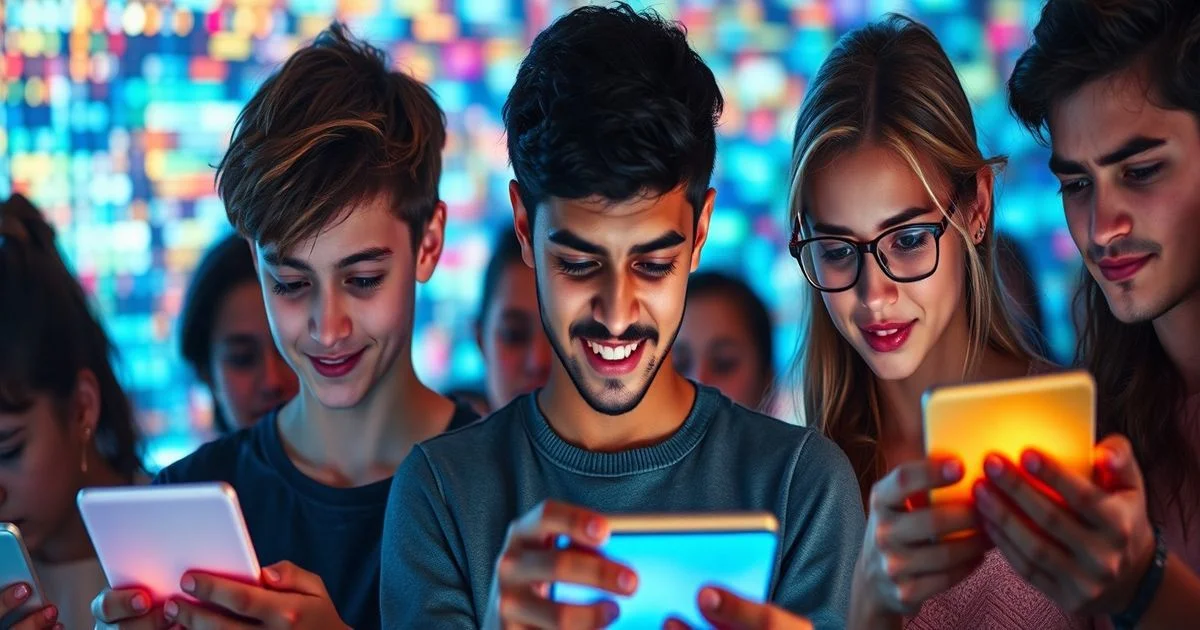
The rise of social media platforms has undeniably reshaped human connection, communication, and self-perception. For Generation Z, individuals born roughly between the mid-1990s and the early 2010s, this digital landscape is not merely an add-on; it is the fundamental fabric of their social existence. Understanding the profound psychological impact of social media on Gen Z is no longer a niche academic pursuit but a critical societal imperative. This cohort, having grown up entirely immersed in a world of pervasive online engagement, experiences both unprecedented opportunities for connection and unique vulnerabilities to mental health challenges. This article will undertake a deep dive into the intricate ways these digital platforms mold the minds and well-being of a generation defined by its digital fluency.
- Understanding Gen Z in the Digital Age
- The Dual-Edged Sword: Positive Psychological Impacts
- The Negative Psychological Impact of Social Media on Gen Z
- Mechanisms of Impact: How Social Media Affects the Brain
- Strategies for Digital Well-being and Mitigation
- The Future Landscape: AI, Metaverse, and Beyond
- Conclusion: Navigating the Complexities of a Connected Generation
- Frequently Asked Questions
- Further Reading & Resources
Understanding Gen Z in the Digital Age
To truly grasp the effects of social media, we must first contextualize the generation at its epicenter. Gen Z represents the first true cohort of digital natives, a demographic whose formative years have been inextricably linked with the internet, smartphones, and the relentless evolution of social platforms. Their relationship with technology is intuitive, deeply integrated into daily routines, and fundamentally different from previous generations.
Defining Gen Z: Digital Natives
Gen Z inherited a world where the internet was already mature, and mobile technology was commonplace. Unlike Millennials who witnessed the internet's emergence, Gen Z has never known a world without instant connectivity. This has profoundly shaped their worldview, their expectations for information access, and their social behaviors. From an early age, they've been exposed to personalized algorithms, influencer culture, and the constant stream of updates from their peers. This continuous digital immersion has equipped them with remarkable tech-savviness but has also instilled unique patterns of thought and social interaction that contrast sharply with previous generations, who learned social cues primarily in face-to-face settings. Their digital fluency means they navigate multiple platforms seamlessly, often switching between apps like TikTok, Instagram, Snapchat, and YouTube with effortless dexterity, each serving a distinct social or informational purpose.
The Evolution of Social Media Platforms
The social media landscape has transformed dramatically over the past two decades, influencing Gen Z's developmental trajectory. Early platforms like MySpace or Facebook offered relatively simple connectivity, focusing on profiles and friend networks. However, the subsequent rise of visually-driven platforms like Instagram and Snapchat, followed by short-form video content on TikTok, has introduced new complexities. These newer platforms emphasize curated aesthetics, ephemeral content, and rapid-fire consumption, often leveraging sophisticated algorithms that learn user preferences and continuously feed them more of what they "like" or engage with. This evolution has shifted the focus from static profiles to dynamic, performance-oriented content creation and consumption, intensifying pressures related to appearance, popularity, and constant engagement. The platforms themselves are not static; they continually adapt, introducing new features designed to maximize user interaction and time spent on the app, further entrenching their role in Gen Z's daily life.
The Dual-Edged Sword: Positive Psychological Impacts
While much of the discourse around social media's impact often leans towards the negative, it is crucial to acknowledge its significant positive contributions to the psychological well-being of Gen Z. These platforms are not monolithically detrimental; they offer genuine avenues for connection, self-discovery, and community building that were less accessible to prior generations. For a generation that values authenticity and inclusivity, social media often serves as a powerful tool.
Fostering Community and Connection
Social media platforms have proven invaluable in fostering a sense of community, particularly for those who might feel marginalized in their physical environments. Gen Z can connect with like-minded individuals across geographical boundaries, forming niche communities based on shared hobbies, interests, identities, or even struggles. This is especially true for individuals with unique interests, rare medical conditions, or those exploring their LGBTQ+ identity, who might find limited understanding or acceptance offline. These online communities provide vital support networks, validate experiences, and combat feelings of isolation. For many, the ability to find and interact with others who truly understand them can be a profound source of psychological comfort and belonging, enhancing their overall social capital and sense of identity. The pandemic, in particular, highlighted social media's role in maintaining social ties during periods of physical isolation, demonstrating its critical function in fostering resilience and continuity of relationships.
Platforms for Self-Expression and Identity Formation
For Gen Z, social media serves as a dynamic canvas for self-expression and a crucial arena for identity formation. These platforms allow individuals to experiment with different facets of their personality, interests, and aesthetics in a relatively low-stakes environment. From curating personal feeds to creating short-form videos, young people can articulate their identities, showcase their talents, and connect with an audience that appreciates their unique voice. This process of creative self-presentation can be empowering, helping adolescents and young adults solidify who they are and who they aspire to be. The feedback received, whether through likes, comments, or shares, can contribute positively to self-esteem and provide a sense of validation for their developing identities. Moreover, social media has democratized creativity, allowing countless individuals to become content creators, developing valuable skills in digital media production, storytelling, and personal branding that can have tangible benefits for their future careers.
Access to Information and Support Networks
Beyond social connection, social media platforms are significant conduits for information dissemination and access to support. Gen Z frequently turns to these platforms not just for entertainment but for news, educational content, and health information. This immediate access to diverse perspectives and up-to-date information can empower them to be more informed citizens and self-advocates. More critically, social media has enabled the rapid spread of mental health awareness campaigns, destigmatizing conversations around anxiety, depression, and other psychological conditions. Young people can find online support groups, access resources from mental health professionals, and hear testimonials from peers facing similar challenges. This accessibility can be life-saving, providing a sense of hope and direction for those struggling, especially in areas where traditional mental health services are scarce or stigmatized. The sheer volume of accessible knowledge and shared experiences fosters an environment where help and understanding are often just a few clicks away, bridging gaps that conventional systems might leave open.
The Negative Psychological Impact of Social Media on Gen Z
Despite its benefits, the ubiquitous presence of social media also casts a significant shadow, contributing to a range of negative psychological outcomes for Gen Z. The very mechanisms designed to engage users can, paradoxically, undermine mental well-being, leading to increased anxiety, depression, and a distorted sense of self. Understanding these detriments is crucial for developing strategies to mitigate harm and foster healthier digital habits.
The Pervasive Specter of Social Comparison and FOMO
One of the most insidious psychological impacts of social media is the incessant pressure for social comparison. Platforms are, by their nature, highlight reels. Users typically post their best moments, most attractive selfies, and greatest achievements, creating an unrealistic portrayal of life that often feels unattainable to observers. Gen Z, constantly exposed to these curated realities, can fall into the trap of comparing their ordinary lives to the extraordinary, often manufactured, online personas of others. This disparity breeds feelings of inadequacy, jealousy, and a profound sense of "not being enough."
Analogy:
Imagine constantly watching a movie trailer for everyone's life—only seeing the most exciting, perfectly shot scenes. You never see the hours of mundane daily routines, the struggles behind the scenes, or the multiple takes needed to get that perfect shot. This is what social media often presents: a highly edited, glossy version of reality.
Coupled with social comparison is the phenomenon of Fear of Missing Out (FOMO). Continuous exposure to friends' activities, travel, and social gatherings can trigger anxiety about being excluded or missing out on enriching experiences. This can lead to compulsive checking of social media, an inability to be present in real-world interactions, and persistent feelings of restlessness or unhappiness when not actively engaged in social activities that are "Instagram-worthy." The perceived lack of participation can erode self-esteem and deepen feelings of isolation, even when surrounded by others.
Cyberbullying and Online Harassment
While not new, cyberbullying has intensified with the omnipresence of social media, becoming a significant threat to the psychological well-being of Gen Z. Unlike traditional bullying, cyberbullying can be relentless, anonymous, and pervasive, extending beyond school grounds into the perceived safety of one's home. The digital nature of harassment often leads to a wider audience, with cruel comments, rumors, or embarrassing content spreading rapidly and permanently. Victims experience immense distress, including anxiety, depression, feelings of shame, and even suicidal ideation. The anonymity afforded by some platforms emboldens perpetrators, while the constant connectivity makes escape difficult. The public nature of cyberattacks can be particularly devastating, as it feels like an attack on one's entire social identity and reputation, leaving deep emotional scars that are difficult to heal.
Impact on Self-Esteem and Body Image
Visually-driven platforms like Instagram and TikTok, with their emphasis on aesthetics and popularity metrics, significantly influence Gen Z's self-esteem and body image. The constant exposure to idealized body types, filtered photos, and trending beauty standards creates an immense pressure to conform. Photo editing tools and filters, which can drastically alter appearances, set unrealistic benchmarks for beauty, making genuine self-acceptance challenging. This can lead to body dysmorphia, eating disorders, and a constant dissatisfaction with one's physical appearance. The pursuit of "likes" and positive comments on appearance can become an unhealthy validation loop, tying self-worth directly to external approval based on superficial attributes. When this approval isn't received, or negative comments appear, the impact on a developing sense of self can be profoundly damaging, fostering insecurity and a warped sense of personal value.
Sleep Deprivation and Digital Addiction
The addictive design of social media platforms directly contributes to sleep deprivation among Gen Z. The constant notifications, the fear of missing out, and the engaging nature of content can keep young people glued to their screens late into the night. The blue light emitted by screens also interferes with melatonin production, disrupting natural sleep cycles. Chronic sleep deprivation negatively impacts cognitive function, mood regulation, academic performance, and overall mental health, exacerbating feelings of anxiety and depression.
Beyond sleep, the very mechanisms of social media can foster addictive behaviors. The variable reward schedules (the unpredictable timing of likes or engaging content) are highly effective in creating dopamine loops, conditioning users to repeatedly check their devices. This digital addiction manifests as an inability to disengage, compulsive checking, and significant distress when offline, mirroring symptoms seen in substance addiction. For a broader look at how tech platforms are being held responsible, read our analysis on Social Media Giants Liable: Addiction Trial Verdict Reshapes Tech Accountability. This constant need for digital interaction can pull individuals away from real-world responsibilities, hobbies, and face-to-face social interactions, further isolating them despite being "connected."
Mental Health Crisis: Anxiety, Depression, and Loneliness
There is growing evidence suggesting a correlation between increased social media use and rising rates of mental health issues among Gen Z. Data from various studies points to a concerning trend:
- Rates of anxiety and depression have significantly increased in adolescents and young adults over the past decade.
- A 2019 study published in JAMA found that young adults who spent more than three hours a day on social media had higher rates of internalizing mental health problems.
- The CDC reported a substantial rise in teen girls experiencing persistent sadness or hopelessness, with 57% reporting this in 2021, up from 36% in 2011.
While social media is not the sole cause, its role in fostering social comparison, cyberbullying, sleep disruption, and the relentless pursuit of external validation contributes significantly to feelings of anxiety, depression, and loneliness. Ironically, while designed for connection, excessive use can lead to a paradoxical sense of social isolation, as superficial online interactions replace deeper, more meaningful offline relationships. The constant pressure to present a perfect self can be emotionally exhausting, leading to burnout and a pervasive sense of inadequacy that undermines genuine happiness and self-acceptance.
The Echo Chamber Effect and Information Overload
Social media algorithms, designed to keep users engaged, often create "echo chambers" or "filter bubbles." By feeding users content that aligns with their existing beliefs and preferences, these algorithms inadvertently limit exposure to diverse viewpoints. For Gen Z, who often rely on social media for news and information, this can lead to a skewed understanding of the world, making them more susceptible to misinformation and polarized thinking. The inability to critically engage with differing perspectives can hinder the development of nuanced thought and empathy.
Furthermore, the sheer volume of information and constant notifications can lead to cognitive overload. Gen Z is constantly bombarded with updates, news, and demands for attention, creating a perpetual state of mental stimulation that can be exhausting and contribute to anxiety. This "infobesity" makes it challenging to filter out noise, focus on tasks, and process information deeply, potentially impacting their ability to concentrate and engage in sustained critical thinking. The fast-paced, fragmented nature of online information consumption can reduce attention spans and make deeper learning more challenging.
Mechanisms of Impact: How Social Media Affects the Brain
The psychological effects of social media are not merely behavioral; they are rooted in neurobiological processes. Understanding how these platforms interact with our brain's reward systems and influence cognitive development is key to appreciating their profound impact on Gen Z. This involves looking at the powerful role of neurotransmitters and the brain's remarkable capacity for adaptation.
Dopamine Loops and Behavioral Reinforcement
Social media platforms are expertly engineered to leverage the brain's dopamine reward system. Dopamine is a neurotransmitter associated with pleasure, motivation, and learning. When a user receives a "like," a positive comment, or an engaging notification, the brain releases a surge of dopamine, creating a pleasurable sensation. This positive reinforcement conditions users to repeat the behavior that led to the reward – checking their phones, posting new content, or scrolling through feeds.
This creates a powerful "dopamine loop":
- Anticipation: The user anticipates a reward (e.g., checking for new likes).
- Action: The user performs the action (opens the app, posts).
- Reward: The user receives a variable reward (a notification, a new post, an interesting piece of content).
- Repeat: The brain associates the action with pleasure, increasing the likelihood of repetition.
The variable nature of these rewards, meaning they don't happen every time, is particularly potent in driving compulsive behavior, much like a slot machine. This intermittent reinforcement makes the behavior highly resistant to extinction, leading to the addictive patterns often observed among heavy social media users within Gen Z. Their brains become wired to seek out these quick hits of digital validation, often at the expense of other activities.
The "Like" Economy: Validation and Self-Worth
In the digital realm, "likes," comments, and follower counts have evolved into a form of social currency. For Gen Z, these metrics are not just numbers; they are tangible representations of social validation and popularity. The quantity and quality of these interactions can directly influence a young person's sense of self-worth and belonging.
When posts receive abundant positive engagement, it can boost confidence and foster a sense of acceptance. However, when engagement is low, or negative comments arise, it can lead to significant distress, feelings of rejection, and a damaging blow to self-esteem. This "like" economy trains individuals to seek external validation for their self-worth, making them highly susceptible to the fluctuating opinions of their online audience. This reliance on external metrics can hinder the development of intrinsic self-esteem, which is derived from internal values and achievements rather than outside approval. Young people may start to tailor their online personas and even their real-world behaviors to maximize these digital rewards, leading to an inauthentic presentation of self and a disconnect from their true identity.
Neuroplasticity in a Digitally Saturated World
The human brain is remarkably plastic, meaning it can change and adapt its structure and function in response to experiences. For Gen Z, who have spent their entire lives immersed in digital environments, social media use is actively shaping their developing brains. Prolonged and intense exposure to the unique demands of social media can influence neural pathways.
Potential impacts of this neuroplasticity include:
- Attention Span: The fast-paced, fragmented nature of social media content, characterized by quick scrolls and rapid shifts between topics, may contribute to shorter attention spans and reduced capacity for sustained focus. Brains accustomed to constant novelty may struggle with slower, more complex tasks.
- Cognitive Processing: The emphasis on visual communication, instant gratification, and surface-level engagement might alter how Gen Z processes information, potentially favoring quick reactions over deep analytical thought.
- Social Cognition: While facilitating connection, social media can also alter the development of social cognition. Reliance on digital cues might hinder the ability to read nuanced non-verbal cues in face-to-face interactions, potentially affecting empathy and interpersonal skills in the offline world.
- Decision-Making: The constant stream of information and the pressure to make quick judgments (e.g., liking, sharing, commenting) could impact the development of deliberative decision-making processes.
These changes are not necessarily "good" or "bad" but represent an adaptation to a novel environment. However, understanding these neurobiological shifts is crucial for assessing the long-term psychological implications for a generation whose brains are still in critical developmental stages.
Strategies for Digital Well-being and Mitigation
Addressing the negative psychological impact of social media on Gen Z requires a multi-faceted approach involving individual actions, parental guidance, educational initiatives, and platform responsibility. Fostering digital well-being means equipping young people with the tools and understanding to navigate the online world constructively.
Promoting Digital Literacy and Critical Thinking
One of the most powerful tools for mitigating negative impacts is enhanced digital literacy. This goes beyond knowing how to use an app; it involves understanding how platforms operate, how algorithms work, and how to critically evaluate online content.
- Algorithm Awareness: Educating Gen Z about how algorithms personalize feeds can help them understand why they see certain content and how to actively seek out diverse perspectives, thereby reducing the echo chamber effect.
- Media Deconstruction: Teaching critical thinking skills to analyze images, videos, and text for authenticity, bias, and manipulation is crucial. This includes understanding the role of filters, deepfakes, and AI-generated content.
- Privacy and Data Security: Empowering young people to understand their digital footprint, privacy settings, and the value of their personal data can help them make more informed choices about what they share online.
- Emotional Intelligence Online: Developing the capacity to recognize and manage one's own emotions while online, as well as understanding the emotional impact of their words and actions on others, is vital for combating cyberbullying and fostering empathetic digital citizenship.
Curating a Positive Online Environment
Gen Z can actively shape their online experience to be more positive and supportive. This involves being intentional about who they follow and what content they consume.
- Unfollow and Mute: Encouraging users to unfollow accounts that trigger negative emotions (e.g., social comparison, anxiety) and to mute content that is detrimental to their mental health.
- Follow Inspiring Content: Actively seeking out creators and communities that promote positivity, self-acceptance, learning, and genuine connection.
- Private vs. Public: Understanding the difference between public personas and private interactions, and choosing platforms and settings that best suit their comfort levels for sharing.
- Digital Spring Cleaning: Regularly reviewing friends lists, group memberships, and content subscriptions to ensure their online space remains healthy and conducive to well-being. This proactive approach allows them to reclaim agency over their digital diet.
Setting Boundaries and Digital Detox
Implementing clear boundaries around social media use is essential for preventing addiction and promoting balance.
- Time Limits: Utilizing app-specific time limits or device-wide controls to restrict daily usage. Many smartphones now offer built-in features for this.
- No-Phone Zones/Times: Designating specific times (e.g., during meals, an hour before bed) or places (e.g., bedrooms, study areas) where phones and social media are off-limits. This helps protect sleep and foster present-moment awareness, encouraging a re-engagement with physical activities and surroundings, such as those discussed in our guide to Simple Tips for Maintaining Indoor House Plants.
- Digital Detoxes: Encouraging short, periodic breaks from social media (e.g., a weekend, a few days) to reconnect with offline activities, nature, and face-to-face interactions. This helps reset digital habits and reduce dependency.
- Notification Management: Turning off non-essential notifications to reduce constant interruptions and the urge to check devices reflexively. This minimizes the dopamine loop triggers.
These strategies empower individuals to regain control over their digital lives rather than being passively consumed by them, fostering a healthier relationship with technology.
The Role of Parents, Educators, and Platforms
Mitigating the negative impacts of social media is a shared responsibility.
- Parents: Need to engage in open, non-judgemental conversations with their children about online experiences, model healthy digital habits, set age-appropriate boundaries, and monitor usage without stifling autonomy. Understanding the platforms their children use is crucial.
- Educators: Can integrate digital citizenship and media literacy into curricula, providing structured learning environments to discuss online ethics, cyberbullying prevention, and healthy tech use.
- Platforms: Have a critical ethical responsibility to design features that prioritize user well-being over engagement at all costs. This includes:
- Transparency: Being more transparent about algorithms and data usage.
- Safety Features: Implementing stronger anti-cyberbullying measures, easier reporting mechanisms, and AI tools to detect harmful content.
- Well-being Nudges: Integrating features like "take a break" reminders, "time spent" dashboards, and options to hide like counts to reduce comparison and compulsive use.
- Age Verification & Protection: Enhancing systems to truly protect minors from age-inappropriate content and interactions.
- Funding Research: Investing in independent research to understand the full scope of their platforms' psychological effects and adapting design accordingly.
The Future Landscape: AI, Metaverse, and Beyond
The social media landscape is continually evolving, driven by rapid advancements in technology. For Gen Z, who will grow into adulthood alongside these innovations, understanding the potential psychological implications of emerging technologies like AI and the metaverse is paramount. These developments promise new forms of connection and interaction but also introduce unprecedented challenges and ethical considerations.
Emerging Technologies and Their Potential Effects
The integration of artificial intelligence (AI) into social media platforms is already profound and will only deepen. AI algorithms are responsible for content recommendations, personalized feeds, and even detecting harmful content. In the future, AI could power more sophisticated conversational agents, hyper-realistic avatars, and even predictive analytics that anticipate user emotions. While these can enhance user experience and safety, they also raise concerns about increased manipulation, algorithmic bias, and the potential for AI to create "perfect" but ultimately isolating digital companions. For insights into global AI advancements, explore China's AI Boom: Viral Models & Global Power Shift Reshaping Tech.
The concept of the metaverse, a persistent, shared, 3D virtual space, represents another frontier. For Gen Z, who are already comfortable with virtual worlds in gaming, the metaverse could become a primary space for social interaction, work, and entertainment. This immersive environment offers incredible opportunities for creativity, community, and economic activity. However, it also presents significant psychological risks:
- Increased Disconnection from Reality: The allure of a highly curated virtual existence could lead to greater disengagement from the physical world and real-life relationships.
- Identity Dissociation: Managing multiple avatars and identities across different metaverse experiences could blur the lines between virtual and real selves, potentially leading to identity confusion or depersonalization.
- Escalated Addiction: The immersive and boundless nature of the metaverse could make digital addiction even more pervasive and difficult to control, creating an "always-on" existence.
- Mental Health in Virtual Spaces: Cyberbullying and harassment could take on new, more immersive and traumatizing forms within 3D environments, impacting mental well-being in unprecedented ways. The very definition of "social interaction" could shift, making it harder for individuals to develop crucial real-world social skills.
Developing Ethical Frameworks for Social Platforms
As technology progresses, the need for robust ethical frameworks governing social platforms becomes increasingly urgent. Simply reacting to problems after they emerge is insufficient; proactive, principle-based design and regulation are essential to protect the psychological well-being of Gen Z and future generations.
Key considerations for these frameworks include:
- User Autonomy and Agency: Ensuring users have genuine control over their data, their experiences, and their digital presence, rather than being passively influenced by algorithms.
- Transparency and Explainability: Making the workings of algorithms more transparent, so users understand how content is prioritized and personalized.
- Protection of Minors: Implementing stringent safeguards for young users, including age-appropriate design, data collection limitations, and robust parental controls.
- Mental Health by Design: Encouraging "pro-social" design principles that prioritize well-being over engagement metrics, such as incorporating features that promote breaks, limit comparisons, and foster genuine connection.
- Accountability: Holding platforms accountable for the societal and psychological impacts of their products, possibly through independent audits and regulatory oversight.
- Digital Rights: Establishing clear digital rights for users, including the right to privacy, the right to disconnect, and the right to freedom from online harassment.
The challenge lies in balancing innovation with ethical responsibility, ensuring that technological progress serves humanity's best interests rather than inadvertently causing widespread psychological harm.
Conclusion: Navigating the Complexities of a Connected Generation
The psychological impact of social media on Gen Z is a multifaceted phenomenon, presenting both unparalleled opportunities for connection, self-expression, and access to information, alongside significant risks to mental well-being. This generation, as true digital natives, has intimately experienced the dual nature of these platforms – fostering community while also fueling anxiety, comparison, and a pervasive sense of inadequacy. From the insidious pressures of social comparison and cyberbullying to the subtle rewiring of neural pathways through dopamine loops, social media has profoundly shaped how Gen Z perceives themselves and interacts with the world.
As we look to a future filled with even more immersive technologies like AI and the metaverse, the imperative to cultivate digital literacy, set healthy boundaries, and demand ethical design from platforms becomes ever more critical. Navigating this complex digital landscape requires a concerted effort from individuals, families, educators, and the tech industry itself. By fostering critical thinking, promoting intentional online engagement, and prioritizing well-being over endless scrolling, we can empower Gen Z to harness the powerful tools of social media for positive growth, mitigating the shadow side and ensuring a healthier, more connected future.
Frequently Asked Questions
Q: What are the main positive impacts of social media on Gen Z?
A: Social media offers Gen Z significant benefits, including fostering a sense of community for marginalized groups, providing dynamic platforms for self-expression and identity formation, and offering immediate access to diverse information and crucial mental health support networks.
Q: How does social media negatively affect Gen Z's mental health?
A: Negative impacts include incessant social comparison, fear of missing out (FOMO), heightened cyberbullying, unrealistic body image pressures, sleep deprivation, and digital addiction. These factors collectively contribute to increased rates of anxiety, depression, and loneliness.
Q: What strategies can help Gen Z navigate social media more healthily?
A: Effective strategies involve promoting digital literacy and critical thinking about online content, intentionally curating positive online environments, setting clear digital boundaries (like screen time limits), and engaging in periodic digital detoxes to reconnect with offline life.
Further Reading & Resources
- Pew Research Center - Teens, Social Media and Technology 2023
- National Institute of Mental Health - Social Media and Mental Health
- Common Sense Media - Social Media, Social Life: Teens Reveal Their Top Wellness Challenges and New Coping Strategies
- JAMA Network - Association of Social Media Use With Mental Health and Well-being Among Adolescents: A Systematic Review and Meta-analysis