Unlock Your Calm: Psychological benefits of minimalist interior design
In our modern, sensory-overloaded world, where chaos often permeates our living spaces, understanding how minimalist interior design can truly unlock your calm and bring significant psychological benefits is more crucial than ever. The modern world often feels like a relentless assault on our senses, bombarding us with information, demands, and endless visual stimuli. In this era of digital overload and constant connectivity, our homes, once sanctuaries, can inadvertently become extensions of the chaos if not intentionally designed. But what if the very architecture and arrangement of our living spaces could be leveraged to foster a deeper sense of well-being? This article delves into the profound psychological benefits of minimalist interior design, exploring how a thoughtfully decluttered and streamlined environment can positively reshape our minds, enhance our focus, and contribute to a more peaceful existence. We'll explore how stripping away the superfluous can profoundly impact our cognitive functions and emotional states, moving beyond aesthetics to reveal a powerful tool for mental resilience.
- What Is Minimalist Interior Design? A Philosophy of Less
- How Minimalist Design Influences the Brain: The Neuroscience of Simplicity
- Key Psychological Benefits of Minimalist Interior Design
- Implementing Minimalism: Practical Strategies for Your Space
- Addressing Common Misconceptions and Challenges
- The Future of Mindful Design: Beyond Aesthetics
- Real-World Applications and Case Studies
- Conclusion: Crafting Your Sanctuary of Serenity
- Frequently Asked Questions
- Further Reading & Resources
What Is Minimalist Interior Design? A Philosophy of Less
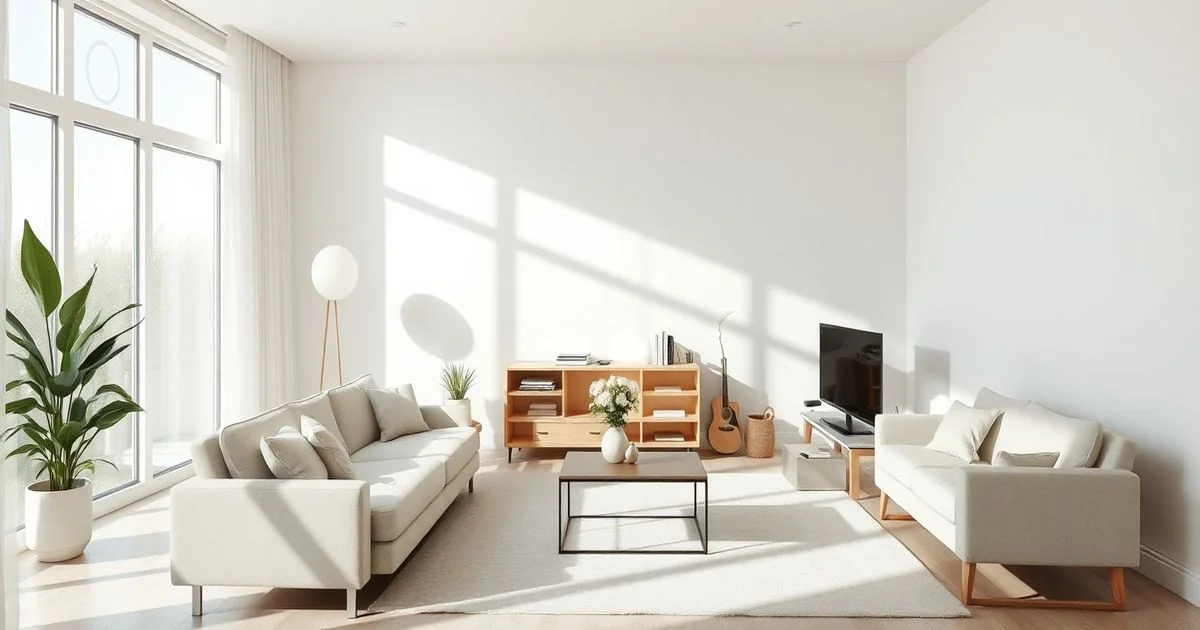
Minimalist interior design, at its core, is far more than a fleeting aesthetic trend; it is a philosophy that champions simplicity, functionality, and intentionality. Originating from the art movements of the 20th century, particularly Minimalism in art and architecture, its principles have permeated various aspects of modern life, including how we curate our living spaces. Unlike stark, cold, or empty rooms often stereotyped, true minimalist design is about maximizing utility and beauty through careful selection, rather than mere removal.
Defining Key Characteristics
At its heart, minimalist interior design is characterized by several fundamental principles:
-
Decluttering and Essentialism: This is arguably the most recognizable trait. Minimalism advocates for keeping only items that are genuinely functional, beautiful, or hold significant sentimental value. Every object in a minimalist space has a purpose and a place, eliminating visual noise and unnecessary distractions. It's an active process of curating, asking "Does this add value?" rather than "Do I need this?".
-
Clean Lines and Simple Forms: Furniture and architectural elements in a minimalist setting typically feature straightforward, geometric shapes and an absence of elaborate ornamentation. This creates a sense of order and visual tranquility, allowing the eye to rest rather than jump from detail to detail. The focus shifts from decorative embellishments to the inherent beauty of materials and forms.
-
Monochromatic or Limited Color Palettes: While not strictly black and white, minimalist spaces often employ a restrained color scheme, typically using neutrals like white, grey, beige, and muted earth tones. Pops of color might be introduced sparingly, often through natural elements like plants or a single piece of art. This creates a cohesive and calming backdrop, minimizing visual competition and fostering a sense of spaciousness.
-
Emphasis on Natural Light and Open Space: Minimalist design maximizes natural light, often through large windows, sheer curtains, or the absence of heavy window treatments. Open floor plans are favored, creating a fluid flow between areas and enhancing the perception of space. This connection to the outside world and unhindered light contributes significantly to mood and well-being.
-
High-Quality Materials and Textures: While simple in form, minimalist design often prioritizes quality. Natural materials like wood, stone, linen, and wool are frequently used, adding tactile richness and warmth without introducing visual complexity. These materials age gracefully and provide subtle sensory interest.
Beyond the Aesthetics: A Functional Approach
It's crucial to understand that minimalism isn't about deprivation or living in an empty box. Instead, it's about discerning what genuinely serves us and letting go of the rest. Consider the analogy of a well-coded software application. It prioritizes efficient, clean code that performs its function without unnecessary bloat. Every line of code, like every item in a minimalist room, has a specific purpose. Just as extraneous code can introduce bugs and slow performance, superfluous items in a living space can introduce mental clutter and diminish our ability to relax and focus. For a deeper exploration of this concept in a broader context, consider the psychological benefits of minimalism in modern living. By streamlining our environments, we create spaces that support our activities and promote a sense of calm, rather than demanding constant attention or contributing to a feeling of overwhelm.
How Minimalist Design Influences the Brain: The Neuroscience of Simplicity
The impact of our physical surroundings on our mental state is not merely anecdotal; it's deeply rooted in neuroscience and environmental psychology. Our brains are constantly processing information from our environment, and the complexity or simplicity of that environment directly affects our cognitive load and emotional responses. Minimalist design actively works to optimize this interaction.
Reducing Cognitive Load: A Digital Analogy
Think of your brain like a computer's CPU. Every object in your field of vision, every pattern, every color, every detail demands a certain amount of processing power. This is known as cognitive load. In a cluttered environment, your brain is constantly, albeit often subconsciously, working overtime to identify, categorize, and potentially dismiss all the visual stimuli. This high cognitive load can lead to mental fatigue, difficulty concentrating, and increased stress levels, much like an overloaded server struggling to run multiple demanding applications simultaneously.
Minimalist design acts as a powerful cognitive offloader. By reducing the number of objects, simplifying color palettes, and creating clean lines, it significantly lowers the visual information the brain has to process. This frees up mental resources, allowing for deeper focus, enhanced creativity, and a greater sense of mental clarity. It's like defragmenting your mental hard drive, making everything run smoother and faster.
The Role of Attentional Restoration Theory
Environmental psychologists Rachel and Stephen Kaplan developed the Attentional Restoration Theory (ART), which posits that exposure to natural, restorative environments can help replenish directed attention, which is finite and easily fatigued. While ART often refers to nature, the principles can be applied to designed spaces. A cluttered, visually busy room constantly demands directed attention – we have to actively filter out distractions. A minimalist space, however, can mimic elements of a restorative environment by offering a sense of order, peace, and spaciousness.
The "soft fascination" offered by subtle textures, natural light, or a single, well-chosen piece of art in a minimalist room allows our minds to wander gently without requiring intense directed attention. This passive engagement can be restorative, helping to alleviate mental fatigue and improve our capacity for focus when it's truly needed.
Neuroscience of Order and Control
Research in environmental psychology indicates that a sense of order and control over one's environment correlates with reduced stress and increased well-being. When our surroundings are chaotic, it can trigger feelings of anxiety and helplessness. Conversely, an organized, minimalist space provides a tangible manifestation of control. This perception of control can have a calming effect on the nervous system, reducing the activation of the amygdala (the brain's fear center) and promoting a state of relaxation.
Moreover, the act of decluttering and maintaining a minimalist space itself can be a meditative and empowering practice. It engages the prefrontal cortex, the area of the brain responsible for decision-making and planning, reinforcing a sense of agency and accomplishment, which further contributes to positive psychological outcomes.
Key Psychological Benefits of Minimalist Interior Design
The intentional simplification of our living spaces through minimalist principles translates into a cascade of measurable psychological advantages. These benefits extend beyond superficial aesthetics, impacting our daily mood, productivity, and overall mental health.
Reduced Cognitive Load and Stress Levels
One of the most immediate and profound psychological benefits of minimalist interior design is the significant reduction in cognitive load. As discussed, a cluttered environment constantly taxes our brain's processing capacity. Imagine walking into a room filled with overflowing shelves, stacks of papers, and various knick-knacks. Even if you don't consciously engage with every item, your brain is working to filter and contextualize this visual noise. This perpetual low-level processing contributes to mental fatigue, irritability, and elevated stress.
Minimalist spaces, by contrast, offer visual respite. The absence of extraneous items, the clean lines, and the calm color palettes allow the brain to relax. This reduction in visual stimuli directly translates to less cognitive effort, freeing up mental resources. When your environment isn't constantly demanding your attention, your stress hormone levels (like cortisol) can decrease, leading to a palpable sense of calm and mental ease. It's like turning off multiple background apps on your phone – the device runs faster and consumes less energy. Studies have shown a direct correlation between perceived clutter and elevated cortisol levels, highlighting the physiological impact of our surroundings.
Enhanced Focus and Productivity
In a world rife with distractions, the ability to focus is a superpower. Minimalist design inherently fosters an environment conducive to concentration. By eliminating visual clutter, you remove common sources of distraction that can pull your attention away from tasks. If your desk is clear except for your laptop and a single notebook, your mind is less likely to wander to the unread book, the half-empty coffee mug, or the various souvenirs vying for attention.
This enhanced focus isn't just about removing distractions; it's also about creating a mental pathway to the task at hand. When your environment is streamlined, your brain can more easily enter a state of flow, where you are fully immersed and energized by an activity. This is particularly beneficial for remote workers, students, or anyone engaging in deep work. For those looking to optimize their workspace, practical advice can be found in guides like How to Build a Budget-Friendly Home Office Setup. A study by the Princeton University Neuroscience Institute found that a cluttered environment impedes the ability to focus and process information, suggesting that a tidy workspace literally helps your brain perform better. When your mental energy isn't spent processing visual noise, it can be redirected towards productive output, leading to higher quality work and greater efficiency.
Promotion of Calm and Well-being
Beyond the reduction of stress, minimalist design actively cultivates a pervasive sense of calm and emotional well-being. The deliberate use of neutral color palettes, natural materials, and abundant natural light creates an atmosphere of tranquility. These elements are inherently soothing, tapping into our innate preferences for natural and orderly environments. Neutral colors, in particular, are known to have a calming effect, as they do not overstimulate the optic nerve.
Furthermore, the spaciousness often found in minimalist interiors can evoke feelings of freedom and expansiveness, contrasting with the feeling of being confined or overwhelmed in a crowded space. This psychological openness can translate into a greater sense of mental spaciousness, allowing for introspection and emotional regulation. The intentionality behind each design choice also empowers the inhabitant, fostering a feeling of being in control of their environment, which is a key component of psychological well-being. This deliberate creation of peace can lower anxiety levels, improve mood, and provide a true sanctuary from the external world.
Improved Sleep Quality
Our bedrooms are arguably the most critical spaces for our mental and physical restoration. A cluttered, visually busy bedroom can significantly impede the ability to unwind and achieve restful sleep. The constant visual stimuli, even in the dark, can keep the brain in an alert state, making it harder to fall asleep and stay asleep.
Minimalist bedroom design, characterized by a clean aesthetic, minimal furniture, and a focus on comfort and serenity, directly addresses these issues. By removing distractions like excessive decor, electronics (where possible), and piles of clothes, the brain receives fewer signals that demand attention. This creates an environment more conducive to relaxation and sleep. The calm color schemes and the emphasis on soft, natural textures (like linen bedding) also contribute to a soothing atmosphere, signaling to the body and mind that it's time to rest. A minimalist bedroom becomes a true sleep haven, fostering consistent, high-quality sleep which is fundamental for cognitive function, emotional resilience, and overall health.
Fostering Intentionality and Mindfulness
Minimalism, as a philosophy, encourages a deeper level of intentionality in all aspects of life, and interior design is no exception. By carefully selecting each item for its purpose or beauty, we become more mindful consumers and curators of our spaces. This active process of choosing what to keep and what to let go of cultivates a habit of mindful decision-making that can extend to other areas of our lives.
Living in a minimalist space encourages mindfulness by reducing external distractions and prompting internal focus. With fewer objects to maintain or distract, there's more mental space to be present in the moment, to appreciate the simple beauty of a well-chosen object, the play of light, or the quietude of the room. It shifts the focus from accumulating possessions to appreciating experiences and the essential aspects of life. This intentional living can lead to greater self-awareness, reduced material desire, and a deeper connection to one's values, aligning perfectly with the principles of mindfulness practices. This mindful approach stands in contrast to the psychological impact of social media on Gen Z, which often highlights increased distractions and external validation.
Financial and Environmental Advantages (Indirect Psychological Benefits)
While not direct psychological benefits, the financial and environmental advantages of minimalist living have significant indirect psychological impacts.
-
Financial Freedom and Reduced Stress: Minimalist design often means fewer purchases, prioritizing quality over quantity. This can lead to significant savings and a reduction in financial stress. The pressure to keep up with trends or constantly acquire new items dissipates, freeing up mental and emotional energy that was once tied to consumerism. The psychological relief of being debt-free or having a healthier financial buffer is substantial, contributing to overall peace of mind.
-
Environmental Responsibility and Ethical Living: Adopting a minimalist lifestyle naturally leads to a smaller environmental footprint. By consuming less, recycling more, and choosing sustainable, durable goods, individuals contribute less to waste and resource depletion. This aligns with a growing global awareness of environmental issues, and for many, living in a way that is congruent with their ethical values can provide a deep sense of purpose and psychological satisfaction. Knowing that your choices are contributing positively to the planet, rather than detracting from it, can be a powerful source of inner calm and pride.
These indirect benefits underscore that minimalist interior design is not just about aesthetics; it's a holistic approach to living that supports mental, financial, and environmental well-being.
Implementing Minimalism: Practical Strategies for Your Space
Adopting a minimalist approach to interior design doesn't require a complete overhaul overnight; it's a gradual process of intentional decision-making. Here are some practical strategies to begin cultivating a psychologically beneficial minimalist environment.
-
Decluttering and Digital Detox The cornerstone of minimalist design is decluttering. Start with one room, or even one drawer, and systematically go through every item. Ask yourself:
- Do I use this regularly? (Within the last 6-12 months?)
- Does it bring me joy or serve a vital purpose?
- Is it beautiful?
- Could I live without it?
Items that don't meet these criteria can be donated, recycled, or discarded. The "one in, one out" rule can be helpful for preventing future accumulation. For tech-savvy individuals, extending this to a "digital detox" is crucial. Declutter your desktop, organize your files, unsubscribe from unnecessary newsletters, and minimize app notifications. A digital minimalist approach parallels physical decluttering, reducing cognitive overload from your virtual world.
-
Strategic Furniture Placement and Multi-Functional Pieces In minimalist design, every piece of furniture should earn its place. Prioritize multi-functional items, such as an ottoman with storage, a sofa bed, or nesting tables. Arrange furniture to create clear pathways and zones, enhancing the flow of the room and preventing a cramped feeling. Position pieces away from walls to create a sense of spaciousness, even in smaller rooms. The goal is to maximize open space and ensure each item contributes to the room's function and aesthetic without overwhelming it.
-
Harnessing Color Psychology in Minimalist Spaces While often associated with white, minimalist design benefits from a thoughtful application of color psychology. Opt for a primary palette of neutrals (white, beige, grey, soft blues, greens). These hues are known for their calming and expansive qualities. Introduce accent colors sparingly through textiles, a single piece of art, or natural elements like plants. For instance, a soft sage green can evoke nature and tranquility, while a muted terracotta can add warmth without visual clutter. The key is consistency and restraint to maintain a serene visual environment.
-
Embracing Negative Space Negative space – the empty areas around and between objects – is as important as the objects themselves in minimalist design. It provides visual breathing room, allowing the eye to rest and emphasizing the beauty of the chosen few items. Avoid the urge to fill every corner or surface. Leaving walls bare, or displaying only one significant piece of art, can dramatically enhance the feeling of calm and sophistication. This deliberate use of emptiness is not about deprivation; it's about creating emphasis and reducing visual noise, which in turn reduces cognitive load.
-
Personalization with Purpose Minimalism isn't about sterility. Your space should reflect you. Introduce personality through a few carefully chosen items that hold meaning or beauty: a beloved piece of art, a plant that thrives in your environment, a stack of your favorite books, or a cherished family heirloom. The distinction is between curated personal expression and unrestrained accumulation. These intentional touches prevent the space from feeling cold, grounding it with warmth and individuality, while still adhering to the principles of simplicity.
Addressing Common Misconceptions and Challenges
Despite its growing popularity, minimalist interior design is often misunderstood. Addressing these misconceptions is crucial for those considering its adoption, as are recognizing potential challenges.
Misconception 1: Minimalism is Impractical and Unsustainable for Families
A common critique is that minimalist living is incompatible with the realities of family life, especially with children. The idea of keeping a home perpetually pristine with toys and gear everywhere seems daunting. However, minimalist design is about intentionality, not emptiness. It encourages clever storage solutions (built-ins, hidden compartments), multi-functional furniture, and teaching children the value of tidiness and caring for their possessions. It's about having fewer, better things for the family, reducing the endless cycle of toy accumulation and the stress of constant cleanup. It teaches children focus and appreciation for their belongings rather than constant stimulation from excess.
Misconception 2: Minimalist Homes are Cold, Sterile, or Depriving
The stereotype of the stark, white, artless, and unwelcoming minimalist space persists. This is a significant misinterpretation. True minimalism prioritizes warmth, texture, and comfort, achieved through natural materials (wood, wool, linen), thoughtful lighting, and a few carefully selected personal items. The "deprivation" aspect is also flawed; it's not about doing without, but doing with enough and appreciating its quality and purpose. A minimalist home can be incredibly cozy and inviting, fostering a deeper connection to one's surroundings by removing superficial distractions.
Misconception 3: It's All About Aesthetics, Not Function
Some view minimalism purely as an aesthetic choice, overlooking its functional underpinnings. In reality, function is paramount. Every item and design choice in a minimalist space is scrutinized for its utility. The aesthetic flows directly from this functional integrity – clean lines and open spaces often emerge from a design focused on efficiency and ease of use. It’s about creating an intuitive, effortless living experience.
Challenges to Consider
-
The Journey of Letting Go: For many, the biggest challenge is the emotional labor involved in decluttering. Our possessions often carry sentimental value, and deciding what to part with can be emotionally taxing. It requires confronting past purchases, aspirations, and memories. A gradual approach, starting small, and seeking support can mitigate this.
-
Maintaining the Aesthetic: Living in a minimalist space requires ongoing discipline. It's easy for clutter to creep back in, especially with daily life's demands. Establishing routines for tidying, putting things away immediately, and adhering to the "one in, one out" rule are essential for maintenance.
-
Societal Pressure and Consumerism: Living a minimalist lifestyle often goes against societal norms that push consumerism. Resisting the urge to buy new things, explain your choices to others, or feel "behind" can be a psychological challenge. It requires a strong sense of personal values and conviction.
-
Finding High-Quality, Sustainable Items: When prioritizing quality over quantity, the initial investment in durable, well-made furniture and decor can be higher. This challenge is offset by the long-term savings and reduced environmental impact, but it requires careful budgeting and research.
The Future of Mindful Design: Beyond Aesthetics
As our understanding of the human brain and its interaction with the environment deepens, minimalist interior design is poised to evolve beyond a mere style into a fundamental approach to creating psychologically restorative spaces. The future of mindful design will likely see an integration of advanced technologies and deeper psychological insights.
Biophilic Minimalism
The burgeoning field of biophilic design, which integrates natural elements and patterns into built environments, can seamlessly merge with minimalism. Imagine minimalist spaces that maximize natural light, incorporate living walls, indoor plants, and natural ventilation, all while maintaining a decluttered aesthetic. This "biophilic minimalism" would further enhance the restorative qualities of a space, leveraging nature's known ability to reduce stress and improve cognitive function, within a visually calm and orderly framework. The focus would be on creating deeper connections to the natural world without introducing visual chaos.
Smart Home Integration for Simplification
While technology can sometimes be a source of clutter, smart home devices can paradoxically support minimalist living by automating and simplifying daily tasks. Smart lighting systems can mimic natural circadian rhythms, improving sleep and mood. Integrated sound systems can provide ambient noise or calming music. Robotic vacuums handle cleaning. All these can be controlled via a single device or voice command, reducing the need for multiple visible gadgets, remotes, and manual operations, thus supporting a decluttered, effortless environment. The key is smart technology that serves to simplify and hide, rather than add complexity.
Personalization Through Data-Driven Design
Future designs might leverage biometric data and personal preferences to create truly bespoke minimalist environments. Imagine a space that subtly adjusts lighting, temperature, or even scent based on your detected stress levels or preferred activity. While still maintaining a minimalist aesthetic, the environment would dynamically adapt to support your psychological needs, creating highly personalized restorative experiences without visible interfaces or extraneous elements. This would shift minimalism from a static aesthetic to a dynamic, responsive ecosystem that continually optimizes for well-being.
Real-World Applications and Case Studies
While specific product placements are beyond this scope, the principles of minimalist design are increasingly being adopted in various sectors beyond residential homes, demonstrating its versatile psychological benefits of minimalist interior design.
-
Workspaces and Offices: Many modern tech companies and progressive organizations are moving towards minimalist office designs. Open-plan layouts, clean desks, ample natural light, and strategically placed plants aim to reduce visual distractions, promote collaboration, and enhance employee focus and well-being. Companies like Google and Apple often showcase minimalist aesthetic in their campuses, recognizing the link between environment and productivity. The uncluttered environment is believed to foster clearer thinking and reduce stress in high-pressure work settings.
-
Healthcare Settings: There's a growing trend to incorporate minimalist principles into hospitals, clinics, and therapy rooms. Soothing neutral colors, reduced clutter, comfortable yet simple furniture, and maximized natural light are used to create environments that promote healing, reduce patient anxiety, and offer a sense of calm. The aim is to create spaces that reduce sensory overload, which can be particularly overwhelming for patients already under stress.
-
Hospitality (Hotels and Resorts): High-end hotels and boutique accommodations often employ minimalist design to create luxurious yet calming retreats. The absence of clutter, high-quality materials, and focus on comfort over excessive decoration provide guests with a tranquil space to relax and de-stress, enhancing their overall experience. The clean lines and uncluttered surfaces convey a sense of sophistication and order, which is highly appealing to travelers seeking respite.
-
Educational Environments: Some progressive schools are experimenting with minimalist classroom designs. Reduced wall clutter, organized storage, and flexible, simple furniture arrangements are intended to minimize distractions, promote focus, and create a more adaptable learning environment for students. The idea is that a less visually chaotic classroom allows students to better engage with lessons and each other.
These diverse applications underscore the universal appeal and efficacy of minimalist principles in fostering positive psychological outcomes across different environments. The core tenet—that less visual noise leads to more mental clarity—proves effective whether you're working, healing, or simply resting.
Conclusion: Crafting Your Sanctuary of Serenity
In an increasingly complex and demanding world, the cultivation of an inner sanctuary has never been more vital. Minimalist interior design offers a powerful, tangible pathway to achieving this. By thoughtfully curating our physical spaces, we actively choose to reduce the incessant barrage of visual information, thereby lowering cognitive load, diminishing stress, and creating fertile ground for enhanced focus and profound serenity. The psychological benefits of minimalist interior design are far-reaching, transforming our homes from mere shelters into intentional spaces that nurture our mental well-being, improve sleep, and foster a deeper connection to intentional living.
Embracing minimalism is not about sacrificing comfort or personality; it is about discerning what truly adds value to our lives and letting go of the superfluous. It's an ongoing journey of mindful choices that ultimately leads to not just a more beautiful home, but a more tranquil mind and a richer, more focused life. As we continue to navigate the complexities of the modern era, leveraging the quiet power of simplicity in our environments will undoubtedly be a key strategy for maintaining mental resilience and fostering genuine well-being. Begin your journey today, and discover the profound peace that awaits in a space designed for clarity.
Frequently Asked Questions
Q: How does minimalist design reduce stress?
A: Minimalist design reduces cognitive load by minimizing visual clutter and simplifying the environment. Fewer objects and distractions mean your brain has less information to process, leading to a calmer mental state and decreased stress levels, similar to how an organized digital desktop reduces mental fatigue.
Q: Is minimalist interior design suitable for families with children?
A: Yes, it is. Minimalist design for families focuses on intentionality, emphasizing clever storage solutions, multi-functional furniture, and teaching children the value of their possessions. It helps reduce clutter-related stress for parents and fosters a sense of order for kids, without being sterile or impractical.
Q: How can I start implementing minimalist principles in your home?
A: Begin by decluttering one small area, removing items that don't serve a purpose or bring joy. Focus on clean lines, a limited color palette, and maximizing natural light. Gradually introduce multi-functional furniture and embrace negative space to create a serene and functional environment.