Political Scandal Rocks Maharashtra: Viral Videos Emerge
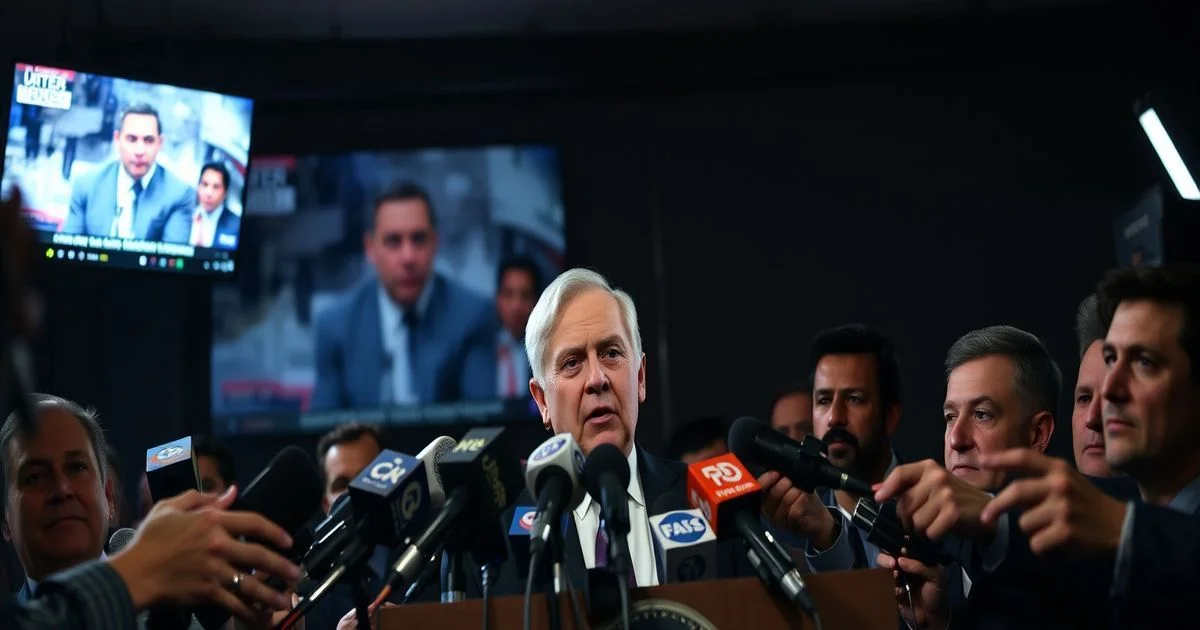
A deepening political scandal rocks Maharashtra as a series of damaging viral videos emerge, sending shockwaves through the state's political landscape. These highly circulated digital clips, appearing across social media platforms, have quickly ignited public outrage and fueled demands for immediate and transparent investigations into alleged misconduct by prominent government figures. The rapid spread of these videos has amplified the gravity of the situation, placing immense pressure on both the ruling coalition and opposition parties to address the unfolding crisis.
- Unpacking the Political Scandal Rocks Maharashtra: Viral Videos Emerge's Core Allegations
- Background Context: Maharashtra's Political Landscape
- The Rise of Viral Videos in Indian Politics
- Key Details of the Emerging Scandals
- Political Ramifications and Public Reaction
- Legal and Investigative Challenges
- Expert Opinion and Future Outlook
- Conclusion: The Enduring Impact of a Political Scandal Rocks Maharashtra: Viral Videos Emerge
- Frequently Asked Questions
- Further Reading & Resources
Unpacking the Political Scandal Rocks Maharashtra: Viral Videos Emerge's Core Allegations
The current political turmoil in Maharashtra has been significantly exacerbated by the emergence of several viral videos, each carrying grave implications. One particular video, widely shared, allegedly depicts a high-ranking minister in a compromising situation, leading to fervent calls for his immediate resignation. The minister, Narhari Zirwal, has publicly denied the allegations, claiming the video is doctored and part of a blackmail attempt. Another incident involves veteran politician Eknath Khadse and his daughter, who are accused of land fraud, allegedly taking illegal possession of an elderly woman's 'Mahar Watan' land through forged documents. These separate but concurrent developments paint a troubling picture of alleged ethical breaches and corruption within the state's political establishment.
The allegations range from personal misconduct to serious financial impropriety, threatening to erode public trust in governance. The content of these videos, sometimes featuring AI-doctored footage, has added a layer of complexity to the investigations, making it challenging to discern truth from manipulation. This digital dimension underscores the evolving nature of political scandals, where technology can both expose and distort realities.
Background Context: Maharashtra's Political Landscape
Maharashtra, a key state in India, operates within a parliamentary system of government, featuring a bicameral legislature comprising the Legislative Assembly (Vidhan Sabha) and the Legislative Council (Vidhan Parishad). The state's political history is rich with alliances and shifts, with major parties like the BJP, Shiv Sena, NCP, and Congress having played significant roles since its inception in 1960. The government is headed by the Chief Minister, who is selected by the ruling party members in the Legislative Assembly.
Recent political dynamics have seen a BJP-led government in power since 2024, with a coalition including factions of Shiv Sena and NCP. This complex coalition environment often leads to heightened scrutiny and intense political rivalries, where any perceived vulnerability can be exploited by opposing factions. The state's administration is extensive, with numerous local self-governance institutions from gram panchayats to municipal corporations, all overseen by various district and state-level officials.
The Rise of Viral Videos in Indian Politics
Social media has undeniably transformed the political landscape in India over the last decade. With hundreds of millions of internet users, platforms like WhatsApp, YouTube, Facebook, and Instagram have become central to political communication, voter engagement, and campaign strategies. Politicians now directly communicate with citizens, bypassing traditional media, and leverage these platforms for mobilization, fundraising, and shaping public opinion. Viral content, memes, and short videos can influence perceptions rapidly, often faster than conventional news dissemination.
However, this digital shift also presents significant challenges and risks. The rapid spread of false narratives and misleading information, often through WhatsApp forwards and viral videos, can influence voter behavior and create confusion. Social media algorithms can amplify extreme opinions, deepening political divides. More recently, the rise of AI-generated synthetic media, or 'deepfakes,' has introduced a new layer of concern, as these manipulated videos can spread disinformation and unfairly influence public discourse during elections. This technological advancement makes it increasingly difficult for the average citizen to distinguish genuine content from fabricated material, presenting a significant hurdle for maintaining a well-informed electorate, as seen in similar situations involving viral political rumors in Pakistan.
Key Details of the Emerging Scandals
The specifics of the current controversies are unfolding rapidly, with new information surfacing regularly. In the case of Minister Narhari Zirwal, a video allegedly showing him in a compromising situation with a transperson at his official residence sparked immediate uproar. While Zirwal vehemently denies the authenticity of the video, claiming it is "doctored" and part of a "blackmail attempt", the opposition has been quick to demand his resignation, citing "obscene and unethical behaviour". The transperson involved has reportedly filed a police complaint, alleging that the footage was manipulated using artificial intelligence and circulated by her brother as part of a blackmail scheme for money or employment. Police have registered a case under relevant sections of the Bharatiya Nyaya Sanhita and the Information Technology Act, initiating an investigation into the allegations of manipulation and blackmail.
Simultaneously, veteran politician Eknath Khadse, a Member of the Legislative Council from the Nationalist Congress Party, along with his daughter, faces serious allegations of land fraud. They are accused of illegally possessing 'Mahar Watan' land belonging to an elderly woman in Jalgaon district through forged documents, with promises of establishing a sugar factory. The case involves alleged manipulation and exploitation of the victim's ignorance, leading to recent police registration. These two distinct cases highlight varied forms of alleged misconduct, both of which are under intense public and media scrutiny.
Political Ramifications and Public Reaction
The surfacing of these viral videos and subsequent allegations has triggered significant political fallout within Maharashtra. The opposition parties have seized upon the controversies, using them to attack the ruling coalition and demand accountability. Calls for resignations, thorough investigations, and even the dismissal of implicated ministers have become prominent features of public discourse. This heightened political tension could potentially impact the stability of the current government, especially with upcoming elections always a consideration in the Indian political cycle.
Public reaction has been largely one of outrage and disillusionment. Social media platforms, the very channels through which these videos gained prominence, are now awash with discussions, criticisms, and demands for justice. Citizens are expressing concern over the perceived decline in ethical standards among public officials and the potential misuse of power. The dual nature of the allegations – both personal misconduct and alleged corruption – touches upon various facets of public trust, leading to widespread calls for swift and impartial action. Understanding the broader psychological impact of social media on public discourse is crucial here. The integrity of democratic institutions and the faith of the electorate are at stake as these events unfold.
Legal and Investigative Challenges
The investigations into these scandals face multifaceted legal and technical challenges. In the case of the allegedly doctored video involving Minister Zirwal, determining the authenticity of the footage is paramount. Experts in forensic analysis will be crucial to ascertain whether the video has indeed been manipulated using AI or other technologies. The Information Technology Act provides a legal framework for addressing such digital offenses, but proving intent and pinpointing the source of manipulation can be complex. The Bharatiya Nyaya Sanhita (BNS) is a relatively new law, and its application to sophisticated AI-generated evidence, especially concerning defamation or public mischief, will set crucial precedents. Investigating such cases requires advanced digital forensics capabilities, often involving collaboration with cybercrime units and external technology experts to trace the origin and methodology of the manipulation. Establishing criminal intent in the digital realm, particularly for content that spreads rapidly across unmoderated platforms, remains a significant hurdle. Furthermore, the allegations of blackmail add another layer to the criminal investigation, requiring careful evidence gathering and witness testimony.
For the land fraud allegations against Eknath Khadse, the legal process will involve examining land records, property documents, and testimonies to establish the veracity of the forged documents and the alleged illegal possession of land. This type of case often involves extensive documentary evidence and can be protracted. The judicial system in Maharashtra, comprising the High Court and district courts, will be responsible for overseeing these legal proceedings, ensuring due process is followed. The political prominence of the individuals involved means that these investigations will be under intense public and media scrutiny, further emphasizing the need for transparent and fair legal proceedings.
Expert Opinion and Future Outlook
Political analysts and governance experts are closely monitoring the unfolding events in Maharashtra. Many emphasize the significant role of digital media in shaping contemporary political narratives. "Viral videos, even those potentially manipulated, have an immediate and powerful impact on public perception, often setting the agenda for traditional media and political debate," notes Dr. Priya Sharma, a political communication specialist. This rapid dissemination of information, whether accurate or not, can create an irreversible public opinion before official investigations conclude. The proliferation of deepfakes, in particular, raises significant questions about evidentiary standards in legal proceedings and necessitates a critical re-evaluation of how public figures are protected from malicious digital manipulation. There's a growing consensus among legal and tech experts that current laws may not be robust enough to effectively tackle this emerging threat, highlighting the evolving role of tech in shaping political influence and diplomacy.
The long-term implications of such scandals on Maharashtra's political future are a subject of much discussion. Experts suggest that the outcome of these investigations could significantly influence the standing of various political parties and leaders in upcoming elections. A lack of transparent action could erode public trust further, while decisive and fair resolutions could help restore faith in the system. The scrutiny on ethical conduct and accountability in public life is likely to intensify, potentially leading to increased demands for stricter oversight mechanisms and faster judicial processes for cases involving public servants. Furthermore, political strategists are increasingly factoring in the risk of 'viral attacks' into their campaign planning, prompting a shift towards proactive reputation management and digital literacy initiatives for their candidates. This might also lead to greater demands for public education campaigns to help citizens discern authentic information from fabricated content.
Conclusion: The Enduring Impact of a Political Scandal Rocks Maharashtra: Viral Videos Emerge
The political scandal rocks Maharashtra: viral videos emerge has undeniably left an indelible mark on the state's political landscape, challenging the integrity of its governance and sparking widespread public debate. The rapid spread of these digital narratives has highlighted both the power of social media to expose alleged misconduct and the perils of disinformation, particularly with the increasing sophistication of AI-generated content. As investigations continue and legal battles unfold, the focus remains on ensuring accountability and upholding the rule of law.
The reverberations of this political scandal rocking Maharashtra, sparked by viral videos, are likely to shape public perception of political leaders and institutions for the foreseeable future. The demand for transparency, ethical conduct, and swift justice will undoubtedly be amplified, pushing political parties to re-evaluate their internal checks and balances. Ultimately, how the state's political machinery responds to these allegations will be a critical test of its commitment to democratic principles and public trust.
Frequently Asked Questions
Q: What are the main allegations fueling the Maharashtra political scandal?
A: The scandal primarily involves two key allegations: one against Minister Narhari Zirwal concerning a purportedly doctored viral video depicting personal misconduct, and another against veteran politician Eknath Khadse and his daughter for alleged land fraud and illegal possession of property.
Q: How do viral videos impact political discourse and investigations in India?
A: Viral videos significantly amplify political scandals, rapidly spreading information (and sometimes disinformation) to a broad audience. While they can expose alleged misconduct, the challenge of deepfakes complicates investigations, making it difficult to discern truth from manipulation and requiring advanced forensic analysis.
Q: What legal challenges do authorities face in addressing these scandals, especially with deepfakes?
A: Authorities face challenges in authenticating digital evidence, proving intent behind manipulated content, and tracing its origin. New laws like the Bharatiya Nyaya Sanhita and the Information Technology Act are being tested in their capacity to handle sophisticated AI-generated deepfakes and digital blackmail.