Mideast Crisis: Israel Strikes Tehran; Trump Extends Deadline Reshapes Dynamics
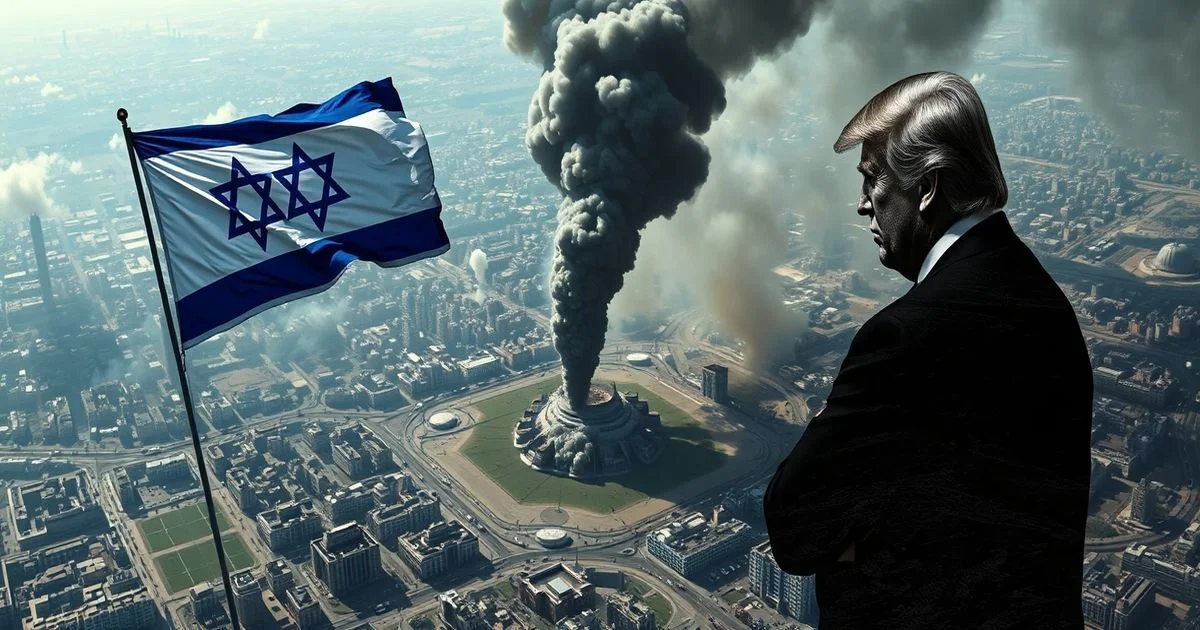
The geopolitical landscape of the Middle East has been profoundly reshaped by a series of unprecedented developments, ushering in a critical phase of the Mideast Crisis: Israel Strikes Tehran; Trump Extends Deadline. This dramatic escalation, marked by overt military action against the Iranian capital and a significant policy intervention from a former US president, has sent shockwaves across the globe, demanding urgent international attention and swift diplomatic responses. The convergence of these two high-stakes events—a direct strike on Tehran and a pivotal extension of a crucial deadline—underscores the volatility and intricate web of regional and global power dynamics at play.
- Historical Tensions and Escalation in the Middle East
- Israel's Strikes on Tehran: A Bold Escalation in the Mideast Crisis
- Trump's Intervention: Extending a Critical Deadline in the Mideast Crisis
- Geopolitical Ramifications of the Mideast Crisis: Israel Strikes Tehran; Trump Extends Deadline
- Navigating the Crisis: Pathways and Perils
- Conclusion
- Frequently Asked Questions
- Further Reading & Resources
Historical Tensions and Escalation in the Middle East
The recent events are not isolated incidents but rather the latest manifestations of decades-long regional rivalries and deeply entrenched geopolitical conflicts. The Middle East has long been a crucible of competing interests, ideological divides, and proxy wars, primarily centered around the historical animosity between Israel and Iran. This rivalry has frequently threatened to spill over into direct confrontation, fueled by concerns over Iran's nuclear program, its regional influence through proxy groups, and Israel's security imperatives.
Decades of Regional Rivalry
For decades, the strategic rivalry between Israel and Iran has defined much of the Middle East's geopolitical tension. Iran, under the Islamic Republic, has consistently advocated for the destruction of Israel and has supported various militant groups, including Hezbollah in Lebanon and Hamas in Gaza, which pose direct threats to Israeli security. Israel, in turn, views Iran's nuclear ambitions and its network of proxies as an existential threat, committing to prevent Iran from acquiring nuclear weapons and curtailing its destabilizing regional activities. This ongoing struggle has manifested in various forms, from cyber warfare and covert operations to proxy conflicts in Syria, Yemen, and Iraq. The region has witnessed numerous skirmishes and heightened alerts, each signaling the potential for a larger, more destructive conflict.
Previous Flashpoints and the Build-Up to Crisis
Prior to the strikes on Tehran, there have been numerous flashpoints that underscored the precarious balance of power. Repeated attacks on shipping in the Persian Gulf, alleged Israeli airstrikes on Iranian targets in Syria, and Iran's continued enrichment of uranium beyond the limits set by the Joint Comprehensive Plan of Action (JCPOA) have all contributed to a simmering cauldron of tension. These incidents, often met with strong condemnations and retaliatory threats, have incrementally eroded any semblance of stability, pushing the region closer to direct military confrontation. The international community has repeatedly expressed alarm over the escalating rhetoric and military posturing, recognizing the immense potential for a full-scale regional conflict with devastating global consequences. The withdrawal of the United States from the JCPOA under the previous administration and the subsequent re-imposition of sanctions further exacerbated these tensions, leading Iran to accelerate its nuclear program and reduce its cooperation with international inspectors. This cycle of escalation has created an environment where a significant incident, such as a direct strike on Tehran, was, for many analysts, an increasingly likely, albeit horrifying, prospect. The regional power vacuum created by shifting alliances and the perceived weakening of international norms have further emboldened various state and non-state actors, contributing to the instability.
Israel's Strikes on Tehran: A Bold Escalation in the Mideast Crisis
The direct Israeli strikes on Tehran represent a dramatic and highly significant escalation in the ongoing conflict between the two regional adversaries. This move transcends previous covert operations or proxy engagements, signaling a direct challenge with far-reaching implications. The precision and audacity of the attack immediately put the international community on high alert, drawing widespread condemnation and calls for de-escalation.
Details of the Attack
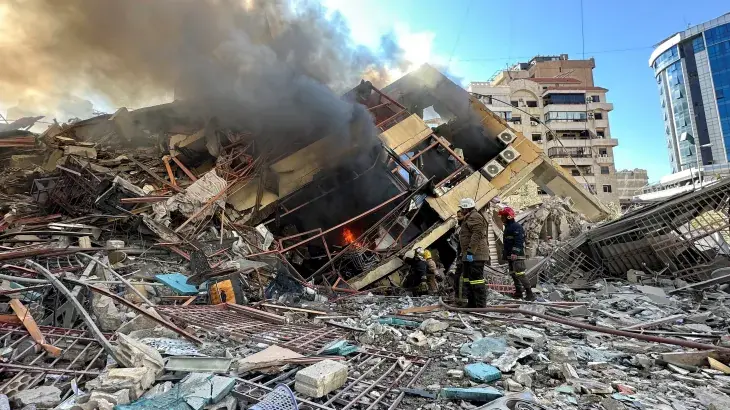
Reports indicate that the strikes targeted specific sites within Tehran and its vicinity in the early hours of the morning. While official details from both sides remain sparse and often contradictory, initial intelligence suggests that the assault involved a combination of long-range missile strikes and drone incursions, carefully orchestrated to penetrate sophisticated Iranian air defenses. Eyewitness accounts from residents of Tehran described multiple explosions and air raid sirens, plunging parts of the capital into chaos and fear. The scope and apparent precision of the attacks suggest a meticulously planned operation, designed to deliver a powerful message while potentially limiting widespread civilian casualties, though the full extent of the damage is still being assessed. The technological sophistication demonstrated in circumventing advanced Iranian air defense systems also raises questions about intelligence gathering and the potential for future similar operations, setting a dangerous precedent in modern warfare.
Alleged Targets and Rationale
The precise targets of the Israeli strikes are heavily contested, with both sides offering differing narratives. Israeli intelligence sources, speaking anonymously, suggested the strikes aimed at disabling key components of Iran's advanced missile development program and command-and-control centers linked to its regional proxy operations. There are also claims that facilities related to Iran's clandestine nuclear activities, previously unknown to international inspectors, might have been among the objectives. The rationale behind such a bold move, according to Israeli officials, is rooted in their unwavering commitment to preemptively neutralize what they perceive as immediate and severe threats to their national security. This includes preventing Iran from achieving nuclear weapons capability and disrupting its ability to arm and direct militant groups along Israel's borders. The timing of the strikes also suggests a possible response to recent Iranian advancements in uranium enrichment or perceived threats to Israeli interests in the region, perhaps even linked to specific intelligence indicating an imminent threat.
Immediate Aftermath and Casualties
The immediate aftermath of the strikes was characterized by confusion, fear, and a rapid deployment of security forces across Tehran. Iranian state media initially downplayed the severity of the attacks, reporting minor damage and successful interception of most incoming projectiles. However, independent reports and social media accounts painted a more somber picture, suggesting significant damage to several sites and an undisclosed number of casualties, both military and civilian. The Iranian government has vowed a "proportionate and decisive" retaliation, raising fears of a dangerous cycle of violence that could quickly spiral out of control. Hospitals in Tehran were reportedly on high alert, and emergency services were mobilized to affected areas. The immediate impact also included a sharp rise in global oil prices and a general sense of unease in international financial markets, reflecting concerns about regional stability and supply chain disruptions. The psychological toll on the civilian population, living under the shadow of potential further attacks, cannot be overstated, adding another layer of human cost to the conflict.
Trump's Intervention: Extending a Critical Deadline in the Mideast Crisis
Adding another layer of complexity to the already volatile situation, former U.S. President Donald Trump has made a significant and unexpected intervention by extending a critical deadline related to the Middle East. While no longer in office, Trump's continued influence on global affairs, particularly concerning Iran and regional policy, remains palpable. This extension, occurring concurrently with the Israeli strikes, introduces new variables into the crisis and complicates potential diplomatic pathways.
The Nature of the Deadline
The deadline in question pertains to specific economic sanctions waivers that were initially set to expire, potentially triggering harsher penalties on international entities dealing with Iran's energy sector. These waivers, a legacy of the previous administration's "maximum pressure" campaign, were designed to exert economic leverage over Tehran, compelling it to renegotiate its nuclear program and cease its destabilizing regional activities. The extension reportedly grants certain nations and companies a temporary reprieve from these penalties, allowing for continued, albeit limited, engagement with Iran under specific conditions. This move appears to be aimed at preventing a complete economic collapse in Iran, which some argue could further destabilize the region and lead to unintended consequences, while still maintaining significant pressure. The specifics of which waivers were extended and for how long are still emerging, but the immediate effect is a slight easing of immediate economic pressure, at least for some actors, and a signal that complete economic strangulation might not be the immediate objective.
Motivations Behind the Extension
The motivations behind Trump's decision to extend this deadline are multifaceted and subject to intense speculation. One perspective suggests that the extension is a pragmatic move to prevent an immediate, uncontrolled escalation of the Mideast Crisis: Israel Strikes Tehran; Trump Extends Deadline. By offering a temporary economic breathing room, the hope might be to create space for de-escalation and potential diplomatic backchannels in the wake of the Israeli strikes. Another interpretation points to Trump's consistent belief in maintaining maximum leverage while also demonstrating a willingness to negotiate, albeit on his own terms. It could also be seen as an attempt by a highly influential former president to reassert his relevance and influence on critical foreign policy matters, especially concerning an issue he heavily engaged with during his presidency. Critics, however, argue that such an intervention, particularly from a former president, could undermine current administration efforts and create confusion on the global stage, potentially emboldening Iran or creating divisions among allies and thus complicating a unified international response.
International Reactions and Divides
The news of Trump's deadline extension has elicited a mixed and often divided international response. Allies in Europe, who have long advocated for a more nuanced approach to Iran and sought to preserve elements of the JCPOA, have expressed cautious optimism that this might open a window for renewed diplomatic engagement, even if temporary. They view any measure that reduces immediate economic strain as potentially conducive to de-escalation. However, hardline factions within the United States and some regional partners, particularly those highly critical of Iran, have voiced strong disapproval. They argue that extending any waivers undermines the efficacy of sanctions and sends a wrong signal to Tehran, potentially validating its aggressive actions. The current U.S. administration is reportedly navigating the implications of this independent action, striving to maintain a coherent foreign policy stance while addressing the new reality created by this extension. The differing reactions highlight the deep fissures within the international community regarding the most effective strategy to manage the Iranian threat and the broader Mideast Crisis, making consensus-building exceedingly difficult.
Geopolitical Ramifications of the Mideast Crisis: Israel Strikes Tehran; Trump Extends Deadline
The dual developments of Israel's strikes on Tehran and Trump's deadline extension have profound geopolitical ramifications that will ripple across the Middle East and beyond. The stability of the region, global power dynamics, and international economic flows are all poised for significant shifts. The complex interplay of military action, economic pressure, and political maneuvering creates a highly unpredictable environment.
Impact on Regional Actors
Regional actors find themselves in a state of heightened alert. Saudi Arabia and other Gulf states, historically wary of Iran's ambitions, will likely view the Israeli strikes as a strong deterrent against Iranian aggression but will also be concerned about potential retaliatory actions that could engulf the entire region. Their reactions will be crucial in shaping the trajectory of the crisis, as they may seek to either solidify alliances against Iran or pursue de-escalation channels through back-door diplomacy. Iran, under intense pressure, will face internal and external challenges. The regime will need to balance its response to the Israeli strikes with the need to maintain control and avoid further destabilization, especially given the slight economic reprieve offered by the extended deadline. The future of proxy groups supported by Iran, such as Hezbollah and various militias in Iraq and Syria, also hangs in the balance, as their strategic importance and operational capabilities might be affected by these developments, possibly leading to a reconfiguration of regional power balances.
Global Power Dynamics
The crisis significantly impacts global power dynamics. The United States, despite Trump's intervention, remains a central player, striving to manage the fallout, protect its interests, and prevent a regional conflagration. The actions of Russia and China, both with significant strategic and economic interests in the Middle East, will also be critical. Russia, a key ally of Iran, may seek to leverage the crisis to enhance its influence, while China might prioritize stability to safeguard its energy supplies and Belt and Road Initiative investments. The European Union, caught between its security concerns and economic interests, will likely push for diplomatic solutions, emphasizing the need for multilateral engagement and a return to negotiation. The ability of these global powers to coordinate, or their failure to do so, will largely determine the scale and duration of the Mideast Crisis. The direct strike by Israel also forces the world to confront the limits of deterrence and the potential for unilateral military action to reshape regional security architectures. This re-evaluation of security paradigms could lead to new alliances or a further breakdown of existing international frameworks.
Economic Repercussions
The immediate economic repercussions have already been felt, most notably in the global energy markets. Oil prices surged following news of the strikes, reflecting fears of supply disruptions from a region that accounts for a significant portion of the world's crude oil production. Shipping routes through the Strait of Hormuz, a critical chokepoint for global oil trade, are also under scrutiny, with increased insurance premiums and security concerns for vessels traversing the area. Beyond oil, international trade and investment in the region could see a downturn as risk aversion increases among businesses. The extension of sanctions waivers by Trump, while potentially offering a temporary respite for some sectors, does not fundamentally alter the long-term economic instability inherent in the ongoing crisis. Should the situation escalate further, the global economy could face significant headwinds, including higher energy costs, supply chain disruptions, reduced consumer confidence, and a potential exodus of foreign investment from the region, leading to widespread economic hardship.
Navigating the Crisis: Pathways and Perils
The current Mideast Crisis: Israel Strikes Tehran; Trump Extends Deadline presents a complex tapestry of challenges and potential pathways forward. Navigating this treacherous landscape will require astute diplomacy, a commitment to de-escalation, and a clear understanding of the risks involved. The international community faces a daunting task in preventing further escalation and finding a sustainable resolution.
Diplomatic Efforts and Challenges
Intense diplomatic efforts are already underway behind the scenes, with various international bodies and individual nations scrambling to de-escalate tensions. Calls for restraint and dialogue have emanated from the United Nations, the European Union, and several major world powers. However, the challenges to effective diplomacy are immense. The deep-seated mistrust between Israel and Iran, coupled with their conflicting national interests, makes direct negotiation extremely difficult. Furthermore, the role of external actors, including the United States, Russia, and China, introduces additional layers of complexity, as their own geopolitical agendas often influence their approach to the crisis. The absence of a unified international front and the differing views on how to engage with Iran further complicate the search for a common diplomatic path. Any successful diplomatic initiative would likely require a multi-pronged approach, potentially involving intermediaries and a gradual trust-building process, focusing initially on humanitarian issues or limited ceasefires before addressing core security concerns.
Escalation Risks
The risks of further escalation are alarmingly high. Iran's vow of retaliation following the Israeli strikes could manifest in various forms, from direct military responses to enhanced support for its proxy forces, potentially targeting Israeli interests or even U.S. assets in the region. Such retaliatory actions would almost certainly trigger further responses from Israel, creating a dangerous tit-for-tat cycle. The involvement of non-state actors, who might seek to exploit the chaos for their own agendas, further complicates the situation, making it harder to control the narrative and actions on the ground. A miscalculation by any party, a technical malfunction, or an unintended consequence of military action could easily trigger a wider regional war with catastrophic humanitarian and economic costs. The potential for the conflict to draw in other regional and global powers, transforming it into a much larger international crisis, remains a paramount concern, threatening to unravel decades of diplomatic efforts to maintain regional stability.
The Role of International Bodies
International bodies, particularly the United Nations Security Council, face immense pressure to play a constructive role in de-escalating the crisis. Their capacity to act, however, is often constrained by geopolitical divisions and the veto power of permanent members. Despite these limitations, organizations like the International Atomic Energy Agency (IAEA) remain crucial in monitoring Iran's nuclear program and providing factual assessments, which are vital for informed diplomatic efforts. Human rights organizations and aid agencies are also preparing for potential humanitarian fallout, highlighting the need for unimpeded access to affected areas. The credibility and effectiveness of these international bodies in mobilizing collective action and upholding international law will be severely tested during this period of heightened tension. A unified voice from these bodies, advocating for peace and de-escalation, could provide a much-needed moral and diplomatic anchor in an otherwise turbulent environment, but achieving such unity remains a significant hurdle.
Conclusion
The recent military actions and political interventions have plunged the region into an even more precarious state, solidifying the gravity of the Mideast Crisis: Israel Strikes Tehran; Trump Extends Deadline. The direct Israeli strikes on Tehran represent a significant escalation, breaking previous unspoken boundaries and raising the specter of full-scale conflict. Simultaneously, former President Trump's unexpected extension of a critical deadline adds a layer of complexity, influencing economic pressures and potentially creating new diplomatic opportunities or complications. The geopolitical ramifications are far-reaching, impacting regional stability, global power dynamics, and the world economy. As the international community grapples with this evolving situation, the urgent imperative remains to de-escalate tensions, pursue all diplomatic avenues, and prevent a further spiral into widespread conflict. The decisions made in the coming days and weeks will undoubtedly shape the future of the Middle East and global security for years to come.
Frequently Asked Questions
Q: What prompted Israel's strikes on Tehran?
A: Israel stated the strikes targeted key components of Iran's advanced missile development program and command-and-control centers. The rationale was to neutralize what Israel perceives as immediate and severe threats to its national security and prevent Iran from achieving nuclear weapons capability.
Q: Why did former President Trump extend a critical deadline related to Iran?
A: The extension of specific economic sanctions waivers by former President Trump is widely speculated to be a pragmatic move aimed at preventing an immediate, uncontrolled escalation. It potentially creates space for de-escalation and diplomatic backchannels, while also allowing him to reassert his influence on critical foreign policy matters.
Q: What are the primary global economic impacts of this crisis?
A: The immediate economic repercussions include a sharp surge in global oil prices due to fears of supply disruptions from the Middle East, a critical region for crude oil production. Additionally, shipping routes like the Strait of Hormuz face increased scrutiny and higher insurance premiums, leading to broader international trade instability.