Mideast Conflict: Iran Commander Killed, Russia Arms Shift Dynamics
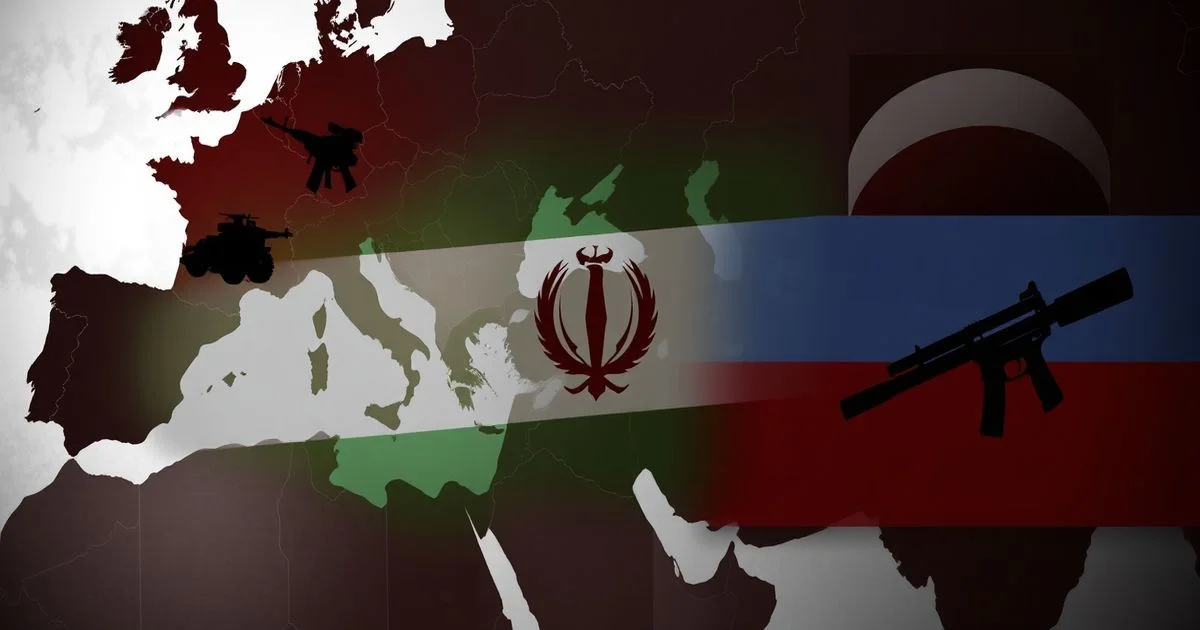
The volatile landscape of the Middle East is once again at a critical juncture, marked by recent escalations that underscore the region's enduring fragility. Amidst the ongoing Mideast Conflict: Iran Commander Killed, Russia Arms deals are significantly reshaping geopolitical dynamics, introducing new layers of complexity and urgency to an already fraught situation. These recent events, including the targeted killing of a high-ranking Iranian military commander and Russia's assertive expansion of its arms trade within the region, are not isolated incidents but rather critical threads in a tapestry of shifting alliances, proxy battles, and renewed global power struggles that demand immediate international attention.
Escalating Tensions in the Middle East
The Middle East has historically been a crucible of international intrigue and regional disputes, a trend that continues unabated into 2026. The interplay of local grievances, external interventions, and the pursuit of strategic interests by major global powers consistently fuels a cycle of conflict and instability. Recent developments serve as potent reminders of this intricate web, signaling a potentially more dangerous phase in the region's protracted struggles. Understanding these elements is crucial for grasping the broader implications for global security and stability.
The Killing of a High-Ranking Iranian Commander
Reports have confirmed the killing of a prominent Iranian military commander, General Sayyed Razi Mousavi, in late 2023. Mousavi, a senior advisor in the Islamic Revolutionary Guard Corps (IRGC), was reportedly killed in an airstrike in the Sayyeda Zeinab area near Damascus, Syria on December 25, 2023. This incident quickly drew international condemnation from Iran and its allies, with Iranian President Ebrahim Raisi vowing that Israel would "pay the price" for the killing, which Iran attributed to Israel.
General Mousavi was a key figure within the IRGC's Quds Force, responsible for coordinating military alliances with Syria and providing logistical support. His death marked one of the most significant losses for the IRGC since the killing of General Qassem Soleimani in 2020. The timing of this strike, amidst heightened regional tensions, particularly in the aftermath of events in Gaza, amplified its strategic significance. Analysts suggest the targeting of such a high-profile figure underscores a calculated effort to disrupt Iran's operational capabilities and influence network in Syria, a vital conduit for its regional projection of power.
The implications of Mousavi's death are far-reaching. It has not only deprived Iran of a veteran operative but has also intensified the shadow war between Iran and its adversaries in the region. This event carries the potential for significant retaliatory actions, further destabilizing an already volatile region. The immediate aftermath saw increased rhetoric and a visible rise in alert levels among various regional actors, highlighting the constant threat of open confrontation.
Russia's Expanding Arms Deals and Influence
Concurrently, Russia has been actively solidifying its position as a major arms supplier and strategic partner in the Middle East, a move that is significantly altering regional power balances. This expanding military cooperation is not new, but its scale and strategic implications have grown substantially in recent years, especially following the full-scale invasion of Ukraine. Russia's arms sales to countries like Iran, Syria, and even some traditionally Western-aligned nations in the Gulf, demonstrate a clear pivot in regional security dynamics.
Russia has maintained a strong military presence and strategic alliance with Syria, providing crucial support to the Assad regime. Beyond Syria, reports indicate a deepening military-technical cooperation with Iran. For instance, leaked documents from late 2025 confirm that Russia has begun production of 16 Su-35 multirole fighters destined for Iran, with full delivery scheduled for completion before the end of 2027 under a €6 billion deal for a total of 48 Su-35 aircraft. In return, Iran has reportedly supplied Russia with Shahed-type drones and other military equipment for use in the conflict in Ukraine. This quid pro quo relationship enhances both nations' military capabilities and challenges the traditional security architecture dominated by Western powers. The strategic implications extend beyond direct military support; Russia's re-engagement offers a counterweight to traditional Western influence, providing recipient nations with more diverse options for defense procurement and strategic partnerships.
The motivations behind Russia's increased arms engagement are multi-faceted. Economically, it provides a vital revenue stream for Russia's defense industry amidst international sanctions. Strategically, it allows Russia to project power and influence, counterbalancing Western presence and fostering alliances with states seeking alternatives to Western military hardware and political patronage. This reorientation of military supply chains offers recipient nations greater autonomy and leverage in their foreign policy, but also potentially complicates efforts to de-escalate regional conflicts.
Geopolitical Ramifications of the Mideast Conflict: Iran Commander Killed, Russia Arms Deals
The convergence of the targeted killing of an Iranian commander and Russia's assertive arms diplomacy creates a complex and potentially dangerous geopolitical cocktail. These events are not isolated; they are deeply intertwined with the broader objectives of regional and global actors, setting the stage for significant shifts in power and influence.
Impact on Regional Alliances and Security
The killing of General Mousavi has undoubtedly strengthened the resolve of the "Axis of Resistance" led by Iran. This network of allied groups across the Middle East, including Hezbollah in Lebanon, various Iraqi militias, and the Houthi movement in Yemen, views such strikes as direct attacks on their shared cause. Retaliation, whether direct or through proxies, remains a significant concern, potentially triggering a wider regional conflagration. The incident also serves as a stark reminder of the ongoing covert operations and intelligence battles that define the region's security landscape.
Conversely, Russia's arms deals are enabling its partners, particularly Iran and Syria, to bolster their defensive and offensive capabilities. This infusion of advanced military technology can embolden these states, making them less susceptible to external pressure and more capable of projecting power within their spheres of influence. For example, the acquisition of Su-35 fighter jets would significantly upgrade Iran's air force, which has largely relied on aging platforms for decades. Such advancements could alter the tactical balance of power, forcing rivals to reassess their strategies and potentially leading to a regional arms race.
International Responses and Global Stability
International responses to these developments have been varied, reflecting the complex and often contradictory interests of global powers. Western nations have largely condemned actions perceived as destabilizing, such as targeted killings, while simultaneously expressing concern over Russia's deepening military ties in the region. However, their ability to influence these trends is often limited by existing geopolitical divisions and the increasing assertiveness of non-Western actors.
The United Nations and other international bodies frequently call for de-escalation and diplomatic solutions, but their effectiveness is often hampered by the veto power of permanent Security Council members, including Russia. The broader implications for global stability are profound. A more militarized and polarized Middle East risks disrupting global energy supplies, triggering refugee crises, and providing fertile ground for extremist ideologies. The escalating tensions also pose a direct threat to global energy security, given the Middle East's central role in oil and gas production and transit routes. Disruptions here could ripple through international markets, affecting economies worldwide. Moreover, sustained conflict risks exacerbating humanitarian crises and generating significant refugee flows, further burdening neighboring states and international aid organizations. Previous escalations, such as those detailed in articles like Mideast Crisis: Israel Strikes Tehran; Trump Extends Deadline, demonstrate how interconnected these events are, making comprehensive resolution exceedingly difficult.
Expert Analysis and Future Projections
Security analysts and foreign policy experts are closely scrutinizing these developments, offering diverse perspectives on potential future trajectories. The consensus points towards continued instability, with an elevated risk of direct confrontation if diplomatic off-ramps are not diligently pursued.
The Evolving Role of Major Powers
Experts highlight Russia's strategic objective to reassert itself as a major global player, challenging the unipolar moment that followed the Cold War. By strengthening alliances and military cooperation in the Middle East, Russia not only secures its economic interests but also gains significant geopolitical leverage against Western powers. This approach is particularly evident in its support for the Syrian regime and its growing partnership with Iran, both of which are central to its regional strategy. The modern landscape of global influence is increasingly shaped by technological advancements and strategic governance, as explored in discussions around Navigating AI: New Rules for Workplace & Governance Emerging Globally.
Similarly, Iran's actions are often viewed through the lens of its desire for regional hegemony and its resistance to perceived external interference. The targeting of its commanders, while a significant loss, also galvanizes its resolve and provides justification for continued expansion of its regional influence, particularly through its network of proxy forces. These forces serve as crucial instruments of deterrence and power projection, allowing Iran to exert influence without direct conventional military engagement.
Pathways to De-escalation or Further Conflict
The current environment presents a challenging dilemma: how to de-escalate tensions without sacrificing national or regional interests. Some analysts argue that robust international dialogue, involving all relevant stakeholders, is essential. This would necessitate addressing the root causes of conflict, including economic disparities, political grievances, and the lingering effects of historical interventions. Others suggest that a more balanced regional power structure, where no single actor can unilaterally dictate terms, might foster greater stability.
However, the prevailing sentiment is that the region is on a knife-edge. The absence of strong diplomatic channels between adversarial states, coupled with the proliferation of advanced weaponry, increases the likelihood of miscalculation and unintended escalation. The ongoing events, from targeted killings to significant arms transfers, are not merely symptoms of the Mideast Conflict: Iran Commander Killed, Russia Arms dynamic; they are actively shaping its dangerous evolution, demanding urgent and coordinated international attention to avert a wider catastrophe.
Conclusion
The recent killing of a high-ranking Iranian commander and the sustained expansion of Russia's arms deals across the Middle East collectively mark a critical intensification of the region's long-standing conflicts. These events are not isolated but rather deeply interconnected, fueling an already volatile geopolitical environment. The death of General Sayyed Razi Mousavi underscores the dangerous nature of the proxy wars and targeted operations that define the region, while Russia's growing military footprint and arms exports are fundamentally reshaping power dynamics and security arrangements.
As regional players and global powers navigate these complex developments, the potential for escalation remains a significant concern. The Mideast Conflict: Iran Commander Killed, Russia Arms phenomenon highlights the urgent need for renewed diplomatic efforts, robust international engagement, and a concerted focus on de-escalation to prevent further destabilization. The intricate web of alliances, animosities, and strategic interests in the Middle East will continue to demand vigilant observation and proactive engagement from the international community to safeguard global peace and security.
Frequently Asked Questions
Q: Who was General Sayyed Razi Mousavi and why was his killing significant?
A: General Sayyed Razi Mousavi was a senior advisor in Iran's Islamic Revolutionary Guard Corps (IRGC) Quds Force, crucial for coordinating military alliances in Syria and providing logistical support. His death in an airstrike in late 2023 marked one of the most significant losses for Iran since General Qassem Soleimani, intensifying the shadow war between Iran and its adversaries and raising fears of retaliation.
Q: How are Russia's arms deals impacting the Middle East?
A: Russia is expanding its role as a major arms supplier, providing advanced military equipment like Su-35 fighter jets and air defense systems to countries such as Iran and Syria. These deals are shifting regional power balances by enhancing the military capabilities of recipient nations, counterbalancing Western influence, and contributing to a potential regional arms race.
Q: What are the broader geopolitical implications of these recent events?
A: The convergence of the Iranian commander's killing and Russia's arms expansion is escalating regional tensions, strengthening Iran's "Axis of Resistance," and creating a more militarized Middle East. These events complicate international efforts for de-escalation and pose significant risks to global stability, energy supplies, and humanitarian situations by increasing the likelihood of miscalculation and wider conflict.