Middle East on Edge: New Strikes Escalate Tensions Regionally

The global community watches with growing apprehension as the Middle East is on edge, following a series of new strikes that threaten to escalate tensions across the already volatile region. Recent military actions and retaliatory attacks have heightened fears of a broader conflict, drawing urgent calls for de-escalation from international bodies and world powers. This latest wave of unrest underscores the deeply entrenched rivalries and complex geopolitical dynamics that continue to define the landscape of the Middle East, challenging diplomatic efforts and impacting global stability.
- A Region in Flux: Background Context of Mounting Tensions
- Latest Incidents: Key Details of Recent Strikes
- International Reactions and Diplomatic Efforts
- Economic Repercussions of Heightened Instability
- Humanitarian Impact and Civilian Casualties
- The Path Forward: Challenges and Prospects
- Middle East on Edge: A Fragile Future
- Conclusion
- Frequently Asked Questions
- Further Reading & Resources
A Region in Flux: Background Context of Mounting Tensions
The Middle East has long been a crucible of historical grievances, ideological clashes, and strategic competition, shaping a complex web of alliances and rivalries. Decades of external interventions, internal conflicts, and unresolved political disputes have fostered an environment ripe for instability. The withdrawal of certain international forces, coupled with the rise of regional powers asserting their influence, has created a dynamic vacuum, often filled by proxy conflicts and asymmetric warfare. This historical context is crucial to understanding why new strikes continue to escalate tensions in the region.
Key factors contributing to the enduring instability include:
- Geopolitical Competition: Major regional players like Saudi Arabia, Iran, Turkey, and Israel frequently engage in a struggle for dominance, often through proxies in Yemen, Syria, Iraq, and Lebanon.
- Persistent Conflicts: Ongoing civil wars and insurgencies in nations such as Syria and Yemen continue to destabilize their neighbors and draw in external actors.
- Economic Pressures: Fluctuations in oil prices and widespread youth unemployment exacerbate social discontent and provide fertile ground for radicalization.
- Sectarian Divides: Deep-seated sectarian fault lines, particularly between Sunni and Shia Islam, are often exploited by political actors to mobilize support and fuel conflicts.
These underlying conditions create a highly combustible situation where isolated incidents can rapidly spiral into broader confrontations. The continuous flow of advanced weaponry into the region further compounds the risk of escalation, making any new strike a potential flashpoint. For a deeper understanding of specific escalations, consider instances such as the Mideast Conflict involving an Iran Commander's death.
Latest Incidents: Key Details of Recent Strikes
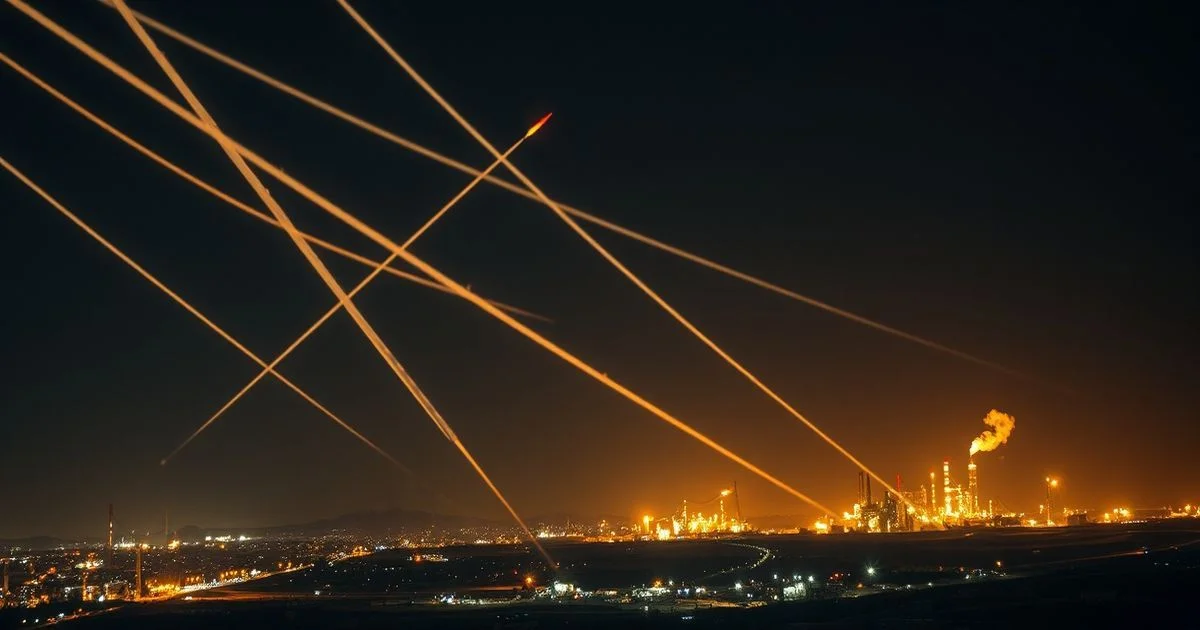
Recent weeks have witnessed a significant uptick in military engagements and targeted attacks, raising alarm bells worldwide. These "new strikes" have spanned several strategic locations, primarily involving drone assaults, missile launches, and targeted aerial bombardments. The precise attribution of every single incident remains a subject of ongoing investigation and diplomatic contention, but patterns point to established fault lines.
Strategic Locations Targeted
The recent escalations have concentrated on several key areas, each holding significant strategic importance:
- Red Sea Shipping Lanes: Continued drone and missile attacks, attributed primarily to Houthi militants in Yemen, have targeted international commercial vessels, disrupting global trade and prompting military responses from a multinational coalition. These strikes are often framed as solidarity with Palestinians and a means to pressure nations perceived as supporting Israel.
- Iraq and Syria: Areas hosting U.S. forces and their allies have been subjected to rocket and drone attacks by various Iranian-backed militia groups. These actions are frequently presented as retaliation for U.S. military presence or regional policies, leading to counter-strikes by U.S. forces against militia strongholds.
- Lebanon-Israel Border: Cross-border skirmishes and targeted strikes between Israeli forces and Hezbollah have intensified, particularly in the wake of broader regional tensions. These exchanges often involve rocket fire from Lebanon and Israeli airstrikes targeting Hezbollah infrastructure, raising fears of a full-scale conflict in the Levant.
The nature of these attacks often involves sophisticated weaponry, demonstrating an ongoing arms race and the proliferation of advanced military technology within the region. The precision and frequency of these new strikes highlight a calculated effort by various actors to project power and assert influence, contributing directly to the situation where the Middle East is on edge.
International Reactions and Diplomatic Efforts
The international community has responded to the escalating violence with a mix of condemnation, calls for restraint, and renewed diplomatic initiatives. Major global powers and regional organizations are keenly aware of the potential for these new strikes to ignite a wider, more devastating conflict with far-reaching consequences beyond the Middle East.
Global Condemnation and Calls for De-escalation
United Nations Secretary-General António Guterres has repeatedly expressed grave concern over the rising tensions, urging all parties to exercise maximum restraint and de-escalate the situation immediately. Similar sentiments have been echoed by the European Union, the Arab League, and various individual nations, all emphasizing the urgent need to protect civilian lives and adhere to international law. The rhetoric consistently highlights the dangers of miscalculation and the imperative of diplomatic solutions over military confrontation.
Renewed Diplomatic Initiatives
In response to the current crisis, several diplomatic channels have been activated or reinforced. These include:
- Direct Bilateral Engagements: Countries with significant stakes in regional stability, such as the United States, Russia, and key European nations, are engaging in bilateral talks with regional actors to cool down tensions and seek common ground. These discussions often focus on specific conflict zones and the behavior of proxy groups.
- Multilateral Forums: The UN Security Council has held emergency sessions to discuss the implications of the new strikes, though consensus on concrete actions often proves challenging due to divergent national interests among its permanent members. Regional forums, such as those organized by the Gulf Cooperation Council (GCC), are also striving to foster dialogue among member states and address shared security concerns.
- Mediation Efforts: Independent mediators and humanitarian organizations are attempting to establish back-channel communications between adversaries to negotiate ceasefires and facilitate humanitarian aid access. These efforts are often painstaking and face numerous obstacles but are seen as vital in preventing complete breakdown.
Despite these efforts, the fractured geopolitical landscape and deep-seated distrust among regional adversaries present formidable challenges to achieving lasting peace. The complexity of the situation means that diplomatic breakthroughs are often tenuous and easily undermined by renewed military actions.
Economic Repercussions of Heightened Instability
The recent wave of new strikes and the subsequent escalation of tensions have sent ripples through global markets, particularly impacting the energy sector and international trade routes. The Middle East's pivotal role as a primary source of oil and a critical transit hub means that any instability there has immediate and significant economic consequences worldwide.
Impact on Energy Markets
The oil markets are especially sensitive to developments in the Middle East. Threats to shipping in the Red Sea and potential disruptions to oil production or export facilities in the Persian Gulf have historically led to spikes in crude oil prices. Recent events have caused volatility, leading to increased global energy costs and contributing to inflationary pressures in consumer economies. Investors remain wary, with geopolitical risk premiums being factored into commodity prices.
Disruption of Global Trade Routes
The Red Sea, a vital artery for global maritime trade connecting Europe and Asia via the Suez Canal, has seen significant disruptions due to Houthi attacks. Major shipping companies have rerouted vessels around the Cape of Good Hope, adding weeks to transit times and substantially increasing shipping costs and insurance premiums. This prolonged disruption impacts supply chains across various industries, from manufacturing to consumer goods, potentially slowing global economic growth.
Regional Economic Strain
Within the Middle East, the continued conflict inflicts severe economic strain. Foreign investment often dwindles in areas perceived as unstable, hindering development projects and job creation. Nations heavily reliant on tourism also suffer as travel advisories deter visitors. Infrastructure damage from strikes further burdens already fragile economies, requiring costly reconstruction efforts and diverting resources from essential services.
Humanitarian Impact and Civilian Casualties
Beyond the geopolitical maneuvers and economic fallout, the most tragic consequence of the escalating tensions and new strikes is the devastating humanitarian toll on civilian populations. In areas directly affected by conflict, lives are irrevocably altered, and fundamental human rights are often violated.
Rising Civilian Casualties
Each new strike carries the risk of civilian casualties, with reports often detailing deaths and injuries among non-combatants, including women and children. Residential areas, hospitals, and schools can become collateral damage in targeted attacks or retaliatory strikes. The constant threat of violence forces families to live in perpetual fear, undermining any semblance of normal life.
Displacement and Refugee Crises
The ongoing conflicts contribute to massive internal displacement and exacerbate existing refugee crises. Millions have been forced to flee their homes, seeking safety in overcrowded camps or precarious urban environments, often with limited access to basic necessities like food, water, and shelter. Neighboring countries often bear the brunt of these refugee flows, straining their resources and social infrastructure.
Breakdown of Essential Services
Prolonged conflict severely damages critical infrastructure, leading to a breakdown of essential services. Power outages, water shortages, and the collapse of healthcare systems become commonplace, particularly in besieged or heavily bombed areas. The delivery of humanitarian aid is frequently hampered by active hostilities, bureaucratic obstacles, and security concerns, leaving vulnerable populations without vital support. The psychological impact on communities, especially children, exposed to sustained violence and uncertainty is profound and long-lasting.
The Path Forward: Challenges and Prospects
Navigating the current crisis in the Middle East presents immense challenges, yet the necessity for a viable path forward remains paramount. The ongoing new strikes and the pervasive sense that the Middle East is on edge demand urgent attention and innovative solutions from both regional and international actors.
Hurdles to Peace
Several significant obstacles stand in the way of achieving a lasting peace:
- Deep-Seated Mistrust: Decades of conflict and broken agreements have fostered profound mistrust among adversaries, making genuine dialogue and compromise incredibly difficult. Each new strike reinforces existing suspicions.
- External Interference: The involvement of external powers, often pursuing their own strategic interests, can complicate resolution efforts and empower proxy groups, prolonging conflicts.
- Lack of Unified Regional Vision: The absence of a shared vision for regional security and cooperation among key Middle Eastern states means that individual national interests often override collective stability.
- Proliferation of Weapons: The widespread availability of advanced weaponry, including drones and ballistic missiles, lowers the threshold for military action and increases the destructive potential of conflicts.
Prospects for De-escalation
Despite the grim outlook, some avenues for de-escalation and eventual peace remain:
- Sustained Diplomacy: Consistent, high-level diplomatic engagement, even amidst hostilities, is crucial. Track-two diplomacy and back-channel communications can help maintain a fragile bridge between opposing sides.
- Regional Dialogue Initiatives: Encouraging regional stakeholders to take ownership of their security concerns and engage in direct dialogue can foster a sense of shared responsibility and potentially lead to indigenous solutions. Initiatives like the Baghdad Conference for Cooperation and Partnership offer a model for such discussions.
- Targeted Sanctions and Incentives: International pressure through targeted sanctions on individuals and entities fueling conflict, combined with incentives for cooperative behavior, could influence state and non-state actors.
- Humanitarian Ceasefires: Prioritizing and enforcing humanitarian ceasefires can provide much-needed relief to civilians and create windows for broader negotiations.
Middle East on Edge: A Fragile Future
The recent surge of new strikes has undeniably pushed the Middle East further onto the brink, underscoring the precarious balance of power and the ever-present risk of wider conflict. The intricate web of geopolitical rivalries, coupled with the profound humanitarian impact of ongoing violence, demands a concerted and sustained international response. The fragility of peace in the region means that every decision, every military action, and every diplomatic overture carries significant weight.
Conclusion
The current situation, where the Middle East is on edge due to new strikes and escalating tensions, represents a critical juncture for regional and global stability. The humanitarian cost is immeasurable, and the economic repercussions extend far beyond the region's borders. Moving forward, a renewed commitment to inclusive dialogue, adherence to international law, and robust diplomatic initiatives are essential to prevent further deterioration and to pave the way for a more stable and peaceful future for all inhabitants of this vital part of the world.
Frequently Asked Questions
Q: What are the primary causes of the escalating tensions in the Middle East?
A: The escalation stems from a complex interplay of geopolitical competition among regional powers, persistent internal conflicts, economic pressures, and deep-seated sectarian divides. External interventions further complicate these dynamics, creating an environment ripe for instability.
Q: Which areas have been most affected by the recent strikes?
A: Key areas affected include the Red Sea shipping lanes, where Houthi militants have targeted commercial vessels; regions in Iraq and Syria hosting US forces; and the Lebanon-Israel border, which has seen intensified cross-border skirmishes. These locations are strategically important and prone to proxy conflicts.
Q: What are the main international responses to the current crisis?
A: The international community has responded with widespread condemnation, urgent calls for de-escalation, and renewed diplomatic efforts. These include direct bilateral engagements, multilateral forums like the UN Security Council, and various mediation efforts aimed at fostering dialogue and preventing broader conflict.