Met Gala 2026: Art, Fashion, & Exclusivity Spark Debate
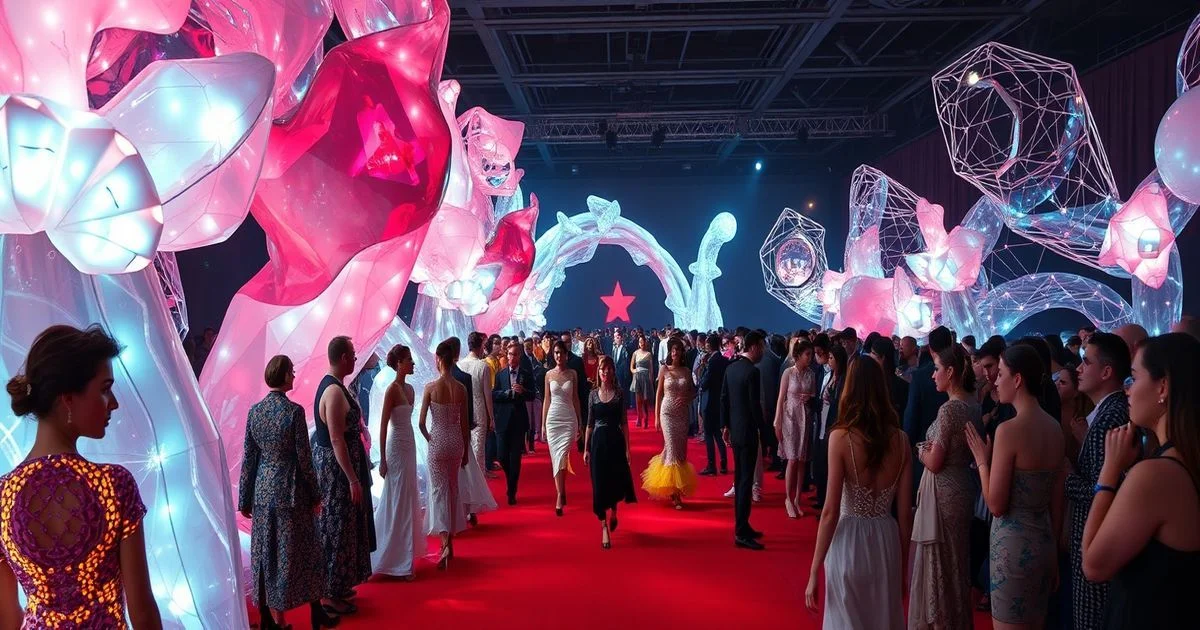
The anticipation for the Met Gala 2026 is already building, promising another spectacular display where Met Gala 2026: Art, Fashion, & Exclusivity Spark Debate across the globe. This annual Costume Institute Benefit, renowned for its extravagant themes and A-list guest list, serves as a crucial fundraiser for the Metropolitan Museum of Art's Costume Institute, yet it consistently ignites conversations about its very nature. As the world watches fashion's biggest night, discussions inevitably turn to the intersection of haute couture and fine art, the societal implications of its inherent exclusivity, and its evolving place in contemporary culture.
- The Enduring Legacy and Purpose of the Met Gala
- Exploring the Core Debates of Met Gala 2026: Art, Fashion, and Exclusivity
- Voices from the Industry: Experts Weigh In
- Social Impact and Public Perception
- Looking Ahead: The Future of Fashion's Biggest Night
- Conclusion
- Frequently Asked Questions
- Further Reading & Resources
The Enduring Legacy and Purpose of the Met Gala
Established in 1948 by fashion publicist Eleanor Lambert, the Met Gala initially served as a modest fundraising dinner to support the newly founded Costume Institute at the Metropolitan Museum of Art. Over the decades, under the influential stewardship of figures like Diana Vreeland and, most notably, Anna Wintour, the event has transformed into the "Super Bowl of Fashion" and a global cultural phenomenon, akin to how traditional festivals evolve to impact modern society. Held annually on the first Monday in May, it marks the opening of the Costume Institute's spring exhibition, with guests expected to interpret the year's theme through their elaborate attire.
The primary purpose of the Met Gala remains philanthropic. It is the Costume Institute's most significant source of funding, with contributions surpassing $200 million by 2019. Recent galas have raised substantial amounts, with the 2024 event reportedly generating $26 million and the 2025 gala raising a record $31 million, which directly supports the museum's operating expenses, exhibitions, programs, and acquisitions. This financial lifeline allows the Institute to maintain its vast collection of over 33,000 objects spanning 700 years of fashion history. Despite its charitable foundation, the gala's increasingly high profile and ticket prices—reportedly $75,000 per individual ticket and $350,000 for a table in 2024 and 2025—underscore its exclusive status.
Exploring the Core Debates of Met Gala 2026: Art, Fashion, and Exclusivity
Every year, the Met Gala's theme sets the tone for the entire event, guiding designers and celebrities in their sartorial interpretations. Previous themes have ranged from "Heavenly Bodies: Fashion and the Catholic Imagination" (2018) to "Sleeping Beauties: Reawakening Fashion" (2024) and "Superfine: Tailoring Black Style" (2025). For 2026, while the specific theme is yet to be officially announced, the overarching cultural conversation surrounding "Art, Fashion, & Exclusivity" is expected to be a dominant undercurrent, regardless of the explicit dress code. This anticipated focus will undoubtedly spark renewed debate on how these three elements interact and influence the event's public perception and impact.
The Artistic Vision and Curatorial Challenges
The Met Gala is fundamentally a celebration of fashion as an art form. Each year's exhibition aims to explore complex historical, cultural, or artistic narratives through clothing, positioning garments as significant cultural artifacts. The challenge for the Costume Institute and its curators is to select a theme that is both intellectually stimulating and visually compelling, capable of inspiring breathtaking haute couture. The chosen theme must bridge the gap between academic fashion history and contemporary artistic expression, ensuring the exhibition's relevance and appeal to a broad audience.
For 2026, if the theme directly or indirectly touches upon the abstract concepts of "art" and its intersection with "fashion," the interpretations could be incredibly diverse. Designers might delve into conceptual art, performance art, or even the philosophy of aesthetics, translating these into wearable masterpieces. This often leads to outfits that push boundaries, prompting viewers to question what constitutes "art" in the realm of dress. The curatorial team will also face the task of presenting these intricate themes in a way that is accessible and engaging, not just to fashion connoisseurs but to the general public.
Fashion Forward: Decoding the Red Carpet
The red carpet at the Met Gala is arguably its most visible and critiqued component. It serves as a global stage where celebrities, often accompanied by the designers who dressed them, showcase their interpretations of the theme. These outfits are meticulously planned, sometimes taking hundreds of hours to create, and are meant to be a blend of artistic vision, fashion innovation, and celebrity persona. The looks are widely photographed, reviewed, and dissected, influencing high fashion trends for years thereafter.
The 2026 event will once again be a spectacle of creativity and self-expression. As "fashion's biggest night," it provides an unparalleled platform for designers to experiment and for celebrities to make bold statements. However, the quality of these interpretations often varies, with some attendees lauded for their adherence and imaginative execution of the theme, while others are criticized for missing the mark or prioritizing personal branding over artistic integrity. This ongoing tension between genuine artistic engagement and commercial visibility is a perennial point of discussion, especially as the line between traditional celebrity and social media influencer continues to blur.
The Exclusivity Quandary: A High-Society Affair
The aspect of "exclusivity" is deeply embedded in the Met Gala's DNA, and it remains a constant source of public fascination and criticism. With ticket prices soaring and the guest list meticulously curated by Anna Wintour, invitations are highly sought after, granted to personalities deemed "culturally relevant" across various professional spheres. This tightly controlled access creates an aura of glamour and prestige, making the event feel aspirational and almost mythical to outsiders.
However, this very exclusivity also sparks significant debate. Critics often highlight the stark contrast between the gala's lavishness and ongoing global issues, drawing comparisons to "The Hunger Games" or the historical "Let them eat cake" sentiment. The perception of an elite group celebrating in opulent excess while the rest of the world faces struggles often leads to accusations of the event being "out of touch." Furthermore, the stringent rules prohibiting attendees from taking photos or posting extensively on social media from inside the event adds to its enigmatic allure, yet also fuels public curiosity and, at times, resentment. The 2026 Met Gala is expected to intensify these conversations, particularly in an era of heightened awareness regarding wealth disparity and social responsibility, much like the buzz around other high-profile celebrity events where viral comments ignite public debate.
Voices from the Industry: Experts Weigh In
The constant discussions surrounding the Met Gala's artistic merit, fashion impact, and exclusionary practices often involve a wide array of voices from within and outside the fashion industry. Fashion critics frequently laud the event's ability to push creative boundaries and showcase fashion as a legitimate art form worthy of museum recognition. They argue that the gala's spectacular nature draws unprecedented attention to the Costume Institute, thus fulfilling its primary fundraising mission. "The Met Gala isn't just a party; it's a global spotlight on the intricate craftsmanship and conceptual depth of fashion that few other platforms offer," remarks a renowned fashion historian, underscoring its educational value.
Conversely, cultural commentators and social critics often voice concerns about the event's performative activism and perceived hypocrisy. There's a persistent critique that while the red carpet occasionally features outfits attempting political or social commentary, the underlying exclusivity of the event often undermines the message. "When calls for social justice are made from inside an event with a $75,000 entry fee, the message can easily be lost or perceived as tokenistic," states a social justice advocate, highlighting the disconnect. This sentiment gained particular traction in 2024 when a TikTok video by an influencer, misquoting "Let them eat cake," sparked outrage over the perceived obliviousness to wealth inequality.
Social Impact and Public Perception
The Met Gala's influence extends far beyond the red carpet, shaping trends, driving media conversations, and influencing pop culture. The "media impact value" generated by the gala is immense, exceeding even events like the Super Bowl, reaching billions of social media impressions annually. This immense visibility offers unparalleled marketing opportunities for brands and designers, enhancing their image and influencing consumer demand.
However, public perception of the Met Gala is complex and often polarized. While many celebrate the creativity and glamour, a significant portion of the audience questions its relevance and ethics. The event's lavishness, particularly in times of global economic hardship or political turmoil, can lead to a backlash, with some viewers feeling desensitized to the extravagance. The increasing presence of social media influencers in past galas has also sparked debate, with some viewing it as a dilution of the event's artistic integrity, while others see it as a reflection of evolving cultural relevance. The ongoing scrutiny suggests that for the Met Gala to maintain its cultural currency, it must continually navigate the delicate balance between spectacle, philanthropy, and social consciousness.
Looking Ahead: The Future of Fashion's Biggest Night
As the Met Gala approaches 2026, it stands at a critical juncture, continuously evolving in response to both the fashion landscape and broader societal shifts. The event's organizers face the ongoing challenge of maintaining its prestige and fundraising effectiveness while addressing criticisms regarding its exclusivity and occasional disconnect from contemporary realities. The future may see even greater emphasis on the sustainability aspects of fashion, perhaps integrating themes that promote ethical sourcing, upcycling, or technological advancements that reduce environmental impact.
There's also a growing call for increased transparency regarding the event's charitable contributions and how the funds are utilized. Furthermore, as the world becomes increasingly interconnected and socially aware, there might be pressure for the Met Gala to engage more directly with pressing global issues, perhaps through partnerships or more explicit thematic statements that transcend mere aesthetics. The "Met Gala 2026: Art, Fashion, & Exclusivity Spark Debate" will undoubtedly serve as another crucial barometer for how this iconic event adapts to a rapidly changing world, balancing its celebrated traditions with the demands of a modern, critical audience.
Conclusion
The Met Gala remains an undeniable force in the worlds of art and fashion, an annual convergence of celebrity, creativity, and philanthropy. As we look towards the Met Gala 2026: Art, Fashion, & Exclusivity Spark Debate, it is clear that the event will continue to be a mirror reflecting contemporary society's values, aspirations, and critiques. While its core mission to fund the Costume Institute is vital, the discussions around its artistic interpretations, the boundary-pushing fashion, and its inherent exclusivity are just as integral to its identity. The Met Gala's enduring relevance lies not only in its visual spectacle but in its unparalleled ability to ignite global conversations about culture, charity, and the complex interplay of power and aesthetics.
Frequently Asked Questions
Q: What is the primary purpose of the Met Gala?
A: The Met Gala serves as the primary annual fundraiser for the Metropolitan Museum of Art's Costume Institute. The funds raised are crucial for supporting the Institute's exhibitions, acquisitions, and operating expenses, allowing it to maintain its vast collection of fashion history.
Q: How is the Met Gala guest list determined?
A: The guest list is meticulously curated by Anna Wintour, editor-in-chief of Vogue, and her team. Invitations are extended to A-list celebrities, designers, and culturally relevant personalities who are deemed fitting for the year's theme and the event's exclusive nature.
Q: Why does the Met Gala spark debate regarding exclusivity?
A: The event's high ticket prices and invitation-only guest list contribute to its perception as an exclusive, high-society affair. Critics often highlight the stark contrast between its lavishness and global socio-economic issues, leading to debates about wealth disparity and the event's social relevance.