The ongoing geopolitical turmoil stemming from the US-Israeli military strikes on Iran and subsequent retaliatory actions has sent shockwaves through global energy markets, directly impacting daily life in India. Across the nation, LPG gas prices are skyrocketing in India, chaos in public because of Iran war has become an alarming reality, with household budgets strained and commercial sectors facing severe operational challenges. This significant price surge, particularly for cooking gas, is a direct consequence of disrupted international supply chains and heightened energy uncertainty in the Middle East, a situation further exacerbated by the broader Iran Vs Israel War: Escalation and Global Repercussions.
The Escalating Crisis: LPG Gas Prices Skyrocketing in India
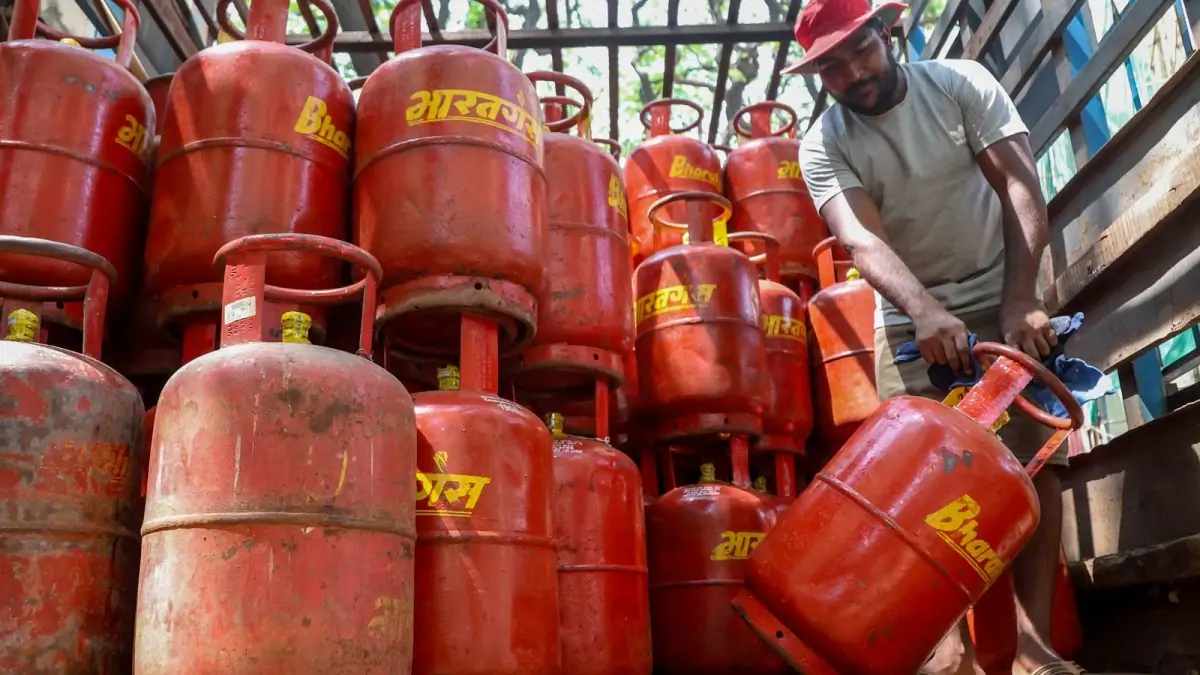
Domestic LPG cylinder prices in India have seen a notable increase, with a 14.2 kg cylinder in New Delhi rising by ₹60 to ₹913.00 in March 2026 alone. This marks the second significant hike within 11 months, following a ₹50 increase in April 2025. Commercial LPG cylinders, vital for businesses, have also experienced a substantial surge, with prices climbing by approximately ₹114.50 to ₹144.50 per cylinder. These escalating costs are creating palpable financial stress for millions of Indian households and businesses.
Impact on Household Budgets
For the average Indian family, the consistent rise in LPG prices directly translates to increased household expenses. Many citizens have voiced deep concerns about the difficulty of managing their monthly budgets, with some highlighting that even a ₹60 hike is a significant burden for lower-income families. The reliance on LPG for daily cooking means these price adjustments have an immediate and widespread effect on the cost of living. Families are often forced to cut back on other essential expenditures, impacting nutrition, education, and healthcare, creating a domino effect of economic hardship across communities.
Commercial Sector Under Duress
The impact extends severely to the commercial sector, where restaurants, bakeries, catering services, and small businesses are struggling to cope. In several cities, curtailment of commercial LPG supply has forced establishments to reduce menus, scale down operations, or even temporarily shut down. Many small eateries, which operate on thin margins, find it nearly impossible to absorb the increased fuel costs, leading to job losses and business failures. Transport services, particularly autorickshaws running on auto-LPG and CNG, have also been significantly affected, with thousands forced off the roads in parts of southern India due to fuel shortages, impacting daily commutes and logistics.
Geopolitical Tensions Fueling the Surge: The Iran War's Role
The primary catalyst for the current energy crisis is the escalating US-Israeli military strikes on Iran, which commenced on February 28, 2026, and Iran's subsequent retaliatory actions. This conflict has severely destabilized the Middle East, a region critical to global energy supplies. The immediate consequence has been a dramatic surge in global oil and gas prices, sending shockwaves through international markets.
The Strait of Hormuz: A Chokepoint Under Threat
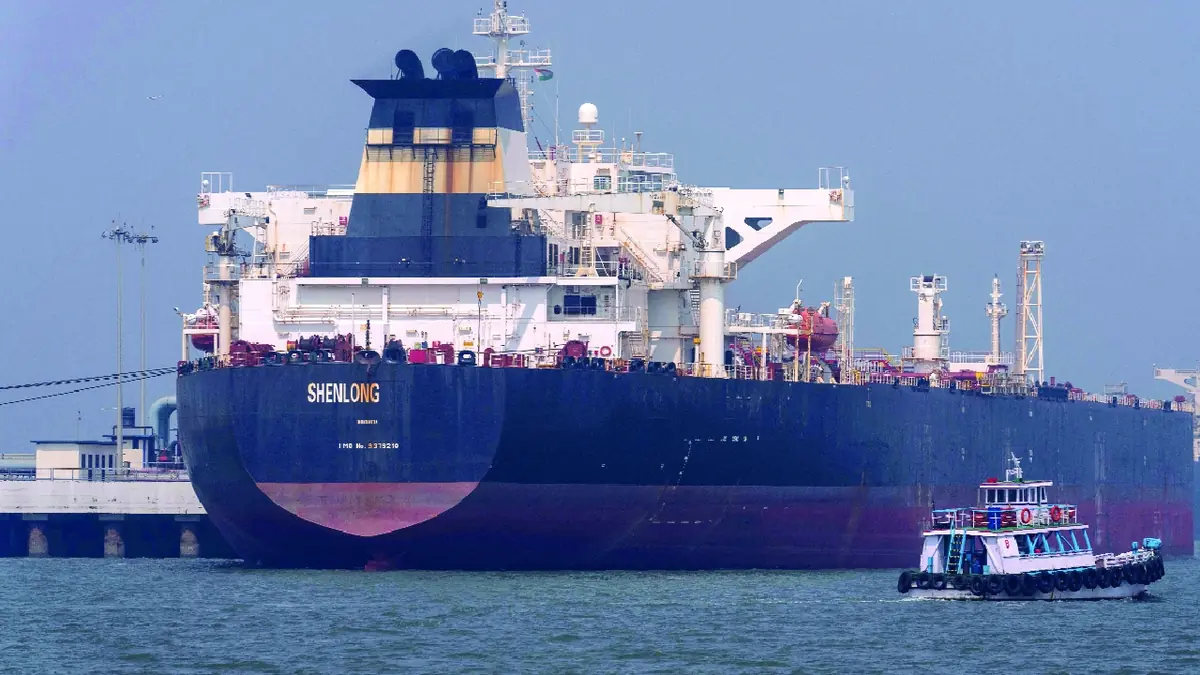
A major factor exacerbating the energy crisis is the effective closure or severe disruption of shipping through the Strait of Hormuz. This narrow waterway, situated between Iran and Oman, is a vital artery for approximately one-fifth of the world's oil and liquefied natural gas (LNG) shipments. Since the conflict began, tanker movement has slowed dramatically, with many vessels avoiding the corridor due to heightened security risks and reports of attacks on ships. The strategic importance of this chokepoint cannot be overstated; its disruption immediately triggers global price spikes and supply anxieties.
The disruption through the Strait of Hormuz has created a massive supply shock. For instance, global oil supplies transiting the Strait were disrupted by about 20%, causing Brent Crude oil prices to spike from approximately $70 to over $110 per barrel within days. While prices have shown some fluctuation, analysts warn that prolonged disruptions could push crude prices even higher, potentially reaching $100 to $150 per barrel.
Global Energy Market Volatility
The IRAN WAR Escalates: Regional Conflict and Global Fallout has been described by the International Energy Agency (IEA) as causing "the largest supply disruption in the history of the global oil market." This volatility is not limited to crude oil; prices for gasoline, diesel, jet fuel, natural gas, and petrochemicals have all risen sharply. India is particularly vulnerable to these disruptions because it imports roughly 62% of its annual LPG requirements, with a significant portion passing through the Strait of Hormuz. This heavy reliance on imported energy makes the country susceptible to geopolitical instabilities in the West Asia region. The ripple effect extends to nearly every sector. Industries reliant on energy inputs, from manufacturing to agriculture, face increased operational costs, which inevitably translate to higher prices for consumer goods. The power generation sector, often dependent on imported natural gas or coal whose prices are also influenced by global energy markets, could see tariffs rise, further burdening both businesses and households. This broad impact threatens to dampen economic recovery and exacerbate inflationary pressures across the board.
India's Response and Mitigation Strategies
In the face of this escalating crisis, the Indian government has initiated a multi-pronged strategy to mitigate the impact on its citizens and economy. Union Minister Hardeep Singh Puri highlighted the government's robust response in the Lok Sabha, aiming to protect Indian households from the severe energy disruption.
Boosting Domestic Production and Diversifying Sources
To counter supply shortfalls, the government has directed refineries, including petrochemical complexes, to maximize LPG production. This has led to a significant 28% increase in domestic LPG output within just five days, by diverting C3 and C4 streams (such as propane and butane) towards LPG instead of petrochemical manufacturing. Furthermore, India has actively diversified its crude sourcing, with 70% of its crude oil now sourced from non-Hormuz routes, reducing its vulnerability to the Strait's closure. This proactive diversification strategy aims to build resilience against regional conflicts and ensure a more stable energy supply chain.
Prioritizing Household Supply and Curbing Misuse
The "India's Natural Gas (Supply Regulation) Order, 2026," issued under the Essential Commodities Act, establishes a priority allocation system. Under this framework, piped natural gas (PNG) for households, compressed natural gas (CNG) for vehicles, and natural gas used for LPG production receive 100% supply. This ensures that essential services and household needs are met first.
Conversely, commercial LPG supply has been curtailed by 80%, with a 20% limit imposed on the average monthly supply by oil marketing companies (OMCs). This measure aims to prioritize domestic consumption, prevent hoarding, and combat black marketing, which often thrives during times of scarcity. To further regulate distribution and prevent panic buying, the minimum refill booking gap for domestic LPG cylinders has been extended to 25 days in urban areas and 45 days in rural areas.
Assurances and Public Outreach
Government officials have consistently assured the public that there is no actual shortage of LPG supply in the country, despite increased bookings driven by panic. They maintain that adequate arrangements are in place to meet consumer demand and that the standard delivery time for domestic cylinders remains largely unchanged at 2.5 days. Prime Minister Narendra Modi has urged state governments to enhance monitoring to stop black-marketers and hoarders during this period. Temporarily, kerosene and coal have also been reintroduced as alternative cooking fuels to ease demand pressure, particularly in rural and semi-urban areas where access to LPG might be less consistent.
Understanding India's LPG Subsidy Framework
India has a long history of utilizing subsidies to ensure access to clean cooking fuel, particularly for economically vulnerable segments of its population. Several key initiatives underpin this framework:
-
PAHAL (Pratyaksh Hastantarit Labh) Direct Benefit Transfer (DBT) Scheme: Launched nationwide in 2015, this scheme directly transfers LPG subsidies to consumers' bank accounts. It aims to enhance transparency, eliminate leakages, and prevent duplicate connections by selling cylinders at market price and crediting the subsidy amount to beneficiaries. This has significantly streamlined the subsidy distribution process.
-
Give It Up Campaign: Initiated in March 2015, this campaign encouraged financially stable LPG consumers to voluntarily surrender their subsidies. The funds saved were then redirected to provide free LPG connections to poorer families, particularly in rural areas, fostering a sense of collective responsibility and expanding access to clean energy.
-
Pradhan Mantri Ujjwala Yojana (PMUY): Launched in 2016, this scheme specifically targets expanding LPG coverage to economically weaker households, especially rural women below the poverty line. The government provides a subsidy of ₹1,600 for each free LPG connection, aiming to improve health outcomes by reducing reliance on traditional, polluting cooking fuels.
Despite the current global energy chaos, the government has largely insulated the beneficiaries of the Ujjwala Yojana. While the Saudi Contract Price for LPG has risen significantly, the price for a PMUY beneficiary in Delhi has actually decreased by 32% since July 2023, standing at ₹613. For non-subsidized cylinders, the government has absorbed a substantial portion of the cost, keeping prices below the market-driven rate, which would otherwise be much higher, demonstrating a commitment to cushioning citizens from the full impact of global price shocks.
Public Outcry and Economic Fallout
The rising LPG prices and supply concerns have inevitably led to significant public frustration and political debate. Opposition parties, such as the Congress, have staged protests, demanding the resignation of the Union Petroleum and Natural Gas Minister and alleging that the government is misleading the public. Concerns about black marketing and private suppliers charging inflated prices have also emerged, fueling public mistrust and creating a perception of inadequate government oversight.
Beyond household budgets, the broader economic ramifications for India are considerable. If high oil prices persist, India's current account deficit could widen, and economic growth might slow. Economists project that crude prices averaging $100 per barrel could push India's current account deficit to between 1.9% and 2.2% of GDP in the 2026-27 financial year, with potential for even higher deficits if prices escalate further. This could force the government to cut spending in other critical areas like infrastructure investment to maintain fiscal targets. The impact on inflation is also a major concern, as rising energy costs ripple through the supply chain, affecting the prices of nearly all goods, including food. Furthermore, a sustained rise in import bills could put downward pressure on the Indian Rupee, making future imports even more expensive and potentially impacting foreign direct investment flows. The government faces a delicate balancing act of managing fiscal prudence with the imperative to shield citizens from severe economic hardship, all while navigating a complex global geopolitical landscape. The spectre of social unrest looms if the common citizen continues to bear the brunt of these escalating costs without adequate relief.
Frequently Asked Questions
Q: Why are LPG gas prices skyrocketing in India?
A: LPG gas prices are primarily soaring due to the escalating Iran war and resulting geopolitical turmoil in the Middle East. This conflict has severely disrupted global energy supply chains, particularly impacting shipments through the vital Strait of Hormuz, leading to a sharp increase in international crude oil and natural gas prices, which directly affects India's import costs.
Q: How does the Iran war impact global energy markets?
A: The Iran war causes significant volatility by disrupting oil and LNG shipments through the Strait of Hormuz, a critical chokepoint. This leads to a substantial supply shock, driving up crude oil, natural gas, and refined fuel prices worldwide due to increased risk premiums and reduced availability from a major producing region.
Q: What steps is the Indian government taking to mitigate the LPG crisis?
A: The Indian government is increasing domestic LPG production, diversifying crude oil imports to reduce reliance on the Strait of Hormuz, and prioritizing household LPG supply. They've also implemented measures to curb commercial usage, prevent black marketing, and extend booking gaps to manage demand, while continuing to subsidize Ujjwala Yojana beneficiaries.