Recent announcements confirm a significant LPG Cylinder price rises in India, impacting millions of households nationwide. Consumers are grappling with the latest adjustments, which reflect broader economic trends and global energy market dynamics. Understanding these price changes is essential for managing household budgets and knowing the factors at play. This detailed report will help you understand the full scope of the situation, outlining the causes, the immediate effects on daily life, and the potential long-term implications for the Indian economy.
Understanding India's LPG Price Surge
The cost of Liquefied Petroleum Gas (LPG) cylinders, a staple fuel for cooking in most Indian homes, has seen a notable increase, sparking concerns among the general public. This hike is not an isolated event but rather a reflection of various economic forces converging. Typically, the price of LPG in India is influenced by a combination of international crude oil prices, the exchange rate of the Indian Rupee against the US Dollar, and government policies regarding subsidies and taxation. These factors often fluctuate, leading to periodic revisions in consumer prices.
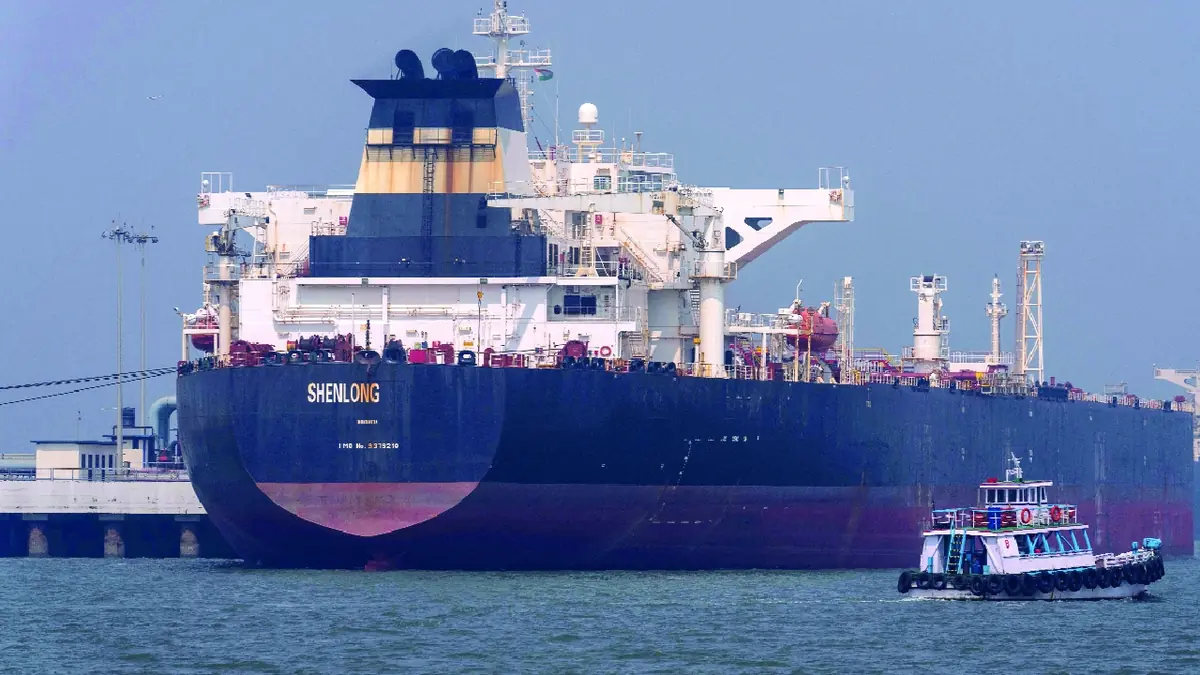
India, being a significant importer of crude oil and petroleum products, including LPG, is highly susceptible to volatility in global energy markets. Any upward trend in international crude prices almost invariably translates into higher domestic fuel costs. Furthermore, the Indian government's approach to subsidies plays a crucial role in determining the final price paid by consumers. Over time, there have been shifts in subsidy structures, directly affecting the burden on household finances. The current rise underscores the complex interplay between international market forces and domestic fiscal policy, a critical aspect of managing a vibrant nation like India.
The Mechanism Behind LPG Pricing
The pricing mechanism for LPG cylinders in India is intricate, primarily determined by Public Sector Oil Marketing Companies (OMCs) like Indian Oil, Bharat Petroleum, and Hindustan Petroleum. These OMCs largely base their non-subsidized LPG prices on the Saudi Contract Price (CP), which is the international benchmark for LPG. The Saudi CP is influenced by global supply and demand dynamics, geopolitical events, and crude oil prices.
Beyond the international benchmark, several other components contribute to the retail price. These include freight charges, customs duties, port charges, marketing costs, dealer commissions, and the Goods and Services Tax (GST). The Central and state governments also levy various taxes, which add to the final consumer price. While the government has previously implemented direct benefit transfer schemes (DBT) to provide subsidies directly to consumers, the extent and scope of these subsidies can change, leading to variations in effective prices. The recent hike suggests a recalibration of these components, potentially reflecting higher international costs and reduced subsidy support.
Recent LPG Cylinder Price Rises in India: Key Details
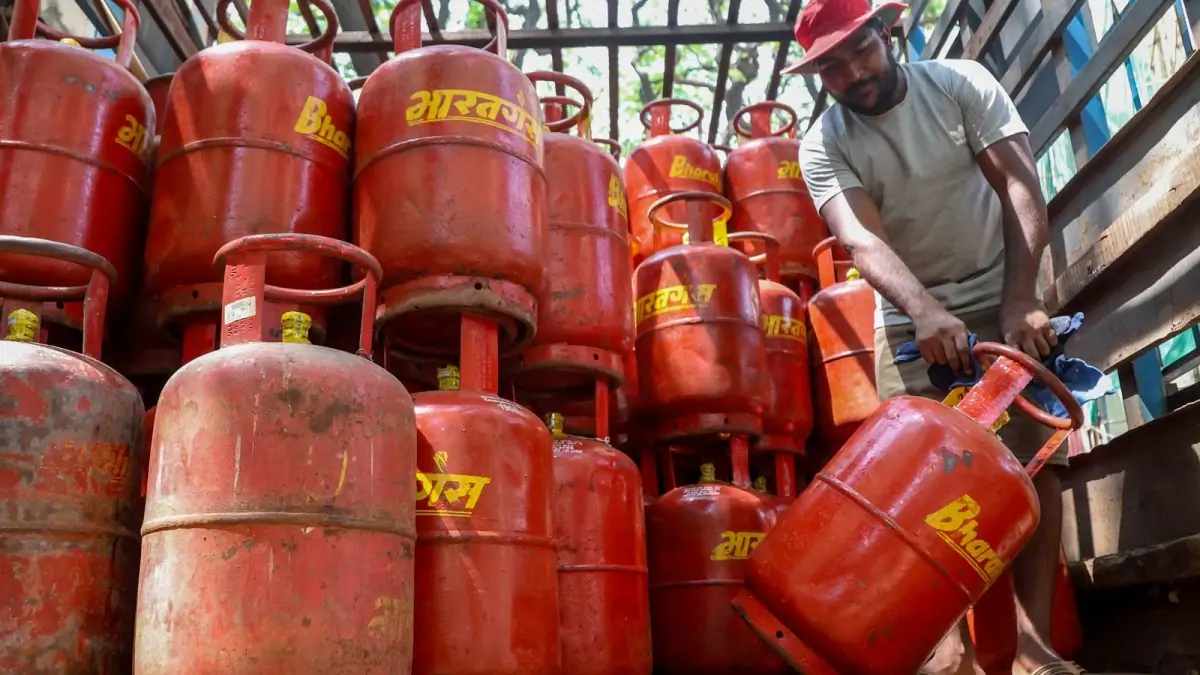
The latest price revisions have seen non-subsidized 14.2 kg domestic LPG cylinders become significantly more expensive across major cities. While specific figures can vary slightly by region due to local taxes and transportation costs, the overall trend is an upward one. For instance, in metropolitan areas such as Delhi, Mumbai, Kolkata, and Chennai, residents are experiencing an increase that adds a substantial amount to their monthly household expenditure. These incremental changes, when viewed in isolation, might seem small, but their cumulative effect over a year significantly impacts the common citizen's budget.
The frequency of these price adjustments also contributes to public concern. Historically, LPG prices were revised monthly, reflecting global market changes. However, there have been instances where revisions were made more frequently or held steady for longer periods, depending on market conditions and government discretion. The current increase follows a period of relatively stable or moderately rising prices, making the recent sharp jump particularly noticeable for consumers. This volatility makes financial planning challenging for families who rely heavily on LPG for their daily cooking needs.
Regional Variations and Impact
While the base price for LPG is set uniformly by OMCs, the final retail price varies from state to state and even within districts due to differences in local taxes, freight charges, and dealer commissions. For example, states with higher Value Added Tax (VAT) or specific local levies will naturally see higher prices compared to others. This disparity means that the impact of the LPG Cylinder price rises in India is not uniform across the nation; some regions bear a heavier burden than others.
For residents in remote or rural areas, the implications can be even more profound. The logistical challenges of transporting LPG to these regions often result in higher distribution costs, which are passed on to the consumer. Consequently, the recent price hike exacerbates existing economic pressures in these communities, potentially forcing some households to seek alternative, often less clean and efficient, cooking fuels. This highlights the socio-economic dimension of LPG pricing beyond mere monetary value.
Expert Perspectives on the Price Hike
Energy analysts and economists closely monitor the trajectory of LPG prices, offering insights into the underlying causes and potential future trends. Many experts attribute the current surge primarily to the sustained upward movement in international crude oil and natural gas prices, a trend that has been observed globally due to supply chain disruptions, geopolitical tensions, and robust demand recovery post-pandemic. The Organization of the Petroleum Exporting Countries (OPEC) and its allies (OPEC+) production policies also play a significant role in influencing global crude supply and, consequently, prices.
According to a leading energy economist, "The recent hike in LPG prices in India is an unavoidable consequence of the elevated international crude and product prices. While the government attempts to cushion the blow through subsidies, there's a limit to how much it can absorb without impacting its fiscal health." This perspective underscores the delicate balancing act faced by the government: protecting consumers from price shocks versus managing the national budget. Furthermore, some analysts point to the depreciation of the Indian Rupee against the US Dollar as another contributing factor, making imports more expensive in local currency terms. This confluence of international and domestic economic pressures creates a challenging environment for policymakers and consumers alike.
Government's Stance and Future Outlook
The Indian government's stance on LPG pricing typically involves a blend of market-driven adjustments and welfare considerations. While the intent is often to move towards market-determined pricing for long-term sustainability, the political and social sensitivities surrounding cooking fuel prices often necessitate intervention, particularly for essential commodities like LPG. Official statements from the Ministry of Petroleum and Natural Gas often highlight the global factors at play and the government's efforts to mitigate the impact on vulnerable sections of society.
Looking ahead, the future trajectory of LPG prices in India remains tied to global energy market stability. Should international crude oil prices stabilize or decline, there might be a corresponding moderation in domestic LPG prices. However, persistent geopolitical instability in oil-producing regions or continued strong global demand could sustain or even further elevate prices. Experts suggest that diversification of energy sources and continued promotion of cleaner cooking alternatives like piped natural gas (PNG) and electric induction stoves could offer long-term solutions to reduce the reliance on imported LPG and insulate consumers from international price volatility. The government's push for increased domestic exploration and production of oil and gas also aims to reduce import dependence, though this is a long-term strategy. Such strategic initiatives, encompassing both traditional energy and futuristic technologies, are often key discussion points at forums like the India AI Impact Summit 2026, where the nation's pathway to a smarter future is charted.
Impact on Households and the Economy
The ripple effect of the LPG Cylinder price rises in India extends far beyond individual purchase decisions, significantly influencing household budgets and contributing to broader economic challenges. For the average Indian family, a rise in LPG prices means a direct increase in their monthly expenditure on essential goods. Cooking fuel is a non-discretionary item, meaning households cannot easily reduce its consumption without impacting their daily lives. This forces families to reallocate funds, potentially cutting back on other essential expenses like food, education, or healthcare.
The impact is particularly severe for low-income households, for whom even a small increase can strain their already tight budgets. Many such families have recently transitioned from traditional biomass fuels to LPG under government schemes like the Pradhan Mantri Ujjwala Yojana (PMUY), which aimed to provide clean cooking fuel. A continuous rise in prices risks undoing some of the progress made in promoting cleaner cooking practices, as economically vulnerable sections might be forced to revert to cheaper, less healthy alternatives like firewood and cow dung cakes. This reversal would have adverse consequences for public health and environmental quality.
Broader Economic Implications
Beyond individual households, elevated LPG prices contribute to inflationary pressures across the economy. Higher fuel costs can lead to increased transportation costs for goods, which are then passed on to consumers in the form of higher prices for food and other commodities. This cost-push inflation can erode purchasing power and potentially dampen economic growth. Analyzing such macro-economic shifts requires robust data, a field where insights from reports like Data Analytics Industry Statistics 2026 prove invaluable for understanding broader economic trends and future trajectories. Small businesses, particularly those in the food and hospitality sectors that rely heavily on commercial LPG cylinders, also face increased operational costs, which can impact their profitability and competitiveness.
The government's fiscal position is also affected. While reduced subsidies might ease the immediate burden on the exchequer, the need to manage public discontent and potentially reintroduce or enhance subsidies in the future could create fiscal challenges. The balancing act between revenue generation, subsidy provision, and managing inflation is a complex one for policymakers. Sustained high energy prices can also affect India's balance of payments, given the country's significant reliance on energy imports. The overall economic landscape, therefore, feels the cumulative weight of these price adjustments across various sectors.
Conclusion: Navigating the Rising Cost of LPG
The recent LPG Cylinder price rises in India present a tangible challenge for millions of citizens, underscoring the interconnectedness of global energy markets and domestic economic realities. As international crude oil prices continue their volatile journey, influenced by geopolitical events and supply-demand dynamics, the cost of this essential cooking fuel is likely to remain a critical concern. Households are compelled to adapt their budgeting strategies, while policymakers face the ongoing task of balancing economic sustainability with social welfare.
Moving forward, a multi-pronged approach involving strategic energy policy, sustained efforts to expand the reach of cleaner and more affordable cooking alternatives, and transparent communication regarding pricing mechanisms will be crucial. While immediate relief might come from global price moderation, long-term energy security and affordability in India will depend on reducing import dependence, diversifying energy sources, and ensuring that welfare schemes effectively cushion the impact on the most vulnerable sections of society. The journey towards stable and affordable energy access for all remains a significant national priority.
Frequently Asked Questions
Q: Why are LPG prices rising in India?
A: LPG prices in India primarily rise due to fluctuations in international crude oil and natural gas prices, the exchange rate of the Indian Rupee against the US Dollar, and changes in government subsidy policies. Global supply chain disruptions and geopolitical tensions also contribute to these increases.
Q: How does the Indian government manage LPG prices for consumers?
A: The government influences LPG prices through subsidies and taxation. While Public Sector Oil Marketing Companies (OMCs) base non-subsidized prices on international benchmarks, the government can provide direct benefit transfers (DBT) to reduce the effective cost for consumers, though the extent of these subsidies can vary.
Q: What is the impact of rising LPG prices on Indian households?
A: Rising LPG prices directly increase monthly household expenditure, forcing families to reallocate budgets from other essential areas like food or education. For low-income households, it risks a reversion to less healthy, traditional cooking fuels, undermining public health and environmental progress.