"Key to Heaven" Challah Trend Sweeps Social Media: Unpacking the Hype
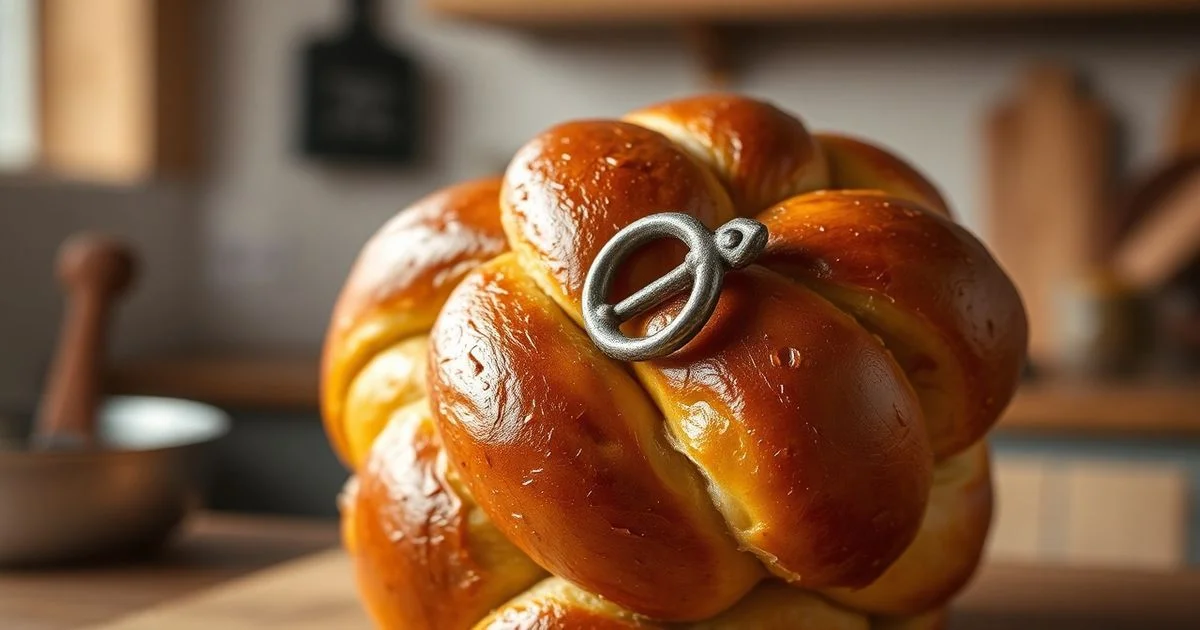
A captivating culinary phenomenon, the "Key to Heaven" Challah Trend Sweeps Social Media, captivating bakers and food enthusiasts worldwide with its unique blend of tradition, symbolism, and visual appeal. This fascinating movement sees home bakers crafting the distinctive braided bread, often incorporating a small, symbolic key into its design. The trend has rapidly spread across platforms like Instagram and TikTok, transforming a niche custom into a widely celebrated act of hope and artistic expression. As we unpack the hype, it's clear this isn't just about baking; it's a testament to how ancient cultural practices can find new life and resonance in the digital age, inviting a global audience to participate in a meaningful culinary ritual.
- The Origins of the "Key to Heaven" Challah Trend
- What is the "Key to Heaven" Challah?
- How the "Key to Heaven" Challah Trend Sweeps Social Media
- Baking Your Own "Key to Heaven" Challah
- Cultural Impact and Modern Adaptations
- The Enduring Appeal of Traditional Baking
- Conclusion
- Frequently Asked Questions
- Further Reading & Resources
The Origins of the "Key to Heaven" Challah Trend
Challah, a rich, braided bread, holds deep cultural and religious significance within Jewish tradition, particularly as part of Shabbat and holiday meals. Its history stretches back centuries, with its distinct braided form often symbolizing intertwined blessings or the connection between humanity and the divine. While challah itself is ancient, the specific practice of baking a "key" into the bread, known as Shlissel Challah, is a custom with its own rich tapestry of meaning and a more focused origin.
Shlissel Challah (Yiddish for "key challah") is traditionally baked during the week after Passover, following the last day of the festival. The custom is believed to have originated in Eastern European Jewish communities, though its exact historical genesis is somewhat debated. This particular challah often features intricate designs, with a key either baked inside the dough, placed on top as decoration, or shaped from the dough itself. The symbolic purpose of the key is profound, representing a plea for sustenance, good fortune, and open doors to blessings in the coming year.
The key, in this context, is seen as a "key to parnassah"—the Hebrew word for livelihood or sustenance. It's a symbolic prayer for an open door to success, health, and prosperity after the spiritual freedom celebrated during Passover. The tradition connects the physical act of baking with deep spiritual aspirations, making the bread not just a food item, but a powerful conduit for hope and faith. This rich historical and symbolic background forms the bedrock of the modern social media trend.
What is the "Key to Heaven" Challah?
At its heart, the "Key to Heaven" Challah that has taken social media by storm is a variation of the traditional Shlissel Challah. It's characterized by its signature golden-brown crust, soft, airy interior, and, most distinctively, the inclusion of a key. This key can be a real, sterilized metal key carefully baked into the bread, or it can be a decorative key made from dough and placed on top before baking. The aesthetic appeal is undeniable: the warm, inviting glow of a freshly baked challah, often intricately braided, with the intriguing addition of a key, makes for a visually stunning creation.
The name "Key to Heaven" often emphasizes the spiritual aspirations associated with the custom, hinting at unlocking divine blessings rather than just earthly sustenance. While the traditional "Shlissel Challah" specifically refers to the post-Passover custom, the broader "Key to Heaven" nomenclature on social media seems to encompass a wider appreciation for the symbolism, extending beyond a strict calendar observance for many participants. This broader interpretation allows for greater engagement from a diverse audience, many of whom are drawn to the beautiful imagery and the universal message of hope it conveys.
Symbolism and Tradition
The symbolism embedded in the "Key to Heaven" Challah is incredibly rich and multifaceted, rooted deeply in Jewish mystical thought and folk traditions. The most prevalent interpretation, as mentioned, is the "key to parnassah" or livelihood. This is particularly significant after Passover, as the Jewish people transition from the spiritual freedom of the holiday back to the practicalities of daily life. The bread serves as a tangible prayer for sustenance and blessing in the year ahead, reflecting the belief that blessings are unlocked through both divine grace and human effort.
Beyond livelihood, the key also symbolizes opening doors to good fortune, success, and even salvation. It can represent the unlocking of spiritual understanding, new opportunities, or pathways to healing and happiness. In some interpretations, the key is associated with the manna that fell from heaven to feed the Israelites in the desert, symbolizing divine provision. The act of baking and sharing this challah becomes a communal expression of hope, a shared ritual where individuals and families collectively seek a positive and prosperous future. This powerful, optimistic symbolism is a significant driver behind its viral appeal.
How the "Key to Heaven" Challah Trend Sweeps Social Media
The rapid proliferation of the "Key to Heaven" Challah Trend Sweeps Social Media is a prime example of how traditional practices can achieve widespread visibility and participation in the digital age. Platforms like TikTok, Instagram, and Pinterest have become fertile ground for the trend, primarily due to the highly visual nature of the challah itself. Stunning photos and videos of golden, perfectly braided challahs, often adorned with a key, instantly capture attention in a scroll-heavy feed.
Users share their creations using popular hashtags such as #KeyToHeavenChallah, #ShlisselChallah, #ChallahBaking, and #JewishFood, creating a searchable and discoverable repository of content. The step-by-step baking videos, often set to trending audio, are particularly engaging on TikTok, much like the Frozen Egg Hack: TikTok's Latest Culinary Craze Takes Over Kitchens, demystifying the process for novice bakers and inspiring them to try their hand at this meaningful bread. The visual storytelling aspect—from mixing dough to the final, gleaming loaf—is perfectly suited to these platforms, fostering a sense of community and shared accomplishment among participants.
Influencer and Community Engagement
A significant accelerator of the "Key to Heaven" Challah trend has been the active involvement of food bloggers, bakers, and cultural influencers. These individuals, with their established online presences and engaged followings, have played a crucial role in popularizing the custom. By sharing their own beautifully executed challahs, detailing the traditional significance, and offering tips and recipes, they have amplified the trend's reach far beyond its traditional boundaries. Their authentic enthusiasm often inspires thousands to replicate the process in their own kitchens.
Furthermore, the interactive nature of social media platforms encourages widespread community engagement. Bakers proudly post their own "Key to Heaven" challahs, share their experiences, ask for advice, and celebrate the successes of others. This creates a supportive and vibrant online community centered around the shared activity. Comments sections and direct messages become forums for cultural exchange, where people from various backgrounds learn about the tradition, its symbolism, and the joy of baking. This communal aspect transforms a solo kitchen activity into a global phenomenon, akin to the shared experiences highlighted in Viral OFW Videos: Joy, Sacrifice & Harsh Realities Uncovered.
Baking Your Own "Key to Heaven" Challah
For those inspired to participate in the "Key to Heaven" Challah Trend Sweeps Social Media, the process is both rewarding and accessible. While traditional challah recipes vary, the fundamental components remain consistent: flour, yeast, sugar, eggs, oil, and salt. The key to a truly successful challah lies in the kneading, which develops the gluten and gives the bread its characteristic chewy yet soft texture. Many recipes call for enriching ingredients like honey or a touch more sugar to achieve that desirable golden crust and slightly sweet flavor.
To achieve the iconic glossy, golden crust, many bakers apply an egg wash (beaten egg or egg yolk mixed with a little water) before the final proofing and baking. This not only enhances color but also allows for adherence of toppings like sesame seeds or poppy seeds, which add another layer of flavor and texture. The braiding process itself offers a creative outlet, from simple three-strand braids to more elaborate six-strand or even round challahs, often made for Rosh Hashanah. Beyond the visual, the sensory experience of baking challah—the yeasty aroma filling the kitchen, the soft, elastic feel of the dough—adds to its profound appeal. While the "Key to Heaven" Challah focuses on the symbolic key, bakers can also experiment with different sweeteners like honey for a richer flavor profile or a touch of olive oil for added moisture. When it comes to incorporating the key, safety and symbolism are paramount. If using a real metal key, it's crucial to ensure it is thoroughly cleaned and sanitized before being placed into or onto the dough. Some bakers prefer to wrap the key in aluminum foil to prevent direct contact with the dough during baking. Alternatively, crafting a key shape from a small piece of challah dough before baking is a popular and entirely edible option, offering the same symbolic weight without any concerns about non-food items. The baking process itself generally involves proofing the dough twice—once after kneading and again after braiding—to achieve maximum rise and airiness, followed by baking in a hot oven until golden brown. Numerous recipes and video tutorials are readily available online for those looking to embark on their own challah baking journey.
Cultural Impact and Modern Adaptations
The rise of the "Key to Heaven" Challah trend on social media highlights a fascinating intersection of ancient tradition and contemporary digital culture. It demonstrates how customs that were once primarily observed within specific religious or ethnic communities can transcend those boundaries and find new life and meaning in a globalized, interconnected world. This widespread adoption introduces new audiences to Jewish culture and traditions, fostering a greater understanding and appreciation for diverse practices, much like other global movements ignited by social media, such as a Raw Confession Video Ignites Global Social Media Frenzy.
Moreover, the trend showcases modern adaptations of tradition. While the core symbolism of the key remains intact, the methods of sharing and interpreting the custom have evolved. The visual emphasis of social media often encourages more elaborate braiding techniques and aesthetically pleasing presentations. For some participants, the act of baking a "Key to Heaven" Challah might be a deeply spiritual and traditional observance, while for others, it might be an engaging culinary project, a beautiful craft, or a general expression of hope, regardless of religious affiliation. This adaptability allows the tradition to resonate with a broader spectrum of people, proving its enduring and universal appeal.
The Enduring Appeal of Traditional Baking
The "Key to Heaven" Challah trend is part of a larger, ongoing resurgence in home baking and an increased interest in traditional culinary arts. In an increasingly fast-paced and digital world, many individuals find solace, satisfaction, and a sense of connection in the tangible process of creating food from scratch. Baking, particularly something as elemental and symbolic as bread, offers a grounding experience—a way to engage with history, culture, and fundamental human needs.
Furthermore, there's a growing desire among consumers to understand the origins of their food and to connect with cultural narratives through cuisine. Trends like the "Key to Heaven" Challah provide an accessible entry point into exploring different cultures, encouraging curiosity and hands-on learning. The act of baking, sharing, and even just appreciating these creations online fosters a sense of global community, bridging distances through shared experiences and a mutual appreciation for beautiful, meaningful food. It's a testament to the fact that while technology changes, our fundamental human needs for connection, meaning, and delicious sustenance remain constant.
Conclusion
The swift rise and enduring popularity of the ""Key to Heaven" Challah Trend Sweeps Social Media" is more than just a passing fad; it's a vibrant example of how ancient traditions can flourish in modern digital spaces. From its roots in Jewish custom and the powerful symbolism of the key unlocking blessings, this trend has captivated a global audience. Through stunning visuals, community engagement, and the universal appeal of baking, the "Key to Heaven" challah has transformed a meaningful religious observance into a widely celebrated act of hope and culinary artistry. Its journey across social media platforms underscores our innate human desire for connection, tradition, and the simple, profound joy of creating something beautiful and meaningful with our own hands, all while seeking a little bit of good fortune for the future.
Frequently Asked Questions
Q: What is the primary symbolism behind the "Key to Heaven" Challah?
A: The key primarily symbolizes "parnassah" (livelihood or sustenance), representing a prayer for open doors to blessings, good fortune, and prosperity in the coming year. It's a tangible expression of hope for success and health.
Q: When is "Shlissel Challah" traditionally baked?
A: Shlissel Challah, the traditional form of "Key Challah," is typically baked during the week following Passover. This timing connects it to the transition from spiritual freedom to the practicalities of daily life, seeking blessings for the year ahead.
Q: How has the "Key to Heaven" Challah trend gained popularity on social media?
A: The trend has flourished due to its highly visual appeal, with stunning photos and videos of the braided bread and key captivating audiences. Food bloggers and influencers amplify its reach, while hashtags and interactive content foster a global community of bakers.