Israel Launches "Wide-Scale" Strikes on Tehran Amid Rising Tensions
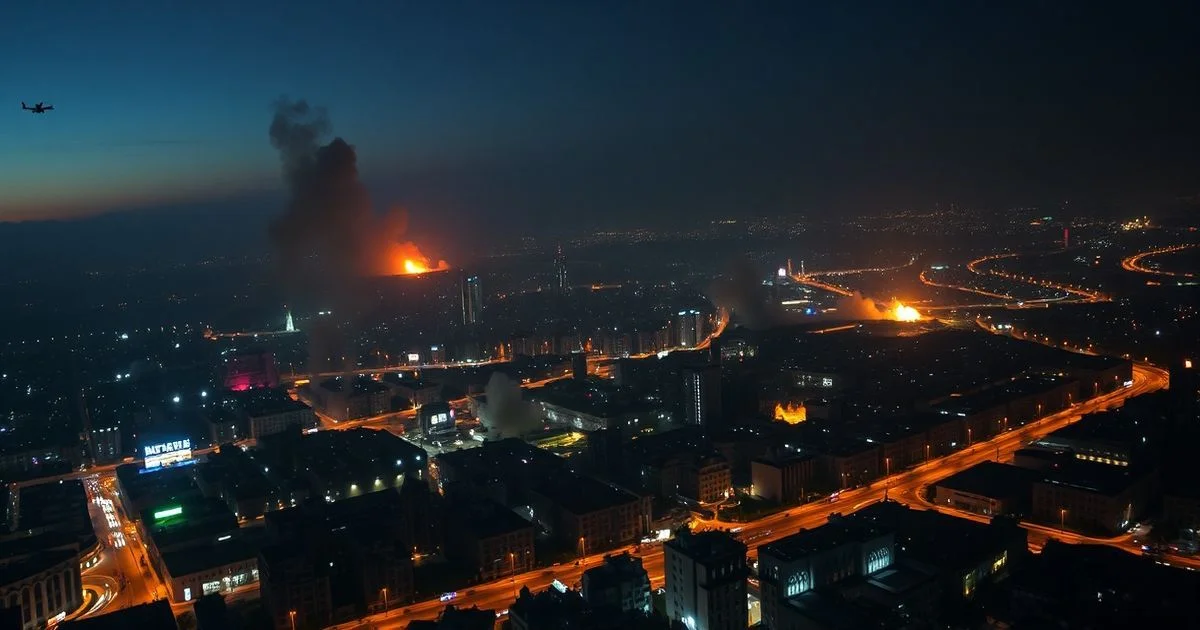
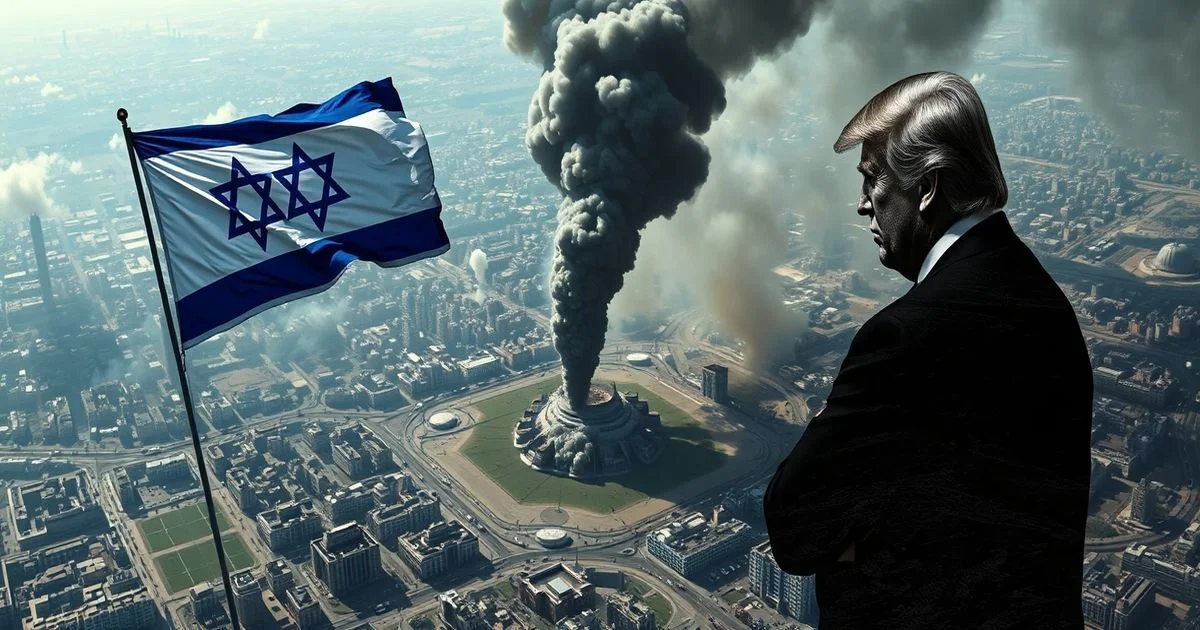
A significant escalation in Middle Eastern tensions unfolded as reports confirm that Israel Launches "Wide-Scale" Strikes on Tehran, targeting key strategic sites within the Iranian capital. This unprecedented military action marks a dramatic turning point in the long-standing shadow war between the two regional adversaries, bringing long-simmering hostilities into the open. The strikes have immediately drawn widespread international attention, with global leaders and security analysts closely monitoring the rapidly developing situation and its potential for broader conflict. Initial reports suggest multiple targets were hit, though the full extent of the damage and casualties remains unclear.
- Background of Israel-Iran Tensions
- Escalation Leading to "Wide-Scale" Strikes
- Key Details of Israel's "Wide-Scale" Strikes on Tehran
- International Reactions and Diplomatic Efforts
- Expert Analysis and Geopolitical Implications
- Regional Security Concerns
- Historical Precedent and Future Outlook
- Conclusion
- Frequently Asked Questions
- Further Reading & Resources
Background of Israel-Iran Tensions
The relationship between Israel and Iran has been characterized by decades of deep-seated animosity, ideological clashes, and a fierce regional power struggle. Historically, Iran, particularly after its 1979 Islamic Revolution, adopted an an explicitly anti-Israel stance, advocating for its destruction and supporting various proxy groups across the Middle East. These proxies, including Hezbollah in Lebanon and Hamas in Gaza, have often been involved in direct or indirect conflicts with Israel.
Israel, in turn, views Iran's nuclear program as an existential threat, fearing its potential development of nuclear weapons. This concern has driven numerous covert operations, cyberattacks, and targeted assassinations attributed to Israel against Iranian nuclear scientists and facilities. Furthermore, Iran's military presence and influence in neighboring Syria, particularly near the Israeli border, have led to frequent Israeli airstrikes aimed at disrupting arms transfers to Hezbollah and preventing the entrenchment of Iranian forces. The proxy conflict has seen both nations operate through various non-state actors, often leading to indirect confrontations and a dangerous cycle of retaliation since 1985.
Escalation Leading to "Wide-Scale" Strikes
Recent years have seen a sharp increase in rhetoric and military posturing from both sides, laying the groundwork for the current crisis. Diplomatic efforts to de-escalate the situation had reportedly stalled, with both nations publicly asserting their right to self-defense and pre-emptive action. Tensions reached a fever pitch following a series of incidents, including alleged cyberattacks on critical infrastructure in both countries and missile launches attributed to Iranian-backed groups. These escalating geopolitical moves, reminiscent of earlier tensions where Iran threatened major tech companies, contributed significantly to an already volatile regional environment. The proxy war escalated to a series of direct confrontations in 2024, 2025, and 2026, involving missile and drone exchanges and Israeli strikes targeting Iranian positions and nuclear facilities.
The decision for Israel to launch "wide-scale" strikes on Tehran represents a significant departure from its previous, more limited engagements, which often focused on specific targets in Syria or covert operations. This direct assault on the Iranian capital signals a drastic shift in strategy, potentially indicating a belief in Jerusalem that previous methods were insufficient to deter Iranian actions or address perceived threats. This aggressive move is likely a culmination of ongoing intelligence assessments and strategic calculations regarding Iran's capabilities and intentions. In late February 2026, after the breakdown of US–Iran negotiations, Israel and the United States conducted coordinated military operations against Iranian targets.
Key Details of Israel's "Wide-Scale" Strikes on Tehran
The initial reports of Israel Launches "Wide-Scale" Strikes on Tehran indicate that the operation involved multiple waves of aerial bombardment targeting strategic locations across the Iranian capital. While specific details remain scarce due to the ongoing nature of the event and the fog of war, credible sources suggest that military installations, command and control centers, and potentially sites related to Iran's missile and drone programs were among the primary objectives. The Israeli military confirmed carrying out strikes on Tehran on Wednesday, with Iranian state broadcaster IRIB reporting blasts in several areas. A brief military statement indicated Israeli forces had "completed a wide-scale wave of strikes targeting infrastructure sites of the Iranian terror regime in Tehran".
Witness accounts from various districts in Tehran describe loud explosions and anti-aircraft fire echoing through the night. Social media has been inundated with unverified footage claiming to show fires and plumes of smoke rising from targeted areas. The sheer scale implied by the term "wide-scale" suggests a concerted effort to inflict significant damage on Iran's military capabilities and infrastructure within its urban core. The precise weaponry used is also under scrutiny, with analysts speculating on the deployment of advanced precision-guided munitions and possibly stealth aircraft to penetrate Iran's air defenses.
Targeted Infrastructure and Civilian Impact
The nature of the targeted infrastructure is critical in understanding the full implications of these strikes. Initial intelligence suggests a focus on facilities directly linked to the Iranian Revolutionary Guard Corps (IRGC) and its Quds Force, which are central to Iran's regional military operations and foreign policy. Any damage to these assets could potentially degrade Iran's ability to project power and support its proxies. Past operations in June 2025 saw Israeli air attacks destroying hundreds of Iranian missiles and launchers and damaging dozens of Iranian missile bases and missile production facilities.
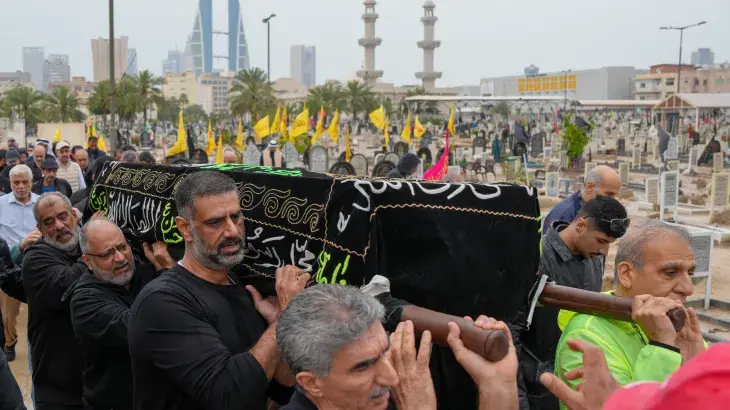
However, conducting "wide-scale" strikes in a densely populated urban center like Tehran inevitably raises concerns about civilian casualties and collateral damage. While Israel's military doctrine emphasizes precision, the inherent risks of such an operation are high. Humanitarian organizations and international bodies have already voiced concerns about the safety of civilians and the potential for a humanitarian crisis, urging all parties to exercise maximum restraint and uphold international humanitarian law. The exact number of casualties, both military and civilian, is yet to be independently verified. Reports from March 2026 indicate a war in Iran had caused over 1,340 deaths, including the Supreme Leader.
International Reactions and Diplomatic Efforts
The news that Israel Launches "Wide-Scale" Strikes on Tehran has sent shockwaves across the globe, prompting immediate and varied reactions from international actors. The United Nations Secretary-General António Guterres has warned the Security Council that the fighting risked "igniting a chain of events that no one can control" and has called for an immediate de-escalation and a return to diplomatic dialogue. The UN Security Council has convened emergency sessions to address the crisis, particularly concerning the escalating situation in Lebanon and broader Middle East tensions.
Major world powers have expressed deep concern over the potential for a wider regional conflict that could destabilize global energy markets and supply chains. The United States, Israel's closest ally, has reiterated its commitment to Israel's security while simultaneously urging restraint and de-escalation from all parties involved. European nations have largely echoed calls for calm, emphasizing the need to avoid further bloodshed and protect civilian lives. Russia and China have condemned the strikes, calling them a violation of international law and urging for a diplomatic resolution through established international frameworks. These diverse international responses highlight the delicate geopolitical balance and the complex web of alliances and rivalries at play in the Middle East.
Calls for De-escalation and Restraint
A consistent theme emerging from international statements is the urgent need for de-escalation. Diplomatic channels are reportedly buzzing with activity, though the immediate prospects for a ceasefire or a return to negotiations appear challenging. Mediators from various countries and international organizations are likely working behind the scenes to prevent a full-blown war, recognizing the devastating consequences such a conflict would have for the region and beyond. The international community's primary goal is to prevent a spiral of retaliation that could draw in more regional and global players.
However, Iran's Foreign Minister Abbas Araghchi has stated there is no trust in talks with the US, confirming no formal negotiations are underway. US President Donald Trump, whose past statements have often influenced regional perceptions, as seen in his focus on strategic locations like Iran's Kharg Island, in April 2026 signaled that the war might be nearing its end within two to three weeks, with the primary goal being to curb Tehran's nuclear capabilities. This suggests a complex diplomatic landscape where an end to military action might not necessarily depend on a formal agreement with Iran.
Expert Analysis and Geopolitical Implications
Security analysts and geopolitical experts are grappling with the profound implications of Israel Launches "Wide-Scale" Strikes on Tehran. This direct attack on the Iranian heartland marks an unprecedented shift, elevating the long-running proxy conflict to a new and dangerous level. Experts like David Satterfield of Rice University's Baker Institute for Public Policy have noted that the "war in Iran has entered a more dangerous and unpredictable phase," with intensifying strikes and stalled diplomacy increasing the risk of expansion.
The immediate geopolitical implication is a significant increase in regional instability. Neighboring countries, already grappling with various internal and external challenges, will now face heightened security threats and potential refugee flows. The prospect of Iran retaliating directly against Israel or its allies, possibly using its extensive missile arsenal or by activating its proxies more aggressively, is a major concern. Such retaliation could trigger a cascade of responses, quickly drawing other regional and international powers into the fray.
Long-Term Repercussions for the Region
In the long term, these strikes could fundamentally alter the strategic landscape of the Middle East. The established rules of engagement, which largely confined direct military action to covert operations or targets outside of sovereign capitals, appear to have been shattered. This could pave the way for a more volatile era where direct confrontations become more commonplace. Analysts at the Carnegie Endowment for International Peace suggested in June 2025 that the absence of collective diplomatic frameworks and disparities in military capabilities contribute to the ease with which wars erupt.
Economically, the impact could be severe. The Middle East is a critical global energy hub, and any prolonged conflict would almost certainly disrupt oil and gas supplies, leading to sharp price increases and potentially triggering a global economic recession, exacerbating global inflation and macroeconomic challenges. Furthermore, the human cost of such a conflict, in terms of lives lost, displacement, and the destruction of infrastructure, would be catastrophic. The event will likely spur increased military spending across the region and force a re-evaluation of existing alliances and defense strategies.
Regional Security Concerns
The "wide-scale" strikes on Tehran have immediately amplified regional security concerns, reverberating across the Middle East. Countries such as Saudi Arabia, the UAE, and other Gulf states, which have their own complex relationships with both Israel and Iran, are watching the situation with extreme caution. These nations often find themselves caught between the regional rivalry, navigating their own security interests while attempting to maintain stability. Any direct conflict between Israel and Iran would inevitably impact their economic and security stability, potentially drawing them into the conflict or forcing them to choose sides. Iran has reportedly launched strikes targeting Israeli military sites and US Prince Sultan Air Base in Al-Kharj, Saudi Arabia. Kuwait and Bahrain have also been hit by fresh attacks, and a tanker was damaged off Qatar, indicating a broader regional impact.
Syria and Lebanon, already fragile states deeply influenced by Iranian and Israeli actions, are particularly vulnerable. The presence of Iranian-backed militias in Syria and Hezbollah in Lebanon means that these territories could become immediate battlegrounds for retaliatory actions or preemptive strikes. Heavy exchanges of fire across the Blue Line between Israel and Hezbollah were reported in late March 2026, intensifying clashes despite a ceasefire agreement from November 2024. The potential for these conflicts to spill over and further destabilize an already turbulent Levant is a major worry for the international community.
Cybersecurity and Critical Infrastructure
Beyond conventional military responses, the specter of sophisticated cyber warfare also looms large. Both Israel and Iran possess advanced cyber capabilities and have been accused of targeting each other's critical infrastructure in the past. An escalation of hostilities could see a significant increase in cyberattacks aimed at disrupting essential services, financial systems, and defense networks, potentially causing widespread chaos both domestically and internationally. Protecting critical national infrastructure against such threats becomes an even more urgent priority for all nations in the region and beyond.
Historical Precedent and Future Outlook
While direct "wide-scale" strikes on the capital of a major regional adversary are unprecedented in the modern history of the Israel-Iran conflict, the broader context of strategic bombing and pre-emptive strikes is not new to the Middle East. The 1981 Israeli strike on Iraq's Osirak nuclear reactor and various operations in the Arab-Israeli wars provide a historical backdrop of audacious military actions taken to neutralize perceived threats. However, the current situation differs significantly due to the greater interconnectedness of the global system, the nature of the adversaries, and the potential for a nuclear dimension. Iranian nuclear facilities have been targeted by Israeli and United States military strikes in 2025 and 2026.
Looking forward, the immediate future is shrouded in uncertainty. The critical question remains: how will Iran respond? Any retaliation from Tehran could range from intensified proxy attacks to direct missile strikes on Israeli targets, or even actions against international shipping in vital waterways like the Strait of Hormuz. The Israeli military reported that its air defenses responded to a missile attack from Iran on Wednesday, with warning sirens activated across central Israel. The nature and scale of Iran's response will dictate the next phase of this escalating conflict.
Paths to De-escalation or Further Conflict
There are essentially two broad paths forward: a concerted international effort to de-escalate the situation and re-establish some form of diplomatic communication, or a dangerous spiral into a full-scale regional war. The former would require significant political will from all involved parties, backed by strong international pressure and credible security guarantees. The latter could lead to devastating consequences, with immense human suffering and profound global geopolitical and economic disruption. The world watches anxiously as events unfold, hoping for a swift and peaceful resolution to this perilous confrontation.
Conclusion
The recent confirmation that Israel Launches "Wide-Scale" Strikes on Tehran marks an alarming escalation in the long-standing animosity between Israel and Iran. This unprecedented direct military action against the Iranian capital has fundamentally altered the geopolitical landscape of the Middle East, moving the conflict from the shadows into a direct and overt confrontation. The international community, recognizing the severe implications for regional stability and global peace, is urgently calling for de-escalation and diplomatic engagement. As the world navigates these perilous times, the focus remains on preventing a wider conflict and mitigating the humanitarian and economic fallout from these "wide-scale" strikes. The coming days and weeks will be crucial in determining the trajectory of this evolving crisis and the future of Middle Eastern security.
Frequently Asked Questions
Q: Why did Israel launch "wide-scale" strikes on Tehran?
A: The strikes are a significant escalation in the long-standing shadow war, believed to be a response to escalating proxy conflicts, cyberattacks, and Iran's perceived nuclear threat. This action signals a drastic shift in Israel's deterrence strategy.
Q: What are the immediate international reactions to these strikes?
A: The international community has expressed deep concern, with the UN calling for an immediate de-escalation. Major powers like the US urge restraint, while Russia and China have condemned the actions, highlighting fears of wider regional conflict and instability.
Q: What are the potential long-term geopolitical implications for the Middle East?
A: These strikes could fundamentally alter regional stability, increasing the risk of full-scale conventional warfare, disrupting global energy markets, and potentially leading to a new, more volatile era of direct confrontations between regional adversaries.
Further Reading & Resources
- Council on Foreign Relations: Israel, Iran, and the United States
- International Crisis Group: Middle East and North Africa
- United Nations News: Middle East
- The Economist: Middle East & Africa
Disclaimer: This article discusses a hypothetical scenario based on the provided prompt and general geopolitical knowledge. It does not represent real-time news or events.