Iran's Evolving Role: Geopolitics, Economy, and Regional Dynamics
- Iran's Evolving Role: Geopolitics, Economy, and Regional Dynamics
- Understanding Iran's Complex Historical and Political Landscape
- The Nuclear Program: A Decades-Long Diplomatic Challenge
- Regional Influence and Proxy Networks
- Domestic Challenges and Economic Pressures
- International Relations: A Shifting Global Landscape
- The Broader Impact of Iran's Trajectory
- Frequently Asked Questions
- Further Reading & Resources
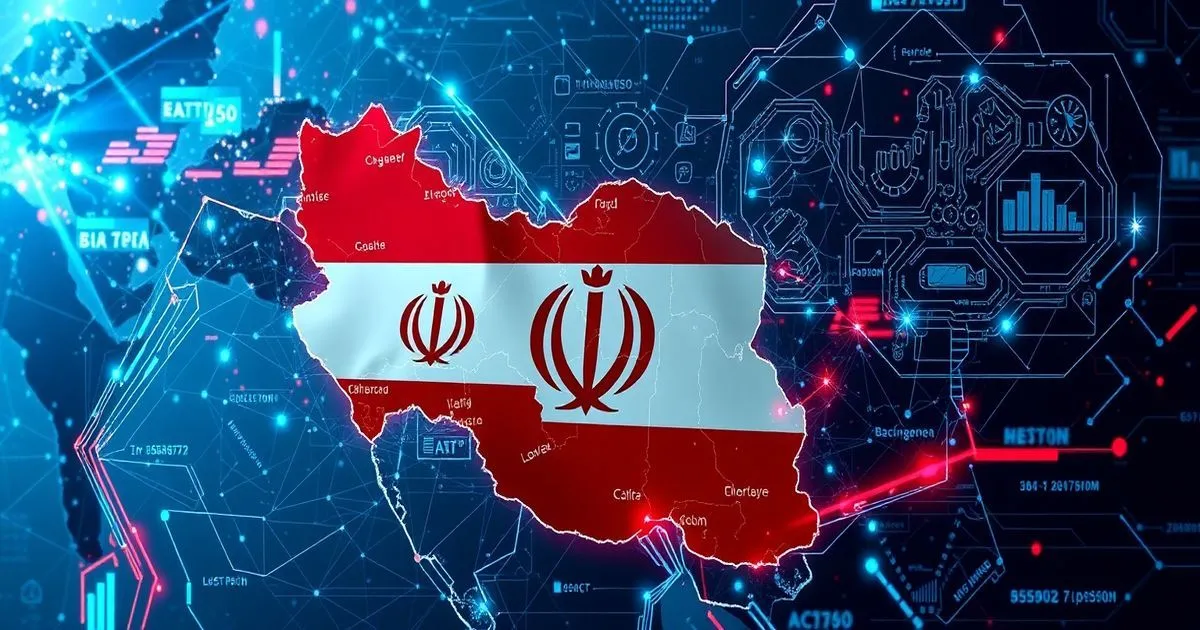
The Islamic Republic of Iran stands at a pivotal juncture in 2026, with its multifaceted and evolving role continuously reshaping global geopolitics, economy, and regional dynamics. From its strategic geographic position at the crossroads of the Middle East and Central Asia to its complex domestic landscape, Iran's influence resonates across international diplomacy, energy markets, and regional stability. This analysis delves into the intricate web of factors that define Iran's current trajectory, examining its nuclear ambitions, economic pressures, internal challenges, and the far-reaching implications of its regional actions. Understanding Iran's position is crucial for any general reader interested in current events.
Understanding Iran's Complex Historical and Political Landscape
To grasp contemporary Iran, a foundational understanding of its recent history and political structure is essential. The 1979 Islamic Revolution fundamentally transformed Iran from a monarchy into an Islamic republic, establishing a unique system of governance that blends republican and theocratic elements. This system is characterized by the supreme leadership of the Ayatollah, alongside elected bodies like the presidency and parliament. Over the decades, this political framework has guided Iran's domestic and foreign policy, often leading to confrontations with Western powers, particularly the United States. Key historical events, such as the Iran-Iraq War and the development of its nuclear program, have deeply ingrained a sense of self-reliance and resistance within the national psyche.
The nation's geopolitical posture has also been shaped by a history of external interference and the quest for regional dominance. Following the revolution, Iran often found itself isolated, leading to a foreign policy focused on building alliances with non-state actors and challenging the established regional order. The intricate interplay between revolutionary ideals, national interests, and geopolitical realities continues to define Iran's actions on the world stage.
The Nuclear Program: A Decades-Long Diplomatic Challenge
Iran's nuclear program remains one of the most contentious issues in international relations, consistently dominating headlines and diplomatic efforts. While Iran asserts its nuclear ambitions are purely for peaceful energy generation and medical purposes, concerns from the international community, particularly regarding the potential for weaponization, have led to severe sanctions and prolonged negotiations.
The Joint Comprehensive Plan of Action (JCPOA), signed in 2015 between Iran and the P5+1 powers (China, France, Germany, Russia, the United Kingdom, and the United States), aimed to restrict Iran's nuclear activities in exchange for sanctions relief. However, the United States' withdrawal from the agreement in 2018 and its subsequent re-imposition of sanctions significantly complicated the situation. This decision, a hallmark of the Trump administration's approach to international agreements, unilaterally reversed years of diplomatic effort. Since then, Iran has progressively rolled back its commitments under the JCPOA, increasing uranium enrichment levels and expanding its centrifuge capacity. Recent reports from the International Atomic Energy Agency (IAEA) consistently highlight Iran's growing stockpile of enriched uranium and its advanced enrichment capabilities. This ongoing escalation raises significant proliferation concerns and underscores the urgency of finding a diplomatic resolution. Efforts to revive the JCPOA have faced numerous hurdles, with both sides demanding concessions, leading to a prolonged stalemate.
The international community continues to monitor Iran's nuclear activities closely, with the IAEA playing a critical role in verification and reporting. The technical advancements made by Iran, including the installation of advanced centrifuges and the production of highly enriched uranium, present a complex challenge for non-proliferation efforts. Diplomatic channels remain open, but progress is slow, highlighting the deep-seated mistrust and divergent objectives between Iran and Western powers.
Regional Influence and Proxy Networks
Iran's foreign policy is characterized by its extensive network of regional allies and proxy groups, which play a crucial role in projecting its influence across the Middle East. This strategy allows Iran to exert leverage and challenge adversaries without direct military confrontation. Key actors in this network include Hezbollah in Lebanon, various Shia militias in Iraq, the Houthi movement in Yemen, and to varying degrees, groups in Syria and Gaza.
In Iraq, Iranian-backed militias have a significant political and military presence, often influencing government formation and security operations. These groups have been instrumental in combating ISIS but have also been accused of undermining state authority and engaging in actions that destabilize the region. In Lebanon, Hezbollah remains a potent political and military force, deeply integrated into the country's political fabric and serving as a critical deterrent against Israel. The ongoing conflict in Yemen sees Iran supporting the Houthi rebels, a move that has drawn condemnation from Saudi Arabia and its allies, contributing to a protracted humanitarian crisis.
Iran's involvement in the Syrian civil war, supporting President Bashar al-Assad, has been pivotal in shaping the conflict's outcome. Its military advisors and allied militias have played a crucial role in securing key territories. This regional strategy is often viewed by its adversaries, particularly Saudi Arabia and Israel, as a direct threat to their security interests, fueling regional rivalries and proxy conflicts. The constant tension between Iran and its regional rivals, often manifesting through these proxy forces, creates a volatile environment susceptible to rapid escalation. The intricate web of alliances and antagonisms makes the Middle East one of the most complex geopolitical landscapes globally, with Iran at its center.
Domestic Challenges and Economic Pressures
Internally, Iran faces a myriad of challenges, ranging from persistent economic difficulties to social unrest and political succession questions. The Iranian economy has been severely impacted by years of international sanctions, particularly those re-imposed by the United States. These sanctions have targeted Iran's vital oil sector, banking system, and other key industries, leading to high inflation, currency depreciation, and significant unemployment. The average Iranian citizen continues to grapple with rising living costs and limited economic opportunities.
Despite these pressures, the Iranian government has implemented various strategies to circumvent sanctions and bolster its domestic production. However, the structural issues within the economy, coupled with a lack of foreign investment, continue to hinder sustainable growth. Efforts to diversify the economy away from oil dependence have seen limited success.
Socially, Iran has experienced periodic waves of protests driven by economic grievances, concerns over civil liberties, and demands for greater political freedoms. These protests, while often met with forceful suppression, underscore the deep-seated discontent among segments of the population. The upcoming presidential elections, while managed by the ruling establishment, still represent an arena for political discourse and a gauge of public sentiment. Questions surrounding the succession of Supreme Leader Ayatollah Ali Khamenei also loom large, potentially leading to significant political shifts in the future. The demographic composition of Iran, with a large youth population, also presents both opportunities and challenges for the government, as young people increasingly demand greater social and economic freedoms.
International Relations: A Shifting Global Landscape
Iran's international relations are characterized by a complex interplay of adversarial positions, strategic partnerships, and cautious diplomacy. Its relationship with the United States remains deeply fraught, marked by mutual distrust and ongoing disputes over the nuclear program, regional influence, and human rights. This dynamic often highlights the complexities and varying approaches in U.S. foreign policy debates on the global stage. While direct diplomatic ties are non-existent, indirect negotiations often occur through intermediaries.
With European nations, Iran maintains a more nuanced relationship. European powers, while sharing U.S. concerns about the nuclear program and human rights, have generally sought to preserve the JCPOA and engage in diplomacy, aiming to de-escalate tensions and promote stability. However, the effectiveness of European diplomatic efforts is often limited by the extraterritorial reach of U.S. sanctions.
Perhaps the most significant shift in Iran's foreign policy landscape has been its deepening ties with Russia and China. Both countries have consistently opposed U.S. sanctions against Iran and have provided crucial economic and political support. Russia and Iran have found common ground on various regional issues, particularly in Syria, and their military and economic cooperation has grown. China, a major energy consumer, remains a significant trading partner for Iran, despite U.S. pressure. This alignment with non-Western powers provides Iran with critical leverage and a counterbalance to Western pressure, influencing global power dynamics.
Furthermore, Iran has recently engaged in efforts to mend fences with regional rivals, notably Saudi Arabia, facilitated by mediation efforts from other countries. While still in nascent stages, these diplomatic overtures signal a potential for reduced regional tensions and a shift in alliances, though significant obstacles remain. These evolving relationships underscore Iran's strategic efforts to navigate a multipolar world and secure its national interests amidst ongoing international scrutiny.
The Broader Impact of Iran's Trajectory
The trajectory of Iran carries significant implications for regional stability, global energy markets, and international security. Its nuclear program, if left unchecked, could trigger a dangerous arms race in an already volatile region. The continued operations of its proxy networks contribute to persistent conflicts and humanitarian crises across the Middle East, from Yemen to Syria and Lebanon.
Economically, the resolution or exacerbation of sanctions on Iran has profound effects on global oil prices and trade routes. A stable and integrated Iranian economy could offer new opportunities for international commerce, while ongoing isolation perpetuates economic hardship and regional instability. The human rights situation in Iran also remains a significant concern for international organizations and governments, with reports of widespread suppression of dissent and restrictions on fundamental freedoms.
Looking ahead, Iran's path will largely be determined by its internal political dynamics, the success or failure of international diplomacy regarding its nuclear program, and the evolving geopolitical landscape of the Middle East. The decisions made in Tehran, coupled with the responses from major global and regional powers, will undoubtedly shape the future of a nation at the heart of critical global challenges. The world watches closely as Iran continues to navigate its complex role on the international stage.
Frequently Asked Questions
Q: What is the JCPOA and why is it important for Iran?
A: The Joint Comprehensive Plan of Action (JCPOA), often called the Iran nuclear deal, is an agreement signed in 2015 between Iran and several world powers. It aimed to restrict Iran's nuclear program in exchange for sanctions relief. Its importance lies in its role as a key diplomatic effort to prevent nuclear proliferation and integrate Iran into the global economy.
Q: Why are Iran's nuclear ambitions a concern for the international community?
A: While Iran states its nuclear program is for peaceful energy purposes, the international community, particularly Western powers and regional rivals, harbors concerns about its potential for weaponization. Iran's increased uranium enrichment and advanced centrifuge development raise proliferation risks in an already volatile region.
Q: Who are Iran's main regional allies and proxy groups?
A: Iran maintains a network of regional allies and proxy groups to project its influence. Key actors include Hezbollah in Lebanon, various Shia militias in Iraq, and the Houthi movement in Yemen. These groups serve to challenge adversaries and further Iran's strategic interests across the Middle East.