The Middle East is currently engulfed in an intensified IRAN WAR, a rapidly escalating regional conflict with profound and far-reaching global fallout. This major confrontation, which began on February 28, 2026, has seen the United States and Israel launch coordinated military operations against Iran, provoking a strong retaliatory response from Tehran. The situation has dramatically reshaped the geopolitical landscape, drawing in multiple regional and international actors and raising serious concerns about stability and international security.
The Genesis of Heightened Tensions and the IRAN WAR
The current military escalation is not an isolated event but rather the culmination of decades of strained relations, distrust, and a complex web of geopolitical rivalries in the Middle East. Historically, Iran's relationship with Western powers, particularly the United States, has been marked by cycles of diplomacy and distrust, often stemming from foreign interference and internal political shifts. The 1953 US-backed coup and the 1979 Islamic Revolution profoundly reshaped Iran's orientation, fostering an anti-Western sentiment and a pursuit of independence that contrasted with the West's strategic interests.
A central point of contention has been Iran's nuclear program, which Western governments have long feared is intended for developing nuclear weapons, despite Iran's insistence on its civilian purposes. Diplomatic efforts, such as the Joint Comprehensive Plan of Action (JCPOA) in 2015, aimed to curb Iran's nuclear ambitions in exchange for sanctions relief. However, the US withdrawal from the JCPOA in 2018 under former President Donald Trump led to the re-imposition and expansion of crippling sanctions, severely impacting Iran's economy and contributing to widespread domestic unrest.
Leading up to the current conflict, tensions escalated significantly. Direct military strikes between Iran and Israel increased in 2024, shifting from indirect proxy-based hostilities to direct exchanges. The International Atomic Energy Agency (IAEA) declared Iran in violation of its nuclear non-proliferation agreements in June 2025, prompting a unilateral Israeli military strike against Iranian nuclear facilities. This "12-day war" in 2025 further intensified hostilities, setting the stage for the dramatic events of late February 2026.
Critical Developments in the Ongoing Conflict
The current phase of the IRAN WAR commenced with joint US and Israeli air strikes on February 28, 2026. A pivotal event was the assassination of Iran's Supreme Leader Ayatollah Ali Khamenei, along with several senior officials, during these strikes. This unprecedented act ignited a fierce and widespread retaliatory campaign from Tehran.
Iran has responded by unleashing extensive barrages of missiles and drones, targeting US military bases and diplomatic facilities across the Persian Gulf. These attacks have hit locations in Kuwait, Qatar, the United Arab Emirates, Bahrain, and Saudi Arabia, demonstrating Iran's capacity to project power across the region. Civilian infrastructure and key energy facilities in these Gulf states have also been struck, causing significant disruption. Furthermore, Israel has expanded its campaign against Hezbollah, an Iranian-backed militant group in Lebanon, launching attacks on its strongholds.
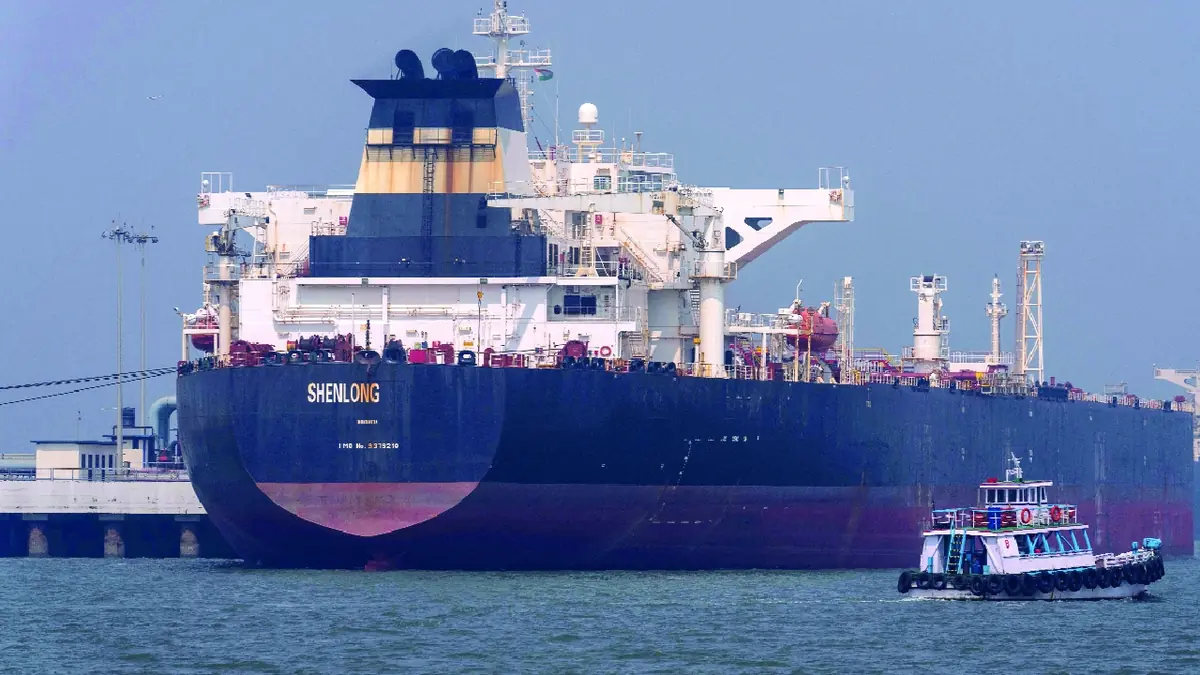
The US has reported losing service members in the conflict, with Iranian ballistic missiles and drones hitting at least six of the estimated 19 US military facilities in the Middle East. The conflict has also spilled over into maritime domains, with the Strait of Hormuz effectively closed and vessels rerouting, raising serious concerns for global energy supplies. The US has reportedly sunk more than 30 Iranian ships during the ongoing war.
Internally, Iran's political system is undergoing significant shifts following Khamenei's death. A triumvirate of leaders has been established by the Council of the Islamic Republic to assume the Supreme Leader's role, with the Assembly of Experts taking responsibility in the interim. There is reported pressure from the Revolutionary Guards to quickly announce a new leader, potentially Mojtaba Khamenei, amid concerns of instability.
Expert Opinions and International Response
Analysts are closely watching the evolving situation, with many experts emphasizing the dangerous trajectory of the conflict. Dr. Evaleila Pesaran, Senior College Lecturer in Politics and International Relations at Murray Edwards College, suggests that this war is an attempt to "decimate an already weakened Iran" and should be seen in the context of the 2025 conflict and internal protests. She notes that while the weakening of the regime and the assassination of the Supreme Leader are significant, establishing new governance structures is challenging, potentially leading to "chaos and hoped for disintegration of the country".
The international community has largely called for de-escalation and a return to diplomatic dialogue. Gulf states, keen to avoid being drawn further into a regional conflagration, have actively engaged in diplomatic efforts with both Iran and the US. Pakistan, too, has ramped up its diplomatic efforts, with its Foreign Minister contacting his Iranian counterpart to discuss de-escalation. European nations, including France and the EU, have urged de-escalation, stressing adherence to international law and the need for renewed diplomatic efforts.
However, there are conflicting signals from the United States regarding the objectives of the operation. President Donald Trump has oscillated between claiming that regime change is not the goal and seemingly adopting the Israeli position that it is a primary target. Trump has also made statements indicating a desire to be involved in selecting Iran's next leader and has urged defections within Iran's security establishment. This inconsistency in messaging, coupled with sustained military action, makes the conflict's resolution uncertain. Many analysts believe that an aerial bombardment is unlikely to bring about regime change and could instead lead to prolonged instability.
Regional and Global Impact
The implications of this intensifying conflict are profound, affecting not only regional stability but also the global economy and humanitarian concerns.
Regional Stability
The conflict has already expanded beyond direct US-Israeli-Iranian exchanges. Iran's actions have generated significant hostility from Gulf countries, even those that traditionally maintained friendly ties, such as Qatar and Oman. These countries, many of which host US military bases, are finding themselves in the line of fire, complicating their foreign policy positions. The targeting of civilian areas and energy infrastructure has shattered the perception of safety in these nations, threatening their reputations as business and tourism hubs. The delicate balance of power in the Persian Gulf is under immense strain, with long-standing security arrangements now appearing fragile. Increased maritime security threats, particularly in vital shipping lanes, pose a constant danger to global trade and further escalate regional anxieties. The spillover into cyber warfare is also a growing concern, targeting critical infrastructure across the region. The conflict also risks further fragmenting Iran along ethnic lines, with reports of the US considering arming Kurdish militias in Iran's northwest to provoke internal unrest. The involvement of Iranian proxy groups, such as Hezbollah in Lebanon and Houthi rebels in Yemen, further regionalizes the conflict, creating additional fronts and increasing the likelihood of wider destabilization.
Global Economy
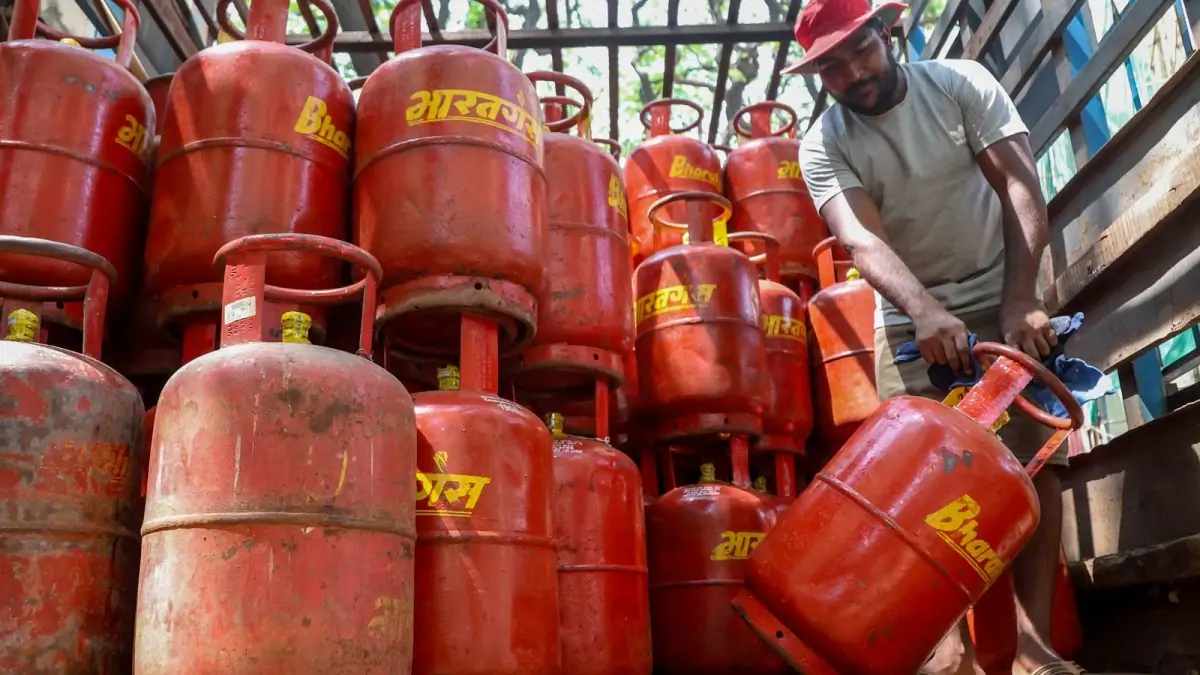
The economic ramifications are significant. The effective closure of the Strait of Hormuz, a critical chokepoint through which approximately one-fifth of the world's oil supply passes, has already led to soaring global energy prices. Disruptions to oil and gas production facilities in Qatar and Saudi Arabia further exacerbate energy market volatility. A prolonged conflict could see oil prices spike substantially, impacting economies worldwide. Beyond crude oil, the cost of marine insurance for vessels traversing the Middle East has skyrocketed, translating into higher shipping costs for all goods and potentially contributing to global inflation. Supply chains, already strained, face further disruptions, affecting everything from manufacturing inputs to consumer goods. The uncertainty casts a long shadow over international investment, with capital flight from the region and a general dampening of global economic forecasts. Moreover, international sanctions have already severely degraded Iran's economy, causing its GDP per capita to fall dramatically and eroding the middle class. The continued economic pressure and the ongoing conflict are likely to deepen these hardships, creating a humanitarian crisis and potentially fueling further internal unrest within Iran.
Humanitarian Concerns
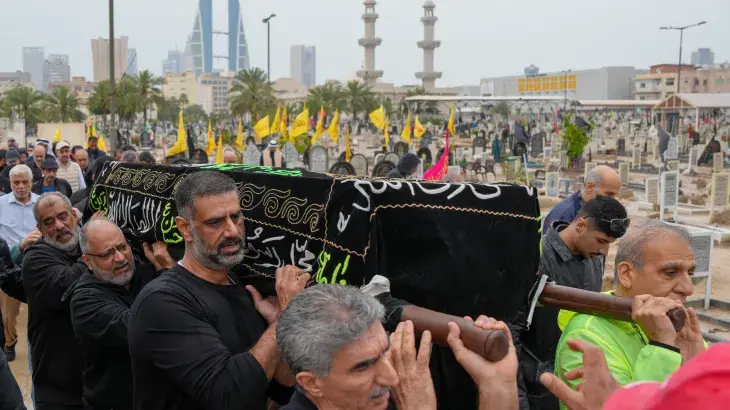
The human cost of the conflict is already evident, with reports of casualties in Iran and other affected regions. Attacks on civilian areas, including schools and residential buildings in Tehran and other cities, have resulted in numerous deaths. The State Department has been actively assisting American citizens with travel guidance and departure options from the region, indicating the growing humanitarian concern. An extended conflict risks a significant humanitarian crisis, displacing populations and exacerbating existing vulnerabilities. International aid organizations are preparing for potential large-scale refugee movements and increased needs for medical assistance, food, and shelter across the affected zones. The long-term impact on public health infrastructure and access to essential services in war-torn areas will be devastating.
Conclusion
The current IRAN WAR represents a critical juncture in Middle East geopolitics, carrying immense risks for regional stability and global economic well-being. The assassination of Iran's Supreme Leader and the subsequent retaliatory strikes have pushed the region into an unprecedented and dangerous phase. While diplomatic efforts are underway to de-escalate tensions, the conflicting objectives and escalating military actions by various parties make a swift resolution challenging.
The long-term consequences of this war remain uncertain, but experts warn of prolonged instability, further economic disruptions, and a potential humanitarian catastrophe. The international community faces the urgent task of fostering a path towards de-escalation and a lasting diplomatic solution to prevent the conflict from metastasizing into an even wider and more devastating regional and global crisis.
Frequently Asked Questions
Q: What triggered the current escalation in the Iran War?
A: The conflict escalated following joint US and Israeli air strikes on February 28, 2026, which included the assassination of Iran's Supreme Leader Ayatollah Ali Khamenei. This unprecedented act provoked extensive retaliatory missile and drone attacks from Iran against US bases and Gulf states.
Q: What are the primary global economic impacts of this conflict?
A: The primary global economic impacts include soaring oil and gas prices due to the effective closure of the Strait of Hormuz, disruptions to international shipping, and increased marine insurance costs. These factors contribute to global inflation and supply chain issues, affecting economies worldwide.
Q: How has the international community responded to the Iran War?
A: The international community has largely called for de-escalation and diplomatic dialogue. Gulf states and European nations have urged restraint and adherence to international law. However, conflicting signals from the United States regarding military objectives complicate these efforts.