Iran War Drives Oil Prices Up, Shakes Global Markets

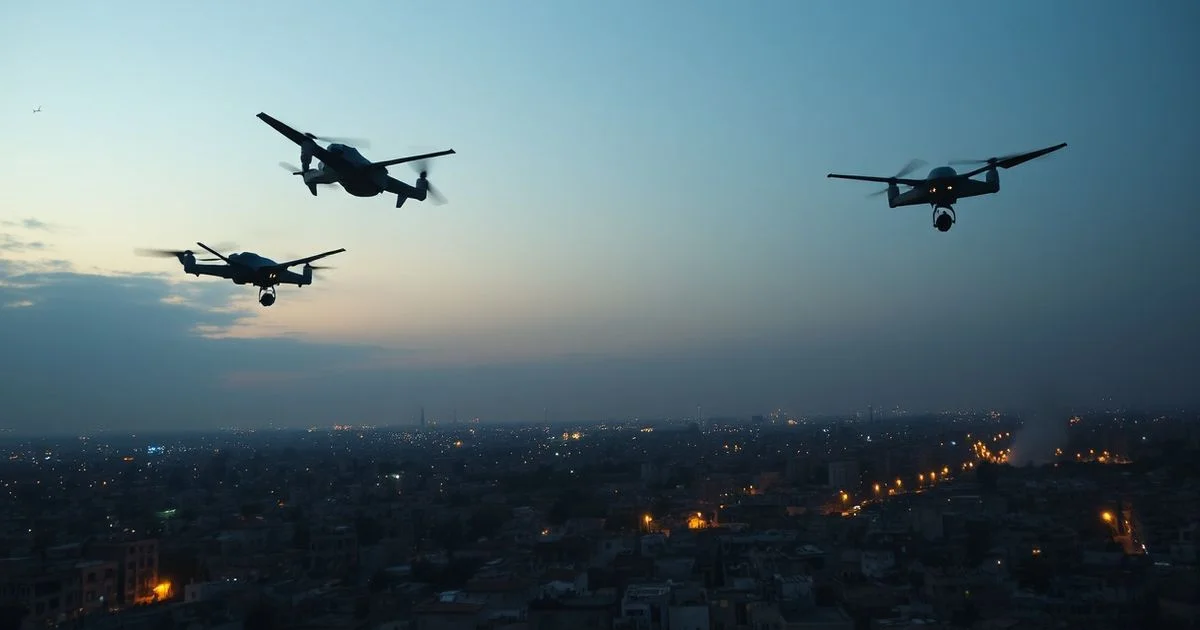
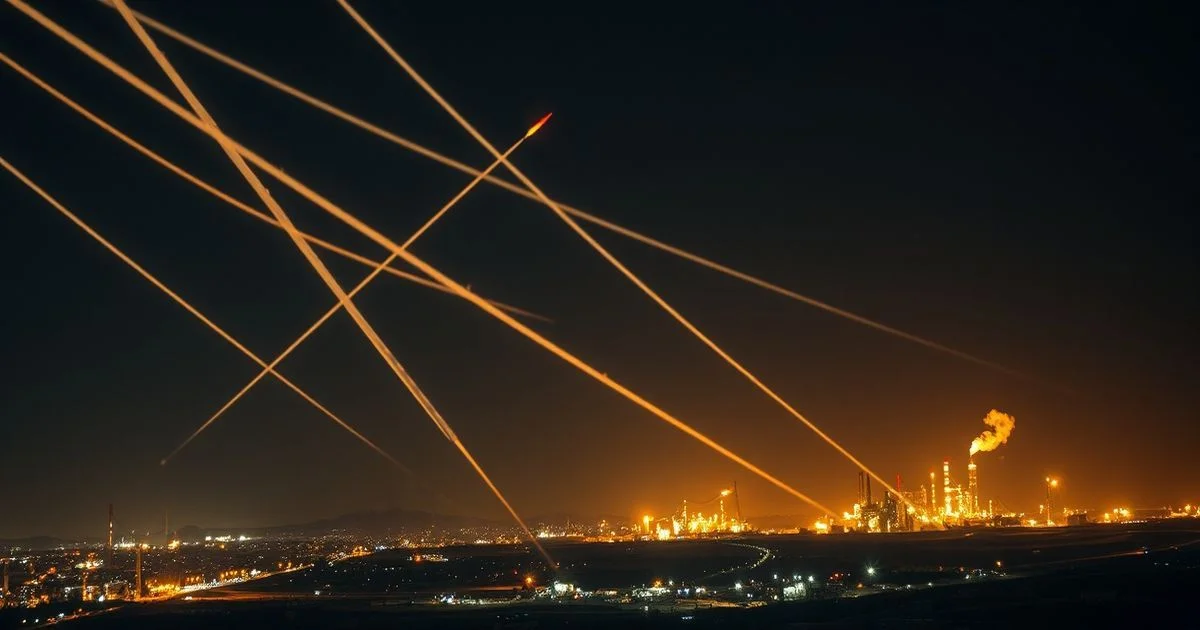
The ongoing conflict in Iran has sent shockwaves through the global economy, as the Iran War Drives Oil Prices Up, Shakes Global Markets with unprecedented volatility. International Brent crude prices have surged dramatically, approaching crisis highs not seen in years, driven primarily by severe supply disruptions and escalating geopolitical tensions. The immediate and widespread economic impact is fueling concerns about inflation, potential recessions, and the overall stability of the world's financial systems. This geopolitical crisis is transforming global energy markets and challenging traditional economic models, with far-reaching consequences for nations and consumers alike.
- The Escalating Conflict and its Immediate Impact: Iran War Drives Oil Prices Up, Shakes Global Markets
- Historical Context: Echoes of Past Energy Crises
- Critical Chokepoint: The Strait of Hormuz
- Global Oil Market Dynamics and Responses
- Economic Repercussions and Recession Fears
- Divergent Expert Opinions and Long-Term Outlook
- Frequently Asked Questions
- Further Reading & Resources
The Escalating Conflict and its Immediate Impact: Iran War Drives Oil Prices Up, Shakes Global Markets
The war, which reportedly began in late February 2026 with US and Israeli strikes on Iran, has rapidly intensified, spreading to strategic areas like the Red Sea and involving various regional actors. The primary driver of the oil price surge has been the severe disruption of crude and oil product flows through the Strait of Hormuz, a critical maritime chokepoint between Iran and the Arabian Peninsula. This narrow waterway normally facilitates the transit of approximately one-fifth of the world's oil supply and significant volumes of liquefied natural gas (LNG).
Since the start of hostilities, daily transits through the Strait of Hormuz have plummeted by an estimated 90% to 95%, leaving hundreds of tankers stranded in the Persian Gulf. This effective closure, initiated by Iran's threats against ships traveling without its permission, has severely curtailed global energy trade. Consequently, Brent crude futures surged to around $110 per barrel by March 28, 2026, with crisis-high peaks touching $119.50 earlier in the month. US WTI crude prices also rose significantly, reaching around $102.80 per barrel. These price levels represent a dramatic escalation from pre-conflict baselines, with some analysts noting Brent crude was trading at almost $113 per barrel by March 29—over 50% higher than pre-war levels.
Historical Context: Echoes of Past Energy Crises
The current crisis evokes stark comparisons to the oil shocks of the 1970s, particularly the 1973 oil embargo and the 1979 Iranian Revolution, which saw global oil prices skyrocket and led to significant economic downturns. These events often highlight the critical role of major international alliances in mitigating or exacerbating global crises. In the 1970s, reduced crude supply due to an embargo by Arab nations quadrupled oil prices, prompting Western governments to implement energy-saving measures such as speed limits and fuel rationing. Similarly, the 1979 Iranian Revolution caused crude oil production to decline by approximately 7% of world production, with prices climbing rapidly from $13 to $34 per barrel, triggering widespread inflation and recessionary pressures across industrialized nations.
Experts like Fatih Birol, head of the International Energy Agency (IEA), have described the current situation as the "greatest global energy security challenge in history," asserting that the present shock is even more pronounced than those of the 1970s. While the 1970s saw a global oil supply shortfall of about 5 million barrels per day, the ongoing Iran conflict has slashed global oil supply by an estimated 8%, with Gulf countries cutting total oil production by at least 10 million barrels per day. The IEA has noted that crude and oil product flows through the Strait of Hormuz have plummeted from around 20 million barrels per day before the war to a mere trickle.
Critical Chokepoint: The Strait of Hormuz
The Strait of Hormuz remains the single most critical chokepoint for global oil transit. It connects the Persian Gulf to the Gulf of Oman and is bordered by Iran to the north. Approximately 20% of global petroleum liquids consumption and around one-fifth of global liquefied natural gas (LNG) trade passed through this strait in 2024. The vulnerability of this waterway has been a long-standing concern, and its current disruption highlights its indispensable role in global energy security.
The Iranian government's threats and reported drone and missile strikes on ships in the region have led many shipping companies to suspend operations through the strait. This has resulted in a significant logjam of tankers and a dramatic increase in marine insurance costs. While Saudi Arabia and the UAE possess some alternative pipeline infrastructure that could bypass the Strait of Hormuz, with an estimated 3.5 to 5.5 million barrels per day of available capacity, this is insufficient to offset the massive disruption to flows. Countries like Iraq, Kuwait, Qatar, and Bahrain are almost entirely reliant on the Strait for their oil exports, leaving their economies critically exposed to its closure.
Global Oil Market Dynamics and Responses
Prior to the current conflict, the International Energy Agency (IEA) had forecasted a substantial surplus in the oil market for 2026, with global oil supply expected to outpace demand. However, the onset of the Iran War has dramatically altered this outlook, turning an anticipated surplus into a severe supply shortage. The IEA has revised its global oil demand growth forecast downwards, now expecting it to grow by 640,000 barrels per day (bpd) in 2026, a reduction of 210,000 bpd from its earlier estimate. Global crude oil supply is projected to plunge by 8 million bpd in March alone. This reflects not only the direct impact on production but also secondary disruptions like increased shipping times, higher insurance premiums for alternative routes, and reduced refinery activity due to uncertainty in crude availability.
In response to these unprecedented disruptions, IEA member countries unanimously agreed on March 11 to release 400 million barrels of oil from their emergency reserves. Additionally, key members of the OPEC+ cartel, including Saudi Arabia and Russia, announced a greater-than-expected increase to production quotas, agreeing to a "production adjustment" of 206,000 barrels per day to be implemented in April. However, analysts like Jorge Leon of Rystad Energy have warned that this increase is likely insufficient to calm markets, emphasizing that "logistics and transit risk matter more than production targets right now". Many nations are also exploring long-term energy diversification strategies, accelerating investments in renewables and seeking non-traditional suppliers to insulate their economies from future chokepoint vulnerabilities.
Economic Repercussions and Recession Fears
The surge in oil prices and the instability caused by the Iran War have ignited significant fears of a global economic recession. Higher energy costs directly impact transportation, manufacturing, and household expenses, leading to broader inflationary pressures. Economists at Oxford Economics have warned that global oil prices averaging around $140 per barrel for two months, coupled with tightening financial conditions, could push parts of the global economy into a "mild" recession. Some analysts even predict prices could reach $170 to $200 per barrel if the conflict prolongs, triggering a severe global recession. This would have devastating effects on airline industries, shipping companies, and any sector reliant on global logistics, while also disproportionately impacting developing nations struggling with food and energy imports.
Mark Zandi, chief economist at Moody's, stated that a recession is "once again a serious threat," placing the odds of a recession starting in the next 12 months at 49%. He highlighted that every recession since World War II (except the pandemic-induced one) was preceded by rising oil costs, suggesting a strong causal link. Larry Fink, CEO of BlackRock, echoed these warnings, suggesting a painful global recession if oil prices hover at $150 a barrel, which could become a new baseline. This gloomy outlook is compounded by the fact that many households and businesses already have little room to absorb higher prices, with some countries experiencing layoffs even before the war. The cost of marine insurance has also skyrocketed, further impacting global trade and pushing up the price of nearly all imported goods.
Beyond oil, the conflict has disrupted global supply chains for other critical commodities. Liquefied natural gas (LNG) supplies have also been significantly affected, with QatarEnergy declaring force majeure on exports due to damaged facilities and a 17% reduction in export capacity, which could take years to repair. The rising cost of fertilizer, a byproduct of the petroleum industry, is expected to hurt farmers worldwide, laying the groundwork for a sharp increase in food prices and potential food insecurity in vulnerable regions.
Divergent Expert Opinions and Long-Term Outlook
While many economists express grave concerns, some hold a more optimistic view. Torsten Sløk, Apollo Global Management's top economist, believes that markets are "overreacting" to what he anticipates will be a 4-to-6-week period of volatility, ultimately leading to "50 years of stability in oil markets, supply chains, and geopolitics". He suggests that the rise in inflation due to higher oil prices will be temporary, and once the conflict subsides, central banks will likely resume interest rate cuts. This perspective hinges on a rapid and conclusive resolution to the conflict, which remains highly uncertain.
However, this perspective contrasts sharply with the broader consensus among financial leaders and institutions. The International Energy Agency's grim assessment of the "largest supply disruption in the history of the global oil market" underscores the severity of the situation. Even if the immediate conflict subsides, the market is likely to incorporate a geopolitical risk premium into oil prices, preventing them from returning to pre-war lows. This persistent elevation of prices, alongside other economic headwinds, could continue to erode consumer and business confidence and significantly slow global economic growth for the foreseeable future. The long-term outlook for global energy security and economic stability hinges critically on the duration and eventual resolution of the conflict. The ongoing Iran War Drives Oil Prices Up, Shakes Global Markets, creating a complex web of economic challenges that will require concerted international efforts to navigate.
Frequently Asked Questions
Q: Why has the Iran War caused such a significant surge in oil prices?
A: The conflict has severely disrupted oil and LNG flows through the Strait of Hormuz, a critical chokepoint for global energy transit. This bottleneck, coupled with Iran's threats to shipping, has drastically reduced supply to the global market, driving prices up.
Q: What are the main economic consequences of these rising oil prices?
A: Surging oil prices lead to increased costs across various sectors, including transportation, manufacturing, and food production. This fuels inflation, erodes consumer purchasing power, and significantly heightens the risk of a global economic recession, potentially leading to job losses and reduced investment.
Q: How are international bodies and countries responding to the oil supply crisis?
A: The IEA has released emergency oil reserves, and OPEC+ members have announced production increases. However, these measures are largely seen as insufficient to offset the massive supply disruption caused by the effective closure of the Strait of Hormuz, leaving markets volatile.