The Middle East is currently gripped by an unprecedented crisis as the long-standing shadow conflict between Iran and Israel has erupted into open warfare, carrying significant global repercussions. The current Iran Vs Israel War, which has seen direct military exchanges and international involvement, intensified dramatically with joint U.S.-Israeli airstrikes on Iranian targets, commencing on February 28, 2026. This recent escalation follows a complex history of proxy conflicts and direct confrontations, including a "Twelve-Day War" in June 2025. The ongoing hostilities have not only reshaped regional dynamics but have also triggered widespread international concern, impacting global energy markets and diplomatic relations.
- Historical Roots of Tension Between Iran and Israel
- Recent Escalations in the Iran-Israel Conflict
- The 2026 Offensive: A New Chapter in the Iran Vs Israel War
- International Response and Diplomatic Efforts
- Potential Repercussions of an Iran Vs Israel War
- Expert Perspectives on the Iran-Israel Confrontation
- Conclusion: The Unfolding Dynamics of the Iran Vs Israel War
- Frequently Asked Questions
- Further Reading & Resources
Historical Roots of Tension Between Iran and Israel
The animosity between Iran and Israel, a defining feature of modern Middle Eastern geopolitics, has deep historical roots, fundamentally shifting after Iran's 1979 Islamic Revolution. Prior to this pivotal event, Imperial Iran and Israel maintained close relations, viewing Arab powers as a common strategic threat. However, the revolution fundamentally altered Iran's foreign policy, transforming Israel into a primary adversary and leading to the cessation of formal ties.
Iran's post-revolution ideology has consistently included vehement anti-Israel rhetoric, with leaders publicly calling for Israel's destruction. This ideological stance has manifested in decades of support for various militant proxy groups across the Middle East, forming what Iran describes as an "Axis of Resistance" aimed at opposing U.S. and Israeli interests. Key among these proxies are Hezbollah in Lebanon and Palestinian groups like Hamas and Palestinian Islamic Jihad (PIJ). Through these groups, Iran has extended its influence and directly challenged Israeli security, notably during conflicts such as the 2006 Lebanon War and multiple engagements in and around the Gaza Strip.
The Nuclear Question and International Concerns
Central to the escalating tensions has been Iran's nuclear program. While Iran consistently asserts its nuclear ambitions are for peaceful purposes, such as energy generation, Israel and many international actors, particularly the United States, view the program with deep suspicion. Concerns revolve around the potential for Iran to develop nuclear weapons, which Israel considers an existential threat. This fear has driven Israel's long-standing policy to prevent a nuclear-armed Iran, leading to covert operations, cyberattacks, and targeted assassinations of Iranian nuclear scientists.
International efforts to curtail Iran's nuclear program have included extensive U.S.-led sanctions, significantly impacting Iran's economy and limiting its oil exports and foreign revenue. The 2015 Joint Comprehensive Plan of Action (JCPOA) offered sanctions relief in exchange for limits on Iran's nuclear activities, but the U.S. unilateral withdrawal in 2018 under President Donald Trump led to the re-imposition of sanctions and increased Iranian nuclear enrichment activities. This withdrawal and subsequent failures in renegotiating a deal in 2025 and 2026 further fueled the trajectory toward confrontation.
Recent Escalations in the Iran-Israel Conflict
The simmering proxy conflict between Iran and Israel entered a dangerous new phase of direct confrontation starting in 2024. This period witnessed a significant shift from indirect engagements to overt exchanges of missile and drone strikes between the two nations.
Proxy Conflicts and Regional Battlegrounds
Before the direct clashes, the conflict primarily unfolded through regional proxies. Iran reinforced its allies in Syria, most notably Hezbollah, and continued its support for Hamas and other Palestinian factions. Israel, in turn, conducted extensive airstrikes against Iranian allies in Syria, aiming to prevent the transfer of advanced weaponry to Hezbollah. These proxy confrontations intensified following the October 7, 2023, attacks, with Iran-backed groups ramping up strikes against Israeli and U.S. targets across the region.
However, Israel's military actions in 2023 and 2024 significantly weakened Iran's "Axis of Resistance." Reports indicate that Israel severely debilitated Hamas in Gaza and Hezbollah in Lebanon, along with other Iranian-backed militias. This weakening was further compounded by the fall of the Bashar al-Assad regime in Syria in December 2024, which had been a crucial pillar of Iran's regional influence. These developments collectively undermined Iranian deterrence and increased its regional isolation, creating a more vulnerable strategic posture, reminiscent of how the demise of cartel leaders can reshape ongoing conflicts.
Direct Confrontations and Cyber Warfare
The years 2024 and 2025 marked a dramatic shift from shadow warfare to open military engagement. In April 2024, a suspected Israeli airstrike on the Iranian consulate in Damascus, which killed senior Iranian military officers, elicited an unprecedented direct retaliation from Iran. Iran launched hundreds of drones and missiles directly at Israel, a move it had previously avoided. Israel retaliated with strikes on Iran, signaling a new era of direct military exchanges.
Further escalations occurred in October 2024 when Iran launched 180 ballistic missiles at Israel following the assassination of key Hamas and Hezbollah leaders. Israel's subsequent strikes on Iran reportedly destroyed much of its Russian-supplied S-300 missile defense systems, paving the way for future operations.
The conflict reached a critical turning point with the "Twelve-Day War" from June 13 to June 24, 2025. This war began with Israeli surprise attacks on Iranian military and nuclear facilities, including the Natanz Nuclear Facility, which damaged or destroyed air defenses and infrastructure, and reportedly involved assassinations of military leaders and nuclear scientists. Iran responded with a massive barrage of over 550 ballistic missiles and 1,000 suicide drones targeting Israeli civilian centers and military sites. The United States became directly involved, intercepting Iranian attacks and bombing three Iranian nuclear sites on June 22, 2025. The war concluded with a U.S.-pressured ceasefire.
The 2026 Offensive: A New Chapter in the Iran Vs Israel War
The current phase of the Iran Vs Israel War commenced on February 28, 2026, with a large-scale, joint offensive by the United States and Israel against Iran. This operation, code-named "Operation Epic Fury" by the U.S., targeted Iranian missiles, air defenses, military infrastructure, and leadership across multiple cities, including Tehran, Isfahan, Qom, Karaj, and Kermanshah.
Targeting Leadership and Nuclear Facilities
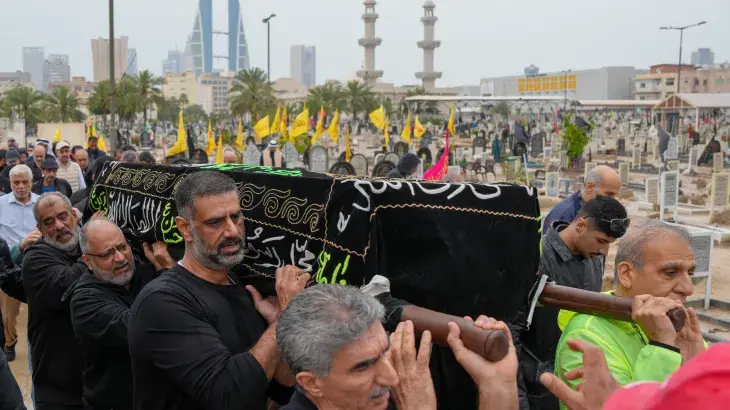
A major development in this offensive was the killing of Iran's Supreme Leader Ayatollah Ali Khamenei during the initial strikes. U.S. President Donald Trump's unprecedented second act in office saw him confirm Khamenei's death and call it a chance for the Iranian people to "take back their Country." Iranian state media later confirmed the death of the 86-year-old leader, marking a nation's crossroads, and his son, Mojtaba Khamenei, was named as his successor.
The strikes also continued to target Iran's nuclear program infrastructure. While Iran's nuclear facilities were not explicitly targeted in the initial February 28th strikes, subsequent reports indicated damage to the Natanz facility, an underground fuel enrichment plant, and other nuclear research sites. The explicit goal of the U.S. and Israel has been to prevent Iran from obtaining a nuclear weapon.
Iran swiftly retaliated with missile and drone attacks against Israel, U.S. military bases in the region (including in Kuwait, Bahrain, and Qatar), and military and civilian locations in Arab states housing U.S. forces. These counter-strikes have created further regional instability.
International Response and Diplomatic Efforts
The escalation of the Iran-Israel conflict into a broader regional war has triggered varied and complex international reactions. While some nations have openly supported the U.S.-Israeli actions, others have voiced strong condemnation or called for immediate de-escalation.
The Role of Global Powers
The United States has been directly involved, launching joint strikes with Israel and maintaining a significant military presence in the Middle East. U.S. officials have justified their actions by citing the need to prevent Iran from acquiring nuclear weapons and to defend against threats from the Iranian regime. Canada and Australia have openly expressed support for the U.S. strikes.
Conversely, Russia and China have responded with sharp criticism. Russia's foreign ministry accused the U.S. and Israel of pursuing regime change under the guise of nuclear concerns. European nations have shown a divided response; Germany has supported its U.S. and Israeli allies, while Spain has condemned the war as illegal under international law, citing the lack of an immediate nuclear threat according to IAEA and CIA reports. France has called for intensified efforts toward a negotiated solution. Many countries, including India, have appealed for dialogue to resolve the crisis.
Regional Alliances and Shifting Dynamics
Within the Middle East, the conflict has reshaped existing alliances and exposed new vulnerabilities. The 22-nation Arab League, historically condemning actions by both Israel and Iran that destabilize the region, called Iran's attacks "a blatant violation of the sovereignty of countries that advocate for peace and strive for stability." Several Gulf states, including Qatar, Saudi Arabia, the UAE, Kuwait, Oman, and Bahrain, have called for Iran to halt its attacks and asserted their right to self-defense, with some condemning Iranian strikes on their territories. Notably, Syria, once a close ally of Iran, condemned Iran's actions, reflecting its new government's efforts to rebuild ties in the region.
Potential Repercussions of an Iran Vs Israel War
The current state of the Iran Vs Israel War presents a volatile landscape with significant potential repercussions across economic, humanitarian, and geopolitical spheres. The conflict's trajectory suggests enduring challenges for regional and global stability.
Economic and Humanitarian Consequences
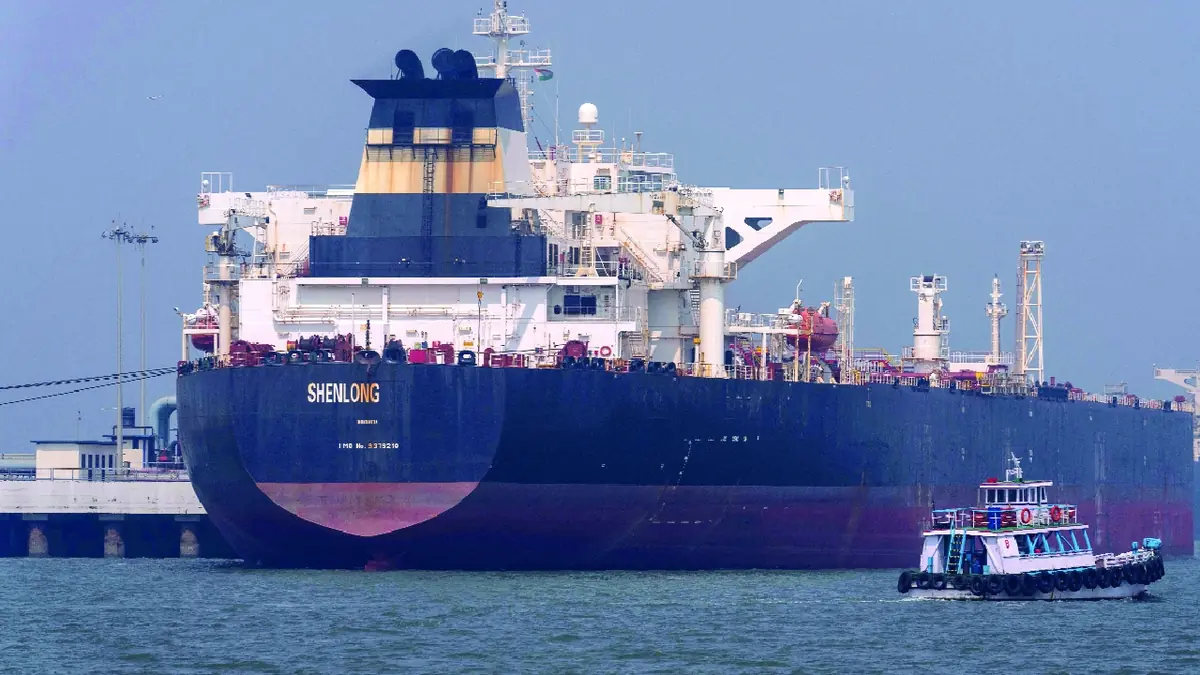
The most immediate and far-reaching economic impact has been on global energy markets. The conflict has led to a significant surge in oil prices, with crude rising by approximately 12% to around $82 per barrel in early March 2026. A worst-case scenario, such as a prolonged Iranian blockade of the Strait of Hormuz, a critical chokepoint for global oil and liquefied natural gas (LNG) transit, could remove 20 million barrels of oil and 20% of global LNG from the market, potentially pushing oil prices above $100 per barrel and triggering a worldwide economic crisis and stagflation.
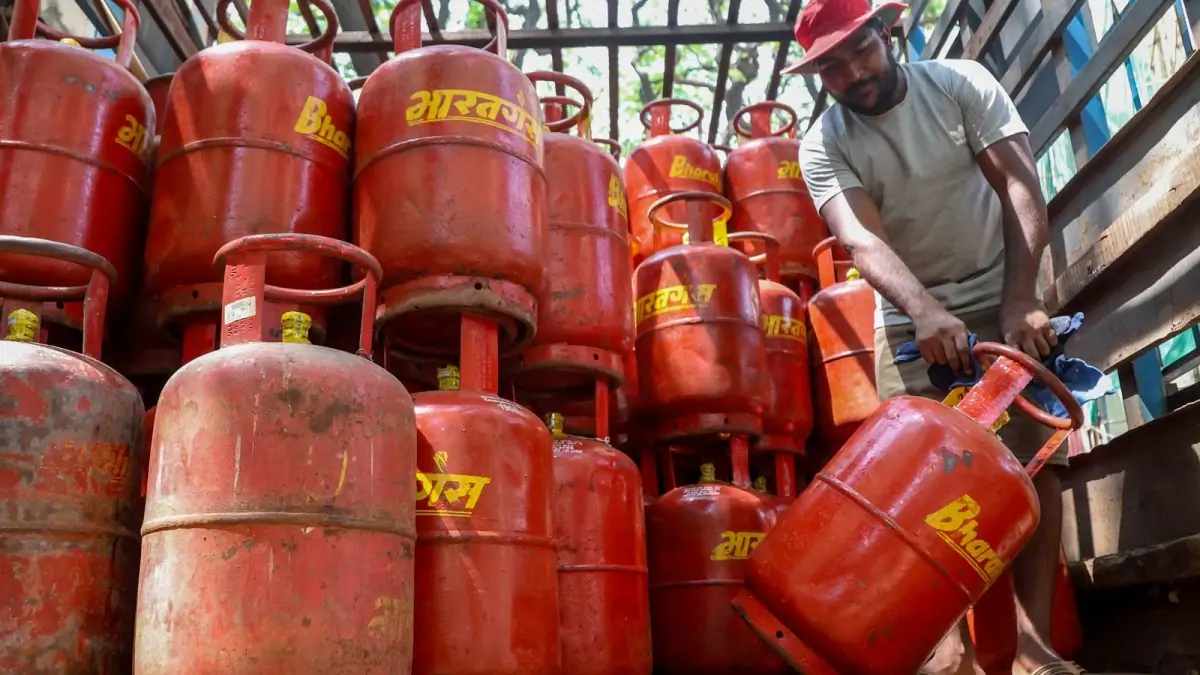
This disruption impacts global supply chains, adds to inflationary pressures, and could force central banks to maintain higher interest rates, slowing economic growth worldwide. Asian economies, particularly China, India, and Indonesia, are especially vulnerable due to their heavy reliance on Middle Eastern oil imports.
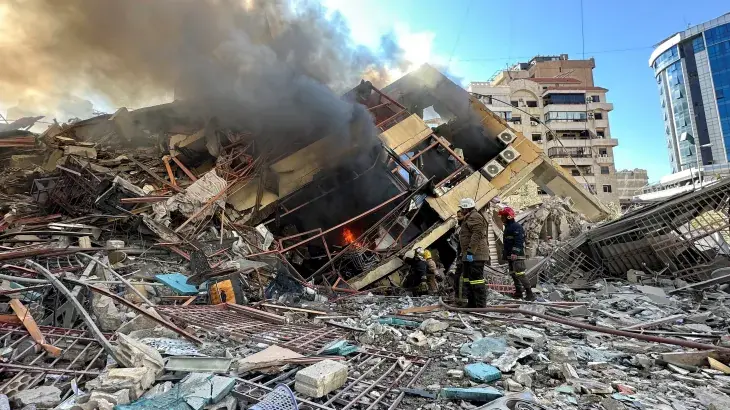
Humanitarian costs are already substantial, with reports of military and civilian casualties in Iran from the strikes. The conflict has also resulted in thousands injured and displaced in Israel during the 2025 war, with an estimated economic burden of US$6 billion. Internet blackouts in Iran during the conflict further highlight the impact on civilian life. The broader conflict also raises concerns about nuclear safety, with potential radiological risks to surrounding populations if nuclear facilities are targeted.
Geopolitical Fallout and Regional Stability
The conflict has deepened geopolitical divisions, with global powers aligning differently, and created a complex environment for diplomatic solutions. The U.S. and Israel's stated goal of preventing Iran from acquiring nuclear weapons and even inducing regime change signifies a long-term commitment to military action if diplomatic avenues remain closed. However, some Israeli officials have expressed concerns about the open-ended nature of the war and the feasibility of regime change, suggesting that achieving military objectives might be a more pragmatic exit strategy.
The weakening of Iran's proxy network in 2024, coupled with internal protests in early 2026 stemming from a weakened economy and struggling infrastructure, indicates that the Iranian regime is arguably at one of its weakest points. However, the death of Supreme Leader Khamenei and the succession of his son, a hardliner, suggest that the regime's resolve may not waver, and the conflict could continue. The long-term implications for the regional balance of power, the future of international nuclear non-proliferation efforts, and the overall security architecture of the Middle East remain highly uncertain.
Expert Perspectives on the Iran-Israel Confrontation
Analysts emphasize that the long-standing shadow war between Iran and Israel has decisively escalated into open military confrontation, a critical juncture in Middle Eastern history. The collapse of Iran's "Shiite crescent" ambitions, largely due to the weakening of its proxies and the fall of the Assad regime, signals a significant shift in regional power dynamics, potentially giving Israel a clearer upper hand in military terms, although still heavily reliant on U.S. support.
Despite this, experts caution that military force alone cannot eliminate Iran's long-term nuclear proliferation risk, as the nation will retain nuclear expertise and potentially key materials. The current military actions, including potential U.S. efforts to seize enriched uranium, could even create new nuclear risks and safety hazards. The potential for miscalculation leading to a broader nuclear exchange, even if unlikely, remains a dangerous possibility given both Israel's undeclared nuclear arsenal and Iran's enrichment capabilities.
Furthermore, the war has been criticized by some international law experts as illegal, arguing that pre-emptive strikes require an immediate and imminent threat that was not present. They contend that Iran, as the attacked party, retains the right to self-defense, further complicating the legal and moral dimensions of the conflict.
Conclusion: The Unfolding Dynamics of the Iran Vs Israel War
The ongoing Iran Vs Israel War represents a dramatic and dangerous evolution of a decades-long rivalry. From its origins as a proxy conflict, the confrontation has escalated into direct military engagements, a full-scale war in 2025, and a major U.S.-Israeli offensive in 2026. These developments, marked by leadership changes in Iran, targeted strikes on critical infrastructure, and profound economic and geopolitical reverberations, underscore the extreme volatility of the Middle East. The conflict's trajectory remains uncertain, with potential for further escalation and significant long-term impacts on global stability, energy markets, and international relations. A fragile region now faces the monumental task of navigating an open conflict with widespread and unpredictable consequences.
Frequently Asked Questions
Q: What triggered the recent escalation of the Iran Vs Israel War in 2026?
A: The most recent escalation on February 28, 2026, was triggered by a large-scale, joint offensive by the United States and Israel against Iran. This operation, code-named "Operation Epic Fury," targeted Iranian military infrastructure, leadership, and missile defenses across multiple cities.
Q: What are the main global economic impacts of this conflict?
A: The primary economic impact has been a significant surge in global oil prices. A prolonged conflict, particularly any disruption to the Strait of Hormuz, could lead to a worldwide economic crisis, pushing oil prices above $100 per barrel and causing stagflation due to disrupted supply chains and inflationary pressures.
Q: Who is the new Supreme Leader of Iran following the recent events?
A: Iran's Supreme Leader Ayatollah Ali Khamenei was killed during the initial U.S.-Israeli strikes on February 28, 2026. His son, Mojtaba Khamenei, a known hardliner, was subsequently named as his successor, indicating a potential continuation of the regime's current trajectory.