Iran vs Usa War Update: A Volatile Geopolitical Landscape
- Iran vs Usa War Update: A Volatile Geopolitical Landscape
- Background Context: Decades of Distrust and Shifting Dynamics
- Key Details: Recent Escalations and Military Posturing
- Expert Opinion: Navigating a Perilous Path
- Impact: Regional Instability and Global Ramifications
- Conclusion: The Path Forward Amidst Ongoing Tensions
- Frequently Asked Questions
- Further Reading & Resources
The delicate balance of power in the Middle East has once again been profoundly shaken, as recent military actions and heightened rhetoric mark a critical Iran vs Usa War Update. The situation has seen a significant escalation, with both Washington and Tehran engaged in a dangerous cycle of threats and counter-threats that deeply concern global observers. This update delves into the complexities of the current geopolitical landscape, examining the background of these enduring tensions and the immediate implications for regional and international stability. Recent developments underscore a period of intense confrontation, with critical events unfolding that demand careful scrutiny to understand the potential future of this long-standing rivalry.
Background Context: Decades of Distrust and Shifting Dynamics
The animosity between Iran and the United States stretches back decades, rooted in the 1979 Iranian Revolution, which transformed Iran from a pro-Western monarchy into an anti-imperial, Islamic republic. This ideological shift fundamentally reoriented Iran's foreign policy towards "Islamic resistance" against Western influence, particularly from the U.S. and Israel. A key flashpoint in this protracted struggle has been Iran's nuclear program, which the U.S. and its allies suspect of having military ambitions, a claim Tehran consistently denies, asserting its program is for peaceful purposes.
The 2015 Joint Comprehensive Plan of Action (JCPOA), or Iran nuclear deal, offered a brief period of de-escalation by imposing verifiable limitations on Iran's nuclear activities in exchange for sanctions relief. However, the U.S. unilateral withdrawal from the JCPOA in 2018 under the Trump administration and the subsequent re-imposition of severe sanctions reignited and intensified tensions. This "maximum pressure" campaign crippled Iran's economy, drastically cutting its oil exports and leading to significant financial challenges within the country. In response, Iran gradually began contravening the deal's restrictions, expanding its uranium enrichment and limiting international inspections.
Beyond the nuclear dossier, Iran's evolving role, often projected through a network of proxy groups and non-state actors known as the "Axis of Resistance," has been a consistent source of friction. These groups, including Hezbollah in Lebanon, various Shia militias in Iraq and Syria, and the Houthis in Yemen, are seen by Iran as a "forward defense" strategy against perceived threats from the U.S., Israel, and Saudi Arabia. The U.S. has often responded to the actions of these proxies with military force and sanctions, further entrenching the cycle of confrontation. This intricate web of historical grievances, ideological clashes, and strategic competition has laid the groundwork for the current volatile state of affairs.
Key Details: Recent Escalations and Military Posturing
The period leading up to late February 2026 has been marked by a rapid and concerning escalation in tensions between Iran and the United States, culminating in direct military actions. Since late January 2026, the United States has undertaken its most significant military buildup in the Middle East since the 2003 invasion of Iraq. This deployment included a substantial presence of air, naval, and missile defense assets, with two aircraft carriers and 16 surface warships operating in the region. This force posture was described as capable of conducting punitive strikes on Iran and protecting U.S. allies.
Simultaneously, diplomatic efforts to de-escalate the nuclear issue have faltered. Indirect nuclear talks between the U.S. and Iran in Geneva failed to produce a restrictive nuclear deal, with U.S. officials expressing dissatisfaction over Iran's negotiation stance. Iran has continued to significantly expand its uranium enrichment activities, reaching levels close to weapons-grade, further reducing its "breakout time" – the period needed to produce enough fissile material for a nuclear weapon. As of November 2024, Iran's stockpile of 60 percent enriched uranium was 182 kilograms, and it had installed numerous advanced centrifuges. By February 2025, U.S. intelligence reportedly indicated Iran was pursuing a faster, albeit cruder, path to an atomic weapon.
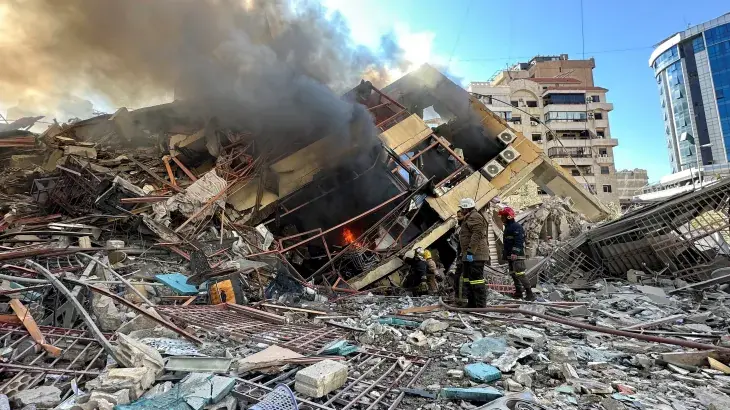
On February 28, 2026, the situation dramatically intensified with joint military strikes on Iran by the United States and Israel. These strikes, ordered by U.S. President Donald Trump, marked a significant escalation. Trump's unprecedented second act in the presidency has often involved bold and controversial foreign policy decisions. He stated the objective was to "defend the American people by eliminating imminent threats from the Iranian regime" and prevent Iran from obtaining a nuclear weapon, a claim Tehran denies. He also issued a direct appeal to Iranian security forces to lay down their weapons.
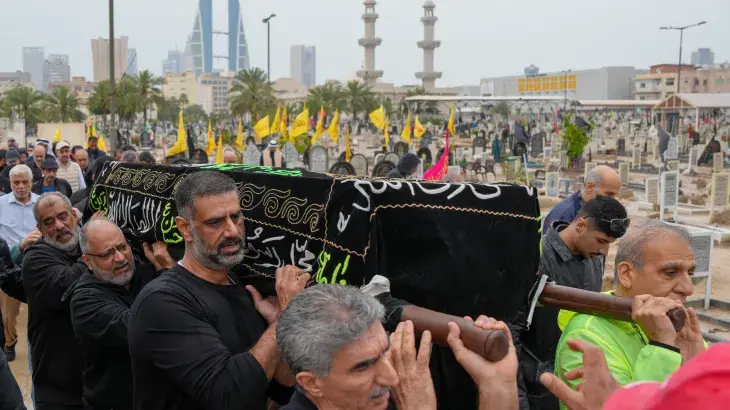
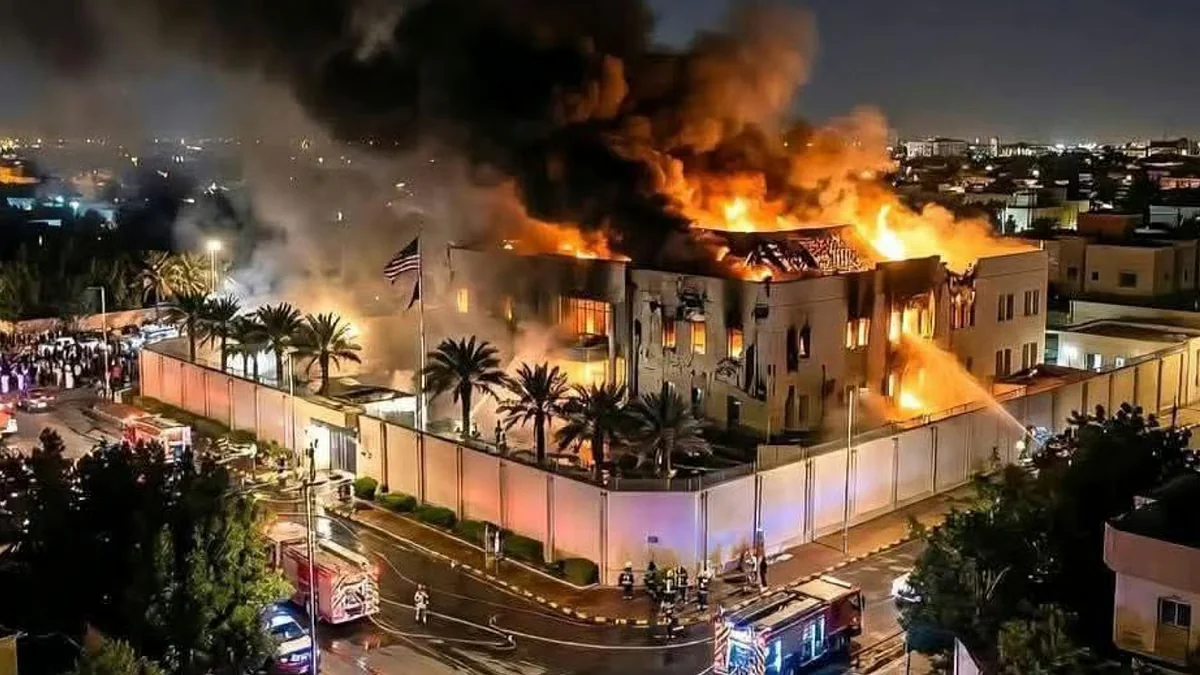
Iran swiftly retaliated, launching ballistic missiles at Israel and activating its regional proxy network. Reports indicated attacks on U.S. military bases across the Middle East, including in Bahrain, Kuwait, Qatar, and the United Arab Emirates, where U.S. forces were actively engaged in air defense operations. Qatar's defense ministry reported shooting down Iranian missiles, while Bahrain's state news agency confirmed an attack on the U.S. Navy's 5th Fleet. The UN Secretary-General and various world leaders have condemned the military escalation, urging an immediate cessation of hostilities and de-escalation to prevent a wider regional conflict.
Expert Opinion: Navigating a Perilous Path
Geopolitical analysts widely agree that the current Iran vs Usa War Update presents one of the most perilous moments in recent Middle East history. Experts suggest that both sides are operating under immense pressure, with differing calculations of risk and response. Understanding these intricate power dynamics, much like unveiling hidden structures of power in other contexts, is crucial for comprehending the conflict's trajectory. According to Dr. Elena Petrova, a senior fellow at the Institute for Global Security Studies, "The U.S. and Israeli strikes, while intended to degrade Iran's capabilities and deter further nuclear advancements, have paradoxically pushed Iran towards a more aggressive retaliatory stance". She notes that Iran's leadership perceives this confrontation as existential, making concessions highly unlikely without significant reciprocal moves.
The effectiveness of Iran's proxy network in a direct conflict with the U.S. and Israel is a critical point of analysis. While these proxies, forming the "axis of resistance," have historically allowed Iran plausible deniability, their full activation in a direct war scenario carries increased risks of regional conflagration. Dr. Marcus Thorne, a Middle East security expert, commented, "Iran's strategy is likely to involve asymmetric warfare, utilizing missile and drone strikes, cyber operations, and harassment of shipping in critical waterways like the Strait of Hormuz, to inflict costs without directly engaging U.S. conventional forces in a protracted conflict". He also highlighted the increased cyberattacks targeting Israel following recent strikes as a clear indicator of this strategy. These cyber operations, ranging from critical infrastructure disruption to disinformation campaigns, represent a modern and potent tool in Iran's asymmetric arsenal, capable of inflicting significant damage and sowing discord without direct military confrontation.
Concerns also remain about Iran's nuclear ambitions. Despite U.S. claims of "monumental damage" to Iranian nuclear sites in previous strikes in June 2025, assessments suggest that Iran's program was only set back by months. The IAEA has been unable to verify the full status of Iran's stockpile since those strikes, intensifying international scrutiny. Analysts at the Arms Control Association noted in late 2024 that Iran's expanded enrichment capacity significantly reduced its breakout time, allowing it to produce enough weapons-grade uranium for multiple bombs in a short period. This underscores the persistent threat posed by the nuclear dimension of the conflict, making a diplomatic solution increasingly urgent yet complex.
Impact: Regional Instability and Global Ramifications
The escalating conflict between Iran and the U.S. and Israel carries profound implications for regional stability and potentially triggers far-reaching global ramifications. The immediate impact is felt acutely across the Middle East, a region already grappling with numerous existing conflicts and humanitarian crises. Heightened military activity risks drawing in other regional actors, transforming localized skirmishes into a broader, uncontrollable conflagration. The U.S. has a significant military presence with 8 persistent bases and 11 other sites in the Middle East, many of which have been targeted in retaliatory strikes, raising concerns for the safety of personnel and further destabilizing host nations.
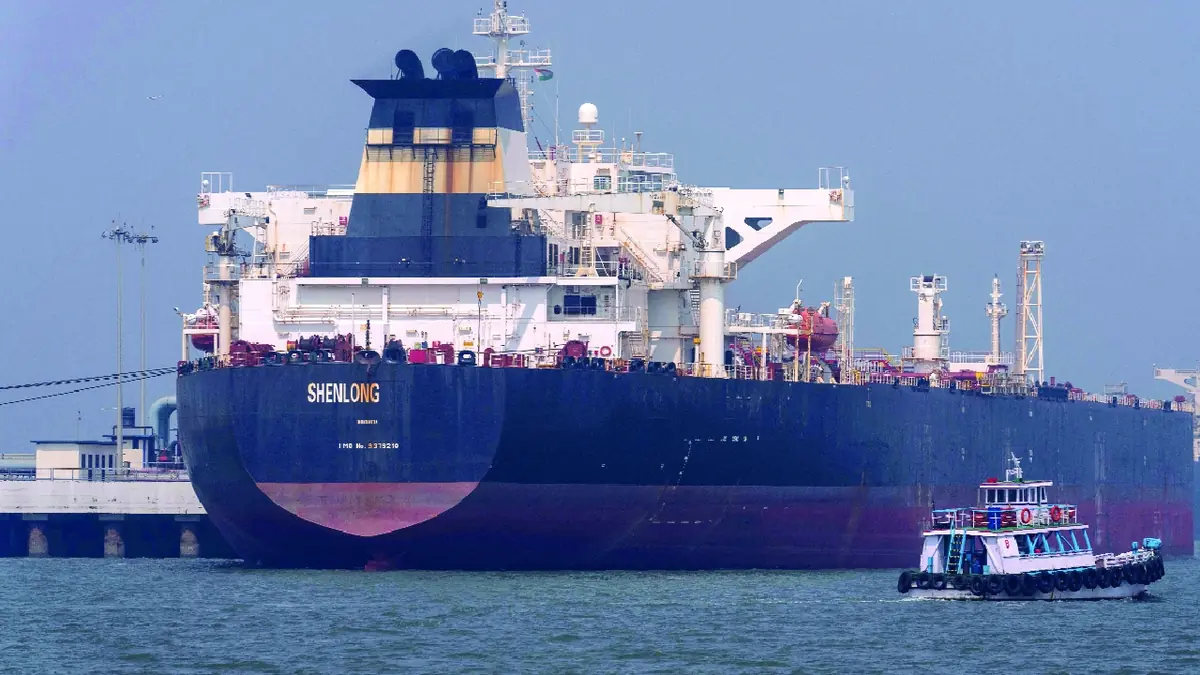
Economically, the situation is already volatile. Iran's economy has been under severe strain due to decades of U.S. sanctions, which have drastically cut oil exports and contributed to currency devaluation and high inflation, estimated to be above 40% in recent years. Further escalation, particularly any disruption to shipping in the Strait of Hormuz—a crucial chokepoint for global oil supplies through which roughly one-fifth of the world’s petroleum transits—could send oil prices soaring well above previous peaks, potentially triggering a global recession. The ripple effects would impact everything from consumer goods to transportation costs, significantly impeding post-pandemic economic recoveries. The African Union has already warned that further escalation threatens global instability, with serious implications for energy markets, food security, and economic resilience, especially in Africa, highlighting concerns over supply chain disruptions and increased commodity prices.
Humanitarian concerns are also paramount. Decades of sanctions have already had a severe impact on the Iranian population, disrupting medicine imports, causing price spikes for essential drugs, and hindering environmental protection efforts, leading to higher air pollution in cities like Tehran where millions reside. An expanded conflict would exacerbate these humanitarian challenges, potentially leading to mass displacement within Iran and across neighboring borders, unprecedented civilian casualties, and a dire need for international aid that could overwhelm existing humanitarian organizations. The UN Secretary-General has specifically warned of "grave consequences for civilians" if hostilities continue to escalate, calling for immediate protective measures and unimpeded access for humanitarian assistance. Moreover, the risk of a wider refugee crisis impacting European and other nations also looms large, adding another layer of geopolitical complexity.
Globally, the conflict tests international law and diplomatic mechanisms. The joint U.S.-Israel strikes have drawn criticism from some world leaders, who expressed concerns over the legality of the operation and its potential to undermine global non-proliferation efforts. The European Union has called for "maximum restraint" and emphasized the critical importance of ensuring nuclear safety. The breakdown of nuclear talks further complicates non-proliferation efforts and could encourage other nations in the region to pursue their own nuclear programs, triggering a regional arms race.
Conclusion: The Path Forward Amidst Ongoing Tensions
The latest Iran vs Usa War Update paints a grim picture of escalating tensions, direct military engagements, and a deeply uncertain future for the Middle East and beyond. The intricate interplay of historical grievances, the unresolved nuclear question, and Iran's extensive regional influence continues to fuel a volatile standoff with the United States and its allies. Despite international calls for de-escalation and restraint, the current trajectory suggests a deeply entrenched conflict with significant global ramifications. The need for sustained diplomatic engagement and a commitment from all parties to de-escalate is more urgent than ever to avert a broader regional catastrophe. The world watches anxiously as events unfold, underscoring the critical importance of finding a peaceful resolution to this enduring geopolitical challenge.
Frequently Asked Questions
Q: What triggered the recent escalation between Iran and the U.S.?
A: The latest escalation was primarily triggered by U.S. and Israeli military strikes on Iranian nuclear and military facilities. This was followed by Iran's swift retaliatory ballistic missile attacks on Israel and U.S. bases through its proxy networks across the region.
Q: What are the main points of contention in the Iran-U.S. relationship?
A: Key points of contention include Iran's nuclear program, which the U.S. suspects has military ambitions, its support for regional proxy groups, and the broader geopolitical struggle for influence in the Middle East. Decades of U.S. sanctions and Iran's anti-Western stance further fuel the animosity.
Q: What are the potential global impacts of a prolonged Iran-U.S. conflict?
A: A prolonged conflict could lead to severe global economic disruption, especially in oil markets due to potential Strait of Hormuz disruptions, triggering price spikes and economic instability. It would also exacerbate humanitarian crises in the Middle East, potentially leading to mass displacement, and challenge international non-proliferation efforts and diplomatic stability worldwide.