Iran Threatens Apple, Google, Meta Over Assassinations: A Geopolitical Escalation
Iran's Threats to Tech Giants: A Geopolitical Escalation
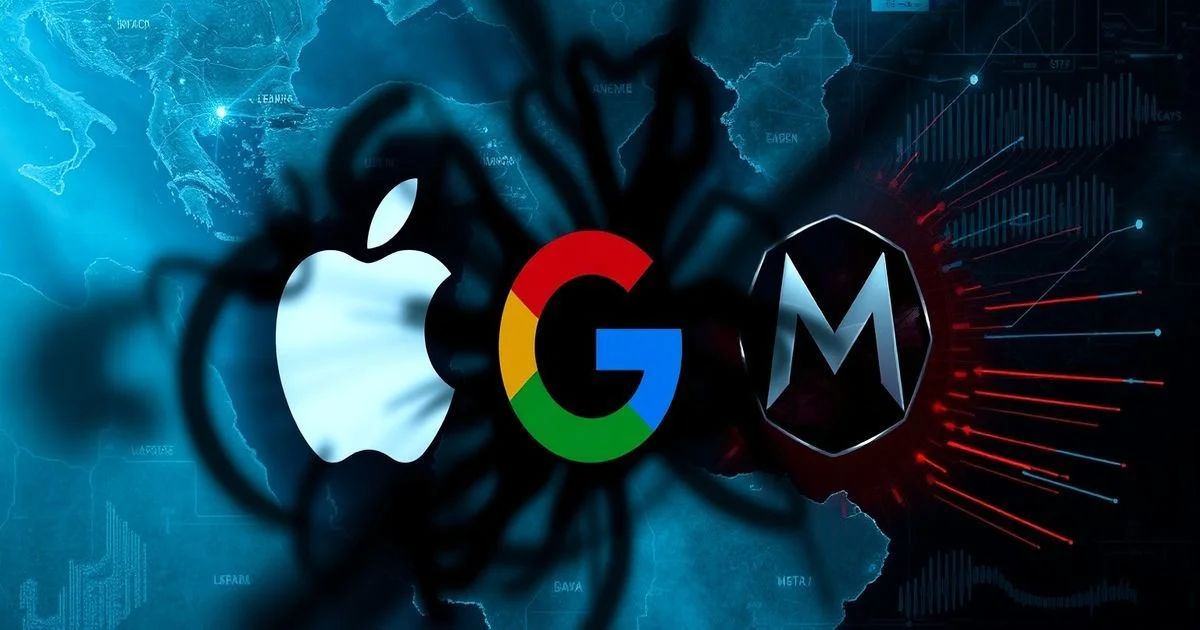
In a significant escalation of geopolitical tensions, Iran's Islamic Revolutionary Guard Corps (IRGC) has issued direct threats against major American technology and aerospace companies, including Apple, Google, and Meta. This grave declaration, prominently featuring the primary keyword "Iran Threatens Apple, Google, Meta Over Assassinations," warns that these Silicon Valley giants are now considered "legitimate targets" due to their alleged complicity in high-tech warfare, specifically the "targeted assassinations" of Iranian leaders. The IRGC's statement, released via the state-aligned Tasnim news agency and reported by multiple outlets, signals a worrying expansion of the conflict into the digital and corporate spheres, impacting global tech operations. The critical declaration emphasizes that these major tech firms, along with others, should brace for severe retaliation if the alleged assassinations of Iranian officials persist.
- Iran's Threats to Tech Giants: A Geopolitical Escalation
- Escalating Tensions and Direct Warnings
- Background of Allegations and Previous Cyber Activities
- Implications for Tech Companies and Global Security
- International Law and Cyber Sovereignty
- Expert Opinions and Future Outlook
- Conclusion
- Frequently Asked Questions
- Further Reading & Resources
Escalating Tensions and Direct Warnings
The threats from Iran's Islamic Revolutionary Guard Corps mark a dramatic shift in strategic targeting, moving beyond traditional military infrastructure to encompass leading technology firms. The IRGC explicitly stated that companies enabling "high-tech warfare" and the use of artificial intelligence (AI) for pinpointing targets are now legitimate military objectives. This move comes in response to what Iran describes as ongoing attacks led by Israel and supported by US intelligence, which have reportedly resulted in the deaths of several high-ranking Iranian officials.
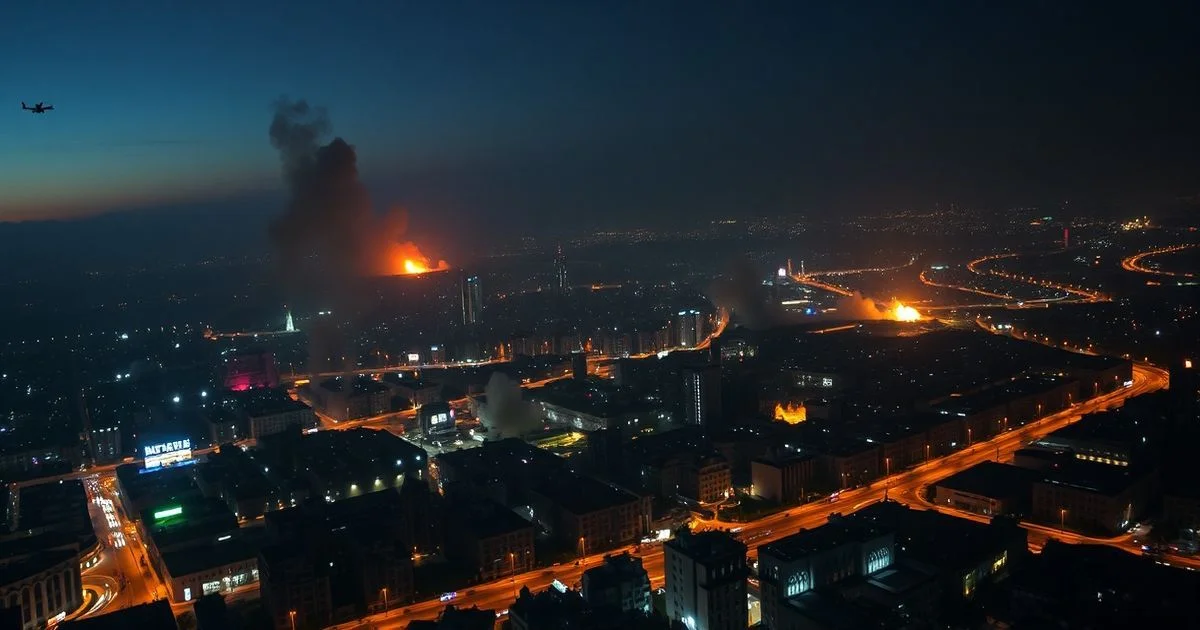
The IRGC's statement, initially released on March 31, 2026, warned that targeting would commence from 8:00 PM Tehran time on April 1, 2026. In a chilling advisory, the military wing urged employees of the named companies and residents living within a one-kilometer radius of their corporate facilities in the region to evacuate immediately for their safety. This escalation contributes to broader instability, as reflected in recent reports on Middle East on Edge: New Strikes Escalate Tensions Regionally.
Specific Companies Named in the Threat
The IRGC's "hit list" is extensive, encompassing over 18 high-profile American companies. Beyond Apple, Google, and Meta (including Facebook, Instagram, and WhatsApp), the list includes:
- Technology & AI Firms: Intel, Microsoft, Oracle, IBM, Dell, Palantir, Nvidia, Cisco, HP.
- Transportation & Energy Conglomerates: Boeing and Tesla.
- Financial Services: JPMorgan Chase.
- Other: General Electric (GE), Spire Solutions, and G42.
This broad scope indicates Iran's intent to target a wide spectrum of US corporate interests in the Middle East, alleging their active participation in "terrorist designs."
Background of Allegations and Previous Cyber Activities
Iran's current threats are rooted in its long-standing accusations that US and Israeli intelligence are behind the assassinations of its leadership. The IRGC specifically alleges that these technology companies are the "main element in designing and tracking assassination targets." This claim extends beyond traditional espionage, suggesting a direct role of digital tools and AI in intelligence-gathering operations that Iran views as hostile.
History of Iranian Cyber Warfare
Iranian state-sponsored cyber actors have a documented history of engaging in aggressive cyber operations, evolving from traditional espionage to disruptive and destructive attacks. These activities often blur the lines between nation-state operations and financially motivated cybercrime.
Key characteristics of Iran's cyber tactics include:
- Targeting Critical Infrastructure: Iranian groups have targeted poorly secured critical infrastructure globally, including water, energy, and healthcare sectors. Attacks on medical device companies like Stryker have been reported, with claims of retaliation for perceived US strikes.
- Ransomware and Data Wiping: Iranian state-linked actors have used ransomware, sometimes disguised as extortion campaigns, to mask destructive attacks. Examples include the Shamoon wiper attacks and incidents involving ZeroCleare.
- Exploiting Vulnerabilities: They frequently exploit vulnerabilities in internet-facing edge devices, cloud services, and identity management platforms. Phishing and password spraying are common methods.
- Information Operations: Iran coordinates cyber operations with information influence campaigns, using social media and fake news websites to shape narratives and intimidate opponents.
- AI and Digital Warfare: The IRGC's current statements highlight a growing focus on AI and ICT companies, signaling a new phase where these technologies are perceived as integral to modern warfare. This shift expands the battlefield to include data networks, industrial automation, and communication platforms.
Previously, Iran has reportedly struck Amazon Web Services facilities in the UAE and Bahrain, marking a direct military attack on commercial cloud infrastructure. Drones have also been used to target communication and industrial centers in Israel, including facilities linked to Siemens and AT&T.
Implications for Tech Companies and Global Security
The explicit designation of major tech companies as "legitimate targets" by a state actor like Iran carries profound implications for global security, corporate operations, and the future of digital infrastructure. This threat moves beyond traditional cyber espionage or disruptive attacks, signaling a potential for kinetic or physical attacks against corporate assets and personnel in the Middle East.
Heightened Security Risks
Multinational corporations with operations, data centers, or retail networks in the Gulf region, particularly in hubs like the United Arab Emirates, face significantly heightened security risks. The IRGC's warning to employees and residents to evacuate within a one-kilometer radius of corporate facilities underscores the potential for physical danger. This could necessitate costly security upgrades, contingency planning, and potentially the reevaluation of operational footprints in volatile regions.
The Role of Big Tech in Geopolitical Conflicts
The incident highlights the increasingly central, yet often infrastructural and invisible, role of Big Tech companies in global security and geopolitical conflicts. Their services, from communication platforms to cloud infrastructure and AI capabilities, are integral to modern societies and, consequently, become points of leverage or targets in state-level disputes.
This situation forces these companies into a difficult position, caught between providing global services and being perceived as complicit in the actions of their host nations or user bases. The argument by Iran that these firms are "co-producing" security alongside public authorities or enabling military operations raises questions about their neutrality and responsibility in international law.
Economic and Market Impact
Geopolitical tensions directly impact technology stocks, with markets pricing in increased risk. Disruptions, whether physical or political, to the infrastructure powered by companies like Nvidia, Oracle, and others, can affect how that infrastructure is built, deployed, and valued globally. The ongoing conflict could lead to increased operational costs, supply chain vulnerabilities, and a re-evaluation of investment in regions deemed high-risk.
International Law and Cyber Sovereignty
The application of international law to state-sponsored cyber activities, especially those involving threats against private entities, is a complex and evolving area. The UN Charter, drafted in 1945, did not explicitly account for cyber warfare. However, established principles such as state sovereignty, the prohibition of the use of force, and non-intervention are generally understood to apply in cyberspace.
State Sovereignty and Attribution
International law affirms that states have exclusive sovereignty over their territory, including digital infrastructure. Cyber operations that violate this sovereignty, through unauthorized access or disruption, can be considered internationally wrongful acts. A critical challenge, however, is the attribution of cyberattacks to a specific state actor, which is often difficult to prove definitively, often relying on complex forensic analysis and intelligence sharing. Furthermore, the concept of state "due diligence" requires states to prevent their territory from being used to conduct harmful cyber operations against other states, a principle that becomes incredibly challenging to enforce when non-state or semi-state actors like the IRGC are involved.
The prohibition on the use of force under Article 2.4 of the UN Charter applies to cyber activities. While traditional espionage does not typically constitute the use of force, aggressive cyber espionage resulting in significant damage or disruption could be viewed in this light. Defining the threshold at which a cyber incident constitutes an "armed attack"—triggering the right to self-defense under Article 51—is a central debate among international legal scholars. This ambiguity makes it difficult to ascertain when kinetic retaliation for a cyber attack is justified. States are generally permitted to respond with countermeasures that are necessary and proportional to the original wrongful act.
The IRGC's explicit threat of "destruction of their relevant units" against tech companies, in response to what it terms "targeted assassinations," pushes the boundaries of these legal interpretations. Whether a retaliatory strike against a corporate facility, even if alleged to be complicit in state-sponsored actions, would be considered a lawful countermeasure or an act of aggression under international law remains a contentious point. The lack of clear international consensus on these cyber warfare doctrines leaves a dangerous grey area for state and corporate actors alike, increasing the risk of miscalculation and escalation.
Expert Opinions and Future Outlook
Cybersecurity experts and geopolitical analysts emphasize the serious nature of Iran's threats. The coordinated and explicit nature of the warning, along with the detailed list of companies and evacuation advisories, signals a marked escalation in rhetoric and potentially in action. Some analysts suggest that while previous Iranian cyber activities have often been high-volume but low-impact, aimed at intimidation and disruption, the current threats suggest a readiness for more direct and potentially destructive actions.
President Donald Trump, when asked about the threats, dismissed them with a "BB guns" remark, questioning the severity of Iran's capabilities. For more context on the former president's stance on Iranian affairs, read Trump Eyes Iran's Kharg Island: A New Geopolitical Flashpoint. However, the documented history of Iranian cyber operations against critical infrastructure and US interests suggests that such threats should not be underestimated.
The Expanding Digital Battlefield
The conflict demonstrates how disinformation, artificial intelligence, and hacking are now deeply ingrained in modern warfare. States are increasingly leveraging cyber capabilities to compensate for military disadvantages, making the digital realm a crucial arena for both espionage and direct confrontation. The focus on AI and ICT companies by Iran underscores the growing understanding of these technologies as strategic assets in national security.
The geopolitical landscape is increasingly characterized by technological fragmentation and techno-nationalism, where competition over AI development and digital infrastructure leads to heightened risks. This could further divide the world into geopolitical blocs and create new restrictions on technology transfers and collaborations.
Conclusion
The declaration by the IRGC that Iran Threatens Apple, Google, Meta Over Assassinations represents a significant and troubling development in ongoing geopolitical tensions. By designating leading technology companies as "legitimate targets," Iran has broadened the scope of its conflict, drawing major private corporations directly into state-level hostilities. This bold move underscores the evolving nature of modern warfare, where digital infrastructure and the companies that build and operate it are becoming increasingly intertwined with national security objectives and flashpoints. As the international community watches closely, the ramifications for global cybersecurity, corporate operations in volatile regions, and the interpretation of international law in cyberspace remain profound and uncertain. This situation demands a careful and coordinated response from governments and the private sector to mitigate risks and navigate this new, expanded digital battlefield.
Frequently Asked Questions
Q: Why is Iran threatening major tech companies like Apple, Google, and Meta?
A: Iran's Islamic Revolutionary Guard Corps (IRGC) alleges that these tech giants are complicit in "high-tech warfare" and "targeted assassinations" of Iranian leaders. They claim digital tools and artificial intelligence provided by these companies are used in intelligence-gathering operations perceived as hostile.
Q: What is the Islamic Revolutionary Guard Corps (IRGC)?
A: The IRGC is a major branch of Iran's armed forces, separate from the regular army, and is critical to the country's national security, internal control, and foreign policy. It has significant economic influence and a documented history of engaging in cyber operations.
Q: What are the potential implications of these threats for global technology companies and security?
A: The threats could lead to heightened security risks for corporate facilities and personnel in the Middle East, necessitating costly security upgrades and re-evaluations of operational footprints. There's also potential for economic impact, market disruption, and increased scrutiny on the role of tech companies in geopolitical conflicts.
Further Reading & Resources
- Tasnim News Agency: IRGC warns US tech companies over alleged assassinations
- Reuters: Iran warns US tech firms after alleged assassinations
- Council on Foreign Relations: The Islamic Revolutionary Guard Corps
- Atlantic Council: Iran's Cyber Operations: A Force to be Reckoned With
- UN Office of Disarmament Affairs: Cyber Security and International Law