Iran Rejects Truce as Trump's Deadline Looms: A Diplomatic Standoff

The international community watches with bated breath as the clock ticks down on another deadline set by the Trump administration, intensifying an already fraught diplomatic landscape. Amidst escalating pressure and the re-imposition of stringent sanctions, Iran rejects truce as Trump's deadline looms, firmly refusing any negotiations or de-escalation offers from the United States. This profound diplomatic standoff signals a perilous phase in U.S.-Iran relations, with potential far-reaching consequences for global stability and energy markets. The rejection by Tehran underscores a deep-seated mistrust and a refusal to negotiate under what it perceives as coercive conditions.
- Background: The Unraveling of the Nuclear Deal
- Escalating Pressure: Trump's Sanctions and Deadlines
- Iran Rejects Truce as Trump's Deadline Looms
- International Reactions and European Efforts
- Economic Implications for Iran
- Geopolitical Ramifications
- Expert Analysis and Perspectives
- Looking Ahead: Potential Scenarios
- Conclusion
- Frequently Asked Questions
- Further Reading & Resources
Background: The Unraveling of the Nuclear Deal
The current crisis is deeply rooted in the 2015 Joint Comprehensive Plan of Action (JCPOA), commonly known as the Iran nuclear deal. This landmark agreement, signed by Iran and the P5+1 nations (China, France, Germany, Russia, the United Kingdom, and the United States), alongside the European Union, placed significant restrictions on Iran's nuclear program in exchange for the lifting of international sanctions. For a period, it ushered in a tentative détente, offering Iran economic relief and global integration.
However, the accord faced persistent criticism from President Donald Trump, who deemed it a "horrible one-sided deal that should have never, ever been made". Citing concerns over the deal's perceived failure to adequately address Iran's ballistic missile program and its regional activities, the Trump administration announced the United States' unilateral withdrawal from the JCPOA on May 8, 2018. This pivotal decision marked a dramatic shift in U.S. foreign policy, unraveling years of multilateral diplomacy.
Following the withdrawal, the Trump administration pledged to re-impose all sanctions that had been lifted under the JCPOA, initiating what it termed a "maximum pressure campaign" against Iran. The objective was to force Iran back to the negotiating table for a new, broader agreement that would encompass not only its nuclear program but also its missile development and regional influence. This campaign, however, was met with strong opposition from other signatories to the JCPOA, particularly European allies, who lamented the U.S. decision and vowed to uphold the deal's terms as long as Iran remained compliant.
Escalating Pressure: Trump's Sanctions and Deadlines
The U.S. withdrawal from the JCPOA was immediately followed by a phased re-imposition of sanctions. An initial 90-day "wind-down" period preceded the first round of sanctions taking full effect on August 6, 2018, targeting sectors like Iran's automotive industry and trade in gold and other metals. This was a precursor to a far more sweeping move.
On November 5, 2018, the United States fully re-imposed all sanctions that had been lifted or waived under the JCPOA, following a 180-day wind-down period. These were characterized as the "toughest U.S. sanctions ever imposed on Iran". They specifically targeted critical sectors of Iran's economy, including its energy, shipping, shipbuilding, and financial industries. The U.S. Department of the Treasury's Office of Foreign Assets Control (OFAC) sanctioned more than 700 individuals, entities, aircraft, and vessels in its largest single-day action against the Iranian regime.
The impact of these sanctions was designed to be severe, aimed at cutting off Iran's revenue streams, particularly from oil exports. Secretary of State Mike Pompeo reiterated the U.S. stance, stating that the sanctions were having "even stronger" economic effects than anticipated. Trump declared that any nation or individual continuing to purchase Iranian oil or petrochemical products would also face U.S. sanctions. Subsequent sanctions were imposed in 2019 and 2020, further expanding the scope of the "maximum pressure" campaign to include Iran's iron, steel, aluminum, and copper sectors, as well as targeting the Supreme Leader Ayatollah Ali Khamenei and his office.
Iran Rejects Truce as Trump's Deadline Looms
In the face of relentless economic pressure and explicit threats, Iran has consistently and adamantly rejected any direct negotiations or "truce" proposals with the United States, especially those presented under duress. Iranian officials have maintained that talks are "entirely incompatible with ultimatums, crimes and threats of war crimes". This firm stance reflects a deeply ingrained principle within Iranian foreign policy: a refusal to negotiate from a position of perceived weakness or under threat.
Throughout this period, multiple attempts at mediation by various international actors, including Oman, Pakistan, and European nations, have been made to bridge the diplomatic chasm. Despite these efforts, Tehran has repeatedly rebuffed direct engagement with the Trump administration. For instance, Iranian President Masoud Pezeshkian confirmed the rejection of direct negotiations in response to a letter from President Trump, although he indicated that the path for indirect negotiations remained open. However, the efficacy of indirect talks has been questionable given the long-standing lack of success since the U.S. withdrawal in 2018.
Iranian leaders, including Supreme Leader Ali Khamenei, explicitly banned direct talks with the United States in August 2018, reinforcing Iran's position against engaging in negotiations while under sanction. This rejection stems from a belief that the U.S. "maximum pressure" campaign is an attempt at "instant capitulation of the regime" or even "regime change," rather than genuine diplomacy. Iranian Foreign Ministry spokespersons have dismissed Trump's claims of productive talks as efforts to "reduce energy prices and buy time for the implementation of his military plans," stating there was "no dialogue" between Washington and Tehran. This rejection of engagement under perceived coercion has been a defining characteristic of Iran's response to the escalating U.S. pressure.
The Stalemate Over Uranium Enrichment
One of the main points of contention has been Iran's right to continue domestic uranium enrichment, which Iranian leaders have consistently declared "non-negotiable". This is in stark contrast to Trump's demands for the full dismantlement of Iran's enrichment program. Following the U.S. withdrawal from the JCPOA, Iran gradually began to reduce its commitments under the deal, eventually exceeding pre-JCPOA enrichment levels, further raising international alarms. This move was presented by Iran as a response to the inability of European parties to uphold their economic commitments under the deal due to U.S. sanctions.
International Reactions and European Efforts
The U.S. decision to withdraw from the JCPOA and re-impose sanctions isolated Washington from many of its traditional allies. Leaders from France, Germany, and the United Kingdom expressed deep regret over the U.S. announcement and reaffirmed their commitment to the nuclear deal, emphasizing its importance as a "binding international legal framework". The European Union, in particular, scrambled to implement measures to protect European companies from the extraterritorial reach of U.S. sanctions and maintain legitimate trade with Iran.
In May 2018, the European Commission announced its intention to implement a "blocking statute" to declare U.S. sanctions against Iran illegal in Europe and prohibit European citizens and companies from complying with them. This statute, which came into effect in August 2018, also allowed EU firms and individuals doing legitimate business in Iran to recover damages arising from U.S. sanctions. Additionally, the European Investment Bank was instructed to facilitate European companies' investment in Iran.
Despite these concerted efforts, many European companies, fearing losing access to the U.S. market and the dollar-based financial system, chose to withdraw or suspend their operations in Iran. This illustrated the significant challenges faced by European powers in counteracting the immense economic leverage wielded by the United States. While the EU, China, and Russia remained committed to the JCPOA, the unity among the remaining parties was severely tested by the U.S. "maximalist position" on sanctions.
Economic Implications for Iran
The "maximum pressure" campaign has had a devastating impact on Iran's economy. International Monetary Fund (IMF) figures indicate that Iran's economy significantly shrank by approximately six percent in 2018 and nearly seven percent in 2019. This sharp contraction reversed earlier forecasts of robust growth.
Key economic indicators rapidly deteriorated:
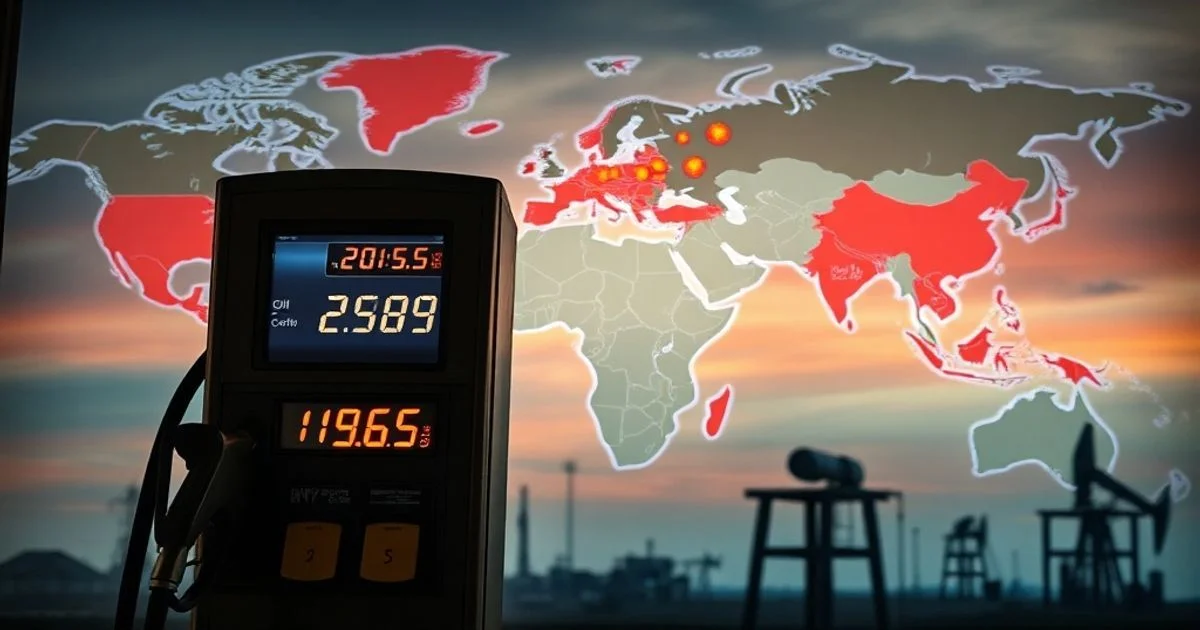
- Oil Exports and Revenue: Iran's oil exports plummeted by well over 60 percent after U.S. sanctions were reimposed in 2018, leading to tens of billions of dollars in lost annual revenue. Oil exports, which peaked at 2.7 million barrels per day (b/d) in June 2018, fell to 1.7-1.9 million b/d by September 2018 and declined further.
- Currency Crisis: The Iranian rial experienced a severe depreciation, losing over two-thirds of its value in the unofficial market since January 2018.
- Inflation and Unemployment: Inflation accelerated dramatically, reaching a four-year peak of 31.4 percent in September 2018 according to official figures, with outside estimates suggesting even higher rates. Unemployment also rose, particularly among younger workers.
- GDP Per Capita: Iran's gross domestic product (GDP) per capita, adjusted for inflation, fell from over $8,000 in 2012 to around $6,000 by 2017, and further declined to little over $5,000 in 2024, with the sharpest declines coinciding with the re-imposition of U.S. sanctions.
The sanctions crippled Iran's access to international financial markets, making it exceedingly difficult for the country to participate in global trade and hindering its ability to import essential goods, including medicine. This economic hardship has fueled public discontent and deepened domestic political, social, and economic problems within Iran.
Geopolitical Ramifications
The standoff between the U.S. and Iran, exacerbated by Tehran's rejection of truces and looming deadlines, has profound geopolitical ramifications for the broader Middle East and beyond. The intensified pressure risks further destabilizing an already volatile region.
- Regional Tensions and Proxy Conflicts: The "maximum pressure" campaign and Iran's responses have fueled regional proxy conflicts. The U.S. has often cited Iran's "malign activity" in the region as a justification for its policies. For example, recent reports have detailed Israel's wide-scale strikes on Tehran amid rising tensions. Iran, in turn, has accused the U.S. of aiming for "regime change" and has vowed to resist external pressures.
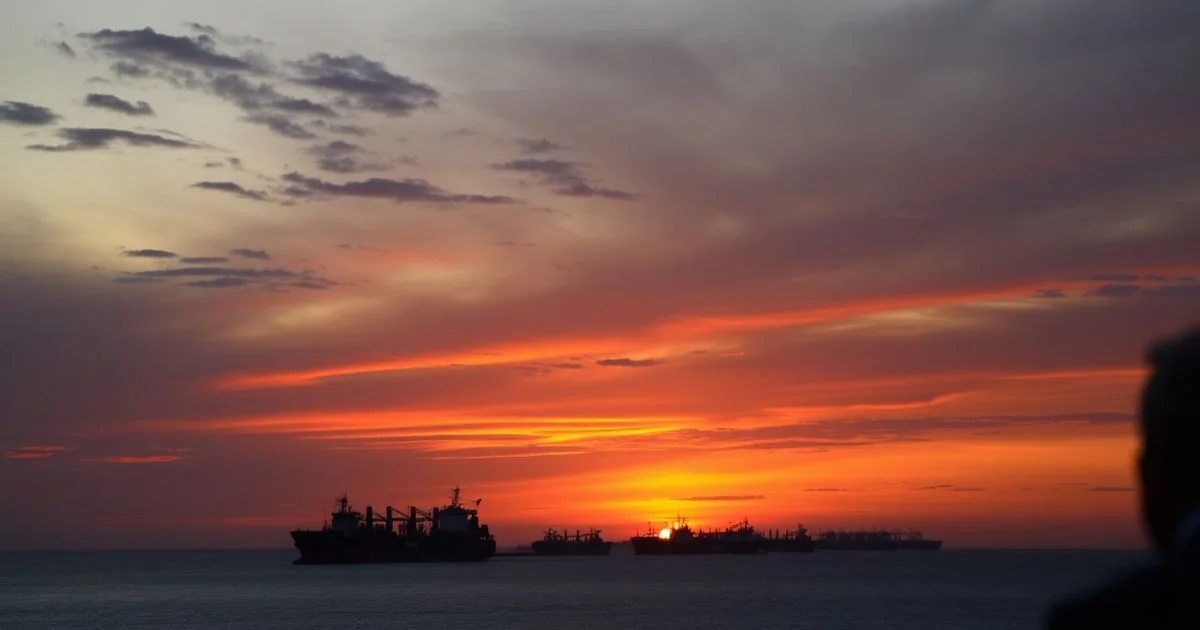
- Strait of Hormuz: Iran's strategic control over the Strait of Hormuz, a crucial choke point for approximately 20 percent of global oil exports, remains a significant concern. Any escalation could disrupt tanker traffic, leading to global energy shocks.
- Nuclear Proliferation Concerns: Iran's gradual reduction of its JCPOA commitments, including increased uranium stockpiling and enrichment levels, raises serious nuclear proliferation concerns among international observers. This heightens the risk of a regional arms race if the diplomatic path remains blocked.
- Strained Alliances: The U.S. unilateral approach has strained relationships with European allies, who prioritize preserving the JCPOA to prevent Iran from developing nuclear weapons. This divergence in strategy has weakened the traditional cohesion of Western alliances.
Expert Analysis and Perspectives
Experts widely agree that the standoff carries significant risks. Analysts have pointed out that while the Trump administration's objective might have been to achieve Iran's "instant capitulation," the outcome has been a deepening of mistrust and an empowerment of hardliners within Iran. The military instrument, according to some, has been "authorised far beyond what the strategic objective can deliver".
Many foreign policy experts have highlighted the challenges of negotiating with Iran under conditions of extreme pressure. They argue that ultimatums often stiffen Tehran's resolve rather than compel compliance. The collapse of the nuclear deal and the re-imposition of sanctions have demonstrated that "sanctions are always a question of applying pain". However, whether this pain translates into desired behavioral changes remains a contentious point. Some analysts suggest that sanctions, while causing short-term economic decline, have also pushed Iran to cultivate domestic industries and establish new international ties, allowing it to adapt over the long term.
The broader geopolitical implications are also a subject of intense debate. While the U.S. aimed to curb Iran's regional influence, some argue that the current approach risks further alienating the Iranian populace, many of whom are already critical of their own regime. This could inadvertently undermine any future attempts to foster a more amenable government in Tehran.
Looking Ahead: Potential Scenarios
The path forward remains highly uncertain, with several potential scenarios emerging from this prolonged standoff.
- Continued Stalemate and Escalation: Iran might continue to resist negotiations while gradually increasing its nuclear activities in response to sanctions. The U.S., in turn, could impose further sanctions, leading to a cycle of escalation that raises the risk of accidental or intentional military confrontation in the region.
- Indirect Diplomacy and De-escalation: Mediators, potentially from European nations or regional powers like Oman or Pakistan, could persist in facilitating indirect talks. This could lead to a gradual de-escalation, possibly involving reciprocal steps, such as some sanctions relief for a return to JCPOA compliance. However, deep mistrust on both sides makes this a challenging prospect.
- Domestic Change in Iran: The severe economic pressure could exacerbate internal unrest within Iran, potentially leading to a shift in the regime's approach, or even a more significant internal political change. However, historical precedent suggests the regime is resilient and capable of severe repression.
- A New Administration in the U.S.: A future U.S. administration might adopt a different approach, signaling a willingness for more flexible engagement or a return to the JCPOA framework, which could alter Iran's calculus.
Each scenario carries its own set of risks and opportunities, but all underscore the urgent need for a diplomatic resolution to prevent further instability.
Conclusion
The persistent refusal by Iran to engage in direct talks or accept truce proposals, even as the Trump administration's punitive deadlines for sanctions continue to loom, has brought the U.S.-Iran relationship to a critical juncture. The "maximum pressure" campaign, while inflicting severe economic damage on Iran, has not yielded the desired diplomatic capitulation. Instead, it has hardened Tehran's resolve, led to a partial rollback of its nuclear commitments, and created a volatile geopolitical environment. The international community remains divided, with European powers struggling to preserve the nuclear deal and avert further escalation. Moving forward, the diplomatic impasse over why Iran rejects truce as Trump's deadline looms highlights the complex challenges in de-escalating tensions and finding a sustainable path toward regional stability and nuclear non-proliferation. The long-term consequences of this standoff will continue to shape the geopolitical landscape for years to come.
Frequently Asked Questions
Q: Why is Iran rejecting truce talks with the U.S. as Trump's deadline looms?
A: Iran views direct negotiations under the current "maximum pressure" campaign as an attempt at coercion and capitulation, not genuine diplomacy. Its leaders have explicitly banned talks while sanctions are in place, seeing them as incompatible with ultimatums.
Q: What was the Joint Comprehensive Plan of Action (JCPOA), and why did the U.S. withdraw?
A: The JCPOA was a 2015 nuclear deal between Iran and world powers, restricting Iran's nuclear program for sanctions relief. The U.S. withdrew in 2018, citing the deal's failure to address Iran's ballistic missiles and regional activities, initiating a "maximum pressure" campaign.
Q: What have been the economic consequences of the U.S. sanctions on Iran?
A: The U.S. sanctions have severely impacted Iran's economy, leading to a significant contraction of its GDP, plummeting oil exports, severe depreciation of the rial, and rising inflation and unemployment. This has fueled public discontent.
Further Reading & Resources
- Iran Nuclear Agreement | Council on Foreign Relations
- Iran Sanctions | U.S. Department of the Treasury
- Iran and the US: A timeline of flashpoints | BBC News
- The Iran Nuclear Deal (JCPOA) at a Glance | Arms Control Association
- IAEA Report on Iran's Nuclear Program | International Atomic Energy Agency