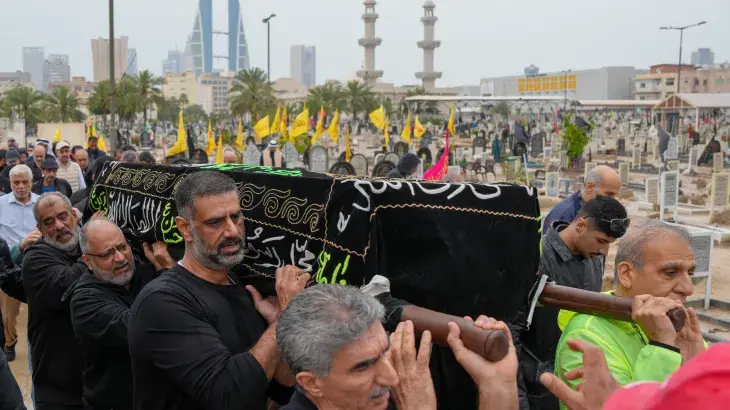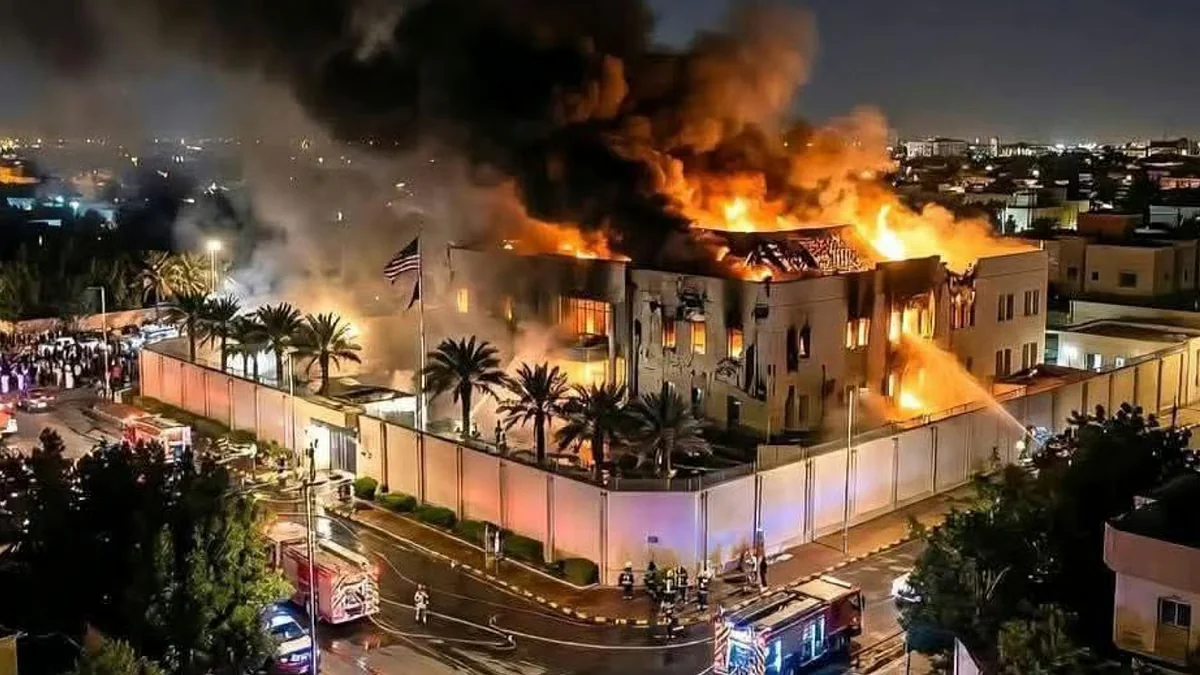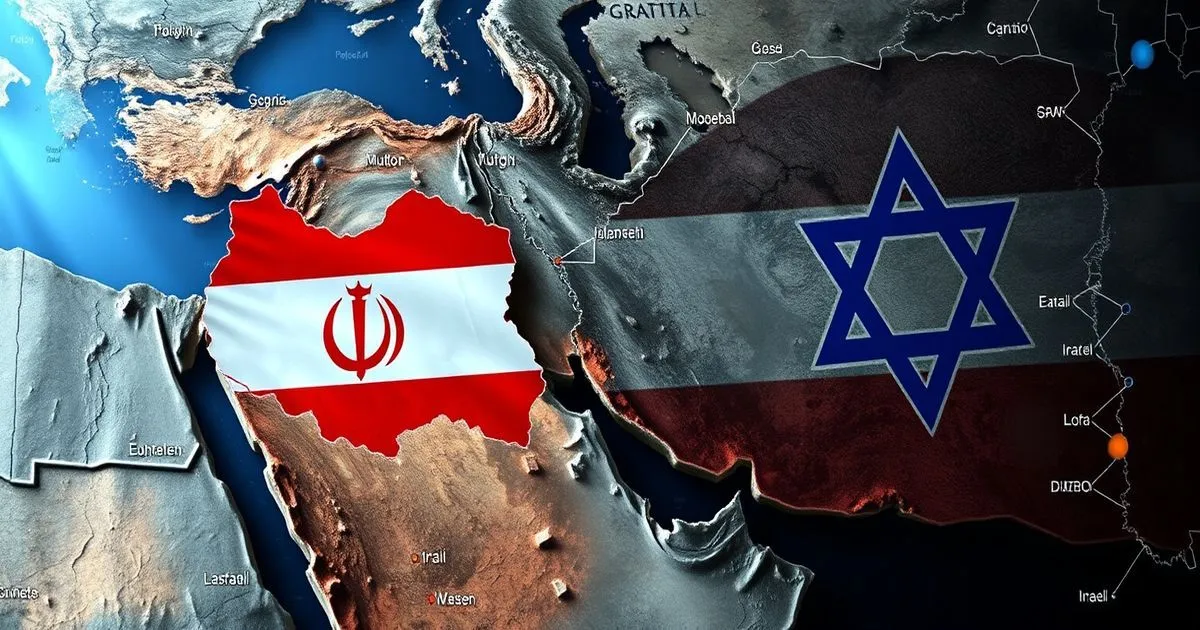
The geopolitical landscape of the Middle East remains a crucible of escalating tensions, with the intricate and often volatile dynamic surrounding the potential for an Iran vs middleeast,usa,israel war forming a persistent focal point. This long-standing rivalry, characterized by ideological clashes, proxy conflicts, and strategic power plays, continues to fuel widespread war concerns and significantly impact regional stability. Understanding the multifaceted nature of this rivalry is crucial for any observer of current events, as its implications stretch far beyond the immediate region, influencing global energy markets, international diplomacy, and humanitarian efforts. The relationship between these powerful actors is a complex web of historical grievances, national interests, and the ever-present threat of direct confrontation, making it one of the most closely watched geopolitical flashpoints worldwide.
- Historical Foundations of the Iran vs. Middle East, USA, Israel Dynamic
- Understanding the Complexities of the Iran vs Middle East, USA, Israel War Dynamics
- Key Players and Their Interests in the Regional Stand-off
- Expert Opinions on the Prospect of Escalation
- Impact and Future Implications of Regional Tensions
- Conclusion: Navigating the Perilous Landscape of Conflict
- Frequently Asked Questions
- Further Reading & Resources
Historical Foundations of the Iran vs. Middle East, USA, Israel Dynamic
The roots of the current tensions run deep, tracing back through decades of shifting alliances, revolutionary fervor, and strategic competition. Iran's 1979 Islamic Revolution fundamentally reshaped its foreign policy, transforming it from a pro-Western monarchy into an anti-Western Islamic Republic, a pivotal moment that continues to define Iran's evolving role in geopolitics and regional dynamics. This ideological shift immediately put Iran at odds with the United States, which had long been a key regional ally, and with Israel, whose existence Iran does not recognize. Concurrently, many Arab states in the Persian Gulf, particularly Saudi Arabia, viewed post-revolutionary Iran as a direct threat to their security and regional dominance, fearing its revolutionary ideology and aspirations for leadership in the Islamic world.
The ensuing years saw a series of events that solidified these antagonisms. The Iran-Iraq War (1980-1988), though ostensibly a conflict between two states, was underpinned by broader regional and international dynamics, with many Gulf Arab states and Western powers covertly or overtly supporting Iraq to contain Iran. Iran's development of its nuclear program, even if officially for peaceful purposes, became a major point of contention, especially for Israel and the USA, who suspected its military dimensions. Sanctions imposed by the USA and international bodies aimed to curb this program, further exacerbating distrust.
Israel, viewing Iran's nuclear ambitions and its support for groups like Hezbollah and Hamas as an existential threat, has consistently advocated for a robust stance against Tehran. The USA, for its part, has maintained a policy of containing Iran, citing its ballistic missile program, human rights record, and support for various non-state actors in the region as destabilizing influences. The collective weight of these historical grievances and strategic divergences has forged a deeply entrenched rivalry, making any resolution incredibly challenging.
Understanding the Complexities of the Iran vs Middle East, USA, Israel War Dynamics
The current geopolitical environment is characterized by a series of interconnected conflicts and strategic maneuvering, often described as a shadow war. Iran's regional strategy involves cultivating an "axis of resistance," a network of state and non-state actors including Hezbollah in Lebanon, various Shia militias in Iraq, the Houthis in Yemen, and to varying degrees, the Syrian government. This network serves both as a deterrent against perceived external threats and a means to project Iranian influence across the Levant and Arabian Peninsula. For the USA, Israel, and several Arab states, this projection of power is seen as a direct challenge to their interests and a significant source of instability.
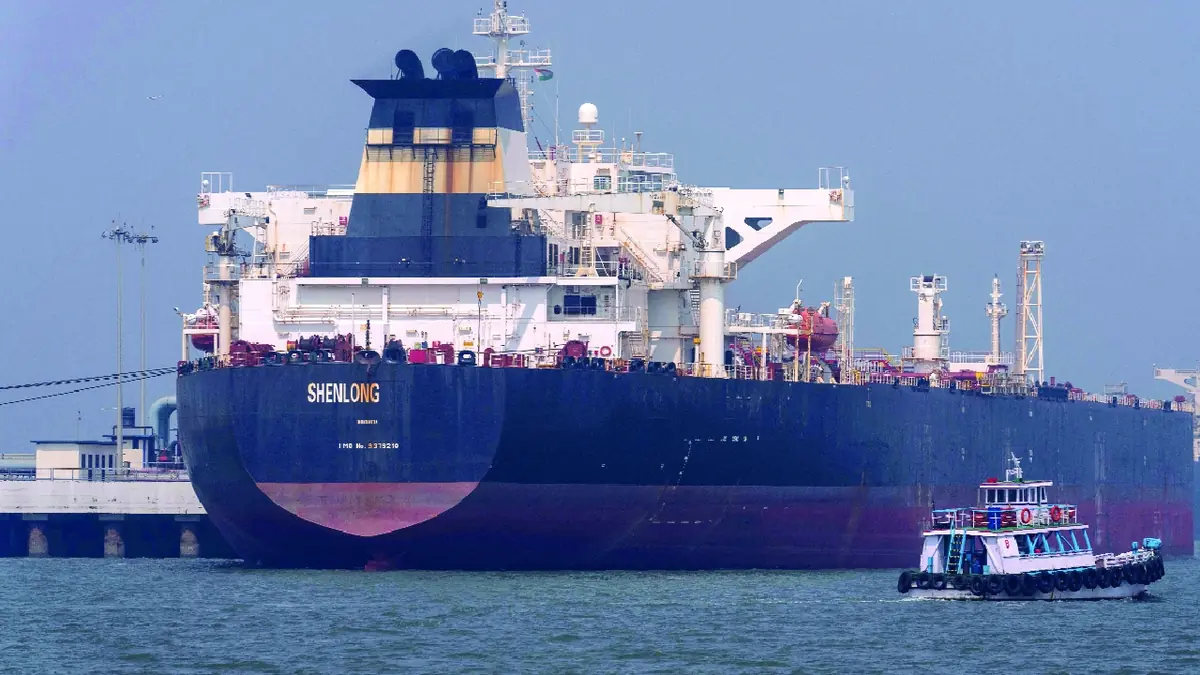
One of the most sensitive flashpoints is the Strait of Hormuz, a vital chokepoint for global oil shipments, which Iran has, at times, threatened to close in response to sanctions or military pressure. Any disruption here would have immediate and severe global economic repercussions. Furthermore, frequent maritime incidents in the Persian Gulf, including attacks on tankers and seizures of vessels, underscore the precarious security situation in these critical waterways.
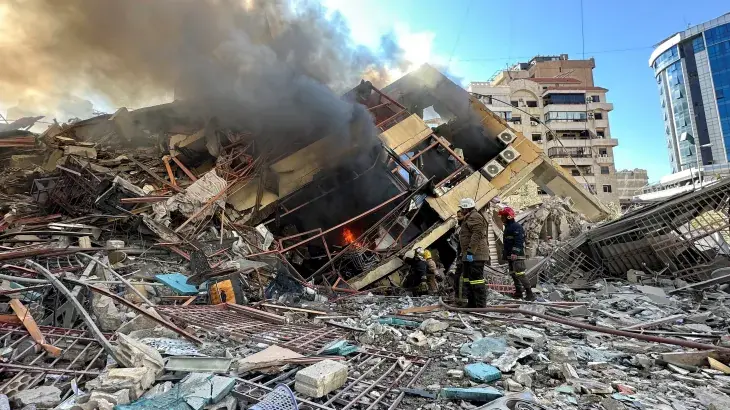
Israel's ongoing campaign against Iranian targets and proxies in Syria, often involving airstrikes, represents another dimension of the shadow war. These operations are aimed at preventing Iran from establishing a permanent military presence close to Israel's borders and hindering the transfer of advanced weaponry to Hezbollah. The regular escalation of rhetoric between Israeli and Iranian officials reflects the high stakes involved in these confrontations. The USA's military presence in the Middle East, including its naval forces in the Persian Gulf and airbases in allied countries, serves as a deterrent but also as a potential trigger point in any wider conflict, a situation often highlighted in discussions about Iran-USA war updates and regional stability.
The nuclear issue, though somewhat mitigated by the Joint Comprehensive Plan of Action (JCPOA) at one point, has resurfaced as a significant concern. Following the USA's withdrawal from the agreement in 2018, Iran has progressively scaled back its commitments, leading to fears about its enrichment levels and potential breakout capabilities. This has intensified calls from Israel and some Gulf states for stronger international action and has put immense pressure on diplomatic efforts.
Key Players and Their Interests in the Regional Stand-off
Each major actor in this complex equation—Iran, the United States, Israel, and various Middle Eastern states, primarily Saudi Arabia—possesses distinct national interests and security imperatives that drive their actions.
Iran seeks to assert its regional influence, secure its borders, and maintain its revolutionary ideology. Its support for proxy groups is viewed as a cost-effective way to deter larger adversaries and project power without direct military confrontation. Iran also aims to alleviate the economic pressure from international sanctions, which have crippled its economy and fueled domestic discontent.
The United States aims to prevent nuclear proliferation, ensure the free flow of oil, protect its allies (including Israel and Saudi Arabia), and counter what it perceives as Iranian malign activities that destabilize the region. Its military presence and diplomatic efforts are geared towards maintaining a balance of power favorable to its strategic interests and those of its partners.
Israel regards Iran as its most significant existential threat, citing Iran's nuclear program, its ballistic missile capabilities, and its support for hostile proxy groups on Israel's borders. Israel's primary interest is to neutralize these threats, often through proactive military action and robust diplomatic pressure on the international community to contain Iran.
Saudi Arabia and other Gulf Cooperation Council (GCC) states perceive Iran as a direct competitor for regional hegemony and a destabilizing force due to its sectarian policies and support for non-state actors. Their interests lie in containing Iranian expansionism, ensuring the security of vital shipping lanes, and maintaining their own national sovereignty and regional standing.
The interplay of these often-conflicting interests creates a highly volatile environment where miscalculation or accidental escalation could have catastrophic consequences. Each player's actions are often a reaction to perceived threats or opportunities presented by the others, creating a dangerous feedback loop of tension and counter-tension.
Expert Opinions on the Prospect of Escalation
Analysts and policymakers consistently grapple with the delicate balance of deterrence and de-escalation in the Middle East. Many experts agree that while all parties generally wish to avoid a full-scale direct conflict, the risk of accidental escalation remains high due to the numerous flashpoints and the density of military assets in the region. According to geopolitical observers, the "grey zone" conflict, involving cyber-attacks, proxy warfare, and targeted strikes, is likely to continue as a primary mode of engagement. However, the potential for these limited engagements to spiral out of control is a constant concern.
Some experts suggest that a direct military confrontation would be too costly for all involved, leading to severe economic disruption, massive casualties, and widespread regional destabilization that no party truly desires. They argue that the current state of calculated deterrence, where each side tests the other's resolve without crossing red lines, is a grim but stable equilibrium. Others are more pessimistic, highlighting the ideological fervor of some actors and the increasing sophistication of weaponry, which could shorten decision-making times and increase the likelihood of rapid escalation once hostilities commence.
There is also a consensus that diplomatic solutions, while challenging, remain the most viable path to long-term stability. However, the deep mistrust, coupled with domestic political pressures in each country, makes comprehensive negotiations exceedingly difficult. Many point to the need for a renewed focus on regional security dialogues that include all major stakeholders, even if direct engagement between adversaries remains politically unfeasible in the short term. The role of international mediators is seen as increasingly vital in preventing the region from descending into a broader, devastating conflict.
Impact and Future Implications of Regional Tensions
The ongoing tensions have profound and far-reaching impacts across multiple dimensions, affecting not only the immediate region but also the global community. Economically, the Middle East is critical for global energy supplies. Any major disruption, particularly concerning the Strait of Hormuz, could send oil prices skyrocketing, triggering a global economic downturn. The constant threat of conflict also deters foreign investment, hindering economic development in countries already grappling with internal challenges.
Humanitarian consequences are equally severe. Proxy wars in Yemen, Syria, and Iraq, fueled in part by the broader regional rivalry, have resulted in millions of displaced persons, widespread food insecurity, and immense human suffering. A larger conflict would exponentially increase these figures, creating a humanitarian catastrophe of unprecedented scale. The displacement of populations would also place immense pressure on neighboring countries and international aid organizations.
Environmentally, any large-scale conflict involving oil infrastructure or naval engagements could lead to massive ecological damage in the Persian Gulf and surrounding areas, impacting marine life and coastal communities for decades. The environmental toll of warfare, often overlooked, is a significant long-term consequence.
Looking ahead, the future implications are complex and uncertain. The proliferation of advanced weaponry, including drones and ballistic missiles, increases the destructive potential of any future conflict. The role of non-state actors, often operating with varying degrees of autonomy, adds another layer of unpredictability. Unless significant diplomatic breakthroughs occur, the region appears poised for continued cycles of tension and limited confrontation. The international community faces the challenge of encouraging dialogue, upholding international law, and working towards de-escalation, even as national interests diverge sharply. A concerted effort to address the underlying grievances and security concerns of all parties will be essential to charting a path away from the brink.
Conclusion: Navigating the Perilous Landscape of Conflict
The dynamics surrounding Iran vs middleeast,usa,israel war concerns represent one of the most persistent and dangerous geopolitical challenges of our time. The interplay of historical animosities, ideological divides, strategic competition, and the constant threat of proxy conflicts creates a highly volatile environment. While a full-scale direct war has been largely avoided due to the catastrophic costs it would entail for all involved, the risk of miscalculation, accidental escalation, or a deliberate but limited confrontation spiraling out of control remains a critical concern for regional and global stability. The intricate web of alliances and antagonisms demands continuous vigilance from international actors and a sustained commitment to diplomatic engagement. Navigating this perilous landscape requires a nuanced understanding of each player's motivations, a robust framework for de-escalation, and a long-term vision for fostering regional security that prioritizes dialogue over division. The future of the Middle East, and indeed broader global security, hinges on the careful management of these entrenched rivalries.
Frequently Asked Questions
Q: What are the primary drivers of tension between Iran and its adversaries?
A: The tensions are primarily driven by Iran's nuclear program, its ballistic missile development, support for regional proxy groups (like Hezbollah and Houthi rebels), and its revolutionary ideology. Conversely, the US, Israel, and Saudi Arabia view these actions as destabilizing and a direct threat to their security and regional interests.
Q: What is the "Axis of Resistance" and how does it relate to Iran's strategy?
A: The "Axis of Resistance" refers to a network of state and non-state actors supported by Iran, including groups like Hezbollah in Lebanon, various Shia militias in Iraq, and the Houthis in Yemen. Iran leverages this network to project influence across the Middle East, deter perceived external threats, and challenge the regional dominance of its adversaries without direct military confrontation.
Q: What are the potential global impacts if tensions escalate into a wider conflict?
A: A wider conflict would have severe global repercussions, including significant disruptions to global oil supplies, leading to soaring prices and economic instability worldwide. It would also trigger a massive humanitarian crisis with millions more displaced, and potentially lead to widespread ecological damage, particularly in the Persian Gulf region.