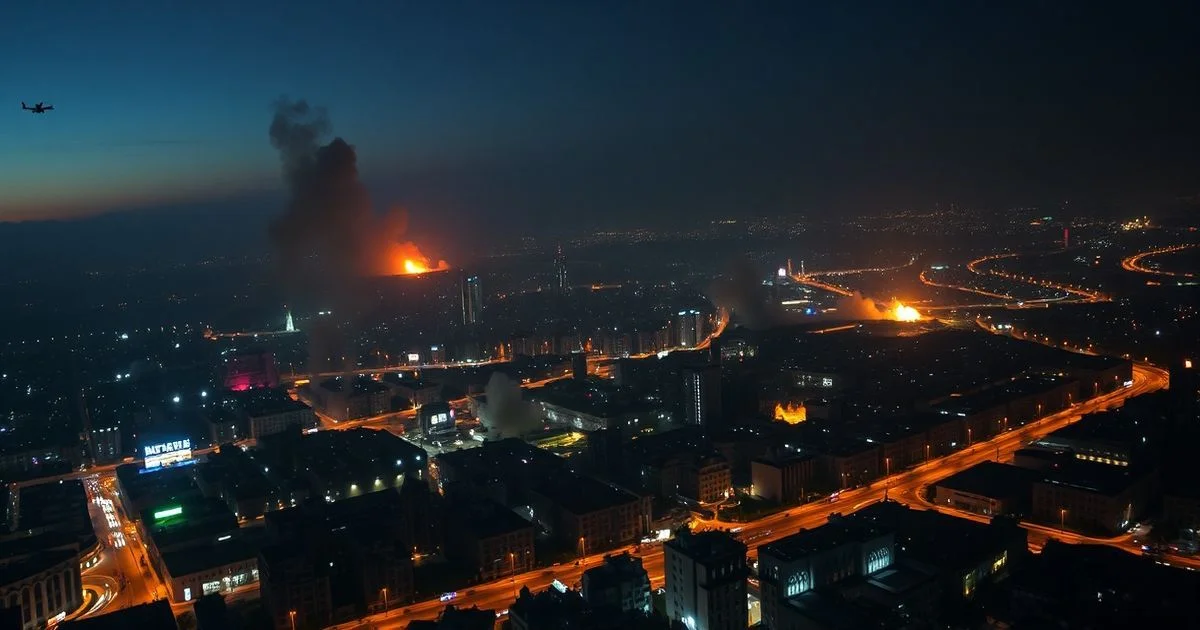
Indonesia Adopts Friday WFH for Energy Efficiency: A National Shift
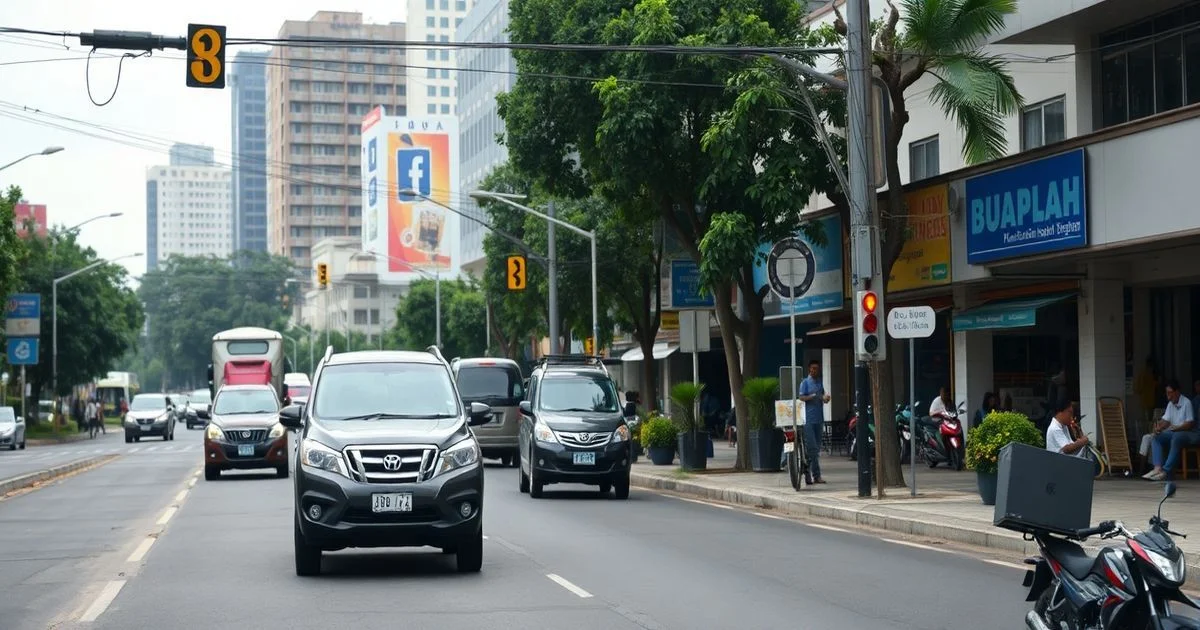
The Indonesian government has officially announced a new, transformative policy, where Indonesia Adopts Friday WFH for Energy Efficiency, initiating a nationwide shift for civil servants. Effective April 1, 2026, this strategic decision aims to bolster national resilience and energy conservation amidst complex global dynamics and rising oil prices. The move is designed to reduce fuel consumption, alleviate traffic congestion, and promote a more flexible work culture. Coordinating Minister for Economic Affairs Airlangga Hartarto highlighted this policy as an adaptive measure to navigate current geopolitical challenges, emphasizing efficiency and a shift in activity patterns.
- Indonesia Adopts Friday WFH for Energy Efficiency: Policy Background
- Key Directives and Implementation Details
- Expert Opinions and Business Sector Concerns
- Global Context of Remote Work for Sustainability
- Beyond WFH: Indonesia's Broader Energy Transition Goals
- Frequently Asked Questions
- Further Reading & Resources
Indonesia Adopts Friday WFH for Energy Efficiency: Policy Background
Indonesia's decision to implement a Friday work-from-home (WFH) policy is a direct response to a confluence of global and domestic pressures. The ongoing Middle East conflict has significantly impacted global crude oil prices, pushing them above the critical $100 per barrel threshold. As a net oil importer, Indonesia faces an increasingly precarious fiscal and financial situation, necessitating urgent measures to reduce its dependence on imported fuel and strengthen fiscal resilience. The government's state budget for 2026 is already under strain, with significant spending allocated to new programs and substantial debt servicing obligations, making energy subsidies a vulnerable component targeted for reduction. This policy is thus a critical component of broader fiscal prudence.
Beyond immediate fiscal concerns, the policy aligns with broader governmental efforts to promote energy conservation and sustainable practices. State Secretary Minister Prasetyo Hadi emphasized that the current global situation demands all nations, including Indonesia, to adapt to efficiency measures and evolving activity patterns. This momentum provides an opportunity to streamline work methods, mobility, and daily energy consumption across all sectors of society. Discussions around a one-day WFH scheme to cut fuel consumption had been ongoing for months, with the government exploring various options to manage energy demand and mitigate the impact of external shocks. The policy is also envisioned as part of a larger effort to transform work culture and lifestyle, enhancing national readiness for future geopolitical challenges, including those requiring swift adaptations as seen in the recent geopolitical escalations involving major global players.
Key Directives and Implementation Details
The core of the new policy mandates that civil servants (ASN) across both central and regional government institutions will work from home every Friday. This arrangement, which officially commenced on April 1, 2026, will undergo an initial evaluation period of two months to assess its effectiveness and make any necessary adjustments. Coordinating Minister for Economic Affairs, Airlangga Hartarto, confirmed that the policy is regulated through circular letters issued by the Ministry of Administrative and Bureaucratic Reform (MenpanRB) and the Ministry of Home Affairs, providing a clear legal framework for its implementation.
Crucially, the government has identified several sectors as exempt from this mandatory WFH arrangement to ensure the uninterrupted delivery of essential services. These exemptions primarily cover public service sectors such as healthcare, security, and sanitation. First responders, medical personnel, and critical infrastructure operators will continue their on-site duties to maintain public safety and well-being. Additionally, strategic sectors including industry, energy, water, basic commodities, food and beverages, trade, transportation, logistics, and finance will continue normal on-site operations. This selective implementation aims to balance energy saving goals with the critical need for operational continuity in vital areas, minimizing disruption to essential economic functions and daily life. Education, particularly primary and secondary schools, will also continue face-to-face learning five days a week, with higher education institutions having flexible arrangements for senior students.
Beyond the WFH mandate for civil servants, the Indonesian government is actively encouraging the private sector to adopt similar remote work arrangements. Guidelines for this will be outlined in a circular from the Ministry of Manpower, taking into account the specific characteristics and needs of each industry. This initiative seeks to foster a broader, nationwide effort towards energy efficiency, creating a ripple effect across the economy. Furthermore, the government is implementing supplementary measures to enhance mobility efficiency. This includes limiting the use of official vehicles by 50 percent, with exceptions for operational purposes and electric vehicles to promote greener alternatives. Domestic official travel is also being cut by up to 50 percent, and international official travel by 70 percent, further demonstrating a comprehensive approach to reducing energy consumption and optimizing state spending.
Anticipated Economic and Environmental Benefits
The primary driver behind the Friday WFH policy is the expectation of significant energy savings and broader environmental advantages. The government estimates that this measure could lead to direct savings in the state budget of approximately Rp 6.2 trillion (around $365.5 million) in fuel compensation alone. This saving stems from reduced commuting by civil servants and lower energy consumption in government offices, which typically operate with extensive air conditioning and lighting systems. More broadly, the policy projects a potential reduction in public fuel expenditure by an impressive Rp 59 trillion (roughly $3.5 billion), reflecting a substantial decrease in overall mobility and associated fuel use across the nation. This could significantly ease the fiscal burden of energy subsidies.
The benefits are not solely economic. Reduced vehicular traffic on Fridays is expected to alleviate severe urban congestion, particularly in major cities like Jakarta, where congestion costs are estimated to reach Rp 100 trillion annually, impacting productivity and quality of life. A decrease in traffic naturally leads to improved air quality and a reduction in carbon emissions, contributing positively to public health and the environment. Minister Prasetyo Hadi also noted that such steps would improve public health and fitness by encouraging less sedentary lifestyles, potentially through alternative commutes like cycling, which some regional governments already promote as part of urban planning initiatives. Moreover, the reduced demand for fossil fuels could also stabilize local energy prices, benefiting consumers and businesses alike.
However, the effectiveness of these savings requires careful consideration and ongoing monitoring. Experts have noted that while commuting fuel consumption decreases, household energy consumption for electricity and cooling tends to increase as people work from home for extended periods. This potential shift in energy use means that the net savings might be less substantial if not carefully managed through public awareness campaigns on efficient home energy use. Some analysts also point out that fuel consumption in Indonesia tends to be inelastic, meaning individuals might redirect fuel usage to other activities unless stricter restrictions or incentives for fuel-efficient alternatives are in place. The challenge lies in ensuring that office energy savings outweigh any increases in residential energy use and that the policy genuinely reduces overall energy demand rather than merely transferring the burden or leading to unintended consumption patterns.
Expert Opinions and Business Sector Concerns
The announcement of Indonesia Adopts Friday WFH for Energy Efficiency has been met with a mix of optimism from government officials and cautious concerns from experts and the business community. Coordinating Minister for Economic Affairs Airlangga Hartarto, along with State Secretary Minister Prasetyo Hadi, has consistently framed the policy as an "adaptive and preventive measure" crucial for responding to global dynamics and ensuring national economic stability. Finance Minister Purbaya Yudhi Sadewa echoed this sentiment, expressing optimism that the one-day remote work policy would not disrupt the economy and could efficiently cut energy consumption if strategically applied, citing Fridays as an ideal choice due to typically lower business activity.
However, not all opinions are uniformly positive. Managing Director of the Energy Shift Institute, Putra Adhiguna, questioned the government's optimistic projection of a 20 percent fuel savings. He argued that this claim might be too high, recalling that even during the stringent mobility restrictions of the COVID-19 pandemic, fuel consumption dropped by no more than 15 percent. Adhiguna emphasized the need for the government to recalibrate its energy-saving scenarios, suggesting that inaccurate implementation could minimize the expected benefits. Furthermore, economic lecturers like Achmad Nur Hidayat from UPN Veteran Jakarta pointed out that while commuter fuel consumption might decrease, household energy consumption would likely increase, potentially negating some of the savings. There is also a concern that employees might use Friday WFH as an opportunity for a "long weekend" at tourist destinations, which could paradoxically increase fuel consumption, especially if they travel longer distances.
The business community, particularly through the Indonesian Employers Association (Apindo), has urged caution. Apindo Chairwoman Shinta Kamdani expressed concerns regarding potential productivity declines and emphasized that a blanket approach might disrupt operations across key sectors. She highlighted that manufacturing and other sectors requiring physical attendance cannot easily adopt WFH and called for a thorough assessment and a clear policy framework, along with structured dialogue between the government and industry players. The aim is to ensure that energy-saving goals do not compromise economic activity or operational stability, especially for industries that are critical for export and domestic production.
In response to these concerns, a member of Commission II of the Indonesian House of Representatives, Indrajaya, stressed the importance of strict supervision to ensure the policy achieves its intended goals of efficiency and performance enhancement. He urged that civil servants genuinely carry out their duties from home and proposed measures like mandatory active communication devices and geolocation monitoring to maintain discipline and accountability. The government has stated it conducted in-depth studies prior to implementing the policy and will conduct periodic evaluations to fine-tune the regulations and address unforeseen challenges.
Global Context of Remote Work for Sustainability
Indonesia's adoption of a Friday WFH policy for energy efficiency is not an isolated phenomenon but rather reflects a growing global consideration of remote work's potential for environmental benefits. The COVID-19 pandemic spurred a massive, involuntary experiment in remote work, which, while driven by health crises, highlighted its potential to reduce carbon footprints. Many companies worldwide, including tech giants, have since maintained flexible or hybrid work models. For best practices in managing remote team workflows in tech, numerous resources have emerged.
Studies from various regions have explored the environmental impact of WFH. For instance, research on U.S. cities indicates that increased WFH rates have led to reductions in electricity and gas consumption, overall carbon footprints, and improvements in air quality. Baltimore, MD, notably reduced its carbon footprint by almost 27% since 2019 with an almost 200% increase in WFH. Boston, MA, saw WFH grow by over 370%, leading to a 10% cut in its carbon footprint and nearly 4% savings in electricity consumption per capita. These examples provide empirical evidence of the potential benefits.
The International Energy Agency (IEA) analyzed that working from home for just one day a week could save about 1% of global oil consumption for road passenger transport annually. This could lead to an overall decline of 24 million tonnes of CO2 emissions annually, equivalent to most of Greater London's yearly CO2 emissions. The IEA analysis also suggested that for people with car commutes longer than about 6 kilometers, working from home is likely to reduce their carbon dioxide footprint due to substantial reductions in vehicle miles traveled. However, for shorter commutes or those primarily reliant on public transport, WFH could potentially increase CO2 emissions due to higher residential energy consumption for heating, cooling, and powering devices. This underscores the nuanced impact of remote work and the importance of contextual factors, such as the efficiency of home energy use, the nature of daily commutes, and the regional energy mix.
Other nations in the region are also grappling with similar energy challenges. The Philippines, for example, has urged private sector employers to offer flexible work options like shorter workweeks or remote work to address its fuel crisis, demonstrating a regional trend towards adaptive work policies in response to energy volatility. These global examples provide valuable insights and benchmarks for Indonesia as it navigates the long-term implications of its new policy.
Balancing Efficiency with Operational Continuity
Implementing a nationwide WFH policy, even for a single day a week, presents inherent challenges, especially concerning the balance between achieving energy efficiency and maintaining operational continuity. The government has already addressed this by exempting critical public services and strategic sectors. However, ensuring that these exemptions do not undermine the overall goals requires continuous vigilance and robust oversight mechanisms. A breakdown in communication or service delivery in critical areas could erode public trust and negate the policy's positive impact.
A significant concern highlighted by experts is the potential for reduced productivity if the WFH environment is not adequately supported or monitored. Indrajaya of the DPR emphasized that without strict supervision, civil servants might not genuinely carry out their duties, potentially using the day for non-work activities. This "long weekend" phenomenon could diminish the intended fuel savings and lead to a perception of the policy as merely a perk rather than a strategic imperative. Furthermore, issues such as reliable internet access in rural areas or the availability of suitable home office setups could create disparities in productivity and employee experience.
To counter these challenges, robust digital infrastructure and clear performance metrics are essential. Government agencies must ensure that employees working from home have reliable internet access, necessary tools (like secure VPNs and collaborative software), and a structured work environment that fosters productivity. Additionally, transparent communication, regular check-ins, and a strong accountability framework are vital to mitigate potential abuses and maintain public trust. The government's plan for a two-month evaluation period is crucial for identifying initial hurdles and implementing corrective measures, such as providing subsidies for internet access or offering ergonomic guidance for home setups, to optimize the policy's effectiveness and ensure equitable implementation.
Beyond WFH: Indonesia's Broader Energy Transition Goals
The Friday WFH policy, while significant, is part of a larger, ambitious strategy by Indonesia to enhance energy security, foster sustainability, and achieve its long-term development goals. The nation is committed to a comprehensive energy transition, aiming for Net-Zero Emissions by 2060 and aligning with its "Golden Indonesia 2045" vision to become an advanced country. This holistic approach recognizes that energy efficiency alone is insufficient without fundamental shifts in energy production and consumption.
Indonesia has several other key initiatives underway to achieve these targets:
- Biodiesel Program: Starting July 1, 2026, the government will implement the B50 biodiesel policy. This initiative is expected to significantly reduce fossil fuel use by around 4 million kiloliters annually, with an estimated economic value of Rp 48 trillion. This demonstrates a strong commitment to increasing the share of renewable energy in its transportation sector, reducing reliance on crude oil imports, and supporting the domestic palm oil industry.
- National Electricity Plan (RUKN): Indonesia's National Electricity Plan 2024-2060 outlines a strategy to align electricity supply and demand with an 8% economic growth target from 2027 onwards. The plan aims to deploy 75.6 GW of renewables by 2035 and targets 75 GW of new renewable energy capacity by 2040, alongside phasing out fossil fuel power generation. This involves significant investment in geothermal, hydro, solar, and wind energy.
- Sustainable Energy Initiatives: The country actively participates in and hosts events like Indonesia Sustainable Energy Week (ISEW), fostering collaboration between government, private sectors, and international partners to accelerate the energy transition. These platforms focus on renewable energy integration, energy efficiency, sustainable finance mechanisms, and ensuring a just energy transition that benefits all segments of society, particularly those in remote areas.
- Local Content Requirements: Reforms in 2024 introduced pivotal reforms to harmonize industrial and energy policies, balancing the promotion of domestic products and industries with attracting foreign investment for critical infrastructure, particularly in power sector projects. This ensures that the energy transition also contributes to local economic development and job creation.
These initiatives underscore that the WFH policy is not an isolated measure but an integral component of Indonesia's multi-pronged approach to energy efficiency and environmental stewardship. By combining behavioral changes like remote work with structural reforms in energy production and consumption, Indonesia aims to build a more sustainable, inclusive, and greener energy system. The focus is on leveraging various tools—from policy mandates and public awareness campaigns to technological advancements and international partnerships—to drive meaningful change and secure a resilient energy future for its growing population.
Frequently Asked Questions
Q: What is Indonesia's new WFH policy?
A: Indonesia has implemented a Friday work-from-home policy for all civil servants across central and regional government institutions. This policy officially commenced on April 1, 2026, and is subject to a two-month evaluation period.
Q: Why did Indonesia adopt this policy?
A: The policy was adopted primarily to boost energy efficiency and national resilience. It aims to reduce fuel consumption, alleviate urban traffic congestion, and cut state budget spending on energy subsidies amidst rising global oil prices and complex geopolitical challenges.
Q: Which sectors are exempt from the Friday WFH policy?
A: Essential public service sectors such as healthcare, security, and sanitation, along with strategic sectors like industry, energy, water, basic commodities, food and beverages, trade, transportation, logistics, and finance, are exempt to ensure critical operations continue uninterrupted.
Further Reading & Resources
- Government to implement one-day WFH for civil servants to cut fuel consumption
- Remote Work Can Significantly Cut Energy Consumption, Says IEA
- Indonesia pushes for energy efficiency amid rising global oil prices
- Indonesia's Path to Net-Zero Emissions by 2060
- Jakarta traffic congestion costs hit Rp100 trillion annually