The Mother of All Cricket Battles: India vs Pakistan
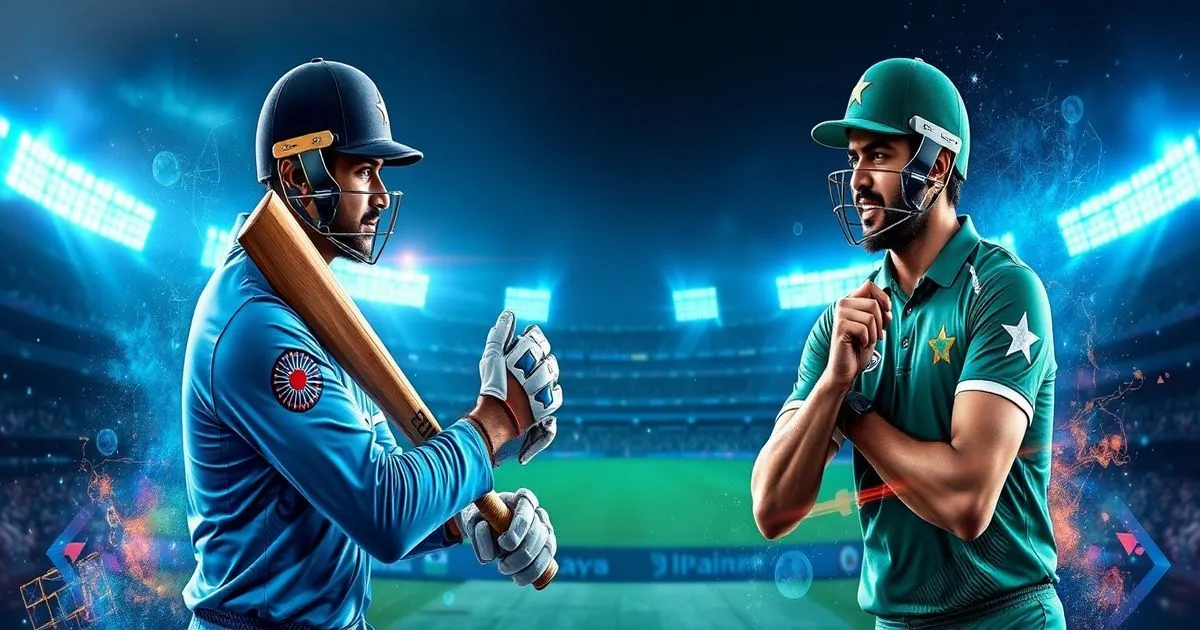
Few sporting rivalries ignite passion quite like an India-Pakistan cricket match. When these two cricketing giants face off, especially on the grand stage of the ICC T20 World Cup, the world stops. It's more than just a game; it's a spectacle steeped in history, emotion, and national pride, consistently drawing record-breaking viewership and unparalleled excitement.
And the latest chapter? Just last evening, on February 15, 2026, India extended its dominant run against Pakistan in the T20 World Cup, securing a comprehensive 61-run victory in Colombo.
A Rivalry Forged in Fire
The India-Pakistan rivalry began dramatically in the inaugural T20 World Cup in 2007, where they met twice. The first encounter ended in a tie, decided by a thrilling bowl-out that India won. They clashed again in the final, with India clinching the trophy in a nail-biting finish. Since then, every fixture has carried immense weight, creating unforgettable moments that cricket fans replay for years.
The sheer intensity of these matches transforms players into gladiators and stadiums into coliseums of sound. From Virat Kohli's masterclasses to unexpected bowling spells, these encounters are where legends are made and hearts are broken.
India's Dominance on the T20 World Cup Stage
While the broader historical head-to-head in cricket across formats might show a more balanced picture, particularly in Tests and ODIs from earlier eras, the T20 World Cup narrative tells a story of significant Indian superiority. In the T20 World Cup, India has largely dominated the rivalry. Prior to the 2026 encounter, India had secured seven wins against Pakistan's solitary victory, with one match ending in a tie before India won the bowl-out.
The recent match in Colombo marked India's eighth win over Pakistan in T20 World Cup history, further cementing their dominance in this format on the global stage.
The Latest Chapter: India's Resounding Victory (2026)
The recent ICC T20 World Cup 2026 clash saw India deliver a commanding performance against their arch-rivals. Chasing a target of 176, Pakistan's innings never truly gained momentum, ultimately collapsing to 114 all out in just 18 overs. India's bowlers, including Hardik Pandya, Jasprit Bumrah, Axar Patel, and Varun Chakaravarthy, each picked up two wickets, stifling Pakistan's chase effectively. This comprehensive 61-run victory underscored India's current prowess and secured their qualification for the Super 8 stage.
Interestingly, Pakistan's bowling strategy included a remarkable 18 overs of spin, equalling a record for the most spin overs delivered in a T20 World Cup innings, a tactic previously employed by them at the same venue in 2012. However, despite this strategic move, they were unable to contain the Indian batting or mount a successful chase.
Is the Rivalry Losing its Edge?
Some analysts and former players have openly discussed whether the India-Pakistan rivalry has lost some of its competitive fire due to India's consistent dominance in ICC tournaments. With India leading 8-1 in T20 World Cups, and a broader 19-4 lead in all ICC events combined, the statistics suggest a one-sided affair in recent decades.
Despite these discussions, the sheer anticipation and emotional investment from fans on both sides ensure that an India-Pakistan match remains the sport's biggest drawcard. Tournament organizers also consistently place these two teams in the same group, acknowledging the unparalleled television ratings and commercial value they generate.
Conclusion
The India-Pakistan clash in the T20 World Cup continues to be a cricketing phenomenon. While India has demonstrably held the upper hand in recent years, especially in World Cup encounters, the tension, the drama, and the fervent support from millions of fans worldwide ensure that every single ball bowled and run scored is imbued with immense significance. The recent 61-run victory for India is another testament to their strength, but the 'Mother of All Battles' will undoubtedly continue to captivate, regardless of the scorecard.