Discover the Soul of India: A Land of Infinite Charms
India, a country often described as a subcontinent, is a breathtaking mosaic of vibrant cultures, profound history, and stunning landscapes. It's a land that awakens all senses, promising a journey unlike any other. From the snow-capped Himalayas to the sun-kissed beaches, India offers an enchanting blend of customs, practices, and traditions passed down through generations.
A Tapestry Woven with Diverse Threads
The unparalleled cultural richness of India, home to nearly 1.5 billion people, is a testament to its historical depth and complexity, making it one of the most culturally diverse nations on the planet.
Linguistic Kaleidoscope
Imagine a country where over 19,500 languages and dialects are spoken! India officially recognizes 22 languages, including Hindi, Bengali, Tamil, Telugu, and Marathi, each a cornerstone of regional identity and pride. This linguistic diversity creates a unique treasure trove of stories and expressions.
A Pantheon of Faiths and Festivals
India is the birthplace of major religions like Hinduism, Buddhism, Jainism, and Sikhism, and is also home to significant populations of Muslims and Christians. This religious pluralism is beautifully reflected in daily life and a calendar bursting with festivals. Diwali, Eid, Christmas, Pongal, and Holi are celebrated with equal enthusiasm, transcending regional and religious boundaries and fostering a profound sense of togetherness.
Culinary Delights
Indian cuisine is globally beloved for its diverse flavors, wide range of dishes, and the masterful use of herbs and spices. In fact, India is the "Spice Powerhouse of the World," producing a staggering 75 out of 109 recognized spice varieties. Staple dishes vary by region, offering an endless adventure for your taste buds, with many regions boasting a rich vegetarian tradition.
Echoes of Ancient Civilizations
The story of India is a journey through time, a living, breathing narrative of resilience and reinvention.
The Dawn of History
Long before many other ancient civilizations, the Indus Valley Civilization (c. 2600–1900 BCE) flourished with well-planned cities like Harappa and Mohenjo-Daro, demonstrating advanced urban planning and a peaceful society. The Vedic period (c. 1500–500 BCE) then laid the philosophical and spiritual foundations that continue to influence Indian society, including the birth of Hinduism and concepts like karma and dharma.
Empires of Grandeur
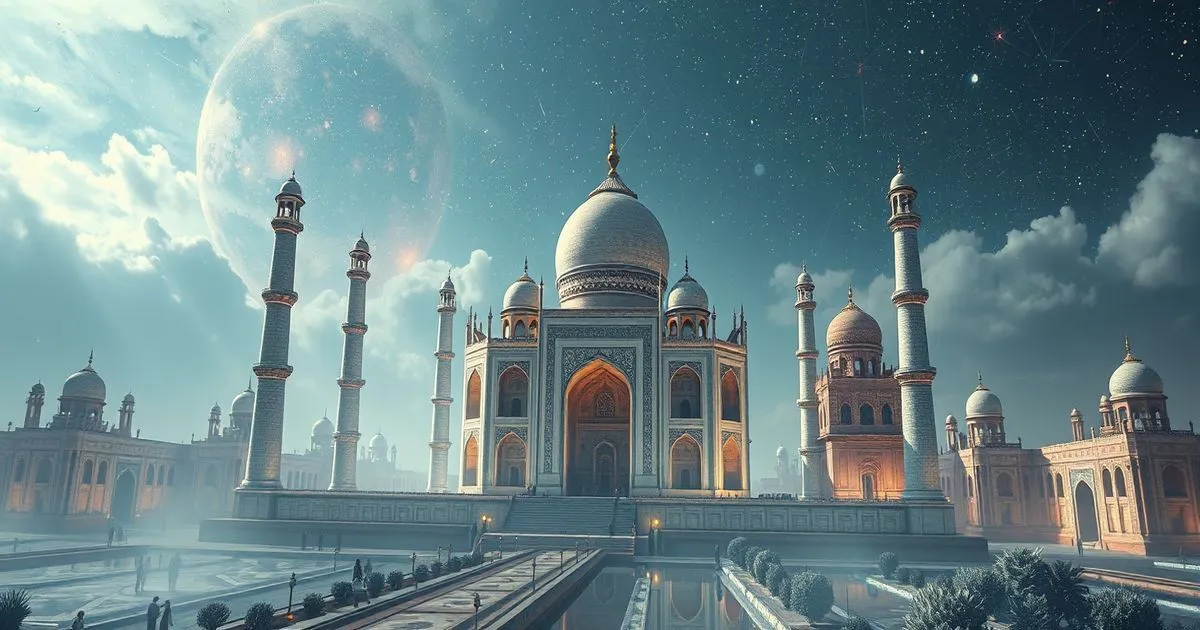
Throughout its history, India saw the rise and fall of magnificent empires. The Mauryan Empire (322-185 BCE) was India's largest, unifying the subcontinent and fostering trade and art. Later, the Mughal Empire (1526–1857) introduced Persian influences, leaving behind architectural wonders like the Taj Mahal, which stands as one of the New Seven Wonders of the World.
India Today: A Global Powerhouse
Modern India is a dynamic nation, a thriving democracy that embraces its ancient heritage while looking firmly towards the future. As of September 2025, India is the most populous country in the world, with approximately 1.465 billion people, a demographic reality that underscores its growing global influence. Its economy is growing rapidly, making it one of the world's leading markets.
Bollywood, India's prolific film industry centered in Mumbai, is the largest producer of films globally, captivating audiences not just domestically but across the world.
Unforgettable Journeys: India's Tourism Appeal
India's tourism sector is experiencing a remarkable recovery, significantly driven by a burgeoning domestic travel market. In 2023, tourism's contribution to India's GDP surpassed 2019 levels by 10%, reaching INR 19.13 trillion. This growth is set to continue, with projections of a record-setting INR 22 trillion in 2025.
Cultural Heritage: The Main Attraction
Cultural heritage tourism, encompassing historic cities, monuments, pilgrimage sites, craft traditions, and festivals, is the leading driver of India's heritage tourism market, accounting for over 56% of its total revenue. Travelers today seek immersion, context, and authenticity, and India, with its layered civilizations and living traditions, is uniquely positioned to deliver. From the sacred Ganges River and the ancient city of Varanasi to the majestic Red Fort in Delhi and the "Pink City" of Jaipur, India boasts 43 UNESCO World Heritage Sites, more than any Asian nation except China.
Nature's Grandeur
Beyond its cultural wonders, India is a paradise for nature lovers. It is the "Bengal tiger capital of the world," home to 60% of the wild tiger population, with numbers having more than doubled since 2006 to approximately 3,600 at the start of 2025. The country's geography spans everything from the world's highest mountains to dense jungles and stunning beaches, ensuring endless exploration.
Conclusion: Experience the Magic of India
India is more than just a destination; it's an experience that leaves an indelible mark on your soul. It's a land where ancient wisdom harmoniously blends with modern aspirations, where every corner tells a story, and every interaction leaves you enriched. Whether you seek spiritual enlightenment, historical marvels, culinary adventures, or breathtaking natural beauty, India welcomes you with open arms to discover its incredible, vibrant symphony of wonders.
Further Reading & Resources
- Indus Valley Civilization: For deeper understanding of one of the world's earliest major urban cultures.
- UNESCO World Heritage Sites in India: Explore the official list of India's 43 cultural and natural treasures.
- Languages of India: An overview of the vast linguistic diversity, including the 22 official languages.
- Tiger Conservation in India: Learn about the efforts to protect the Bengal tiger population through the National Tiger Conservation Authority.
- India's Demographics and Economic Overview: For current statistics and detailed reports on India's population and economic growth.