The Impact of Traditional Festivals on Modern Society: A Deep Dive
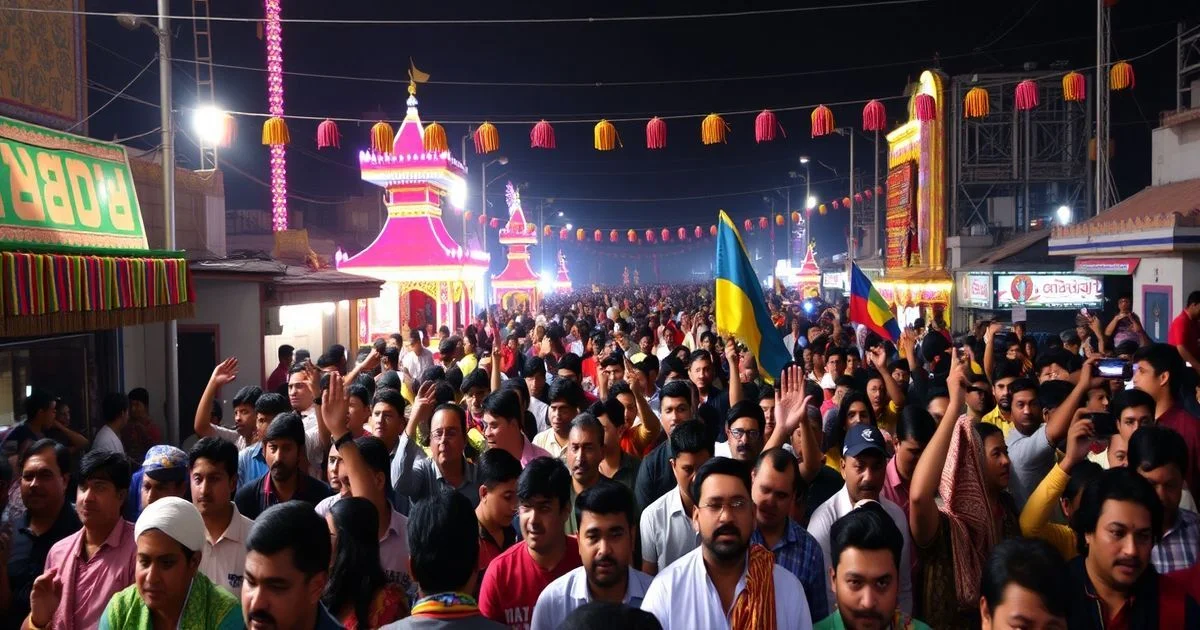
In an increasingly digitized and globalized world, the enduring power of traditional festivals stands as a testament to humanity's need for connection, meaning, and celebration. These cultural touchstones, often rooted in ancient rituals, religious observances, or seasonal cycles, continue to shape our communities in profound ways. From bustling city squares to serene rural hamlets, the collective energy unleashed during these events offers a unique lens through which to understand the complex interplay between heritage and progress. This article embarks on a deep dive into The Impact of Traditional Festivals on Modern Society, exploring how these time-honored practices persist, adapt, and continually redefine our social fabric, economic landscapes, and individual identities, even amidst rapid technological advancements. Just as modern governance grapples with these shifts, understanding how communities adapt is crucial, as explored in discussions around Navigating AI: New Rules for Workplace & Governance Emerging Globally.
- Defining Traditional Festivals in a Contemporary Context
- The Multifaceted Impact of Traditional Festivals on Modern Society
- Navigating Modern Challenges and Adaptations
- Case Studies: Traditional Festivals in the Modern World
- Leveraging Festivals for Future Progress
- The Future of Traditional Festivals
- Frequently Asked Questions
- Further Reading & Resources
Defining Traditional Festivals in a Contemporary Context
Before dissecting their impact, it's crucial to establish a common understanding of what constitutes a "traditional festival" in our modern era. These are not merely public holidays; they are structured, recurring events imbued with deep cultural significance, often involving specific rituals, narratives, performances, and communal gatherings. Their origins can be diverse, ranging from agrarian cycles marking harvests and planting, to religious commemorations, historical events, or rites of passage. What unites them is their ability to transcend individual experience, fostering a collective identity and reinforcing shared values.
The Enduring Core of Tradition
At their core, traditional festivals serve as vital conduits for cultural memory. They are living museums, where ancient stories are retold, traditional crafts are practiced, and ancestral music and dances are performed. This continuity provides a sense of belonging and historical rootedness in an age often criticized for its fleeting trends and atomized social structures. Think of the elaborate masked dances of certain African tribes or the intricate lantern processions during East Asian Moon Festivals; these are not static relics but dynamic expressions of cultural heritage, evolving subtly while retaining their essential spirit.
Distinguishing Festivals from Modern Events
While modern society thrives on concerts, sporting events, and commercialized celebrations, traditional festivals possess distinct characteristics. They are typically:
- Community-driven: Often organized and sustained by local communities, reflecting their specific traditions and beliefs.
- Ritualistic: Involve specific, often symbolic, actions or ceremonies passed down through generations.
- Generational: Act as intergenerational bridges, where elders transmit knowledge and younger members engage with their heritage.
- Sacred or Symbolic: Carry a deeper meaning beyond mere entertainment, connecting participants to something larger than themselves, be it spiritual, historical, or communal.
Understanding these distinctions is key to appreciating how their influence permeates beyond fleeting enjoyment, leaving lasting imprints on individuals and societies alike.
The Multifaceted Impact of Traditional Festivals on Modern Society
The influence of traditional festivals is not confined to a single domain; it reverberates across social, economic, cultural, psychological, and even political spheres. These events act as powerful societal mechanisms, shaping collective behavior and individual experiences in ways that are both subtle and profound.
Strengthening Social Cohesion and Community Bonds
One of the most apparent benefits of traditional festivals is their capacity to knit together communities. In an era where digital interactions increasingly replace face-to-face encounters, festivals provide essential platforms for physical gathering, shared experiences, and collective effervescence.
- Fostering Belonging: Participating in a shared ritual, singing traditional songs, or preparing festive meals together creates a powerful sense of belonging and solidarity. This shared identity transcends superficial differences, reminding individuals of their common heritage and purpose.
- Bridging Divides: Festivals often bring together people from diverse backgrounds, promoting intergroup understanding and breaking down social barriers. Whether it's a religious festival observed by multiple denominations or a national holiday celebrated by all citizens, these events can foster empathy and mutual respect.
- Revitalizing Public Spaces: Festivals transform ordinary public spaces into vibrant arenas of celebration. Parades, street performances, and communal feasts breathe new life into town squares, parks, and marketplaces, temporarily reclaiming them as sites of shared joy and interaction. This revitalization can have lasting positive effects on urban planning and community engagement.
Economic Catalysts and Local Development
Far from being mere cultural expenditures, traditional festivals are often significant economic engines, especially for local economies. Their ability to attract visitors and stimulate spending can be a crucial lifeline for small businesses and regional development.
- Tourism Revenue: Major festivals like the Carnival in Rio de Janeiro, Oktoberfest in Munich, or Diwali in India draw millions of tourists annually, generating substantial revenue through accommodation, transport, food, souvenirs, and local services.
- Job Creation: From event organizers and performers to vendors, security personnel, and hospitality staff, festivals create both temporary and permanent employment opportunities. This can be particularly impactful in regions with limited alternative employment options.
- Support for Local Artisans and Businesses: Festivals provide invaluable platforms for local artisans to showcase and sell traditional crafts, foods, and cultural products. This directly supports local economies, helps preserve traditional skills, and offers unique experiences to attendees.
- Infrastructure Development: The sustained success of popular festivals can necessitate improvements in local infrastructure, including transportation networks, public facilities, and cultural venues, leading to long-term benefits for residents.
Cultural Preservation and Identity Formation
Perhaps the most intrinsic impact of traditional festivals lies in their role as guardians of cultural heritage and shapers of individual and collective identity. They are dynamic repositories of history, values, and artistic expression.
- Safeguarding Traditions: Festivals are key mechanisms for transmitting cultural knowledge, customs, and art forms from one generation to the next. The rituals, music, dances, costumes, and culinary practices associated with festivals are living traditions that might otherwise fade into obscurity in the face of rapid modernization.
- Reinforcing Identity: For individuals, participating in traditional festivals reinforces a connection to their roots, heritage, and community. This sense of cultural identity is a vital component of self-esteem and belonging, particularly for diasporic communities striving to maintain connections with their ancestral lands. For nations, festivals can serve as powerful symbols of national identity and unity.
- Promoting Artistic Expression: Festivals are often grand stages for traditional performing arts—music, dance, storytelling, and theater. They encourage creativity within established frameworks, ensuring that ancient art forms remain vibrant and relevant while also inspiring new interpretations and contemporary artistic expressions.
Psychological Well-being and Spiritual Renewal
Beyond the tangible, traditional festivals offer profound psychological and spiritual benefits, providing respite from the mundane and opportunities for introspection and renewal.
- Stress Relief and Joy: The festive atmosphere, music, dancing, and communal celebration offer a powerful antidote to the stresses of modern life. They provide an sanctioned period of release and joy, boosting mood and fostering a sense of collective happiness.
- Sense of Meaning and Purpose: Many festivals are imbued with spiritual or philosophical significance, offering participants a chance to reflect on universal themes of life, death, renewal, and their place in the cosmos. This can provide a deep sense of meaning and purpose that is often lacking in the everyday hustle.
- Rite of Passage and Transition: Some festivals mark important life transitions—births, coming-of-age, marriages, or the changing of seasons. These rites of passage provide psychological anchors, helping individuals navigate significant life stages with community support and ritualistic affirmation.
Navigating Modern Challenges and Adaptations
While the core values of traditional festivals remain steadfast, their existence in modern society is not without challenges. They must contend with forces like globalization, commercialization, and the rapid pace of technological change. However, these challenges also often spur ingenious adaptations that ensure their continued relevance.
Commercialization and the Threat to Authenticity
The very economic success of popular festivals can be a double-edged sword. As events grow in popularity and attract commercial sponsors, there's an inherent risk of losing their authentic spirit.
- Brand Integration: Corporate sponsorships can inject much-needed funding, but also lead to brand logos overshadowing traditional motifs, or marketing narratives replacing cultural ones. The pressure to cater to a broad audience, including tourists, can sometimes dilute the local flavor and original intent of the festival.
- Loss of Volunteerism: What were once community-driven events relying on volunteer efforts can become professionalized, shifting away from grassroots participation towards hired event management. This can reduce community ownership and engagement.
- "Museumification": In some cases, efforts to preserve authenticity can lead to festivals becoming rigid, performative spectacles for tourists, rather than organic, evolving community celebrations. The challenge is to find a balance between accessibility and genuine cultural experience.
Digital Transformation and Global Reach
Technology, particularly the internet and social media, has profoundly changed how festivals are experienced, promoted, and preserved.
- Amplified Visibility: Social media platforms allow festivals to reach global audiences, attracting international visitors and fostering a broader appreciation for diverse cultures. Livestreaming and online content creation extend the experience beyond physical attendees, much like the advancements seen in tools discussed in articles about OpenAI Shuts Down Viral Sora AI Video App Amid Strategic Shift.
- Digital Archiving and Education: Digital tools facilitate the archiving of festival traditions, stories, music, and visuals, creating accessible cultural databases for future generations and educational purposes.
- Virtual Participation: During global crises, virtual reality and online platforms have allowed festivals to continue, albeit in adapted forms, demonstrating resilience and innovation in maintaining cultural continuity. This also opens new avenues for participation for those who cannot attend physically.
- E-Commerce for Artisans: The internet provides a global marketplace for artisans whose crafts are featured during festivals, extending their economic reach far beyond the event itself.
Generational Gaps and Maintaining Relevance
Attracting younger generations to traditional festivals is crucial for their long-term survival. Modern youth, often steeped in global pop culture, may find ancient rituals less engaging or relevant.
- Innovation within Tradition: Festivals are adapting by incorporating modern elements, such as contemporary music stages alongside traditional performances, interactive installations, or tech-enhanced experiences that blend old and new. For example, some ancient light festivals now include drone shows.
- Educational Initiatives: Engaging youth through educational programs, workshops, and school visits connected to festival traditions helps foster appreciation and understanding from a young age.
- Youth Leadership: Empowering young people to take leadership roles in organizing and innovating festivals ensures their perspectives are integrated, making the events more appealing to their peers.
Environmental Considerations and Sustainable Practices
As large gatherings, festivals inevitably have an environmental footprint. Modern society's increased awareness of ecological issues is prompting festivals to adopt more sustainable practices.
- Waste Reduction: Implementing comprehensive recycling programs, promoting reusable items, and banning single-use plastics are becoming standard.
- Eco-Friendly Transport: Encouraging public transportation, cycling, and carpooling for attendees helps reduce carbon emissions.
- Local Sourcing: Prioritizing locally sourced food and materials reduces transportation impacts and supports regional economies.
- Energy Efficiency: Utilizing renewable energy sources or energy-efficient lighting and sound systems wherever possible contributes to a greener footprint.
Case Studies: Traditional Festivals in the Modern World
Examining specific examples illustrates how traditional festivals navigate these dynamics and continue to exert influence.
Diwali: The Festival of Lights (India and Global Diaspora)
Diwali, a multi-day Hindu festival symbolizing the victory of light over darkness and good over evil, has exploded in its global reach. Its impact on modern society is multifaceted:
- Economic Boom: Diwali drives significant consumer spending in India and among the diaspora, particularly in gold, clothing, sweets, and home goods. It's a key period for retailers.
- Social Cohesion: Despite being primarily Hindu, Diwali is celebrated by Jains, Sikhs, and some Buddhists, fostering inter-community goodwill. In many urban centers, public displays of lights and fireworks are enjoyed by all residents.
- Cultural Identity Abroad: For Indian diaspora communities worldwide, Diwali is a crucial event for cultural preservation, teaching younger generations about their heritage, language, and customs. It provides a focal point for community gathering in foreign lands.
- Digital Adaptation: Social media is flooded with Diwali greetings, recipes, and decorating ideas. Many families connect virtually with relatives across continents for celebrations.
Carnival: A Global Spectacle (Brazil, Caribbean, Europe)
Carnival, a pre-Lenten celebration characterized by elaborate parades, music, and dance, showcases vibrant adaptations and significant economic muscle.
- Mass Tourism: The Rio Carnival alone attracts millions, generating billions in tourism revenue, bolstering the local economy, and showcasing Brazilian culture to the world.
- Social Catharsis: Historically, Carnival has provided a temporary subversion of social norms, a release valve for societal tensions, offering a space for joyous expression regardless of class or background. This continues today, albeit often intertwined with commercial interests.
- Artistic Innovation: Carnival is a hotbed of creative talent—costume designers, musicians, choreographers—who constantly innovate within traditional forms, blending traditional samba with contemporary influences.
- Digital Footprint: Live broadcasts, social media coverage, and viral videos bring Carnival's spectacle to every corner of the globe, inspiring participation and appreciation.
Oktoberfest: A Blend of Tradition and Global Brand (Germany)
Originating as a royal wedding celebration in Munich, Oktoberfest has evolved into the world's largest beer festival, a potent symbol of Bavarian culture.
- Economic Giant: It directly contributes over a billion euros to the Munich economy annually, creating thousands of temporary jobs and boosting hospitality sectors.
- Cultural Export: Oktoberfest has spawned countless imitations worldwide, becoming a global brand that exports German culture, particularly its beer and culinary traditions, to diverse audiences.
- Maintaining Authenticity: Despite its massive scale and commercial success, organizers strive to maintain traditional elements like Bavarian folk music, traditional dress (Lederhosen and Dirndls), and specific types of beer brewed within Munich city limits, blending global appeal with local authenticity.
- Technological Integration: While rooted in tradition, ticket sales, logistics, crowd management, and digital marketing for Oktoberfest are highly sophisticated, leveraging modern technology to manage a truly colossal event.
Leveraging Festivals for Future Progress
Recognizing the powerful societal levers that traditional festivals represent, modern society can consciously harness their potential to address contemporary challenges and foster progress.
Promoting Cross-Cultural Dialogue and Understanding
In a world often fractured by geopolitical tensions and cultural misunderstandings, festivals offer a unique opportunity for people to engage with and appreciate cultures different from their own. Governments and NGOs can support festivals as platforms for cultural exchange, peace-building, and dispelling stereotypes.
Sustainable Development through Cultural Tourism
By focusing on responsible tourism, festivals can become models for sustainable development. This includes supporting local economies, empowering indigenous communities, preserving natural environments, and ensuring that the benefits of tourism are shared equitably. Certification programs and ethical guidelines can help achieve this.
Education and Skill Preservation
Festivals can be integrated into educational curricula, serving as living classrooms for history, anthropology, arts, and even language. Workshops on traditional crafts, music, and dance can help preserve endangered skills and provide vocational training. Universities and cultural institutions can partner with festival organizers to conduct research and documentation.
Fostering Innovation and Creativity
While rooted in tradition, festivals are not static. Encouraging contemporary artists, designers, and performers to engage with traditional themes and forms can lead to exciting innovations that keep the heritage vibrant and relevant. This blending of old and new can inspire new art forms, technologies, and social movements, reflecting similar pushes for innovation in fields like AI Hardware Race: Nvidia, Apple, AMD Push New Frontiers in Innovation.
The Future of Traditional Festivals
The trajectory of traditional festivals in the 21st century is one of dynamic adaptation and enduring relevance. They are not merely relics of the past but active participants in shaping our future. As society continues its rapid evolution, festivals will likely become even more vital as anchors of identity and community.
We can anticipate a future where festivals increasingly:
- Embrace Hybrid Models: A seamless integration of physical and virtual elements, allowing for broader global participation and richer, more accessible archives. Augmented and virtual reality might enhance traditional experiences, allowing people to explore historical contexts or participate remotely.
- Champion Sustainability: Moving beyond basic recycling to incorporate circular economy principles, regenerative practices, and acting as advocates for environmental stewardship within their communities.
- Become Hubs for Social Innovation: Evolving into platforms not just for celebration, but for addressing social issues, promoting activism, and fostering dialogue on global challenges, leveraging their power to convene diverse groups.
- Reassert Local Authenticity: In response to globalization, there might be a renewed focus on hyper-local traditions, emphasizing unique community stories and resisting homogenization, appealing to a desire for authentic, niche experiences.
- Serve as Mental Well-being Sanctuaries: Recognizing their inherent capacity for joy and collective psychological release, festivals may be consciously promoted as vital components of public health and emotional resilience strategies, offering communal healing and celebration.
The ongoing impact of traditional festivals on modern society is undeniable. They are not just holidays; they are complex socio-cultural systems that offer a profound counter-narrative to the isolating tendencies of modernity. They remind us that despite our technological advancements and global interconnectedness, the human need for shared experiences, cultural identity, and collective celebration remains fundamental.
In a world constantly looking forward, traditional festivals provide a crucial bridge to our past, ensuring that the wisdom, beauty, and communal spirit of generations long gone continue to enrich and guide our way. They are resilient, adaptive, and perpetually relevant, proving that true tradition is not about rigid adherence to the old, but a living, breathing process of continuous reinterpretation and celebration.
Frequently Asked Questions
Q: How do traditional festivals foster social cohesion in modern society?
A: Traditional festivals provide essential platforms for communal gathering, shared experiences, and the reinforcement of collective identity. They bridge divides by bringing diverse groups together, promoting understanding, and revitalizing public spaces through shared celebration and interaction.
Q: What economic benefits do traditional festivals bring to local communities?
A: Festivals serve as significant economic catalysts, generating substantial tourism revenue, creating temporary and permanent job opportunities, and supporting local artisans and businesses. They stimulate spending across various sectors, leading to regional development and necessary infrastructure improvements.
Q: How are traditional festivals adapting to technological advancements and globalization?
A: Festivals are adapting by leveraging digital platforms for global reach, promotion, and archiving, while also incorporating modern elements like tech-enhanced experiences. They are adopting more sustainable practices and actively engaging younger generations through innovative approaches to maintain their relevance and ensure continuity.