How to Start a Sustainable Indoor Herb Garden at Home: Your Guide
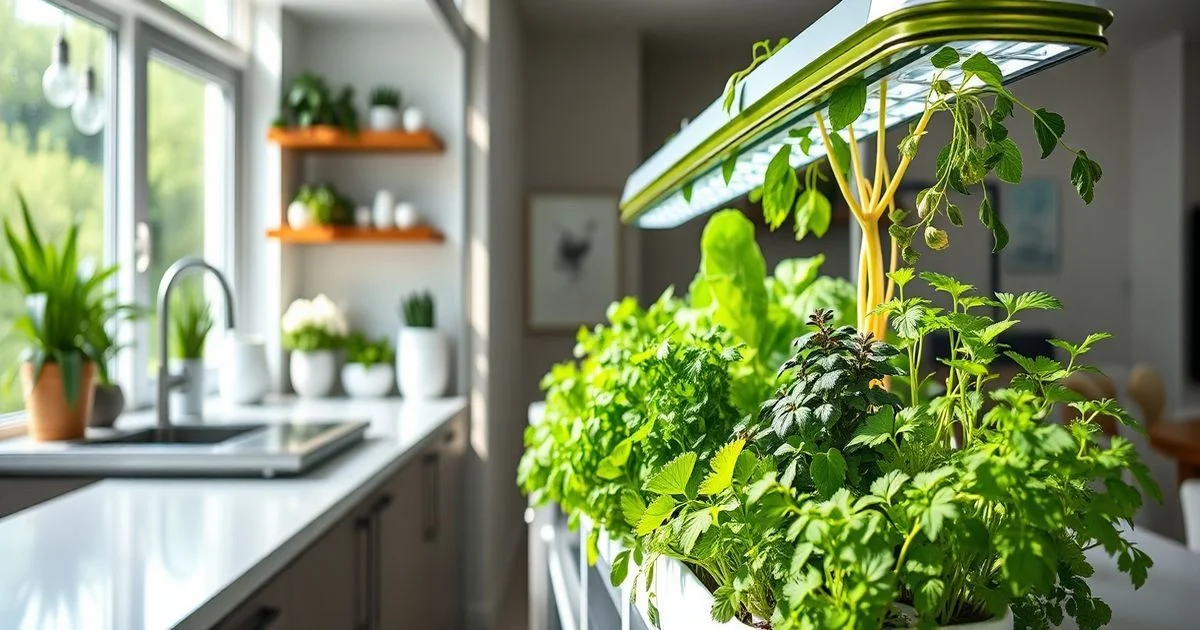
Learning how to start a sustainable indoor herb garden at home offers a rewarding connection to nature and self-sufficiency in an increasingly digitized world. Imagine stepping into your kitchen and plucking fresh, aromatic herbs grown right within your living space. This isn't just a fantasy; it's the tangible reality of learning how to start a sustainable indoor herb garden at home. Far beyond a simple potted plant, a truly sustainable indoor herb garden leverages smart technology and eco-conscious practices to bring year-round freshness and a touch of green tranquility directly into your home.
- What Defines a "Sustainable" Indoor Herb Garden?
- Why Cultivate Herbs Indoors?
- Choosing Your Green Comrades: Herbs for Indoor Success
- How to Set Up Your Sustainable Indoor Herb Garden: The Foundation
- Smart Tech for the Modern Gardener: Automation & Monitoring
- Maintaining Sustainability: Beyond the Setup
- The Lifecycle of Your Indoor Herb Garden: Harvesting & Replanting
- Benefits of a Home Sustainable Herb Garden
- Challenges and Troubleshooting
- Future Trends in Indoor Herb Cultivation
- Conclusion: Embrace Your Green Thumb
- Frequently Asked Questions
- Further Reading & Resources
What Defines a "Sustainable" Indoor Herb Garden?
Sustainability, in the context of indoor gardening, transcends mere plant survival. It encompasses a holistic approach to resource efficiency, environmental impact, and long-term viability. For the tech-savvy gardener, this means optimizing systems to minimize waste, conserve energy, and reduce reliance on external inputs. It’s about creating a miniature ecosystem that thrives with minimal ecological footprint.
A sustainable indoor herb garden prioritizes several key principles. Firstly, it focuses on resource conservation, particularly water and energy. This involves implementing efficient watering methods like hydroponics or aeroponics, which drastically reduce water consumption compared to traditional soil gardening. Energy conservation manifests in the choice of high-efficiency LED grow lights, optimized light schedules, and smart environmental controls that adjust parameters only when necessary. Secondly, a sustainable approach emphasizes minimizing waste. This includes using reusable growing media, composting plant trimmings, and avoiding single-use plastics. These eco-conscious practices align with broader trends in sustainable food systems. Integrated Pest Management (IPM) strategies replace chemical pesticides with natural alternatives, protecting both the gardener and the environment. Furthermore, choosing resilient, disease-resistant herb varieties contributes to a healthier, more self-sufficient system. Finally, long-term viability is paramount. A sustainable garden isn't a fleeting project but a continuous source of fresh produce. This requires understanding the lifecycle of your chosen herbs, practicing proper pruning techniques for extended harvests, and potentially propagating new plants from existing ones. It's about cultivating a system that supports itself, much like a natural ecosystem, but within the controlled confines of your home.
Why Cultivate Herbs Indoors?
The appeal of an indoor herb garden extends beyond mere aesthetics. For urban dwellers or those with limited outdoor space, it provides a practical solution to growing fresh produce. But even for those with ample outdoor garden real estate, indoor cultivation offers distinct advantages, particularly when sustainability and smart technology are integrated.
One primary benefit is year-round availability. Unlike outdoor gardens constrained by seasonal changes and weather patterns, an indoor setup provides a controlled environment where herbs can flourish regardless of external conditions. This means fresh basil in winter or mint for iced tea in autumn, enhancing culinary options and reducing reliance on supermarket produce that may have traveled vast distances. The environmental cost of transporting produce, often flown or trucked across continents, is significant; growing your own significantly shrinks this carbon footprint.
Furthermore, indoor gardening offers unparalleled control over growing conditions. Factors like light intensity, temperature, humidity, and nutrient delivery can be precisely managed, leading to healthier, more vigorous plants and higher yields. For the tech enthusiast, this control translates into opportunities for data-driven optimization, utilizing sensors and automation to fine-tune the environment for peak performance. This level of precision is virtually impossible to achieve in an outdoor setting.
Beyond the practicalities, there are tangible health and wellness benefits. Freshly harvested herbs often boast higher nutrient content and more vibrant flavors than their store-bought counterparts, which can lose quality during transport and storage. Engaging in gardening, even indoors, is a proven stress reducer and can contribute to improved mental well-being. It offers a connection to nature, a sense of accomplishment, and a living, breathing accent to your home decor.
Choosing Your Green Comrades: Herbs for Indoor Success
Not all herbs are created equal when it comes to indoor cultivation. Selecting the right varieties is the first crucial step towards a thriving, sustainable garden. Focus on herbs that are relatively compact, have moderate light requirements, and are forgiving of minor environmental fluctuations.
Basil: The Aromatic King
Basil (Ocimum basilicum) is a perennial favorite, known for its vibrant green leaves and potent, sweet-peppery aroma. It thrives in warm conditions (around 70°F or 21°C) and requires abundant light, ideally 10-12 hours daily. Varieties like 'Genovese' or 'Sweet Basil' are popular, but smaller-leafed options like 'Bush' or 'Dwarf Greek' basil are often more manageable for indoor spaces. Basil is a fast grower, making it highly rewarding, but also prone to bolting (going to seed) if temperatures fluctuate too much or if it becomes root-bound. Regular pruning encourages bushier growth and delays flowering.
Mint: The Invigorating Rebel
Mint (Mentha spp.) is notoriously vigorous and adaptable, making it an excellent choice for indoor growing, provided its spreading tendencies are contained. Varieties like peppermint and spearmint are common. Mint prefers consistent moisture and moderate light (6-8 hours daily). Its robust nature means it can tolerate slightly cooler temperatures than basil. However, its rapid growth also means it can quickly outgrow pots, requiring frequent pruning and repotting. Placing mint in its own container is highly recommended to prevent it from overwhelming other herbs.
Chives: The Mild Allium
Chives (Allium schoenoprasum), with their delicate oniony flavor and grass-like foliage, are surprisingly easy to grow indoors. They prefer bright, indirect light (around 8 hours) and consistently moist soil. Chives are hardy and can tolerate cooler indoor temperatures. They grow in clumps and can be harvested by snipping the outer leaves, which promotes new growth from the center. A mature chive plant can be divided to create new plants, enhancing the sustainability aspect of your garden.
Oregano & Thyme: The Hardy Mediterraneans
Both oregano (Origanum vulgare) and thyme (Thymus vulgaris) are low-maintenance, drought-tolerant herbs native to the Mediterranean. They thrive in bright light (6-8 hours), ideally with some direct sun, and prefer well-draining soil that is allowed to dry out between waterings. Their woody stems and compact growth habit make them ideal for indoor pots. Thyme, especially, has many varieties, including 'Lemon Thyme' and 'Creeping Thyme', offering diverse flavors and forms. They are relatively slow growers, meaning less frequent harvesting but consistent availability.
Rosemary: The Woody Wonder
Rosemary (Rosmarinus officinalis) is another Mediterranean herb that brings a distinctive piney aroma to your kitchen. It demands bright light, ideally 6+ hours of direct sun, and excellent drainage. Overwatering is rosemary's arch-nemesis indoors. 'Arp' and 'Gorizia' varieties are known for their hardiness. Due to its woody nature, rosemary can become a small shrub, so choose a larger pot to accommodate its root system. It can be a bit more challenging than other herbs but rewarding for its unique flavor and fragrance.
How to Set Up Your Sustainable Indoor Herb Garden: The Foundation
Establishing the right environment is paramount for a sustainable indoor herb garden. This involves meticulous consideration of lighting, growing medium, watering, temperature, humidity, and air circulation. Each element plays a critical role in mimicking an herb's natural habitat.
Light: The Photosynthetic Engine
Light is the energy source for photosynthesis, directly impacting plant growth, flavor, and yield. For indoor gardening, understanding light requirements is crucial.
Natural Light vs. Artificial Grow Lights
While natural sunlight from a south-facing window is ideal, it's often insufficient, especially during shorter winter days or in homes with limited sun exposure. Natural light intensity varies greatly depending on window direction, season, latitude, and obstructions. Most herbs require 6-12 hours of light daily.
Artificial grow lights are often a necessity for consistent, robust growth. They allow precise control over light duration and intensity.
When selecting grow lights, consider:
- Spectrum: Plants primarily utilize red and blue wavelengths for photosynthesis. Red light promotes flowering and fruiting, while blue light encourages vegetative growth. Full-spectrum LEDs mimic natural sunlight and are excellent for herbs.
- Intensity: Measured in Photosynthetic Photon Flux Density (PPFD) or Daily Light Integral (DLI). Herbs generally need a DLI of 10-20 mol/m²/day. Investing in a light meter can help you optimize placement and duration.
- Efficiency: LED (Light Emitting Diode) lights are the most energy-efficient option, consuming significantly less electricity and producing less heat than traditional fluorescent or HID (High-Intensity Discharge) lights. Look for LEDs specifically designed for horticulture.
Optimizing Artificial Lighting
Positioning is key. Grow lights should be placed close enough to the plants to provide adequate intensity without causing heat stress. A good starting point is 6-12 inches (15-30 cm) above the plant canopy, but this varies by light model. Many smart grow lights come with adjustable height mechanisms. A timer is indispensable for maintaining a consistent light cycle, typically 12-16 hours on and 8-12 hours off, depending on the herb's specific needs.
Growing Medium: Beyond Basic Soil
The choice of growing medium impacts drainage, aeration, nutrient retention, and ultimately, plant health. Sustainable options move beyond generic potting soil.
Traditional Potting Mix
For traditional pot-based gardening, a high-quality organic potting mix is essential. Look for mixes that are peat-free (to protect peat bogs, which are vital carbon sinks) and contain compost, coco coir, or other sustainable components. Ensure it provides good drainage and aeration to prevent root rot. You can enhance drainage by adding perlite or vermiculite.
Hydroponics & Aeroponics
These soilless growing methods are at the forefront of sustainable indoor gardening due to their extreme water efficiency and accelerated growth rates.
- Hydroponics: Plants grow in an inert medium (like rockwool, coco coir, clay pebbles) with their roots directly bathed in a nutrient-rich water solution. Systems range from simple Deep Water Culture (DWC) to more complex Nutrient Film Technique (NFT) or ebb and flow systems. Water is recirculated, significantly reducing consumption by up to 90% compared to soil.
- Aeroponics: An even more advanced method where plant roots are suspended in air and misted with a nutrient solution. This provides excellent oxygenation to the roots, often resulting in faster growth. Aeroponic systems use even less water than hydroponics and can be incredibly efficient, though they require more precise equipment and monitoring.
These systems pair perfectly with smart technology for automated nutrient delivery and pH balancing, optimizing growth with minimal manual intervention.
Watering & Nutrition: The Lifeblood
Consistent and appropriate watering, combined with balanced nutrition, is vital. Overwatering is a common killer of indoor plants.
Manual Watering Techniques
For soil-based systems, water when the top inch of soil feels dry to the touch. Water thoroughly until water drains from the bottom of the pot, then discard excess water from the saucer to prevent root rot. Bottom watering (placing the pot in a tray of water for 15-30 minutes) can also encourage root growth and ensure even moisture absorption.
Automated Irrigation Systems
For advanced setups, automated systems offer precision and convenience:
- Drip Irrigation: Small emitters deliver water directly to the base of each plant, minimizing evaporation and waste.
- Hydroponic/Aeroponic Pumps: These systems continuously circulate or mist nutrient solutions, ensuring plants receive precise amounts of water and dissolved minerals. Timers and sensors can control pump cycles based on environmental data.
Nutrient Management
Plants in soil derive nutrients from the potting mix and occasional fertilization. Use balanced, organic liquid fertilizers specifically formulated for herbs, diluted to half strength, and applied every 2-4 weeks during the growing season. For hydroponic and aeroponic systems, specialized liquid nutrient solutions are critical. These typically come in two or three parts to ensure all macronutrients (Nitrogen, Phosphorus, Potassium) and micronutrients (Iron, Manganese, Zinc, etc.) are available in the correct ratios. pH monitoring is crucial for nutrient availability; most herbs prefer a slightly acidic to neutral pH (5.5-6.5).
Temperature & Humidity: Climate Control for Optimal Growth
Most herbs prefer temperatures between 65-75°F (18-24°C) during the day and slightly cooler at night. Avoid sudden temperature fluctuations, which can stress plants. Humidity levels of 50-70% are generally ideal for herbs. Low humidity can lead to crispy leaves, while excessive humidity can encourage fungal diseases.
Smart thermostats and humidifiers/dehumidifiers can automate climate control. Sensors can trigger these devices to maintain optimal ranges, creating a stable microclimate for your herbs. For individual plants or small setups, placing a tray of pebbles with water nearby can slightly increase local humidity through evaporation.
Air Circulation: The Unsung Hero
Good air circulation is often overlooked but is critical for plant health. It helps prevent fungal diseases, strengthens plant stems by mimicking natural wind, and aids in gas exchange (CO2 uptake and oxygen release). A small oscillating fan set on a low speed can provide gentle air movement without drying out the plants. Position it to create a gentle breeze that rustles the leaves, not blasts them.
Smart Tech for the Modern Gardener: Automation & Monitoring
For the tech-savvy individual, integrating smart home technology into your indoor herb garden transforms it from a manual chore into an optimized, data-driven system. Automation reduces labor, improves efficiency, and allows for precision control that leads to healthier, more productive plants.
Smart Grow Lights
Modern LED grow lights often come with smart capabilities. These can include:
- Programmable Schedules: Set precise on/off times, dimming cycles, and even gradual sunrise/sunset simulations to mimic natural light patterns.
- App Control: Manage settings from your smartphone, allowing adjustments even when you're away from home.
- Spectral Tuning: Some advanced lights allow you to adjust the specific wavelengths (e.g., more blue for vegetative growth, more red for flowering) to optimize for different plant stages or species.
- Integration with Environmental Sensors: Lights can automatically adjust intensity or duration based on ambient light levels detected by external sensors.
Automated Irrigation Systems
Beyond simple timers, smart irrigation systems leverage sensor data to deliver water only when and where it's needed.
- Moisture Sensors: These probes are inserted into the growing medium (soil, rockwool, coco coir) and measure its moisture content. When levels drop below a set threshold, a smart controller activates pumps or valves to deliver water.
- Hydroponic Controllers: For soilless systems, these advanced units can monitor reservoir levels, nutrient concentration (EC/TDS), and pH. They can automatically dose nutrients or pH adjusters to maintain optimal levels, ensuring plants always have access to balanced nutrition.
- Scheduling Algorithms: Some systems use predictive algorithms that consider plant type, growth stage, historical water usage, and environmental conditions to refine watering schedules dynamically.
Environmental Sensors
These are the "eyes and ears" of your smart garden, providing real-time data on critical parameters.
- Temperature and Humidity Sensors: Crucial for maintaining optimal climate control. Data from these sensors can trigger smart thermostats, humidifiers, or exhaust fans.
- Light Sensors (PAR/DLI Meters): Measure the Photosynthetically Active Radiation (PAR) or Daily Light Integral (DLI) to ensure plants are receiving adequate light for photosynthesis. Integrated with smart lights, they can automatically adjust output.
- pH Sensors: Essential for hydroponic and aeroponic systems to ensure nutrient availability. Fluctuations in pH can lock out certain nutrients, leading to deficiencies.
- EC/TDS Sensors: Measure electrical conductivity (EC) or Total Dissolved Solids (TDS) in nutrient solutions, indicating the concentration of dissolved nutrients. This helps prevent over or under-feeding.
The data collected by these sensors can be logged, analyzed, and used to make informed decisions about your garden's needs.
Companion Apps & Data Analytics
The true power of smart tech lies in its ability to centralize control and provide actionable insights.
- Centralized Dashboards: Many smart gardening systems offer companion apps or web dashboards where you can monitor all sensor data, control devices, and review historical trends from anywhere.
- Alerts and Notifications: Receive instant alerts on your phone if critical parameters (e.g., pH too low, water level too high, temperature outside optimal range) deviate, allowing for timely intervention.
- Growth Tracking & Analytics: Some advanced platforms allow you to log observations, track growth rates, and correlate environmental data with plant performance. This data-driven approach allows for continuous optimization, helping you understand what conditions lead to the best yields and flavor profiles for specific herbs. Machine learning algorithms can even be employed to suggest optimal growing parameters based on your historical data.
Maintaining Sustainability: Beyond the Setup
Setting up a sustainable indoor herb garden is just the beginning. Long-term sustainability relies on ongoing practices that minimize waste, prevent issues, and maximize plant longevity and productivity.
Integrated Pest Management (IPM)
Preventing pests is far more sustainable than treating infestations. IPM focuses on ecological approaches:
- Regular Inspection: Weekly checks of leaf undersides and stems for early signs of pests (spider mites, aphids, fungus gnats).
- Good Housekeeping: Remove dead leaves and debris from pots, as they can harbor pests and diseases.
- Physical Barriers: Use sticky traps to monitor and catch flying insects like fungus gnats.
- Beneficial Insects: For more significant issues, consider introducing predatory mites or ladybugs, which are natural enemies of common herb pests.
- Organic Sprays: As a last resort, use organic insecticidal soaps or neem oil, which are less harmful to the environment and beneficial insects than synthetic pesticides. Apply only when necessary and according to instructions.
Pruning for Longevity and Yield
Regular pruning is essential for maintaining plant health, encouraging bushier growth, and extending the harvesting period.
- Pinching: For most herbs like basil, mint, and oregano, pinch off the top set of leaves and the growth tip above a node (where leaves branch off). This encourages the plant to branch out, resulting in a fuller, more productive plant rather than a tall, leggy one.
- Harvesting: Don't just pick individual leaves. Harvest by snipping off stems, leaving at least one or two sets of leaves at the bottom for regrowth. This stimulates new growth.
- Removing Flowers: For many herbs, letting them flower (bolting) diverts energy from leaf production, often making the leaves bitter. Pinch off flower buds as soon as they appear unless you're intentionally harvesting seeds.
Composting & Nutrient Recycling
Minimize waste by composting plant trimmings, spent growing medium, and even kitchen scraps. A small worm bin (vermicomposting) can efficiently break down organic matter into nutrient-rich worm castings, which can then be used to enrich your soil or as a top dressing. For hydroponic systems, while nutrient solutions generally don't get completely recycled indefinitely due to accumulation of salts, small-scale systems can sometimes be topped up, and spent solutions can potentially be diluted and used on outdoor plants rather than simply discarded.
Seed Saving & Propagation
True sustainability means reducing reliance on purchasing new plants or seeds.
- Seed Saving: Allow some herbs to bolt and go to seed. Collect and store these seeds for future plantings. This often works well with cilantro, dill, and some basil varieties.
- Cuttings: Many herbs, especially mint, basil, oregano, and rosemary, can be easily propagated from stem cuttings. Simply snip a 4-6 inch (10-15 cm) non-flowering stem, remove the lower leaves, and place it in water or a moist growing medium until roots develop. This provides a continuous supply of free plants and ensures genetic continuity of your favorite varieties.
The Lifecycle of Your Indoor Herb Garden: Harvesting & Replanting
Understanding the natural lifecycle of your herbs is key to a continuous, sustainable harvest. Each herb has an optimal point for harvesting and a typical lifespan, which can be extended with proper care.
Most herbs are best harvested when their leaves are vibrant and before they begin to flower. Flowering often signals the end of the plant’s vegetative growth cycle, diverting energy to seed production and often diminishing the flavor and aroma of the leaves. For herbs like basil, parsley, and cilantro, consistent harvesting of the outer leaves or by pinching back growth tips encourages more vigorous and bushier growth, prolonging their productive life. Aim to harvest about one-third of the plant at a time to avoid shocking it.
Perennial herbs, such as rosemary, thyme, and oregano, can live for many years indoors with proper care. They benefit from occasional pruning to maintain shape and encourage new, tender growth. If they become too woody or overgrown, they might need repotting into a larger container or even propagation from cuttings to rejuvenate the plant.
Annual herbs like cilantro and dill have shorter lifespans, often bolting quickly, especially in warmer conditions. For these, a sustainable strategy involves successive planting—sowing new seeds every few weeks—to ensure a continuous supply. When an annual herb finishes its cycle, either by going to seed or declining, remove it from the growing system. If you're using soil, compost the spent plant material. In hydroponic systems, clean the system thoroughly before introducing new plants or seedlings to prevent disease buildup. This cyclical process of planting, harvesting, and replanting is fundamental to maintaining a consistently productive indoor herb garden.
Benefits of a Home Sustainable Herb Garden
The advantages of cultivating a sustainable indoor herb garden are multi-faceted, extending from personal well-being to broader environmental impact.
Environmental Impact
By growing herbs indoors, you significantly reduce your carbon footprint. You eliminate the emissions associated with transporting produce from farms to supermarkets, often over long distances. You also reduce reliance on industrial agricultural practices that may use excessive water, chemical pesticides, and synthetic fertilizers. Hydroponic and aeroponic systems are particularly water-efficient, using up to 90% less water than traditional field farming, a critical factor in a world facing increasing water scarcity. Furthermore, using energy-efficient LED lights and smart controls minimizes electricity consumption, contributing to a lower overall energy demand.
Health & Wellness
Freshly harvested herbs often contain higher concentrations of vitamins, minerals, and antioxidants compared to their store-bought counterparts, which can degrade during transit and storage. Having immediate access to these nutrient-dense ingredients encourages healthier cooking and eating habits. Beyond nutrition, the act of gardening itself is a well-documented stress reliever. It provides a therapeutic connection to nature, a sense of accomplishment, and can improve mood and reduce anxiety. The presence of living plants also naturally improves indoor air quality by absorbing carbon dioxide and releasing oxygen.
Economic Savings
While there's an initial investment in setting up a smart indoor garden, the long-term economic benefits can be substantial. Buying fresh herbs from a grocery store, especially organic varieties, can be surprisingly expensive, with small quantities costing several dollars. An indoor garden provides a continuous supply, leading to significant savings over time. You also avoid food waste, as you only harvest what you need, and any excess can be easily preserved or propagated. The prolonged lifespan of herbs through proper care and propagation further enhances these savings.
Educational Value
For families, an indoor herb garden serves as a fantastic educational tool. It offers a hands-on lesson in biology, ecology, and sustainable living. Children can learn about plant lifecycles, photosynthesis, the importance of water and light, and the basics of food production. For adults, it's an ongoing learning process, encouraging experimentation with different herbs, growing methods, and smart technologies, fostering a deeper understanding of sustainable practices. It promotes a DIY mindset and empowers individuals to take control over their food sources.
Challenges and Troubleshooting
Even with the most advanced setup, indoor gardening presents its own set of challenges. Being prepared to identify and address common issues is key to long-term success.
Common Pests and Diseases
Indoor environments, while controlled, are not immune to pests.
- Fungus Gnats: Small, dark flies often indicate overwatering and excessive moisture in the growing medium. Allowing the topsoil to dry out, using sticky traps, and introducing beneficial nematodes can help.
- Spider Mites: Tiny arachnids that cause speckling on leaves and fine webbing. High humidity can deter them; neem oil or insecticidal soap are effective treatments.
- Aphids: Small, soft-bodied insects that cluster on new growth, sucking sap. Blast them off with water, use insecticidal soap, or introduce ladybugs.
- Powdery Mildew: A white, powdery fungal growth on leaves, often due to poor air circulation and high humidity. Increase air movement, reduce humidity, and use organic fungicides like diluted baking soda spray.
Regular inspection is the best defense. Isolate affected plants immediately to prevent spread.
Nutrient Deficiencies
In both soil and hydroponic systems, plants can exhibit signs of nutrient imbalance.
- Yellowing Leaves (especially older ones): Often indicates nitrogen deficiency.
- Purpling Stems or Leaf Undersides: Can signal phosphorus deficiency.
- Brown or Crispy Leaf Edges: Potassium deficiency or nutrient burn (too high concentration).
- Interveinal Chlorosis (yellowing between green veins): Common sign of iron or magnesium deficiency.
For soil, ensure you're using a balanced fertilizer. For hydroponics, regularly test pH and EC. Adjust nutrient solution pH to the optimal range (5.5-6.5 for most herbs) to ensure nutrients are available for uptake. If EC is too high, dilute the solution; if too low, add more nutrients.
Lighting Issues
Incorrect lighting can severely stunt growth.
- Leggy, Stretched Plants: Not enough light intensity or duration. Lower grow lights closer to the plants or extend the light cycle.
- Scorched or Bleached Leaves: Too much light intensity or too close to the light source. Raise the lights or reduce their intensity.
- Slow Growth: Often a general sign of suboptimal light, temperature, or nutrient levels. Check all parameters.
Utilize a light meter or a smartphone app with a light sensor to measure light intensity at the canopy level. Compare readings to the recommended DLI for your chosen herbs and adjust light placement or duration accordingly. Automated light schedules can also prevent human error in maintaining consistent light exposure.
Future Trends in Indoor Herb Cultivation
The field of indoor herb cultivation is rapidly evolving, driven by advancements in technology and a growing interest in sustainable food systems. The future promises even greater efficiency, automation, and accessibility.
One significant trend is the increasing sophistication of AI and machine learning integration. Beyond simple sensor monitoring, AI algorithms will analyze vast datasets encompassing environmental conditions, growth rates, nutrient uptake, and even genomic information to create hyper-personalized growth recipes for individual plant varieties. Imagine an AI learning your basil's specific needs and autonomously adjusting light spectrum, nutrient ratios, and watering schedules to maximize flavor and yield, adapting in real-time.
Vertical farming systems will become even more common and compact, allowing for greater yields in smaller footprints. Modular, stackable units with integrated lighting and hydroponics will enable multi-tiered cultivation in urban apartments, transforming overlooked spaces into productive farms. This vertical expansion is critical for maximizing output per square foot, a key metric for sustainable urban agriculture.
Further advancements in energy-efficient technologies are also on the horizon. Next-generation LED lights will offer even greater photosynthetic efficiency and broader spectrum control while consuming less power. The integration of renewable energy sources, such as compact solar panels, directly into indoor garden systems could make these setups entirely off-grid.
The development of bio-mimetic systems will also play a role, with designs increasingly inspired by natural ecosystems. This could involve more complex microbial communities in the growing medium, or systems that dynamically adjust their environment based on the plant's real-time physiological signals rather than pre-programmed rules.
Finally, democratization of technology will make these advanced systems more accessible to the average consumer. As costs decrease and user interfaces become more intuitive, the ability to operate highly efficient, sustainable indoor herb gardens will no longer be limited to hobbyists with deep technical knowledge but will become a commonplace feature of smart homes. This future envisions a world where fresh, sustainably grown herbs are a staple in every kitchen, cultivated with minimal effort and maximum environmental benefit.
Conclusion: Embrace Your Green Thumb
Embarking on the journey of cultivating a sustainable indoor herb garden at home is more than just a hobby; it's a commitment to a healthier, more environmentally conscious lifestyle. By integrating smart technology with fundamental horticultural principles, you unlock the potential for year-round harvests, superior flavor, and a significant reduction in your ecological footprint. From selecting the perfect light-demanding basil to implementing automated nutrient delivery in a hydroponic system, every step brings you closer to self-sufficiency and a deeper connection with your food source.
The knowledge shared here equips you with the insights to navigate the technical complexities and artistic nuances of indoor gardening. Remember that patience, observation, and continuous learning are your most valuable tools. Start small, experiment with different herbs and technologies, and celebrate every fragrant leaf and robust stem. Your sustainable indoor herb garden is a living testament to innovation, personal well-being, and a greener future, right there in your own home.
Frequently Asked Questions
Q: What are the best herbs for a beginner's indoor garden?
A: Basil, mint, chives, oregano, and thyme are excellent choices due to their relatively easy care, moderate light requirements, and versatile culinary uses. They are forgiving of minor fluctuations in growing conditions.
Q: How often should I water my indoor herb garden?
A: For soil-based gardens, water when the top inch of soil feels dry. Hydroponic systems require consistent monitoring of reservoir levels, often topping up every 1-2 weeks and changing the full solution every 2-4 weeks. Automated sensors can help.
Q: Can I use regular houseplant fertilizer for my herbs?
A: It's best to use a balanced, organic liquid fertilizer specifically formulated for herbs or edibles. Houseplant fertilizers might not have the correct nutrient ratios or could contain ingredients not suitable for consumption. Always dilute to half strength.