How to Start a Sustainable Indoor Herb Garden: A Tech Explainer
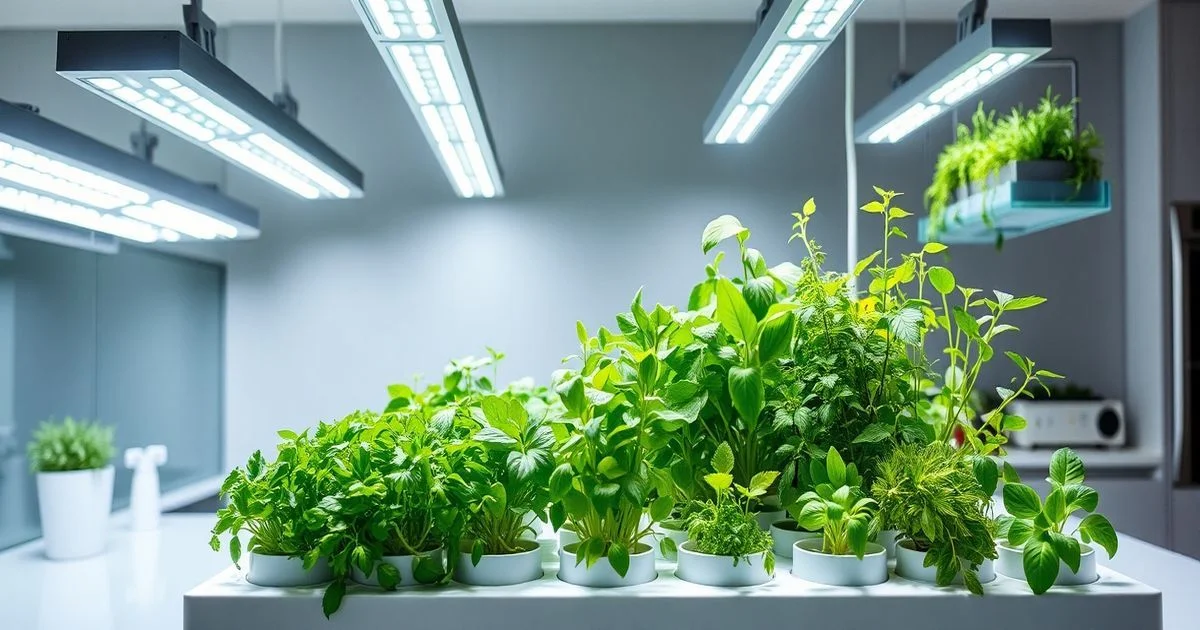
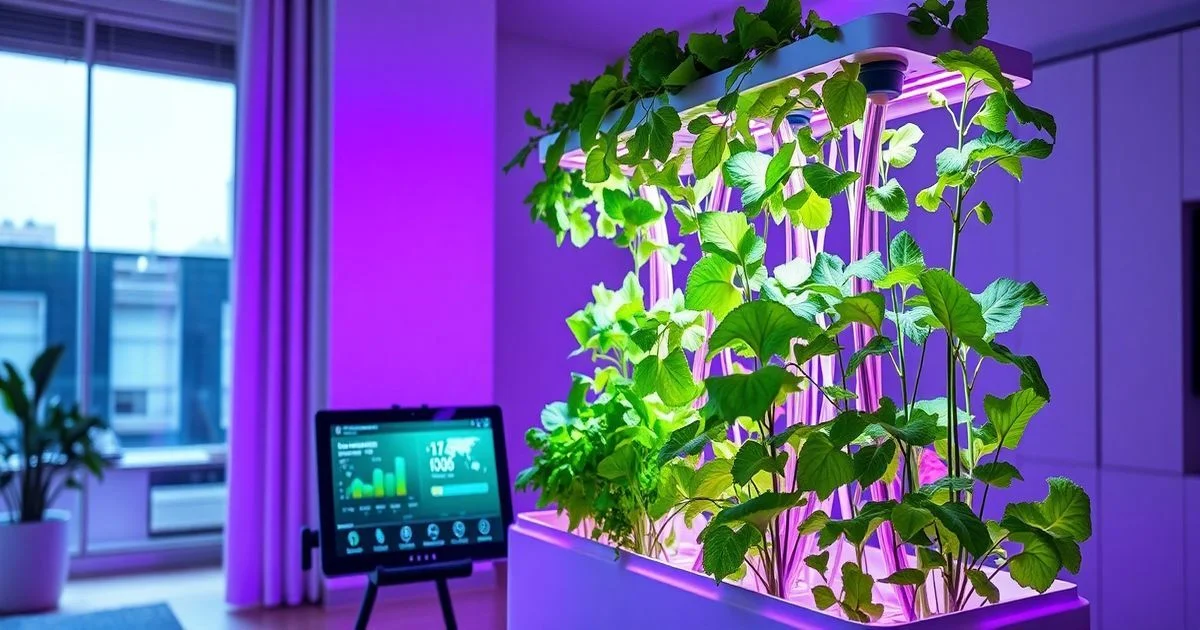
In an increasingly urbanized world, the desire for fresh, homegrown produce often clashes with limited space and a yearning for sustainable practices. For tech-savvy individuals, the good news is that advancements in smart home technology, LED lighting, and hydroponics have converged to make growing your own herbs indoors not just possible, but highly efficient and environmentally friendly. This tech explainer dives deep into how to start a sustainable indoor herb garden, equipping you with the knowledge to cultivate lush, flavorful herbs right from your kitchen counter or a dedicated growing space, all while minimizing your ecological footprint.
- Demystifying the Sustainable Indoor Herb Garden
- The Pillars of Indoor Cultivation: How It Works
- Key Components: The Hardware and Software Stack
- Real-World Applications and Benefits
- Pros and Cons: A Balanced Perspective
- Future Outlook: The Evolution of Indoor Herb Gardening
- Conclusion: Cultivating a Greener Future
- Frequently Asked Questions
- Further Reading & Resources
Demystifying the Sustainable Indoor Herb Garden
At its core, a sustainable indoor herb garden is a controlled environment designed to grow culinary herbs using resource-efficient methods, independent of external climate conditions. The emphasis on "sustainable" differentiates it from conventional indoor gardening by prioritizing techniques that conserve water, energy, and nutrients, often leveraging technology for optimized performance.
This approach goes beyond simply placing a pot on a windowsill. It’s about creating a micro-ecosystem where every variable — from light intensity to nutrient delivery — is meticulously managed. The goal is to maximize yield and plant health while minimizing waste and environmental impact, transforming what might seem like a complex endeavor into an accessible, rewarding project for anyone interested in smart home technology and fresh produce.
The Pillars of Indoor Cultivation: How It Works
Understanding the fundamental principles behind indoor herb gardening is crucial for success. These systems replicate and optimize natural growing conditions through precise control, a process often far more efficient than traditional outdoor farming.
Environmental Control: Crafting the Ideal Climate
Plants, much like humans, thrive within specific environmental parameters. In an indoor garden, we take on the role of nature, meticulously controlling temperature, humidity, and even carbon dioxide levels to create an optimal growth climate. Think of it as building a bespoke biosphere for your herbs.
- Temperature: Most herbs prefer temperatures between 65-75°F (18-24°C). Consistent temperature prevents stress and encourages steady growth. Digital thermometers and smart thermostats integrated with exhaust fans or small heaters can maintain this range with precision.
- Humidity: The ideal relative humidity for most herbs is around 40-60%. Too low, and plants can dry out; too high, and fungal issues can arise. Humidifiers and dehumidifiers, often smart-controlled, become essential tools here, mimicking rainforests or arid plains as needed for specific plant species.
- Air Circulation: Gentle air movement is vital for strengthening plant stems, facilitating gas exchange (especially CO2), and preventing stagnant air pockets where pests and diseases can proliferate. Small oscillating fans, often on timers, simulate a light breeze, essential for healthy development.
- Carbon Dioxide (CO2): While often overlooked in home setups, elevated CO2 levels can significantly boost photosynthetic efficiency, leading to faster growth and larger yields. For smaller setups, ambient CO2 is often sufficient, but advanced systems might incorporate CO2 generators or timed releases, monitored by sensors.
Hydroponics & Aeroponics: Soil-Free Revolution
One of the cornerstones of sustainable indoor gardening is moving beyond traditional soil. Hydroponics and its more advanced cousin, aeroponics, offer incredible advantages in water efficiency and nutrient delivery.
- Hydroponics: This method involves growing plants in a nutrient-rich water solution rather than soil. Root systems are directly exposed to the dissolved minerals, leading to quicker uptake and often faster growth rates. Common hydroponic techniques for herbs include Deep Water Culture (DWC), Nutrient Film Technique (NFT), and Wick Systems. DWC, for example, submerges roots in an aerated nutrient reservoir, while NFT flows a thin film of nutrient solution over the roots. Hydroponic systems can use up to 90% less water than traditional soil gardening, as water is recirculated and not lost to runoff or evaporation from soil. For those interested in expanding their green thumb beyond herbs, a related guide on how to create a sustainable indoor vegetable garden might be useful.
- Aeroponics: Taking water efficiency and oxygen delivery a step further, aeroponics suspends plant roots in the air and periodically mists them with a nutrient solution. This maximizes oxygen exposure to the roots, leading to even more vigorous growth than hydroponics. While more complex and expensive to set up initially, aeroponic systems are lauded for their rapid growth and minimal water usage. They represent the cutting edge of efficient plant cultivation.
Intelligent Lighting: The Sun on Demand
Light is the energy source for photosynthesis, and in an indoor garden, it must be meticulously controlled. This is where modern LED grow lights shine, offering unparalleled efficiency and spectrum control.
- Light Spectrum: Plants don't use all wavelengths of light equally. Red and blue light are most crucial for photosynthesis, driving vegetative growth and flowering, respectively. Full-spectrum LEDs simulate natural sunlight but can also be tuned to provide specific wavelengths that optimize plant development at different stages. For instance, a higher blue light ratio might be used for leafy herbs during their vegetative stage, while a balanced spectrum supports overall health.
- Photoperiod: This refers to the duration of light exposure in a 24-hour cycle. Most herbs are "long-day" plants, meaning they thrive with 14-16 hours of light followed by 8-10 hours of darkness. The dark period is just as important as the light for respiration and other critical metabolic processes. Smart timers and controllers automate these cycles with extreme precision, eliminating manual intervention.
- Light Intensity and Distance: The intensity of light (measured in PAR – Photosynthetically Active Radiation) and its distance from the plant canopy are critical. Too close or too intense, and plants can suffer from "light burn"; too far or too weak, and they become leggy and unproductive. Adjustable light fixtures and PAR meters help dial in the perfect setup.
Nutrient Delivery Systems: Precision Feeding
Just like a high-performance athlete needs a specific diet, plants require a precise balance of macro and micronutrients. In soil-less systems, these are delivered directly via the water.
- Macronutrients: Nitrogen (N), Phosphorus (P), and Potassium (K) are the primary nutrients, crucial for growth, root development, and overall plant vigor.
- Micronutrients: Essential trace elements like iron, manganese, zinc, and copper are needed in smaller quantities but are equally vital for various enzymatic processes.
- pH and EC Management: The pH (potential hydrogen) of the nutrient solution determines the availability of nutrients to the plant roots. Most herbs prefer a slightly acidic pH between 5.5-6.5. EC (Electrical Conductivity) measures the concentration of dissolved nutrients. Maintaining these within optimal ranges is paramount. Automated pH and EC meters with dosing pumps can continuously monitor and adjust the solution, ensuring plants always receive their ideal "meal."
Key Components: The Hardware and Software Stack
Building a sustainable indoor herb garden is akin to assembling a mini smart farm. It involves a combination of specialized hardware, intelligent sensors, and often, software for automation and monitoring.
Growing Mediums & System Types
While soil is out, a substrate is often still necessary for roots to anchor. The choice depends on the specific hydroponic system.
- Rockwool: Inert, sterile, and offers excellent aeration and water retention. Ideal for starting seeds and clones.
- Coco Coir: A sustainable byproduct of coconut processing, it's fibrous, retains moisture well, and provides good aeration. Often used in drip systems.
- Clay Pebbles (Hydroton): Lightweight, reusable, and excellent for drainage and aeration. Frequently used in flood-and-drain (ebb and flow) systems.
- Net Pots: These small plastic mesh pots hold the plant and a small amount of growing medium, allowing roots to grow through into the nutrient solution.
- Specific Hydroponic Systems:
- Deep Water Culture (DWC): Plants in net pots float above an aerated reservoir. Simple and effective for many herbs.
- Nutrient Film Technique (NFT): A thin film of nutrient solution flows over the bare roots, offering excellent oxygenation. Requires a slight slope.
- Drip Systems: Nutrient solution is dripped onto the base of each plant from a central reservoir, often with coco coir or rockwool as a medium.
Advanced Lighting Systems
The evolution of LED technology has been a game-changer for indoor gardening.
- Full-Spectrum LED Grow Lights: These fixtures provide a broad spectrum of light, mimicking natural sunlight while being incredibly energy-efficient. They consume significantly less power and produce less heat than older HPS or MH lamps, reducing cooling costs. Data suggests modern LEDs can be up to 60% more energy-efficient than traditional grow lights.
- Tunable Spectrum LEDs: High-end units allow users to adjust the red-to-blue light ratio to optimize for different growth stages or specific plant types. Some even integrate Wi-Fi connectivity for app-based control.
- Photosynthetically Active Radiation (PAR) Meters: These devices measure the amount of light within the PAR spectrum (400-700 nm) that plants actually use for photosynthesis. This allows growers to fine-tune light intensity for maximum efficiency.
- Daily Light Integral (DLI) Calculators: DLI measures the total amount of PAR light a plant receives in a day. Understanding DLI helps ensure plants get sufficient light without overexposure, preventing stress and optimizing growth over a 24-hour cycle.
Nutrient Management Hardware
Precision in nutrient delivery prevents deficiencies or toxicities.
- pH and EC Meters: Digital meters provide real-time readings of pH and electrical conductivity. Essential for maintaining the ideal growing environment.
- Automated Dosing Pumps: These smart pumps, often controlled by microcontrollers, can automatically add pH adjusters (up/down) and nutrient solutions to maintain preset levels in the reservoir. This reduces manual intervention and ensures consistency.
- Reservoirs: Opaque containers for holding nutrient solutions, preventing light penetration which can lead to algae growth. Sizes vary based on system scale.
Environmental Sensing and Automation
This is where the "tech" truly integrates, enabling a "set and forget" approach.
- Temperature and Humidity Sensors: Digital sensors provide continuous data. Smart versions can trigger fans, humidifiers, or heaters when thresholds are crossed.
- CO2 Sensors: For advanced setups, these monitor ambient CO2 levels and can integrate with CO2 injection systems.
- Water Level Sensors: Prevent pumps from running dry or reservoirs from overflowing.
- Microcontrollers (Arduino, Raspberry Pi): These mini-computers form the brain of many DIY smart garden systems. They can read sensor data, control pumps, lights, and fans via relays, and even send alerts.
- IoT Platforms & Mobile Apps: Cloud-based platforms (e.g., Home Assistant, Blynk) allow remote monitoring and control of garden parameters via a smartphone app. You can check pH levels, adjust light schedules, or receive alerts about low water levels from anywhere. This provides convenience and real-time insights, allowing for proactive adjustments and preventing potential issues, similar to how best practices for managing remote team workflows in tech optimize digital environments.
Water Pumps and Air Pumps
These are the circulatory and respiratory systems of your hydroponic setup.
- Submersible Water Pumps: Used to circulate nutrient solution in NFT, drip, and flood-and-drain systems, and to fill aeroponic misters.
- Air Pumps and Air Stones: Essential for DWC and other hydroponic systems to oxygenate the nutrient solution, preventing root rot and promoting healthy root development. A well-oxygenated solution is vital for robust plant growth, similar to how proper breathing is crucial for animals.
Real-World Applications and Benefits
The applications of sustainable indoor herb gardening extend beyond simply having fresh basil for your pasta. It represents a micro-farming revolution with significant implications for urban living, food security, and environmental stewardship.
Urban Farming and Space Optimization
For apartment dwellers or those with limited outdoor space, indoor herb gardens are a revelation. They transform small corners, shelves, or even entire rooms into productive green zones. Vertical gardening techniques, which stack multiple growing layers, further amplify this space-saving advantage, allowing for a surprisingly large yield in a minimal footprint. Imagine growing a year's supply of various herbs in a footprint no larger than a bookshelf. This addresses a critical challenge in dense urban environments where access to fresh, local produce is often limited.
Year-Round Freshness and Food Security
One of the most immediate and tangible benefits is the ability to grow fresh herbs regardless of the season or external weather conditions. This means no more wilted store-bought herbs or relying on imported produce with a significant carbon footprint. This contributes to personal food security, providing a reliable source of fresh ingredients and reducing dependency on the conventional food supply chain, which can be vulnerable to disruptions.
Educational Tools and STEM Engagement
Indoor herb gardens, particularly those integrating smart technology, serve as excellent educational platforms. They offer hands-on opportunities to learn about botany, environmental science, electronics, and even basic programming. Students and hobbyists can experiment with different light spectrums, nutrient formulations, and automation scripts, making complex scientific principles tangible and engaging, akin to the detailed advice on simple tips for maintaining indoor house plants. This blend of biology and technology, often referred to as "Agri-Tech," is an emerging field that offers significant career opportunities and encourages a deeper understanding of sustainable practices.
Reduced Environmental Impact
By optimizing water and energy usage, these systems significantly lower the environmental footprint of food production.
- Water Conservation: Hydroponic and aeroponic systems recirculate water, reducing usage by up to 90% compared to traditional soil farming. This is a critical advantage in regions facing water scarcity.
- Reduced Transportation: Growing herbs at home eliminates the need for long-distance transport, cutting down on carbon emissions from shipping and refrigeration.
- No Pesticides: The controlled indoor environment drastically minimizes the risk of pests and diseases, negating the need for chemical pesticides. This not only protects the environment but also ensures healthier, cleaner produce for consumption.
- Minimized Land Use: Indoor growing reduces pressure on agricultural land, preserving natural habitats and ecosystems.
Specific Herb Examples
Almost any culinary herb can thrive in a well-managed indoor setup. Some of the most popular and relatively easy to grow include:
- Basil: Loves warmth and light, perfect for DWC or NFT.
- Mint: Very vigorous, can be invasive in soil, but thrives contained hydroponically.
- Chives: Resilient and productive, excellent for continuous harvesting.
- Cilantro: Can be tricky as it prefers cooler temperatures, but manageable with climate control.
- Thyme & Oregano: Mediterranean herbs that do well with good light and drainage.
- Rosemary: A slower grower but rewarding with consistent light and nutrients.
Pros and Cons: A Balanced Perspective
While the advantages are compelling, a holistic understanding requires acknowledging the challenges and trade-offs.
Advantages of a Sustainable Indoor Herb Garden
- Accelerated Growth Rates: Plants in hydroponic/aeroponic systems grow faster due to direct access to nutrients and optimized environmental conditions. Studies often show up to 30-50% faster growth compared to soil.
- Higher Yields: The combination of optimized growth factors and controlled environments can lead to significantly higher yields per plant and per square foot.
- Water Efficiency: As mentioned, these systems can use 70-90% less water than traditional gardening due to recirculation and reduced evaporation.
- Pest and Disease Control: The sterile, contained environment drastically minimizes exposure to common garden pests and airborne diseases, reducing the need for chemical interventions.
- Year-Round Production: Climate control ensures fresh herbs are available regardless of external weather, season, or geographical location.
- Space-Saving: Ideal for urban environments and small living spaces, especially when employing vertical gardening techniques.
- Reduced Carbon Footprint: Minimizes transportation emissions and can be run on renewable energy sources, contributing to a lower overall environmental impact.
- Cleanliness: Soil-less growing eliminates mess and typical garden dirt, making it suitable for indoor settings.
Disadvantages and Considerations
- Initial Setup Cost: High-quality LED grow lights, hydroponic systems, pumps, sensors, and automation components can represent a substantial upfront investment. While DIY options exist, commercial systems can be expensive.
- Technical Learning Curve: Understanding pH, EC, nutrient ratios, light spectrums, and system maintenance requires some initial learning and experimentation. It's more complex than simply watering a potted plant.
- Power Dependency: These systems rely on electricity for lights, pumps, and environmental controls. A power outage can quickly become problematic, leading to plant stress or even loss. Backup power solutions might be necessary.
- Potential for System Failure: Malfunctions in pumps, sensors, or automation components can lead to rapid nutrient imbalances, oxygen deprivation, or light cycle disruptions, all of which can harm plants quickly. Regular maintenance and monitoring are essential.
- Nutrient Solution Management: While efficient, managing the nutrient solution requires precise monitoring and periodic replacement to prevent nutrient lockout or accumulation of imbalances.
- Limited Variety (for beginners): While many herbs thrive, some plants are less suited for hydroponic systems due to their size or specific root structures. Beginners might stick to easier varieties initially.
- Synthetic Nutrients: Most hydroponic systems rely on mineral salt-based nutrient solutions, which some may view as less "natural" than organic soil-based gardening, though certified organic hydroponic nutrients are becoming available.
Future Outlook: The Evolution of Indoor Herb Gardening
The trajectory of sustainable indoor herb gardening is towards greater integration, intelligence, and accessibility. The technologies driving this field are rapidly advancing, promising even more efficient and user-friendly systems.
AI and Machine Learning for Optimization
The next frontier involves leveraging Artificial Intelligence (AI) and Machine Learning (ML) to create truly autonomous growing environments. Imagine a system that learns from historical growth data, environmental sensor readings, and even visual analysis of plant health. The rapid growth of AI is transforming various sectors, including urban farming, as seen in China's AI boom and global power shift.
- Predictive Analytics: AI could predict nutrient deficiencies before visible symptoms appear, suggesting precise adjustments to the solution.
- Automated Environmental Adjustment: ML algorithms could dynamically alter light intensity, photoperiod, temperature, and humidity based on real-time plant growth stage and specific cultivar needs, maximizing yield and resource efficiency.
- Early Anomaly Detection: Image recognition combined with AI could identify early signs of pests or disease, triggering targeted interventions.
- Personalized Growth Recipes: AI could develop bespoke "growth recipes" for specific herb varieties, optimizing every parameter for their unique genetic potential.
Enhanced IoT Integration and Smart Home Ecosystems
Current smart garden systems are often standalone. The future sees seamless integration into broader smart home ecosystems.
- Voice Control: "Alexa, adjust the grow light schedule for the basil."
- Cross-Device Automation: Garden data could inform other home systems. For example, if the garden detects high humidity, it could signal the home HVAC system to compensate.
- App-Based Diagnostics: Sophisticated mobile apps will not just monitor, but also provide actionable insights, troubleshooting guides, and community forums.
- Data Sharing and Open Source: The rise of open-source hardware (like Arduino and Raspberry Pi) and software platforms could foster a collaborative community, accelerating innovation and making advanced systems more affordable for hobbyists.
Vertical Farming Principles for Home Scale
Industrial vertical farms already maximize space. These principles are now trickling down to the home user.
- Modular, Stackable Systems: Easy to assemble and expand, allowing users to scale their gardens as needed.
- Automated Tray Movement: Robotic systems (even small-scale ones) could move trays to optimize light exposure or facilitate harvesting.
- Integrated Water Harvesting: Future systems might incorporate micro-rainwater harvesting or atmospheric water generators to further reduce reliance on external water sources.
Energy Efficiency and Renewable Integration
As energy costs rise and environmental concerns deepen, the focus on hyper-efficient systems will intensify.
- Ultra-Efficient LEDs: Further advancements in LED technology will lead to even lower power consumption while maintaining or increasing light output and spectral quality.
- Solar Power Integration: Hybrid systems that draw power from integrated solar panels, potentially with battery storage, could make indoor gardens almost entirely energy self-sufficient, especially in sunny climates.
- Waste Heat Recovery: Exploring ways to repurpose the minimal heat generated by LEDs for other home uses, improving overall energy balance.
Biotechnology and Plant Resilience
While still in its early stages for home users, advancements in plant biotechnology could eventually enhance the resilience and productivity of garden herbs.
- Genetic Optimization: Developing herb varieties specifically optimized for indoor, hydroponic conditions – faster growth, higher nutrient content, enhanced pest resistance.
- Microbiome Engineering: Understanding and manipulating the beneficial microbial communities around plant roots to boost nutrient uptake and disease resistance.
Conclusion: Cultivating a Greener Future
Starting a sustainable indoor herb garden is more than just a hobby; it’s an embrace of intelligent technology, environmental stewardship, and a commitment to fresher, healthier living. From the precision of LED lighting to the water-saving marvels of hydroponics and the convenience of IoT automation, modern advancements have made year-round herb cultivation accessible and efficient for everyone.
The journey into how to start a sustainable indoor herb garden might seem technically involved at first, but with each successfully harvested sprig of basil or bunch of mint, the rewards are palpable. You’re not just growing food; you’re cultivating a deeper connection to nature, reducing your ecological footprint, and demonstrating the power of innovation in everyday life. As technology continues to evolve, these smart gardens will become even more intuitive and integrated, further blurring the lines between nature and technology, and empowering us all to grow a greener future, one fresh herb at a time.
Frequently Asked Questions
Q: What are the primary benefits of an indoor herb garden?
A: Indoor herb gardens offer year-round access to fresh herbs, significant water savings compared to traditional gardening, and a reduced carbon footprint due to minimal transportation. They also eliminate the need for pesticides.
Q: What is the ideal light duration for most indoor herbs?
A: Most culinary herbs thrive with 14-16 hours of light followed by 8-10 hours of darkness daily. This photoperiod is crucial for photosynthesis and other vital metabolic processes.
Q: Is it difficult to get started with hydroponics for herbs?
A: While there's a learning curve for understanding pH, EC, and nutrient ratios, basic hydroponic systems like Deep Water Culture (DWC) are relatively simple to set up and maintain for common herbs, offering a rewarding entry point.