How to Start a Sustainable Backyard Vegetable Garden: Your Tech Guide
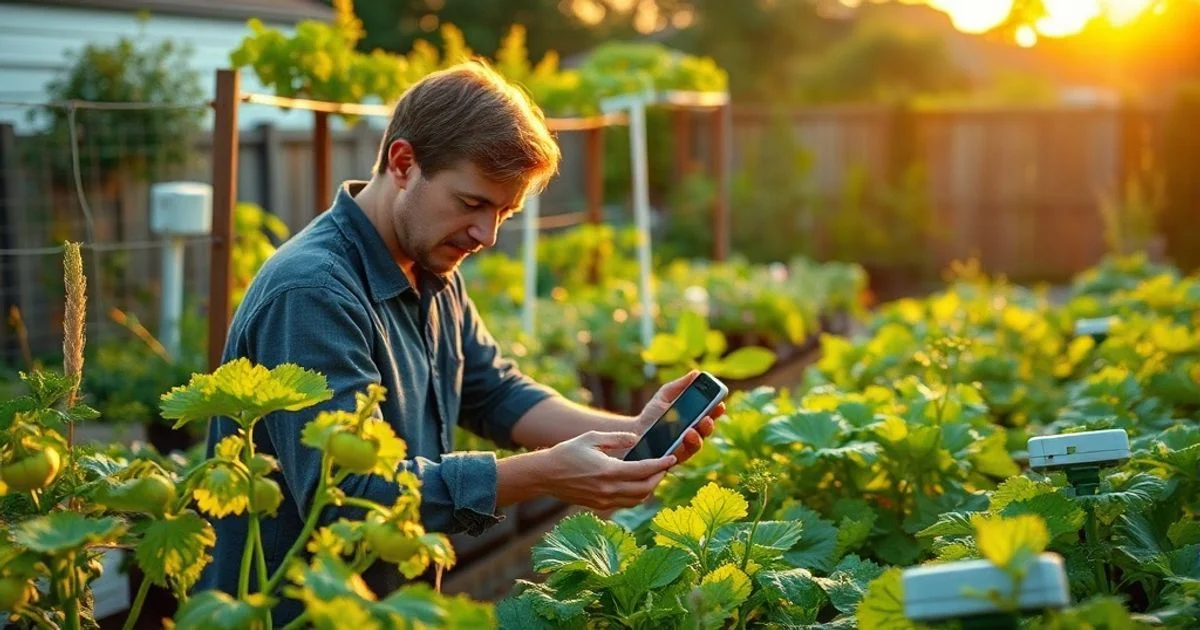
Embarking on the journey to cultivate your own food is a profoundly rewarding endeavor, offering fresh produce and a deeper connection to nature. For the tech-savvy individual, the ambition to start a sustainable backyard vegetable garden goes beyond mere tilling and planting; it's an opportunity to leverage data, automation, and ecological principles for optimal results. This comprehensive guide will navigate you through the foundational steps and advanced techniques, ensuring your green space is not just productive but also environmentally responsible, embodying the spirit of a truly resilient and intelligent outdoor system.
- What Defines a Sustainable Backyard Vegetable Garden?
- The Tech-Informed Blueprint: Planning Your Eco-Garden
- Building the Foundation: Soil as Your Garden's OS
- Precision Hydration: Water Management in a Smart Garden
- Planting Smart: Choosing Species for Resilience and Yield
- Leveraging Technology for an Optimized Garden
- Overcoming Challenges and Measuring Success
- The Future of Backyard Sustainability: Hyperlocal Food Systems
- Conclusion: Cultivating a Greener Tomorrow, One Smart Garden at a Time
- Frequently Asked Questions
- Further Reading & Resources
What Defines a Sustainable Backyard Vegetable Garden?
Before digging into the practicalities, it's crucial to understand the core philosophy behind a sustainable backyard vegetable garden. It's more than just growing organic vegetables; it’s about creating a miniature ecosystem that mimics natural processes, minimizes external inputs, and enriches the environment around it. This approach views the garden as a dynamic, interconnected system rather than a collection of individual plants. The aim is to build a self-sustaining cycle where waste is minimized, resources are conserved, and biodiversity thrives.
Beyond Organic: The Holistic View
While "organic" focuses primarily on avoiding synthetic pesticides and fertilizers, sustainability broadens the scope significantly. It encompasses soil health, water conservation, biodiversity, energy efficiency, and waste reduction. A truly sustainable garden aims to improve the health of its local environment over time, contributing positively to local ecosystems. This means considering the entire lifecycle of your gardening practices, from seed sourcing to harvest, and even the eventual decomposition of plant matter. It's a long-term commitment to ecological stewardship.
Ecological Principles at Play
Sustainable gardening is deeply rooted in ecological science. By understanding and applying these principles, you can design a garden that works with nature, not against it. This approach often leads to more robust plants, fewer pest problems, and a reduced need for human intervention. It’s about creating harmony between your cultivation efforts and the natural world.
-
Biodiversity: A diverse garden is a resilient garden. This means planting a variety of vegetables, herbs, and flowers to attract beneficial insects (pollinators and pest predators) and deter harmful ones. Monocultures, while efficient in large-scale agriculture, are highly susceptible to widespread disease and pest infestations. Introducing diverse plant life creates a more stable and self-regulating environment. For example, a study published in Ecology (2018) demonstrated that increased plant diversity leads to enhanced pest suppression and higher yields in agricultural systems.
-
Resource Conservation: This principle focuses on efficient use of water, nutrients, and energy. It involves practices like rainwater harvesting, composting, and choosing plants adapted to local climates. Minimizing waste, whether it's water runoff or discarded plant material, is a cornerstone. Every resource is valued and reused where possible.
-
Soil Health: The foundation of any sustainable garden is vibrant, living soil. Healthy soil teems with microorganisms, fungi, and invertebrates that break down organic matter, cycle nutrients, and improve soil structure. It acts as a sponge, retaining water and making nutrients available to plants. Practices like composting, mulching, and no-till gardening are crucial for fostering this vital ecosystem beneath your feet.
The Tech-Informed Blueprint: Planning Your Eco-Garden
Successful sustainable gardening, especially for the tech-savvy, begins long before the first seed is sown. It starts with meticulous planning, leveraging data and smart design principles. Think of this as the "architectural phase" of your garden, where every decision is informed by available information and optimized for future performance. This systematic approach reduces trial and error, saving time, resources, and effort in the long run.
Site Selection and Microclimates: Data-Driven Choices
Understanding your garden's environment is paramount. Every backyard has unique characteristics that influence plant growth, often creating subtle "microclimates" – areas with slightly different temperature, light, or moisture conditions. Identifying these can help you place plants where they will thrive best.
-
Sunlight Mapping Apps: Tools like
Sun Surveyor[https://www.sunsurveyor.com/] or even simple compass apps combined with observation can help you map out sun exposure throughout the day and across seasons. This data is critical for placing sun-loving vegetables (like tomatoes and peppers) in optimal spots and shade-tolerant plants (like lettuce and spinach) where they won't scorch. Accurately knowing your sun patterns can increase yield by 20-30% for many crops, preventing issues like etiolation or sunscald. -
Soil Testing Kits (Digital Readouts): Before planting, get a comprehensive understanding of your soil's composition, pH, and nutrient levels. Basic home kits offer quick pH readings, while more advanced digital soil testers (e.g., from
Hydrofarm[https://hydrofarm.com/]) can provide instant feedback on pH, moisture, and even light levels. For a deeper analysis, consider sending a soil sample to your local agricultural extension office. Their detailed reports provide specific recommendations for amendments, turning guesswork into data-driven decisions.
Designing for Efficiency: Permaculture Principles Meets Smart Layouts
Permaculture, a design philosophy centered on sustainability and ecological mimicry, offers invaluable insights for garden layout. Combining these principles with modern layout tools can create a highly efficient and productive space.
-
Zones, Guilds, Companion Planting (Data on Beneficial Relationships):
- Zones: Permaculture organizes gardens into zones based on how frequently you interact with them. Zone 1 (closest to the house) might be for herbs and daily-harvested greens, while Zone 5 (wildest edge) could be for native plants requiring minimal intervention.
- Guilds: Plant guilds are beneficial groupings of plants that support each other's growth, mimicking natural plant communities. For example, the "Three Sisters" guild (corn, beans, squash) is a classic example: corn provides a stalk for beans to climb, beans fix nitrogen in the soil, and squash provides ground cover, suppressing weeds and retaining moisture. Research data consistently shows that such polycultures can increase overall biomass and nutrient cycling compared to monocultures.
- Companion Planting: Specific plant pairings can deter pests, attract beneficial insects, or improve growth. Marigolds deter nematodes, while nasturtiums can act as a "trap crop" for aphids. Garden planning software (e.g.,
GrowVeg[https://www.growveg.com/]) can help visualize these relationships and optimize plant placement for maximum benefit.
-
Raised Beds vs. In-Ground (Airflow, Drainage): Each option has merits depending on your soil and climate.
- Raised beds offer better drainage, warmer soil earlier in the season, and easier weed control. They're ideal for areas with poor native soil and are often more ergonomic, particularly in urban environments or when trying to maximize space, much like applying Best Strategies for Home Gardening in Small Spaces: Tech-Savvy Guide. They also lend themselves well to precise watering systems.
- In-ground gardening is cheaper to establish and allows plants to access a broader soil ecosystem. Consider using a "keyhole garden" design, which combines elements of both, allowing compost to be added directly to the center for continuous nutrient feeding. The choice impacts airflow and drainage, which are critical for root health, particularly in areas prone to heavy rainfall or waterlogging.
Building the Foundation: Soil as Your Garden's OS
Just as an operating system forms the core of any advanced computing device, soil forms the fundamental operating system for your garden. It’s a complex, living matrix that dictates nutrient availability, water retention, and overall plant health. Neglect your soil, and even the most cutting-edge smart gardening tech will struggle to yield results. Prioritizing soil health is the single most impactful step towards a truly sustainable garden.
Understanding Soil Biology: The Microbiome Analogy
Think of your garden soil as a vast, intricate microbiome, much like the human gut. It's teeming with billions of microorganisms – bacteria, fungi, nematodes, protozoa – all working in concert. These unseen workers are responsible for decomposing organic matter, cycling essential nutrients, suppressing diseases, and improving soil structure. A healthy soil microbiome is vital for plant resilience and productivity.
-
Mycorrhizal Fungi: These fungi form symbiotic relationships with plant roots, extending the root system's reach and enhancing nutrient and water absorption. Studies, such as those published in the New Phytologist journal, consistently show that healthy mycorrhizal associations can increase crop yields by up to 30% in nutrient-poor soils.
-
Bacteria and Protozoa: Bacteria play a crucial role in nitrogen fixation and decomposition, while protozoa consume bacteria, releasing nutrients in a form plants can readily absorb. A balanced microbial community ensures a steady supply of nutrients, reducing the need for synthetic fertilizers.
Composting and Vermicomposting: Nutrient Recycling Systems
These practices are the bedrock of nutrient cycling in a sustainable garden, turning "waste" into a valuable resource. They create rich, organic matter that feeds the soil microbiome and provides a slow-release source of nutrients for plants. For a deeper dive into these methods, consider exploring Basic Techniques for Sustainable Home Composting: A Tech Explainer.
-
Composting: This involves decomposing organic materials (food scraps, yard waste) into a dark, crumbly, nutrient-rich soil amendment called compost. A well-managed compost pile balances "greens" (nitrogen-rich, like food scraps) and "browns" (carbon-rich, like dry leaves).
- Smart Composters (Temperature/Humidity Sensors): For the tech-savvy, advanced compost bins feature sensors that monitor temperature and humidity, providing real-time data to optimize decomposition. Some even include aeration systems or agitators that can be automated. Apps can guide you on when to turn the pile or adjust the moisture content, ensuring efficient breakdown and a high-quality end product.
-
Vermicomposting: Using worms (typically red wigglers) to break down organic waste into "worm castings" – a highly potent, nutrient-dense fertilizer. This method is excellent for processing kitchen scraps, especially in smaller spaces or indoors. Worm bins are relatively low-maintenance and produce a continuous supply of castings and "worm tea" (liquid fertilizer).
Cover Cropping and No-Till Methods: Protecting Your Data
These techniques are essential for protecting and enhancing soil integrity, much like data integrity protocols in computing. They prevent erosion, suppress weeds, add organic matter, and improve soil structure without disturbing the delicate underground ecosystem.
-
Cover Cropping: Planting specific crops (e.g., clover, rye, vetch) primarily to benefit the soil rather than for harvest.
- Benefits: They prevent soil erosion during dormant periods, suppress weeds, fix nitrogen (legumes), add organic matter when tilled under (or "chopped and dropped"), and improve soil structure.
- Selection: The choice of cover crop depends on your climate, planting schedule, and specific soil needs. Using data from your soil tests can help select the most beneficial cover crop for your particular situation.
-
No-Till Methods: Also known as "no-dig" gardening, this approach avoids disturbing the soil's structure by refraining from plowing or heavy digging.
- Rationale: Tilling disrupts the soil food web, compacts lower layers, and releases carbon into the atmosphere. No-till methods preserve soil aggregates, protect fungal networks, and enhance water infiltration.
- Implementation: Instead of tilling, organic matter (compost, leaves, straw) is layered on top of the soil, which earthworms and other organisms slowly incorporate. This creates a rich, self-mulching system. Over time, no-till beds require less water and exhibit greater resilience to extreme weather.
Precision Hydration: Water Management in a Smart Garden
Water is an indispensable resource for any garden, but its judicious use is a hallmark of sustainability. In an era of increasing water scarcity and unpredictable weather patterns, optimizing irrigation isn't just eco-friendly; it's an economic imperative. For the tech-savvy gardener, this means moving beyond the simple garden hose to implement smart, data-driven watering strategies.
Rainwater Harvesting Systems: Off-Grid Solutions
Capturing and storing rainwater is one of the most effective ways to reduce reliance on municipal water sources and lower your water bill. Rainwater is also often better for plants, as it's free of chlorine and other chemicals found in tap water.
-
Rain Barrels: These are the simplest form of rainwater harvesting. A barrel connected to a downspout can collect hundreds of gallons over a season. Ensure it has a tight-fitting lid to prevent mosquito breeding. Multiple barrels can be linked for greater capacity.
-
Larger Cisterns: For more extensive gardens or properties, larger cisterns or underground tanks can store thousands of gallons, potentially providing enough water to sustain your garden through dry spells. These systems can be integrated with pumps and filtration for more advanced applications.
-
Greywater Systems: While more complex and often requiring local permits, greywater systems divert water from sinks, showers, and washing machines (excluding toilet water) to irrigate non-edible plants or fruit trees. This closes a significant loop in household water usage.
Drip Irrigation and Soaker Hoses: Targeted Delivery
Traditional overhead sprinklers are notoriously inefficient, losing a significant portion of water to evaporation and runoff. Precision irrigation methods deliver water directly to the plant roots, minimizing waste.
-
Drip Irrigation: A network of tubes with emitters that slowly drip water onto the soil surface, right at the plant's base. This method can reduce water usage by 50-70% compared to conventional watering.
- Benefits: Minimizes evaporation, prevents fungal diseases by keeping foliage dry, and allows for deep, consistent root watering.
-
Soaker Hoses: Porous hoses that "sweat" water along their entire length. They're excellent for long rows of plants or establishing new beds.
- Benefits: Similar to drip irrigation in efficiency and effectiveness, often simpler to install in linear arrangements.
Mulching: The Evaporation Shield
Mulch is any material applied to the soil surface to conserve moisture, suppress weeds, and regulate soil temperature. It's a low-tech yet highly effective solution that complements smart irrigation systems.
-
Organic Mulches: Materials like straw, wood chips, shredded leaves, or compost. As they break down, they enrich the soil, feeding the microbial ecosystem. A 2-4 inch layer is generally recommended.
-
Inorganic Mulches: Materials like gravel or landscape fabric. While they suppress weeds and conserve some moisture, they don't contribute to soil fertility.
-
Benefits: Reduces water evaporation from the soil surface by up to 70%, stabilizes soil temperature (keeping roots cooler in summer and warmer in winter), and smothers weeds, reducing competition for water and nutrients. Data suggests that mulched gardens require significantly less frequent watering while maintaining equivalent or even superior plant health.
Planting Smart: Choosing Species for Resilience and Yield
The choices you make about what to plant are fundamental to your garden's success and sustainability. It's not just about what you like to eat, but what will thrive in your specific conditions with minimal external input. This requires a strategic approach, similar to selecting the right software architecture for a complex system.
Native and Heirloom Varieties: Adapting to Local Conditions
Opting for plants that are well-suited to your local climate and ecosystem is a cornerstone of sustainable gardening.
-
Native Varieties: These plants have evolved in your specific region and are naturally adapted to the local soil, climate, and pest pressures. They typically require less water, fertilizer, and pest control. Integrating native edible plants or companion flowers can enhance the garden's resilience and attract beneficial local wildlife.
-
Heirloom Varieties: These are open-pollinated plant varieties that have been passed down through generations, often valued for their unique flavors, colors, or resistance to local diseases. Unlike many modern hybrid varieties (which are often bred for uniform growth and shipping rather than taste or ecological resilience), heirlooms offer genetic diversity and the ability to save your own seeds, closing the loop on seed reliance. Organizations like
Seed Savers Exchange[https://www.seedsavers.org/] are dedicated to preserving this vital biodiversity.
Crop Rotation and Succession Planting: Optimizing Resource Use
These techniques are powerful tools for maximizing yield, managing pests, and improving soil health over time, much like efficient resource scheduling in computing.
-
Crop Rotation: Involves changing the location of specific plant families in your garden beds each season. For example, if you grow tomatoes (solanaceae) in one bed this year, plant beans (legumes) there next year, then leafy greens (brassicas), and so on.
- Benefits: Prevents the buildup of specific soil-borne pests and diseases associated with particular plant families, balances nutrient depletion (e.g., nitrogen-fixers follow heavy feeders), and improves overall soil structure. A common rotation cycle involves root crops, leaf crops, fruit crops, and legumes.
-
Succession Planting: Involves planting small batches of the same crop every few weeks rather than planting the entire harvest at once.
- Benefits: Ensures a continuous harvest throughout the growing season, preventing gluts and providing a steady supply of fresh produce. It also maximizes the use of garden space. For instance, once an early lettuce crop finishes, you can immediately plant another fast-growing crop in its place.
- Garden Planning Software: Tools like
Planter[https://www.growveg.com/garden-planner-software.aspx] orSmart Gardener[https://www.smartgardener.com/] can help you visualize and track crop rotations and succession schedules, sending reminders for planting and harvesting. This data-driven approach removes much of the guesswork from complex garden management.
Integrated Pest Management (IPM): A Data-Driven Defense
IPM is an ecological approach to pest control that prioritizes prevention and non-toxic methods, using pesticides only as a last resort. It's about understanding the pest life cycle and intervening at the most effective, least disruptive point.
-
Monitoring: Regular observation of your plants for signs of pests or disease. Early detection is key.
-
Cultural Controls: Practices that make your garden less appealing to pests, such as maintaining healthy soil, proper spacing, removing diseased plant material, and selecting pest-resistant varieties.
-
Biological Controls: Introducing or encouraging natural predators (e.g., ladybugs for aphids, lacewings) or parasites (e.g., parasitic wasps).
-
Physical/Mechanical Controls: Hand-picking pests, using row covers to exclude insects, setting traps, or using barriers.
-
Pest Identification Apps: Apps like
PictureThis[https://www.picturethisai.com/] oriNaturalist[https://www.inaturalist.org/] can help identify unknown pests or diseases, providing data on their life cycles and recommended organic control methods. This diagnostic approach allows for targeted intervention rather than broad-spectrum chemical application, which can harm beneficial insects.
Leveraging Technology for an Optimized Garden
For the tech-savvy gardener, technology isn't just a convenience; it's a powerful enabler for truly sustainable and highly efficient cultivation. Integrating smart devices and data analytics allows for precision gardening, minimizing waste, maximizing yields, and automating routine tasks, freeing up time for deeper engagement with the garden's ecosystem.
IoT Sensors and Data Analytics: Real-time Garden Metrics
Internet of Things (IoT) sensors are the eyes and ears of your smart garden, providing a continuous stream of environmental data that can inform critical decisions.
-
Soil pH, Moisture, Nutrient Levels, Temperature: Sensor nodes placed in garden beds can measure these crucial parameters in real-time. For example,
Pflanzen[https://www.plantower.com/] orXiaomi Flower Care[https://www.mi.com/global/flower/] are readily available options. These sensors send data wirelessly to a central hub or cloud platform.- Data Accuracy: While consumer-grade sensors provide good general insights, professional-grade sensors offer higher accuracy, especially for nutrient levels.
-
Dashboards and Alerts: The collected data is typically visualized on a user-friendly dashboard (via a smartphone app or web interface). This allows you to see trends, identify potential issues (e.g., dropping pH, low moisture), and receive automated alerts when thresholds are crossed. For example, if soil moisture drops below optimal levels for your tomato plants, you'll receive a notification, prompting you to water or triggering an automated irrigation system. This proactive approach prevents stress to plants and reduces reactive interventions.
Automated Systems: From Watering to Monitoring
Automation extends beyond simple sensor alerts, allowing systems to take action based on the data they receive. This transforms manual chores into background processes, ensuring consistent care even when you're away.
-
Smart Irrigation Controllers: Devices like
Rachio[https://rachio.com/] orRain Bird[https://www.rainbird.com/homeowners/products/smart-wifi-controllers] integrate with local weather forecasts and soil moisture sensors. They can automatically adjust watering schedules based on rainfall, evaporation rates, and specific plant needs, leading to significant water savings (reports suggest up to 30-50%). Some advanced systems can even detect leaks. -
Automated Grow Lights (for Seedlings): For starting seeds indoors or extending the growing season, automated grow lights (LED full-spectrum) can be programmed to provide optimal light cycles. Paired with humidity and temperature sensors, these systems create an ideal microclimate for young plants.
-
Automated Venting and Shading: In greenhouses or cold frames, smart controllers can open vents to prevent overheating or deploy shade cloth to protect plants from intense sun, all based on temperature sensor readings.
Open-Source Gardening Solutions: Community-Driven Innovation
The tech community's spirit of open-source collaboration extends to gardening, offering accessible and customizable solutions for smart gardeners.
-
DIY Smart Garden Projects: Platforms like
Arduino[https://www.arduino.cc/] andRaspberry Pi[https://www.raspberrypi.org/] enable hobbyists to build their own sensor networks, automated watering systems, or even robotic planters. Numerous tutorials and project guides are available, allowing for highly tailored and cost-effective solutions. -
Online Forums and Communities: Websites like Reddit's r/gardening or specialized forums (Home Assistant communities for smart home integrations) provide platforms for sharing knowledge, troubleshooting problems, and discovering new open-source gardening tech. This collaborative environment fosters innovation and helps gardeners find practical solutions to unique challenges.
Overcoming Challenges and Measuring Success
Every garden, no matter how well-planned or technologically advanced, will encounter challenges. The key to sustainable gardening lies in anticipating these hurdles and developing resilient, data-informed strategies to overcome them. Moreover, understanding how to quantify your garden's impact allows you to truly appreciate its value and continually improve your practices.
Dealing with Pests and Diseases: Diagnostic Tools
Despite best efforts, pests and diseases will inevitably emerge. The tech-savvy gardener approaches these not as failures, but as data points requiring diagnosis and targeted intervention.
-
Mobile Diagnostic Apps: Beyond simple identification, apps like
Plantix[https://plantix.net/plant-disease/] use AI to analyze photos of affected plants, offering potential diagnoses and recommending organic treatments. This is akin to having a plant pathologist in your pocket, providing immediate insights. -
Microscopy and Remote Monitoring: For more advanced diagnostics, small, portable digital microscopes can help identify fungal spores or tiny insect eggs. Coupled with Wi-Fi enabled cameras, these can even allow for remote monitoring of problem areas.
-
Biological Controls: Leveraging beneficial insects, nematodes, or fungi to combat pests. Knowing the life cycle of both the pest and its predator, often aided by online databases, ensures effective deployment of these natural allies.
Adapting to Climate Change: Resilient Gardening Strategies
Climate change introduces unprecedented variability: more extreme weather, shifted growing seasons, and new pest migrations. Sustainable gardens must be designed with resilience in mind.
-
Drought-Tolerant Varieties: Prioritize native plants or varieties specifically bred for drought tolerance in regions experiencing increased water scarcity.
-
Shade Structures: Employing temporary or permanent shade cloths during intense heat waves can protect sensitive crops from scorching. Automated shade systems can be triggered by high temperatures.
-
Water-Retention Practices: Doubling down on mulching, improving soil organic matter, and utilizing wicking beds can significantly improve your garden's ability to withstand dry periods.
-
Microclimate Creation: Using structures like trellises, fences, or strategically placed larger plants can create beneficial microclimates that shield more sensitive vegetables from wind or excessive sun.
Quantifying Your Impact: Data on Water Saved, Yield Produced
A key aspect of sustainability is accountability and improvement. For the data-driven gardener, measuring the tangible benefits of their efforts provides motivation and informs future decisions.
-
Water Savings: By monitoring municipal water meter readings before and after implementing smart irrigation, or by tracking rainwater harvested, you can quantify precisely how much water your sustainable practices are saving.
- Example: "Our smart irrigation system reduced municipal water usage for the garden by 45% this season, saving an estimated 5,000 gallons."
-
Yield Produced: Keep a log of your harvests by weight or quantity. This data can be compared season to season, providing insights into which practices or varieties are most productive.
- Example: "Total tomato yield increased by 20% this year after implementing crop rotation and soil amendments, reaching 85 lbs from a 10x4 ft bed."
-
Reduced Waste: Track the amount of food scraps diverted to compost, rather than landfill. Estimate the reduction in plastic packaging by growing your own produce.
-
Carbon Sequestration: While harder to quantify precisely at a backyard level, understanding that healthy soil acts as a carbon sink adds to the environmental impact. The
Carbon Farming Initiative[https://carbonfarming.org.au/] provides broader context. -
Monetary Savings: Calculate the retail value of the produce you grow versus what you would have spent at the grocery store. This often makes the investment in time and tech tangible.
The Future of Backyard Sustainability: Hyperlocal Food Systems
The trajectory of sustainable backyard gardening is heading towards increasingly integrated, intelligent, and productive systems. As technology advances and environmental consciousness grows, our backyards will transform into highly optimized, localized food production hubs, playing a vital role in food security and ecological restoration.
Vertical Gardens and Hydroponics/Aeroponics Integration
Space is a premium, especially in urban environments. Future sustainable gardens will increasingly look up, not just out.
-
Vertical Gardens: These structures allow plants to grow in vertically stacked layers, significantly increasing yield per square foot. They can be integrated with smart irrigation to deliver water and nutrients efficiently.
-
Hydroponics and Aeroponics: Growing plants without soil, using nutrient-rich water (hydroponics) or mist (aeroponics). While often associated with indoor commercial farms, these systems are becoming more compact, energy-efficient, and suitable for backyard integration, particularly for leafy greens and herbs. They offer precise control over nutrient delivery and water usage, making them incredibly sustainable in terms of resource efficiency. Future backyard systems might feature small, solar-powered hydroponic towers alongside traditional soil beds, creating a hybrid approach.
AI-Driven Insights and Predictive Analytics for Growers
The sheer volume of data generated by smart garden sensors today is just the beginning. The next frontier involves artificial intelligence and machine learning to turn this data into actionable, predictive insights.
-
Personalized Planting Schedules: AI algorithms could analyze your specific microclimate data (sunlight, temperature, historical weather), soil composition, and plant preferences to generate highly optimized planting and harvesting schedules, even suggesting specific varieties that will perform best.
-
Early Disease and Pest Detection: Advanced AI could process images from garden cameras and sensor data to detect the earliest signs of plant stress, disease, or pest infestations, often before they are visible to the human eye. This allows for hyper-targeted, preemptive intervention.
-
Automated Nutrient Adjustments: Integrated systems could dynamically adjust nutrient delivery (in hydroponic/aeroponic setups or via smart fertigation in soil) based on plant growth stage, observed nutrient deficiencies (via image analysis), and real-time soil tests.
-
Yield Forecasting: Predictive models could estimate future yields based on current growth rates, weather forecasts, and historical data, helping gardeners plan for harvests and potential surpluses. This data could even be aggregated for community-level food planning.
-
Robotics in the Backyard: While still largely commercial, imagine small, autonomous robots that can monitor plants, identify weeds, or even assist with harvesting specific crops in a backyard setting, all guided by AI.
Conclusion: Cultivating a Greener Tomorrow, One Smart Garden at a Time
Embracing the challenge of "How to start a sustainable backyard vegetable garden" is a journey that offers profound rewards, both personal and planetary. It transcends mere gardening, becoming an act of ecological stewardship, a commitment to local food security, and an exciting application of technology to traditional practices. By integrating thoughtful planning, robust ecological principles, and cutting-edge smart gardening technologies, you can transform your backyard into a thriving, resilient ecosystem.
Your sustainable garden is more than just a source of fresh, healthy produce; it's a living lab where you can experiment, learn, and contribute positively to your immediate environment. It conserves water, enriches soil, supports biodiversity, and reduces your carbon footprint. As we look towards a future requiring ever greater resource efficiency and localized food systems, the principles and practices of a smart, sustainable backyard vegetable garden will only grow in importance. So, dig in, connect your sensors, and cultivate your piece of a greener, more self-sufficient world.
Frequently Asked Questions
Q: What are the core principles of a sustainable backyard vegetable garden?
A: A sustainable garden minimizes external inputs, conserves resources, builds soil health, and fosters biodiversity, mimicking natural ecosystems for long-term health. It leverages technology for efficiency and reduced environmental impact.
Q: How can technology improve my sustainable garden?
A: IoT sensors provide real-time data on soil conditions, weather, and plant health, enabling automated irrigation, early pest detection, and personalized planting schedules. This leads to optimal resource use, higher yields, and less manual effort.
Q: What are key strategies for water conservation in a sustainable garden?
A: Implement rainwater harvesting systems to collect and store precipitation. Utilize drip irrigation or soaker hoses for targeted water delivery directly to plant roots. Additionally, apply a generous layer of mulch to significantly reduce evaporation from the soil surface.