How to Start a Balanced Mediterranean Diet Plan: A Practical Guide
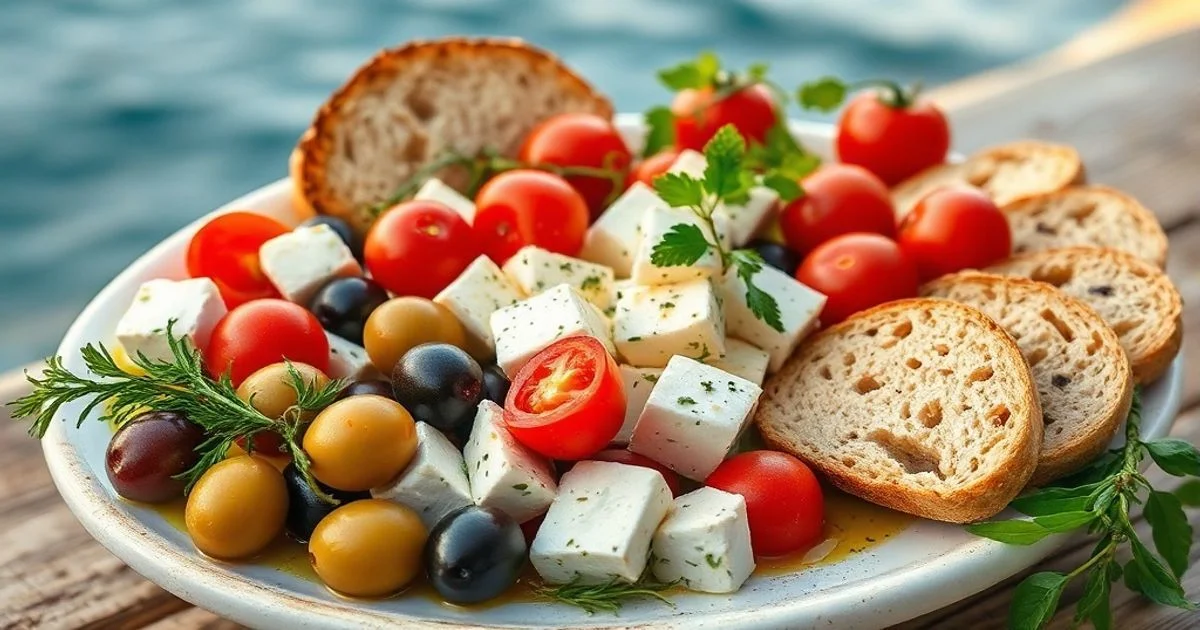
Embarking on a journey towards better health often involves evaluating dietary choices, and few eating patterns garner as much consistent scientific praise as the Mediterranean diet. This acclaimed approach to nutrition, rooted in the culinary traditions of countries bordering the Mediterranean Sea, emphasizes whole, unprocessed foods and a lifestyle that promotes well-being. If you're looking to upgrade your health, understand how to start a balanced Mediterranean Diet Plan can be a transformative step towards sustained vitality and disease prevention. This guide will meticulously unpack the core principles, benefits, and practical steps to seamlessly integrate this powerful dietary framework into your daily life.
- Understanding the Mediterranean Diet: More Than Just Food
- The Science Behind the Benefits: Why It Works
- Deconstructing the Food Pyramid: Key Components of the Mediterranean Diet
- How to Start a Balanced Mediterranean Diet Plan: Your Step-by-Step Guide
- Practical Implementation: From Pantry to Plate
- Navigating Challenges and Common Misconceptions
- Sustainability and Long-Term Adherence
- Conclusion: Embrace the Mediterranean Way of Life
- Frequently Asked Questions
- Further Reading & Resources
Understanding the Mediterranean Diet: More Than Just Food
The Mediterranean diet is not a restrictive regimen but a holistic lifestyle approach to eating that has been practiced for centuries. It's characterized by an abundance of plant-based foods, healthy fats, and a communal dining experience. Unlike fleeting fad diets, its enduring popularity stems from its proven health benefits and its emphasis on sustainable, enjoyable eating habits.
Historical Roots and Cultural Significance
The concept of the Mediterranean diet gained prominence in the 1960s, largely thanks to the research of Dr. Ancel Keys, who observed significantly lower rates of heart disease in Mediterranean populations compared to those in the United States and Northern Europe. This pattern of eating reflects the traditional diets of countries like Greece, Italy, Spain, and Crete, predating the widespread adoption of Western processed foods. It's deeply intertwined with the cultural fabric of these regions, emphasizing fresh, local, seasonal produce and the joy of sharing meals.
Core Principles: A Holistic Approach
At its heart, the Mediterranean diet is built on a few fundamental pillars:
- Abundant Plant Foods: Generous consumption of vegetables, fruits, whole grains, legumes, nuts, and seeds. These provide essential vitamins, minerals, fiber, and antioxidants.
- Healthy Fats: Olive oil is the primary source of fat, valued for its monounsaturated fatty acids and polyphenols. Avocados, nuts, and fatty fish also contribute healthy fats.
- Moderate Protein: Fish and seafood are consumed regularly, poultry and dairy in moderation, and red meat sparingly.
- Mindful Eating: Emphasis on enjoying meals with family and friends, savoring food, and promoting overall well-being.
- Physical Activity: Integral to the lifestyle, encouraging daily movement and an active routine.
- Hydration: Water is the preferred beverage, with wine consumed in moderation, usually with meals.
This combination creates a synergistic effect, where the whole is greater than the sum of its parts, contributing to its remarkable health advantages.
The Science Behind the Benefits: Why It Works
The Mediterranean diet isn't just a culinary trend; it's a scientifically validated dietary pattern linked to a multitude of health improvements. Decades of research have illuminated the mechanisms by which this traditional eating style confers its impressive protective effects.
Cardiovascular Health: The Heart of the Matter
Perhaps the most well-documented benefit of the Mediterranean diet is its profound impact on cardiovascular health. Studies consistently show that individuals adhering to this diet have a significantly reduced risk of heart disease, stroke, and high blood pressure. A meta-analysis published in the Journal of the American College of Cardiology concluded that adherence to a Mediterranean diet was associated with a 29% reduction in major cardiovascular events.
The mechanisms are multifaceted:
- Improved Cholesterol Profile: The high intake of monounsaturated fats from olive oil, coupled with fiber from plant foods, helps to lower LDL ("bad") cholesterol while maintaining or even increasing HDL ("good") cholesterol levels.
- Reduced Inflammation: Chronic inflammation is a key driver of atherosclerosis, the hardening of arteries. The abundance of antioxidants and anti-inflammatory compounds found in fruits, vegetables, nuts, and olive oil actively combats systemic inflammation.
- Better Blood Pressure Regulation: The diet's emphasis on whole, unprocessed foods, high potassium intake from fruits and vegetables, and low sodium content contribute to healthier blood pressure levels.
- Endothelial Function: Ingredients like olive oil and dark leafy greens support the healthy functioning of the endothelium, the inner lining of blood vessels, which is crucial for vascular health.
Cognitive Function and Longevity: Fueling Your Brain
Beyond heart health, the Mediterranean diet has shown promising results in supporting cognitive function and promoting longevity. Research, including a study in JAMA Internal Medicine, suggests that higher adherence to the Mediterranean diet is associated with a slower rate of cognitive decline and a reduced risk of Alzheimer's disease.
The brain-boosting benefits are attributed to several factors:
- Antioxidant Protection: The brain is highly susceptible to oxidative stress. Antioxidants from the diet protect brain cells from damage, preserving their function.
- Anti-Inflammatory Effects: As with cardiovascular health, reduced inflammation in the brain can help prevent neurodegenerative processes.
- Omega-3 Fatty Acids: Found in fatty fish, these essential fatty acids are critical for brain structure and function, supporting neuronal membranes and neurotransmitter activity.
- Improved Blood Flow: A healthy cardiovascular system ensures optimal blood flow to the brain, delivering oxygen and nutrients vital for cognitive performance.
Furthermore, observational studies and reviews, such as those published in The BMJ, indicate that greater adherence to the Mediterranean diet is linked to increased longevity and a lower risk of all-cause mortality, suggesting its overall protective nature for the entire body.
Inflammation and Disease Prevention: A Shield for Your Body
Chronic low-grade inflammation is a silent threat, implicated in the development and progression of numerous chronic diseases, including type 2 diabetes, certain cancers, and autoimmune conditions. The Mediterranean diet's robust anti-inflammatory profile acts as a powerful preventative tool.
- Phytonutrients: Fruits, vegetables, and whole grains are rich in thousands of phytonutrients, many of which possess significant anti-inflammatory and antioxidant properties.
- Fiber: High fiber intake from plant foods promotes a healthy gut microbiome, which in turn plays a crucial role in modulating immune responses and reducing systemic inflammation. A diverse and thriving gut flora produces short-chain fatty acids that have potent anti-inflammatory effects throughout the body.
- Reduced Processed Foods: By prioritizing whole, unprocessed foods, the diet naturally limits the intake of pro-inflammatory ingredients often found in Western diets, such as refined sugars, trans fats, and excessive amounts of highly processed vegetable oils.
By systematically addressing inflammation and oxidative stress, the Mediterranean diet provides a comprehensive shield against many of the most prevalent and debilitating chronic diseases of our time. It shifts the body's internal environment from one of potential vulnerability to one of resilience and optimal function.
Deconstructing the Food Pyramid: Key Components of the Mediterranean Diet
To truly understand and implement this eating pattern, it's essential to grasp the hierarchy and proportion of its various food groups. The traditional Mediterranean diet is often visualized as a pyramid, with foods consumed most frequently at the base and those eaten sparingly at the apex.
Foundation: Fruits, Vegetables, Whole Grains, Legumes, Nuts & Seeds
These plant-based foods form the bedrock of the Mediterranean diet and should constitute the majority of your daily intake. They are nutrient-dense, packed with fiber, vitamins, minerals, and a vast array of protective phytochemicals.
- Fruits and Vegetables: Aim for a wide variety of colors. These provide essential vitamins (like C and K), minerals (potassium, magnesium), and antioxidants. They should be included in every meal and as snacks. Examples include leafy greens, bell peppers, tomatoes, berries, citrus fruits, and apples.
- Whole Grains: Choose unprocessed or minimally processed grains over refined options. Whole grains provide complex carbohydrates for sustained energy, B vitamins, and fiber. Think oats, barley, farro, quinoa, brown rice, and whole-wheat bread and pasta.
- Legumes: Lentils, chickpeas, beans (black beans, kidney beans, cannellini beans), and peas are excellent sources of plant-based protein, fiber, and various micronutrients. They are incredibly versatile and can be incorporated into soups, salads, stews, or made into dips like hummus.
- Nuts and Seeds: Almonds, walnuts, cashews, chia seeds, flax seeds, and sunflower seeds are rich in healthy fats, protein, fiber, and micronutrients. A small handful daily can provide significant benefits, but moderation is key due to their calorie density. They make excellent snacks or additions to meals.
The emphasis on these foods not only nourishes the body but also contributes to satiety, helping manage weight and prevent overeating.
Daily Staples: Olive Oil and Herbs & Spices
Beyond the plant-based foundation, certain items serve as daily enhancers and essential components of the Mediterranean flavor profile.
- Olive Oil: Extra virgin olive oil (EVOO) is the signature fat of the Mediterranean diet. It's used for cooking, dressing salads, and dipping bread. EVOO is rich in monounsaturated fatty acids (specifically oleic acid) and potent antioxidants, including polyphenols. Its health benefits are extensive, ranging from cardiovascular protection to anti-inflammatory effects. Always opt for high-quality extra virgin olive oil for maximum benefits and flavor.
- Herbs and Spices: Instead of relying on salt for flavor, the Mediterranean diet celebrates a vast array of fresh and dried herbs and spices. Basil, oregano, thyme, rosemary, mint, parsley, garlic, onion, and various peppers add depth, complexity, and additional antioxidants to dishes without adding sodium. This emphasis not only enhances taste but also supports overall health by encouraging a lower sodium intake. For those interested in growing their own, check out our guide on How to Start a Sustainable Indoor Herb Garden at Home.
These two categories are integral to both the nutritional value and the sensory experience of Mediterranean cuisine.
Moderate Consumption: Fish & Seafood, Dairy & Poultry
These animal products are consumed in moderation, serving as supplementary protein sources rather than the main focus of every meal.
- Fish and Seafood: Aim for at least two servings per week. Fatty fish like salmon, mackerel, sardines, tuna, and anchovies are particularly valued for their high content of omega-3 fatty acids, which are crucial for heart and brain health. Leaner fish and shellfish are also excellent choices.
- Dairy: Dairy products are consumed in moderate portions, often in the form of yogurt (especially Greek yogurt) and cheese. These are typically full-fat or low-fat varieties and provide calcium, protein, and probiotics. Moderation is key due to their saturated fat content, though fermented dairy products offer unique gut health benefits.
- Poultry: Chicken and turkey are consumed less frequently than fish, perhaps a few times a week. They offer lean protein and are versatile additions to meals. Skinless poultry is generally preferred to minimize saturated fat intake.
The strategy here is to derive protein from diverse sources, with a preference for fish, which offers specific omega-3 advantages.
Sparingly: Red Meat and Sweets
At the very top of the pyramid, these items are consumed infrequently, reserved for special occasions rather than daily staples.
- Red Meat: Beef, lamb, and pork are eaten only a few times a month, in small portions. When consumed, leaner cuts are preferred. This restriction helps to keep saturated fat intake low, which is beneficial for cardiovascular health.
- Sweets: Desserts are typically fruit-based. Added sugars, pastries, and highly processed sweets are consumed rarely. This dramatically reduces the intake of empty calories and refined carbohydrates, which can contribute to inflammation and metabolic issues.
By limiting these items, the diet naturally emphasizes more nutrient-dense, health-promoting foods, aligning with its core principles of balance and moderation.
How to Start a Balanced Mediterranean Diet Plan: Your Step-by-Step Guide
Transitioning to a new eating pattern can seem daunting, but adopting the Mediterranean diet is best approached as an evolution, not a revolution. Here’s a practical, step-by-step guide on how to start a balanced Mediterranean diet plan effectively and sustainably.
Step 1: Assess Your Current Eating Habits
Before making changes, take stock of where you are. For a few days, keep a food journal to record everything you eat and drink. This will provide a baseline and highlight areas where you can most easily incorporate Mediterranean principles.
- Identify gaps: Are you eating enough fruits, vegetables, and whole grains? Is your fat intake primarily from healthy sources like olive oil, or from less healthy options?
- Pinpoint areas for reduction: How often do you consume red meat, processed snacks, or sugary drinks? These are prime candidates for gradual reduction.
- Understand your motivations: What aspects of the Mediterranean diet appeal most to you (e.g., heart health, weight management, increased energy)? Keeping your "why" clear will help maintain motivation.
This initial assessment serves as your diagnostic, much like an engineer understanding current system architecture before designing an upgrade.
Step 2: Gradual Integration, Not Overhaul
Resist the urge to completely change your diet overnight. Sustainable change happens through gradual integration. Think of it as a software update, rolling out features incrementally rather than a complete system reinstall that might lead to bugs or rejection.
- Start small: Begin by swapping out one unhealthy item each week for a Mediterranean-friendly alternative. For example, replace butter with olive oil, or a sugary cereal with oatmeal and berries.
- Increase plant-based meals: Dedicate a few days a week to entirely plant-based meals. Try "Meatless Mondays" with lentil soup or a chickpea curry.
- Focus on additions, not just subtractions: Instead of feeling deprived, focus on adding more vibrant fruits, vegetables, and whole grains to your plate. Add a side salad to lunch, or fruit to your breakfast.
- Experiment with new foods: Introduce one new legume, grain, or vegetable each week. This expands your palate and makes the process more exciting.
This incremental approach reduces the feeling of restriction, making the diet feel like a natural shift rather than a forced sacrifice.
Step 3: Master Meal Planning and Preparation
Successful adherence to any healthy eating pattern hinges on effective planning and preparation. This step is critical for ensuring you consistently have Mediterranean-friendly options available.
- Plan your meals: Dedicate time once a week (e.g., Sunday afternoon) to plan your meals for the coming days. This includes breakfast, lunch, dinner, and snacks. Look for recipes that feature plenty of vegetables, whole grains, and legumes.
- Create a shopping list: Based on your meal plan, make a detailed grocery list. Stick to the perimeter of the grocery store where fresh produce, lean proteins, and dairy are typically found, venturing into the inner aisles primarily for whole grains, legumes, and olive oil.
- Batch cook: Prepare larger quantities of staple ingredients that can be used in multiple meals. Cook a big batch of quinoa, roasted vegetables, or lentil soup. This saves time during busy weekdays.
- Pre-chop ingredients: Wash and chop vegetables, portion out nuts and seeds, or prepare salad dressings in advance. Having ready-to-use components significantly streamlines meal assembly.
- Explore Mediterranean recipes: Websites like "Mediterranean Diet Recipes" or cookbooks focusing on Greek, Italian, or Spanish cuisine can provide inspiration and guidance. Don't be afraid to adapt traditional recipes to suit your preferences and available ingredients.
Consider meal planning as your personal algorithm for healthy eating, optimizing for efficiency and nutritional output.
Step 4: Hydration, Mindful Eating, and Lifestyle Factors
The Mediterranean diet extends beyond just food; it encompasses a broader lifestyle that supports overall well-being.
- Prioritize Water: Make water your primary beverage. Staying well-hydrated is crucial for all bodily functions. Keep a reusable water bottle handy throughout the day.
- Moderate Wine Consumption (Optional): If you enjoy wine, red wine can be consumed in moderation (one 5-ounce glass per day for women, up to two for men), typically with meals. However, it's not a requirement, and if you don't drink alcohol, there's no need to start. The benefits of wine are often overstated compared to the benefits of the diet as a whole.
- Practice Mindful Eating: Slow down and savor your meals. Pay attention to hunger and fullness cues. Eat with others when possible; the social aspect of meals is a cornerstone of Mediterranean culture. Avoid distractions like screens during meal times. Mindful eating enhances digestion and satisfaction.
- Embrace Physical Activity: Regular physical activity is an integral part of the Mediterranean lifestyle. This doesn't necessarily mean intense gym sessions; it could be daily walks, gardening, cycling, or swimming. Aim for at least 30 minutes of moderate-intensity activity most days of the week. For further strategies on maintaining an active lifestyle, read our article on Strategies for Maintaining Long-Term Physical Mobility.
- Prioritize Sleep and Stress Management: Adequate sleep (7-9 hours per night) and effective stress management techniques (like meditation, yoga, or spending time in nature) are crucial for metabolic health and overall well-being, complementing your dietary efforts.
By integrating these lifestyle components, you're not just changing what you eat, but how you live, unlocking the full potential of the Mediterranean approach.
Practical Implementation: From Pantry to Plate
Translating the principles of the Mediterranean diet into daily meals requires practical strategies for stocking your kitchen and preparing food. This section focuses on tangible steps you can take to make the transition smooth and enjoyable.
Essential Pantry Staples
A well-stocked Mediterranean pantry is your secret weapon. Having these items on hand makes meal preparation quick and effortless, ensuring you always have healthy options.
- High-Quality Extra Virgin Olive Oil: Non-negotiable. Use it for cooking, dressings, and finishing dishes.
- Whole Grains: Brown rice, quinoa, whole-wheat pasta, oats, farro, bulgur.
- Legumes (Dried or Canned): Chickpeas, lentils (red, green, brown), cannellini beans, kidney beans. If using canned, rinse thoroughly to reduce sodium.
- Nuts and Seeds: Almonds, walnuts, cashews, chia seeds, flax seeds, sunflower seeds.
- Herbs and Spices (Dried and Fresh): Oregano, basil, thyme, rosemary, parsley, garlic powder, onion powder, red pepper flakes, bay leaves. Also, fresh garlic, onions, and lemons.
- Canned Tomatoes: Diced, crushed, and paste – versatile for sauces and stews.
- Vinegars: Red wine vinegar, balsamic vinegar.
- Olives: Kalamata, green olives – excellent for snacks or adding to dishes.
- Fish (Canned/Frozen): Canned tuna, sardines, frozen salmon fillets.
- Vegetables (Frozen): Spinach, broccoli, mixed vegetables – for quick additions.
Think of your pantry as a carefully curated database, allowing you to query and retrieve the right ingredients for any Mediterranean dish.
Sample 3-Day Meal Plan
Here’s a brief illustrative outline of how a few days on a Mediterranean diet might look, demonstrating the diversity and deliciousness of the plan:
- Day 1:
- Breakfast: Greek yogurt with berries, a drizzle of honey, and a sprinkle of walnuts.
- Lunch: Large mixed green salad with chickpeas, cucumber, tomatoes, olives, and an olive oil-lemon dressing.
- Dinner: Baked salmon with roasted asparagus and quinoa.
- Snack: Apple slices with a few almonds.
- Day 2:
- Breakfast: Oatmeal cooked with water or unsweetened almond milk, topped with sliced banana and flax seeds.
- Lunch: Whole-wheat pita stuffed with hummus, sliced bell peppers, and spinach.
- Dinner: Lentil soup with a side of whole-grain bread dipped in olive oil.
- Snack: Small handful of olives.
- Day 3:
- Breakfast: Whole-wheat toast with mashed avocado and a sprinkle of red pepper flakes.
- Lunch: Leftover lentil soup or a tuna salad (made with olive oil mayonnaise, if used sparingly) on lettuce wraps.
- Dinner: Chicken stir-fry with a variety of colorful vegetables (broccoli, carrots, snow peas) and brown rice.
- Snack: Orange.
This plan is merely a template; the beauty of the Mediterranean diet lies in its flexibility and the endless possibilities for delicious, healthy combinations.
Dining Out and Socializing
Adopting a new diet doesn't mean becoming a hermit. The Mediterranean diet is inherently social, and dining out can still be enjoyable with a few strategic choices.
- Look for Mediterranean Restaurants: Obviously, these are ideal. Opt for dishes with grilled fish, plenty of vegetables, and olive oil.
- General Restaurant Strategies:
- Start with a salad: Ask for dressing on the side and use olive oil and vinegar.
- Choose grilled or baked: Opt for grilled fish or chicken instead of fried options.
- Load up on veggies: Request extra vegetables as a side.
- Whole grains where possible: Ask for brown rice or whole-wheat pasta if available.
- Be mindful of portions: Restaurant portions are often larger than recommended. Consider splitting an entrée or taking half home.
- Limit bread service: If bread is offered, dip it in olive oil rather than butter, and limit your intake.
- At Social Gatherings:
- Bring a dish: Offer to bring a Mediterranean-friendly appetizer or salad (e.g., a large Greek salad, hummus and veggie sticks).
- Fill your plate wisely: Prioritize vegetables, fruits, and lean proteins first.
- Moderate alcohol: If wine is served, enjoy it in moderation.
Navigating social situations successfully requires a proactive approach and a clear understanding of your dietary goals.
Navigating Challenges and Common Misconceptions
While the Mediterranean diet is widely praised, newcomers may encounter certain challenges or hold common misconceptions. Addressing these proactively can ease the transition and ensure long-term success.
Cost and Accessibility
One common concern is that eating healthy, especially a diet rich in fresh produce, can be expensive. While certain organic or specialty items can be pricey, the Mediterranean diet can be very budget-friendly and accessible.
- Embrace Legumes and Whole Grains: These are some of the most inexpensive and nutrient-dense foods available. Dried beans and lentils are incredibly cost-effective.
- Buy Seasonal Produce: Fruits and vegetables are typically cheaper and fresher when they are in season. Shop at local farmers' markets for good deals. For those with limited space, learning about Best Strategies for Home Gardening in Small Spaces can also be incredibly beneficial and cost-effective.
- Frozen and Canned Options: Frozen vegetables and fruits (without added sugars or sauces) are just as nutritious as fresh and often more affordable, especially when out of season. Canned fish (sardines, tuna) are excellent, budget-friendly protein sources.
- Cook at Home: Eating out is generally more expensive than preparing meals at home. Meal planning and batch cooking also reduce food waste, saving money in the long run.
- Limit Meat: Since red meat is consumed sparingly and poultry in moderation, the overall grocery bill for animal proteins can decrease, offsetting potential costs for produce.
Think of it as optimizing your resource allocation – maximizing nutritional return on investment without overspending.
"Mediterranean" Does Not Mean Only Italian/Greek
A misconception is that the Mediterranean diet is exclusively about Italian pasta dishes or Greek salads. While these cuisines are prominent, the Mediterranean basin is vast, encompassing a diverse array of cultures and culinary traditions from Spain, France, North Africa (Morocco, Tunisia), and the Middle East (Lebanon, Turkey).
- Explore Diverse Flavors: Don't limit yourself. Experiment with Spanish paella, Moroccan tagines, Lebanese mezze platters, or Turkish vegetable stews. This variety keeps the diet exciting and prevents palate fatigue.
- Focus on Principles: Remember the core principles (plant-heavy, olive oil, lean protein) rather than specific recipes. You can adapt these principles to virtually any cuisine. For example, a stir-fry with olive oil, lots of vegetables, and brown rice is very much in the spirit of the Mediterranean diet.
Embracing this diversity prevents monotony and fosters a deeper appreciation for global food traditions.
The Role of Wine
As mentioned previously, wine, particularly red wine, is often associated with the Mediterranean diet. It's important to clarify its role:
- Moderation is Key: If consumed, it's typically in moderation (1 glass/day for women, 1-2 for men) and usually with meals.
- Not a Health Requirement: The health benefits attributed to wine are often linked to specific antioxidants like resveratrol. However, you can obtain similar or greater benefits from grapes, berries, and other plant foods without the potential negative effects of alcohol.
- Don't Start if You Don't Drink: If you don't already consume alcohol, there's no health-based reason to start. The overarching benefits of the Mediterranean diet are robust even without wine.
- Individual Considerations: For some individuals (e.g., those with certain medical conditions, pregnant women, or individuals prone to alcohol dependence), abstaining from alcohol is the safest and healthiest choice.
Wine is a cultural element, not a mandatory health component of the diet. The true benefits come from the food choices and lifestyle.
Sustainability and Long-Term Adherence
The true power of the Mediterranean diet lies in its sustainability. It's not a temporary fix but a framework for a lifelong, balanced relationship with food and health. Making it a permanent part of your life requires conscious effort and a shift in mindset.
Making it a Lifestyle, Not a Diet
The term "diet" often implies restriction and a temporary phase. To successfully integrate the Mediterranean approach, reframe it as a sustainable lifestyle choice.
- Focus on Enjoyment: The Mediterranean diet is celebrated for its deliciousness. Discovering new recipes, flavors, and cooking methods should be a source of joy, not a chore.
- Community and Social Connection: Sharing meals with loved ones is a fundamental aspect of the Mediterranean culture. Prioritize dining with family and friends, fostering connections that nourish both body and soul.
- Flexibility Over Rigidity: Life happens. There will be days when you deviate from the plan. Instead of viewing these as failures, see them as minor fluctuations and gently guide yourself back on track. Consistency over time is far more important than perfect adherence every single day.
- Listen to Your Body: Pay attention to how different foods make you feel. This bio-feedback is crucial for fine-tuning your dietary choices to optimize your personal well-being.
This long-term perspective treats your health like a continuous integration and deployment pipeline, always improving and adapting rather than a one-time build.
Flexibility and Adaptation
The Mediterranean diet is not a prescriptive set of rules but a flexible guideline that can be adapted to individual preferences, cultural backgrounds, and dietary needs.
- Personalize Your Plate: While the core principles remain, the specific foods can vary. If you don't like a certain vegetable, find another nutrient-dense alternative. If you have allergies or intolerances, adjust accordingly (e.g., gluten-free whole grains).
- Embrace Your Local Cuisine: Incorporate local, seasonal produce from your region. The spirit of the Mediterranean diet is about eating fresh, local, and seasonal, regardless of your geographical location. A temperate climate might emphasize different vegetables or fruits than a warmer one, but the balance of plant-based foods remains.
- Continuous Learning: Stay curious. Read about nutrition, explore new recipes, and learn new cooking techniques. The journey of healthy eating is a continuous process of discovery and refinement.
- Consult Professionals: If you have specific health concerns, dietary restrictions, or are unsure how to make the transition, consider consulting a registered dietitian or nutritionist. They can provide personalized guidance and ensure the diet is tailored to your unique needs.
By embracing flexibility, you ensure that the Mediterranean diet remains a vibrant and enjoyable part of your life for years to come, adapting seamlessly to changing circumstances and evolving tastes.
Conclusion: Embrace the Mediterranean Way of Life
The Mediterranean diet offers a robust, scientifically-backed pathway to enhanced health and longevity, distinguishing itself not as a temporary fix but as an enduring lifestyle. By understanding how to start a balanced Mediterranean Diet Plan, you unlock a comprehensive framework that prioritizes whole foods, healthy fats, and mindful living. From its deep historical roots to its profound impact on cardiovascular and cognitive health, this eating pattern stands as a testament to the power of traditional, unadulterated nutrition.
Embracing this diet means more than just changing what's on your plate; it's about fostering a deeper connection with your food, engaging in regular physical activity, and appreciating the social joy of shared meals. The transition is best achieved through gradual steps, thoughtful planning, and an openness to diverse culinary traditions. Remember that flexibility, enjoyment, and a long-term perspective are key to sustaining this incredibly beneficial lifestyle. By integrating the principles outlined in this guide, you can confidently embark on your journey towards a healthier, more vibrant Mediterranean way of life.
Frequently Asked Questions
Q: What are the main benefits of the Mediterranean diet?
A: It's primarily known for promoting cardiovascular health, reducing the risk of chronic diseases like type 2 diabetes and certain cancers, improving cognitive function, and extending longevity. It's a holistic approach to well-being.
Q: Do I have to give up all red meat and sweets to follow this diet?
A: Not entirely. The Mediterranean diet encourages consuming red meat and sweets very sparingly, usually a few times a month for red meat and fruit-based desserts daily rather than processed sweets. It emphasizes moderation.
Q: Is the Mediterranean diet expensive or difficult to follow?
A: The diet can be very budget-friendly by focusing on affordable staples like legumes, whole grains, seasonal produce, and canned fish. It's also adaptable to various cuisines, making it flexible and enjoyable rather than restrictive.