How to Properly Care for Indoor Houseplants: A Tech-Savvy Guide
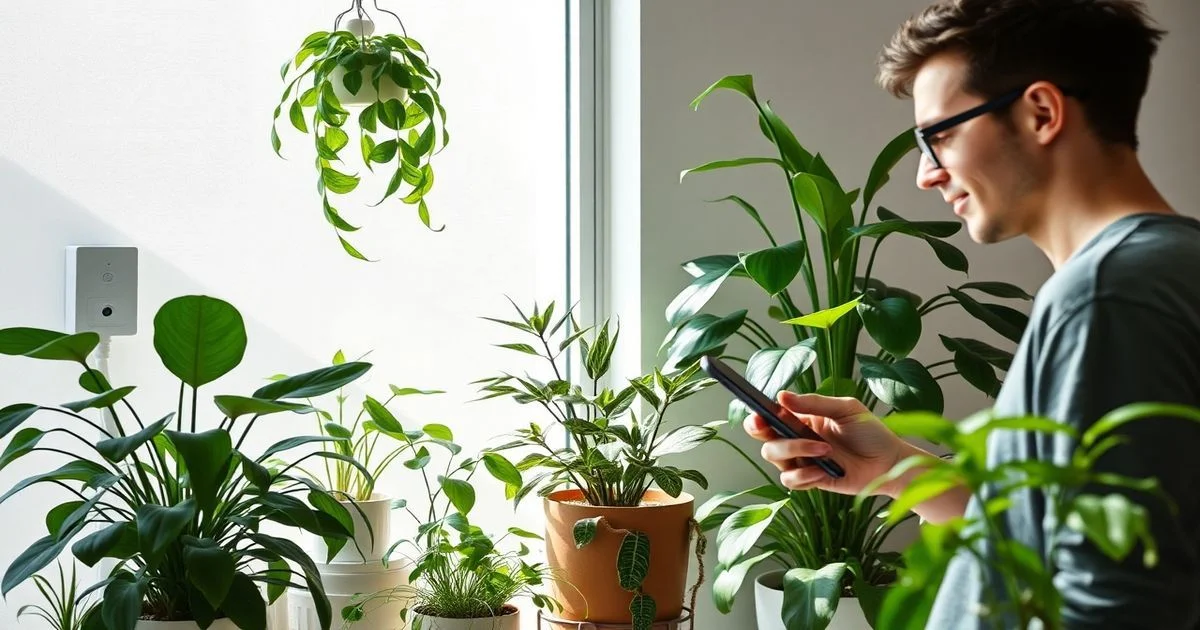
In an increasingly digitized world, many are turning to the calming, restorative presence of nature within their living spaces. While the allure of lush indoor foliage is undeniable, knowing how to properly care for indoor houseplants is a nuanced science that demands precision, observation, and a foundational understanding of botanical needs. This guide offers a deep dive for the tech-savvy individual, dissecting the biological imperatives and environmental factors crucial for cultivating a thriving indoor ecosystem.
- Understanding Your Green Companions: The "What Is It?" of Indoor Plants
- The Science of Thriving: How Indoor Plant Care Works
- Key Components & Best Practices for How to Properly Care for Indoor Houseplants
- Choosing the Right Plant for Your Environment
- Lighting Solutions: Natural vs. Artificial
- Watering Regimens and Techniques
- Soil Substrates and Repotting Protocol
- Managing Humidity and Airflow
- Fertilization Strategies
- Pest Management: Integrated Approaches
- Pruning and Shaping for Health and Aesthetics
- Real-World Applications: Smart Plant Care & Data-Driven Growth
- The Upsides and Downsides of Advanced Plant Care
- Future Outlook: The Evolution of Indoor Horticulture
- Conclusion: Cultivating a Greener, Smarter Indoor Ecosystem
- Frequently Asked Questions
- Further Reading & Resources
Understanding Your Green Companions: The "What Is It?" of Indoor Plants
Before delving into the mechanics of plant care, it's essential to grasp the fundamental biological processes that govern plant life. Unlike outdoor specimens, indoor plants exist in controlled, often suboptimal, environments. Their survival and proliferation hinge on a delicate balance of inputs, mirroring the complex systems we encounter in technology.
The Biological Imperative: Photosynthesis and Respiration
At the core of plant existence are two interwoven biochemical pathways: photosynthesis and respiration. Photosynthesis, derived from the Greek words "photo" (light) and "synthesis" (to put together), is the process by which plants convert light energy into chemical energy in the form of glucose. Chlorophyll, the green pigment found predominantly in leaves, absorbs specific wavelengths of light, primarily red and blue, while reflecting green—which is why most plants appear green to us. This chemical reaction consumes carbon dioxide (CO2) from the atmosphere and water (H2O) absorbed through the roots, releasing oxygen (O2) as a byproduct. The simplified equation is:
6CO₂ + 6H₂O + Light Energy → C₆H₁₂O₆ (Glucose) + 6O₂
Respiration, on the other hand, is the process by which plants convert the stored glucose into usable energy (ATP) for growth, maintenance, and cellular repair. This occurs continuously, day and night, consuming oxygen and releasing carbon dioxide, much like animal respiration. While photosynthesis primarily occurs in chloroplasts and requires light, respiration takes place in the mitochondria of plant cells regardless of light availability. Understanding this dynamic interplay is crucial; a plant needs sufficient light for photosynthesis to produce enough energy to sustain its respiration and growth.
For indoor growers, this means ensuring adequate light exposure is paramount. Without it, the plant cannot produce enough glucose, leading to stunted growth, weakened immunity, and eventual decline. Conversely, excessive light can stress some species, causing leaf burn or bleaching. The balance point is species-specific and often requires careful monitoring, especially in artificial environments.
Environmental Adaptations: From Jungle Floor to Living Room
Indoor houseplants are, by definition, species that have adapted to thrive in environments similar to human dwellings. Many popular varieties originate from tropical or subtropical regions, often growing as understory plants in dense forests. This evolutionary history dictates their specific requirements for light, humidity, and temperature. For instance, a plant native to the jungle floor, like a peace lily (Spathiphyllum), will naturally prefer indirect, filtered light and high humidity, mirroring its ancestral habitat. Conversely, a succulent like a snake plant (Sansevieria trifasciata), which often grows in arid, bright conditions, will tolerate more direct light and much lower humidity levels.
Recognizing a plant's natural habitat is the first step in successful indoor cultivation. It provides a blueprint for understanding its optimal growing conditions. Attempting to force a sun-loving cactus into a dimly lit bathroom, or a moisture-loving fern into a dry, bright windowsill, will invariably lead to poor health or plant demise. It's a classic case of "garbage in, garbage out"—providing inappropriate environmental inputs will yield undesirable biological outputs. This requires careful research into each specific plant's needs, often accessible through botanical databases or reliable horticultural resources. For those interested in extending their green thumb beyond the indoors, a guide on how to start a sustainable backyard vegetable garden can offer valuable insights into outdoor cultivation principles.
The Science of Thriving: How Indoor Plant Care Works
Effective indoor plant care isn't merely about watering when the soil looks dry; it's about optimizing a series of interconnected environmental variables to mimic a plant's ideal native conditions. Each factor plays a critical role, and a deficiency or excess in one area can cascade, negatively impacting overall plant health.
Light: The Fuel for Photosynthesis
Light is arguably the single most critical factor for indoor plants, acting as the primary energy source. Plants utilize light for photosynthesis, converting photons into chemical energy. The quantity, quality, and duration of light all influence a plant's health and growth.
Light Quantity (Intensity):
This refers to the brightness of the light, often measured in Lux (lumens per square meter) or Foot-candles (lumens per square foot). Different plants have vastly different intensity requirements.
- Low Light (500-1,000 Lux / 50-100 FC): Suitable for plants like ZZ plants, Snake Plants, Pothos, and Peace Lilies, often found in offices or rooms with north-facing windows. These plants are adapted to dense undergrowth.
- Medium Light (1,000-2,500 Lux / 100-250 FC): Ideal for Fiddle Leaf Figs, Monsteras, and most Philodendrons. East or west-facing windows often provide this, or positions slightly away from a south-facing window.
- Bright Light (2,500-5,000+ Lux / 250-500+ FC): Required by succulents, cacti, and many flowering plants. South-facing windows, or supplemental grow lights, are often necessary.
Over-illumination can lead to leaf scorching, bleaching, or stunted growth as the plant attempts to protect itself. Under-illumination results in etiolation (stretching towards a light source), pale leaves, and inhibited growth. Monitoring light levels with a light meter or a smartphone app can provide quantitative data for precision placement.
Light Quality (Spectrum):
While sunlight provides a full spectrum, artificial grow lights can be tuned. Plants primarily use red and blue wavelengths.
- Blue light (400-500nm): Essential for vegetative growth and chlorophyll production.
- Red light (600-700nm): Crucial for flowering, fruiting, and stem elongation.
Full-spectrum LED grow lights, mimicking natural sunlight, are generally recommended for comprehensive plant development.
Light Duration (Photoperiod): This is the number of hours a plant receives light per day. Most indoor plants benefit from 12-16 hours of light, followed by a dark period for respiration. Consistent light duration is important for regulating a plant's circadian rhythm. Digital timers are invaluable for maintaining a consistent photoperiod, ensuring plants get their necessary "sleep" cycle.
Water: The Universal Solvent and Transport System
Water is the lifeblood of plants, playing roles far beyond simple hydration. It acts as the medium for nutrient transport, participates in photosynthesis, and maintains turgor pressure, which gives plants their structural rigidity. Improper watering is the leading cause of indoor plant death.
Water Quantity and Frequency:
This is highly dependent on plant species, pot size, soil type, and environmental factors like temperature and humidity. There's no one-size-fits-all schedule. The key principle is to water thoroughly when the plant needs it, allowing excess to drain, and then allowing the topsoil (or a specific depth, depending on the plant) to dry out before the next watering.
- Underwatering: Symptoms include wilting, dry and crispy leaves, and stunted growth. The plant isn't receiving enough water to maintain turgor or transport nutrients.
- Overwatering: More insidious and often fatal. Leads to root rot, where roots, deprived of oxygen in saturated soil, begin to decay. Symptoms often mimic underwatering (wilting, yellowing leaves) because the damaged roots cannot absorb water. The soil may also develop a foul odor.
Water Quality:
Tap water is often acceptable but can contain chlorine, chloramine, or high mineral content (hard water).
- Chlorine/Chloramine: Can be dissipated by letting water sit uncovered for 24 hours.
- Hard Water: Can leave mineral deposits on leaves and in the soil, potentially raising soil pH over time. Distilled or rainwater is ideal for sensitive species like calatheas or carnivorous plants. pH-neutral water is generally preferred.
Watering Methods:
- Top Watering: Pour water slowly onto the soil surface until it drains from the bottom. Ensure even saturation.
- Bottom Watering: Place the pot in a tray of water, allowing the plant to absorb water through its drainage holes. This encourages deeper root growth and can prevent fungus gnats. Remove after 15-30 minutes once the topsoil feels damp.
The "finger test" (inserting a finger 1-2 inches into the soil) is a common method, but moisture meters provide a more objective reading of soil moisture levels, aiding in data-driven decisions.
Soil: The Anchor and Nutrient Repository
Soil is more than just a substrate; it's a complex ecosystem providing physical support, water retention, aeration for roots, and nutrient exchange. The right potting mix is crucial for proper drainage and nutrient availability.
Components of Potting Mix:
- Peat Moss/Coco Coir: Retains moisture and nutrients. Coco coir is a more sustainable alternative.
- Perlite/Pumice: Provides aeration and improves drainage, preventing compaction.
- Vermiculite: Retains moisture and nutrients, also improves aeration.
- Bark (Orchid Bark): Excellent for drainage and aeration, especially for epiphytic plants (like orchids, anthuriums).
- Worm Castings/Compost: Adds organic matter and slow-release nutrients.
Soil pH: The pH level of the soil significantly impacts nutrient availability. Most indoor plants prefer a slightly acidic to neutral pH (6.0-7.0). Extremes in pH can lock up essential nutrients, making them inaccessible to the plant. Soil pH testing kits are available for precise monitoring.
Drainage: Crucial. Pots must have drainage holes to prevent waterlogging and root rot. Layering gravel at the bottom of a pot is a common myth; it creates a perched water table, exacerbating drainage issues rather than solving them. The entire soil column should be consistent to allow uniform drainage.
Humidity and Temperature: Atmospheric Balance
These two atmospheric factors often go overlooked but are critical, especially for tropical indoor plants. They influence transpiration rates and overall plant comfort.
Humidity: The amount of moisture in the air. Many popular houseplants (ferns, calatheas, monsteras) originate from humid jungle environments and thrive in 50-70% relative humidity. Indoor environments, especially with central heating or air conditioning, can drop to 20-40% humidity, causing stress.
- Low Humidity Symptoms: Crispy leaf edges, brown tips, slow growth, increased susceptibility to pests like spider mites.
- Solutions: Humidifiers (the most effective), pebble trays (less effective but provides microclimate), grouping plants (increases local humidity), misting (temporary, less effective for long-term humidity but can help with leaf cleanliness). A hygrometer can provide real-time humidity readings.
Temperature: Most indoor plants prefer temperatures between 18°C and 29°C (65°F and 85°F), aligning with typical human comfort levels. Drastic temperature fluctuations or exposure to cold drafts (e.g., near windows in winter) can stress plants. Avoid placing plants directly near heat vents or air conditioning units. Consistent temperatures are key for metabolic stability.
Nutrition: Macronutrients and Micronutrients
Just like any living organism, plants require a range of nutrients for optimal growth and health. These are broadly categorized into macronutrients (needed in larger quantities) and micronutrients (needed in smaller quantities).
Macronutrients (N-P-K):
- Nitrogen (N): Essential for vegetative growth, lush green foliage. Deficiency leads to yellowing (chlorosis) of older leaves.
- Phosphorus (P): Crucial for root development, flowering, and fruiting. Deficiency can cause stunted growth and a purplish tint to leaves.
- Potassium (K): Important for overall plant vigor, disease resistance, and water regulation. Deficiency might show as yellowing or browning along leaf margins.
Micronutrients: Include iron, manganese, zinc, boron, copper, molybdenum, and chlorine. Though required in trace amounts, deficiencies can lead to specific problems like interveinal chlorosis (yellowing between veins, often indicating iron deficiency).
Fertilization:
Indoor plants deplete soil nutrients over time, especially in small pots. Fertilizing replenishes these.
- Frequency: Generally, fertilize during the active growing season (spring and summer) every 2-4 weeks. Reduce or stop fertilization during dormancy (fall and winter). Over-fertilization can burn roots.
- Type: Balanced liquid fertilizers (e.g., 20-20-20 or formulations specific to foliage vs. flowering) are common. Always dilute to half or quarter strength to avoid chemical burn. Slow-release granular fertilizers are another option.
The analogy of plant nutrition to human nutrition is apt: a balanced diet with proper supplementation is key, but overeating can be detrimental.
Key Components & Best Practices for How to Properly Care for Indoor Houseplants
With a foundational understanding of plant biology and environmental factors, we can now establish actionable best practices. Mastering these elements will empower you to provide the optimal conditions required to properly care for indoor houseplants, transitioning from merely keeping them alive to helping them flourish.
Choosing the Right Plant for Your Environment
This is the most critical first step. Many plant problems stem from a mismatch between a plant's needs and the grower's environment. Before purchasing, assess your home's conditions:
- Light Levels: Which windows face which direction? How much direct vs. indirect light do you receive? Consider using a light meter.
- Humidity: Is your home generally dry, or do you live in a humid climate?
- Temperature: Are there drafty areas, or places prone to extreme temperature swings?
- Your Lifestyle: How much time are you willing to dedicate to plant care? Are you a frequent waterer or prone to forgetting?
Research plants that naturally thrive in those specific conditions. For example, if you have low light and travel frequently, a ZZ plant or snake plant would be a far better choice than a high-light, high-humidity fern. This proactive approach prevents future frustration and plant failure. For individuals with limited space, exploring best strategies for home gardening in small spaces can provide tailored advice.
Lighting Solutions: Natural vs. Artificial
While natural light is always preferred, it's often insufficient or inconsistent indoors.
Optimizing Natural Light:
- Window Placement: South-facing windows offer the brightest, most direct light (ideal for succulents, cacti). East-facing provides gentle morning sun. West-facing gives warmer afternoon sun. North-facing offers the least intense, indirect light.
- Rotation: Rotate plants regularly (e.g., weekly) to ensure even light exposure on all sides, preventing lopsided growth.
- Cleaning: Keep windows clean to maximize light penetration. Dust on plant leaves also blocks light absorption, so wipe them periodically.
Supplemental Artificial Lighting: For low-light areas or to boost growth, artificial grow lights are indispensable.
- LED Grow Lights: Energy-efficient and available in various spectra (full spectrum, red/blue specific). Full-spectrum LEDs are excellent for general houseplant growth.
- Placement: Position lights at an appropriate distance from the plant canopy (usually 6-12 inches, check manufacturer recommendations) to prevent burning while ensuring sufficient intensity.
- Timers: Use a digital timer to provide a consistent 12-16 hour photoperiod. This automation ensures regularity, which plants appreciate.
Watering Regimens and Techniques
Developing a proper watering regimen is an art and a science, requiring observation and responsiveness.
Responsive Watering: Instead of sticking to a rigid schedule, water based on the plant's needs and soil moisture.
- The "Finger Test": Insert a finger 1-2 inches deep. If it feels dry, it's likely time to water. For larger pots or moisture-sensitive plants, a moisture meter provides a more accurate, quantitative reading. Aim for the "dry-out" range before watering for most plants, while keeping others (e.g., ferns) consistently moist.
- Pot Weight: Over time, you'll learn to gauge a plant's water needs by lifting its pot. A dry pot feels significantly lighter than a wet one.
Thorough Soaking and Drainage:
- When you do water, water deeply until excess water drains from the bottom. This flushes out mineral salts and ensures the entire root ball is hydrated.
- Never let a plant sit in standing water for extended periods. Discard any water collected in the saucer after 15-30 minutes to prevent root rot.
Bottom Watering: This technique, where plants soak up water from a tray, is excellent for plants prone to fungus gnats (as the topsoil stays drier) and for encouraging stronger root systems. It also ensures even hydration, as capillary action draws water upwards through the soil.
Soil Substrates and Repotting Protocol
The right soil mix is foundational. It should provide adequate drainage, aeration, and nutrient retention for the specific plant.
Customizing Soil Mixes: While general indoor potting mix is a good base, most plants benefit from amendments.
- Aroid Mix (for Monsteras, Philodendrons, Pothos): Standard potting mix + orchid bark + perlite + coco coir. This mix is chunky, allowing excellent aeration and drainage.
- Succulent/Cactus Mix: Standard potting mix + copious amounts of perlite, pumice, or sand. This ensures very fast drainage and prevents root rot in arid-loving plants.
- Fern Mix: Potting mix + peat moss/coco coir + perlite for moisture retention but still good drainage.
Repotting: Plants outgrow their pots, becoming "root-bound," which stunts growth and makes watering difficult.
- Timing: Repot in spring or early summer when the plant is actively growing.
- Signs of Root-Bound: Roots growing out of drainage holes, plant wilting frequently despite watering, stunted growth, soil drying out very quickly.
- Pot Size: Go up only one pot size (e.g., from 6-inch to 8-inch). Too large a pot holds excess moisture, increasing root rot risk.
- Process: Gently remove the plant, loosen circling roots if necessary, add fresh soil to the bottom of the new pot, center the plant, and fill with more fresh soil, gently tamping it down. Water thoroughly after repotting.
Managing Humidity and Airflow
Humidity is often a forgotten element, yet critical for many tropical species. Good airflow prevents stagnant conditions, which can lead to fungal issues.
Increasing Humidity:
- Humidifiers: Electronic humidifiers are the most effective way to consistently raise ambient humidity, especially beneficial in dry winter months. Aim for 50-70% for tropicals.
- Pebble Trays: Place a tray of pebbles with water just below the top of the pebbles under the plant's pot. As water evaporates, it increases local humidity. Less effective than humidifiers but helps.
- Grouping Plants: Plants release moisture through transpiration. Grouping them creates a microclimate with higher humidity.
Ensuring Airflow:
- Avoid Overcrowding: Give plants space to breathe.
- Circulation: An oscillating fan on a low setting can improve air circulation, mimicking natural breezes, and helping prevent mold, mildew, and some pests. Ensure it's not directly blowing on plants, which can dry them out too quickly.
Fertilization Strategies
Fertilizing is about supplementing, not force-feeding. It’s critical for replenishing nutrients lost from the soil.
Timing and Dosage:
- Growing Season Focus: Fertilize only during the active growing season (typically spring and summer for most houseplants). Plants are dormant or semi-dormant in fall and winter and don't need extra nutrients.
- Dilution is Key: Always err on the side of caution. Dilute liquid fertilizers to half or even quarter strength of the manufacturer's recommendation. Over-fertilization can cause root burn, manifested by crispy, brown leaf edges.
- Type of Fertilizer:
- Balanced (e.g., 20-20-20): Good for general growth.
- High Nitrogen (e.g., 30-10-10): For leafy greens like Pothos, Monstera.
- High Phosphorus (e.g., 10-30-10): For flowering plants.
- Organic Options: Worm castings, compost tea, or slow-release organic granules offer a gentler, more sustained nutrient supply.
Pest Management: Integrated Approaches
Pests are an inevitable part of plant parenthood. Early detection and consistent management are crucial.
Common Pests:
- Spider Mites: Tiny, often red, create fine webbing. Thrive in dry conditions.
- Mealybugs: White, cottony masses in leaf axils and undersides.
- Aphids: Small, pear-shaped, green or black, cluster on new growth.
- Thrips: Tiny, slender, winged insects, cause silvery stippling on leaves.
- Fungus Gnats: Small, black flies that buzz around soil, larvae feed on roots in wet soil.
Integrated Pest Management (IPM): A holistic approach combining several strategies.
- Prevention: Inspect new plants thoroughly before bringing them home. Maintain optimal plant health (healthy plants are less susceptible).
- Early Detection: Regularly inspect leaves (top and bottom), stems, and soil.
- Mechanical Removal: Wipe off pests with a damp cloth or cotton swab dipped in rubbing alcohol. Showering plants can dislodge many pests.
- Biological Controls: Introduce beneficial insects (e.g., ladybugs for aphids, predatory mites for spider mites) in contained environments.
- Chemical Controls (least preferred):
- Neem Oil: A natural insecticide that disrupts pest life cycles. Apply as a spray.
- Insecticidal Soap: Suffocates soft-bodied insects.
- Systemic Insecticides: Absorbed by the plant, making it toxic to feeding pests. Use as a last resort and with caution, especially around pets and children.
Pruning and Shaping for Health and Aesthetics
Pruning is essential for maintaining plant health, promoting bushier growth, and controlling size and shape.
Why Prune?
- Remove Dead/Yellowing Leaves: These consume energy without contributing to photosynthesis and can harbor pests or diseases.
- Encourage Bushiness: Pinching back growth tips stimulates lateral branching.
- Control Size and Shape: Prevents legginess and keeps the plant proportional to its space.
- Promote Flowering: For some species, removing spent flowers encourages new blooms.
- Propagate: Cuttings taken during pruning can be rooted to create new plants.
How to Prune:
- Sterile Tools: Always use sharp, clean pruning shears or scissors to prevent disease transmission.
- Make Clean Cuts: Cut just above a node (where a leaf or branch emerges) or a dormant bud.
- Don't Overdo It: Avoid removing more than 20-30% of the plant's foliage at once, as this can shock the plant.
Real-World Applications: Smart Plant Care & Data-Driven Growth
For the tech-savvy enthusiast, modern innovations offer unparalleled precision in plant care. Leveraging sensors, automation, and data analytics transforms plant parenting from an art into a data-driven science.
Sensor Technology: Real-time Environmental Monitoring
The foundation of smart plant care lies in its ability to gather precise, real-time data about the plant's environment.
- Soil Moisture Sensors: These devices measure the electrical conductivity of the soil, which correlates to its water content. Many models integrate with smartphone apps, providing numerical readings and historical data, eliminating the guesswork of the "finger test." Some even offer predictive analytics, estimating when the next watering will be needed based on historical evaporation rates. Brands like Xiaomi Mi Flora or PlantLink provide accessible options.
- Light Sensors (Lux Meters/PAR Meters): While basic lux meters provide overall brightness, Photosynthetically Active Radiation (PAR) meters measure the specific wavelengths of light plants use for photosynthesis (400-700 nm). These are critical for optimizing grow light placement and ensuring plants receive adequate energy, especially for higher-value crops or rare species. Apps like Photone (for smartphones) or dedicated hardware like the Apogee Instruments MQ-500 offer varying levels of precision.
- Temperature and Humidity Sensors (Hygrometers): Integrated often into multi-sensor units, these monitor ambient conditions. Data logging features allow users to identify patterns (e.g., temperature drops at night, humidity spikes after watering) and adjust environmental controls like humidifiers or heating. Devices like the Govee Bluetooth Thermo-Hygrometer are popular.
Automated Watering Systems: Precision Hydration
Moving beyond manual watering, automated systems ensure consistent, precise moisture levels, mitigating the risks of both over and under-watering.
- Drip Irrigation Systems: Scalable systems that deliver water directly to the soil surface of individual plants. They consist of a water reservoir, a pump, tubing, and emitters. Timers or smart controllers can activate the pump based on schedules or, more advanced, in response to soil moisture sensor data. This ensures plants receive just the right amount of water at the optimal time. Blumat Automatic Watering System offers passive, ceramic cone-based solutions, while various DIY kits are available for larger setups.
- Self-Watering Pots: These pots feature a reservoir at the bottom and a wicking system (e.g., a string or a porous inner pot) that draws water up into the soil as needed. They're excellent for maintaining consistent moisture levels, reducing watering frequency, and providing a buffer for busy schedules. Many modern designs are aesthetically pleasing.
Smart Grow Lights: Tunable Spectra and Schedules
Smart grow lights integrate connectivity and control, allowing for highly customized light delivery.
- App-Controlled Scheduling: Users can program on/off times and dimming schedules from their smartphones, eliminating the need for separate timers.
- Tunable Spectrum: Advanced LED grow lights allow users to adjust the red, blue, and white light ratios. This means growers can provide more blue light for vegetative growth in younger plants and shift to a higher red spectrum to encourage flowering or fruiting in mature plants, optimizing specific developmental stages. Brands like Philips GrowWise or Mars Hydro offer sophisticated options.
- Adaptive Lighting: Future systems may integrate with light sensors to dynamically adjust intensity based on ambient natural light, conserving energy and providing consistent daily light integrals (DLI).
Integrated Pest Management (IPM) Software
While not as common for consumer-level houseplants, the principles of IPM are being digitized.
- Pest Identification Apps: AI-powered apps use image recognition to help identify pests and diseases, suggesting appropriate treatments. PictureThis offers this functionality.
- Environmental Monitoring for Prevention: By linking sensor data (humidity, temperature) to known pest preferences, systems can alert users to conditions conducive to specific pest outbreaks (e.g., low humidity for spider mites) before an infestation becomes severe. This proactive approach is a cornerstone of smart, preventive care.
- Treatment Protocols: Apps can store and recommend integrated treatment plans, from mechanical removal to biological and chemical applications, based on identified pests and plant types.
The Upsides and Downsides of Advanced Plant Care
Embracing technology in horticulture brings both significant advantages and certain challenges, mirroring the adoption curve of any new tech.
Advantages: Optimal Growth & Reduced Guesswork
- Precision and Consistency: Automated systems and sensors remove human error and provide plants with optimal, consistent conditions, leading to healthier, more vigorous growth. No more "guessing" if the soil is dry enough.
- Efficiency and Time-Saving: Automation frees up time, making plant care less demanding. Ideal for busy individuals or those with large collections. Imagine going on vacation without worrying about your plants drying out.
- Data-Driven Insights: Historical data from sensors helps users understand their plants' needs better, allowing for iterative optimization. Identifying trends (e.g., faster water consumption during specific periods) leads to more informed decisions.
- Early Problem Detection: Sensors can alert users to issues (e.g., critically low soil moisture, unusual temperature spikes) before visual symptoms appear, enabling proactive intervention.
- Increased Success Rates: With optimal conditions, even challenging plant species become more manageable, leading to a higher success rate for growers.
Challenges: Cost, Complexity, and Learning Curve
- Initial Investment: Smart plant care technology, especially comprehensive systems, can be expensive. Sensors, smart pots, automated watering systems, and high-quality grow lights represent a significant upfront cost compared to traditional methods.
- Complexity and Setup: Integrating multiple devices and learning their associated apps can have a steep learning curve. Troubleshooting connectivity issues, sensor calibration, or programming schedules requires a degree of technical proficiency.
- Reliance on Technology: Over-reliance on automation can diminish the intuitive understanding of plant needs that comes from hands-on care. A system malfunction could lead to plant distress if not monitored.
- Maintenance and Power: Sensors require battery changes, and automated systems depend on power, making them vulnerable to outages. Maintenance of watering systems (e.g., cleaning pumps, preventing clogs) is also necessary.
- Over-Optimization Risk: While data is good, obsessing over every metric can detract from the joy of gardening. Sometimes, a plant simply needs time and observation, not constant tweaking. The goal is to assist, not replace, the grower's judgment entirely.
Future Outlook: The Evolution of Indoor Horticulture
The trajectory of smart home technology and biotechnology suggests an exciting future for how we care for indoor houseplants. Integration, artificial intelligence, and sophisticated environmental control will lead to ever more responsive and self-sustaining indoor green spaces.
AI-Driven Plant Diagnostics
Imagine a system that not only monitors but also interprets your plant's condition and autonomously suggests solutions.
- Predictive Health Analytics: AI algorithms, trained on vast datasets of plant images and sensor data, could detect subtle signs of stress, nutrient deficiency, or disease long before they're visible to the human eye. Based on current environmental conditions and growth patterns, the AI could predict potential issues and recommend preventive measures.
- Personalized Care Plans: Tailored to specific plant species and individual growing environments, AI could generate dynamic care schedules, suggesting when to water, fertilize, or adjust light, adapting in real-time to changes in climate or plant development.
- Robotics Integration: While still niche, small robotic units could potentially perform tasks like targeted pest removal, precise pruning, or even automated propagation, guided by AI vision systems. For a broader perspective on AI's impact, consider the discussion around OpenAI's trillion-dollar valuation.
Robotic Care Systems
While still in the conceptual phase for consumer houseplants, the potential for robotic assistance is significant.
- Automated Pruning and Harvesting: For micro-gardens or edible indoor plants, small robotic arms equipped with vision systems could identify mature leaves or fruits for harvest, or precisely prune for optimal growth.
- Mobile Plant Platforms: Robotic platforms could move plants to optimize light exposure throughout the day, ensuring every plant receives its ideal photoperiod without manual rotation.
- Integrated Pest Scouting: Robotic "scouts" equipped with cameras and AI could patrol a plant collection, identifying pests and diseases at their earliest stages and potentially even applying targeted organic treatments.
Bio-Integrated Architecture
The ultimate future might see plants not just as decor, but as integral, active components of our living spaces.
- Smart Living Walls: Vertically integrated plant systems that are self-watering, self-lighting, and self-monitoring, contributing to indoor air quality, humidity regulation, and aesthetic appeal with minimal human intervention.
- Closed-Loop Ecosystems: Advanced systems could integrate hydroponics or aquaponics with smart environmental controls, creating fully self-sustaining ecosystems that recycle water and nutrients, even perhaps producing edible crops alongside ornamental plants.
- Biometric Plant Feedback: Future sensors might analyze a plant's sap flow, stomatal conductance, or photosynthetic efficiency in real-time, providing even deeper insights into its physiological state than current environmental sensors. This data would feed into AI systems for hyper-optimized care.
Conclusion: Cultivating a Greener, Smarter Indoor Ecosystem
Successfully cultivating indoor houseplants is a rewarding endeavor that beautifully intertwines botanical science with astute observation and, increasingly, with technological innovation. By understanding the fundamental biological needs of your green companions—their precise requirements for light, water, soil, and atmospheric conditions—you lay the groundwork for a thriving indoor garden. The journey of learning how to properly care for indoor houseplants is continuous, demanding patience and a willingness to adapt.
Embracing smart plant care technology offers an exciting avenue for precision horticulture, transforming guesswork into data-driven decision-making. From sensor-based monitoring to automated watering and tunable grow lights, these tools empower even novice growers to create optimal environments, leading to healthier, more vibrant plants. While traditional gardening practices remain invaluable, the integration of smart solutions promises a future where our indoor ecosystems are not only beautiful but also intelligently sustained. Ultimately, whether through hands-on intuition or cutting-edge tech, the goal remains the same: to foster a greener, more harmonious living space, enriching our lives with the enduring beauty of nature.
Frequently Asked Questions
Q: How often should I water my indoor houseplants?
A: Watering frequency depends on the plant species, pot size, soil type, and environmental factors. Instead of a rigid schedule, water thoroughly when the top 1-2 inches of soil feel dry, allowing excess to drain. Overwatering is more detrimental than underwatering.
Q: What are the signs of insufficient light for a houseplant?
A: Signs include leggy, stretched stems (etiolation), smaller new leaves, pale or yellowing foliage, and a general lack of vigor. Some plants might also fail to flower or produce duller leaf colors. Move the plant to a brighter location or provide supplemental grow lights.
Q: How can I increase humidity for my tropical plants indoors?
A: The most effective method is using an electronic humidifier. Other options include grouping plants together to create a microclimate, placing pots on pebble trays filled with water, or occasionally misting leaves (though misting provides only temporary relief).