How to Create a Sustainable Indoor Vegetable Garden
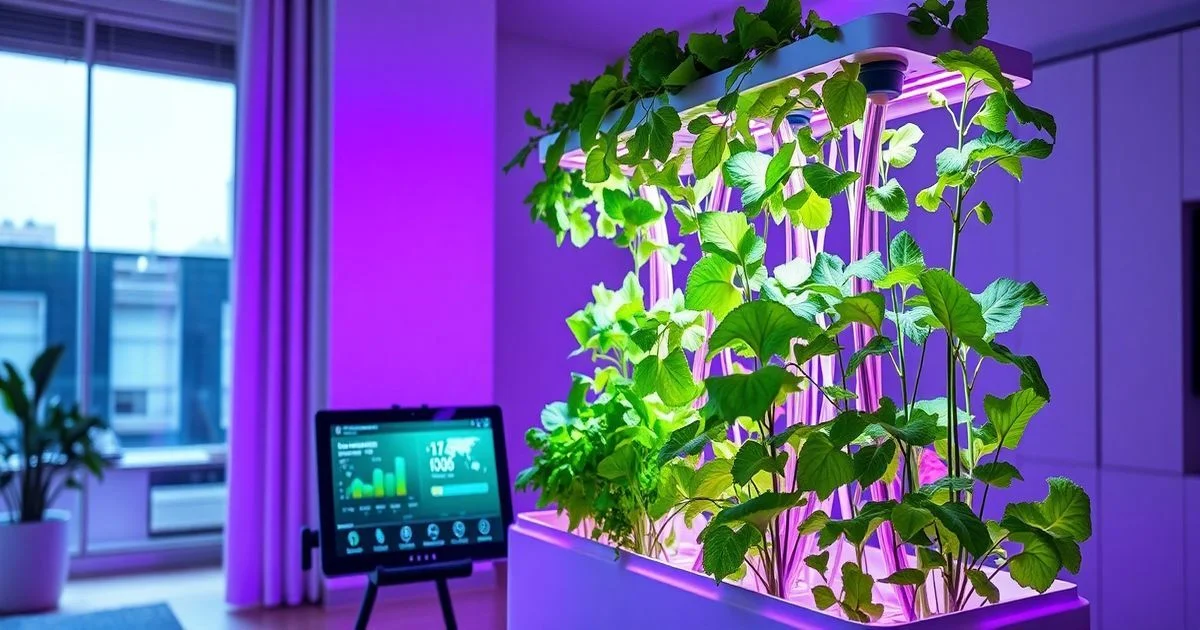
In an era defined by technological advancement and a growing consciousness for environmental preservation, the concept of urban agriculture has transcended traditional soil-based methods. For the tech-savvy enthusiast eager to merge innovation with self-sufficiency, understanding how to create a sustainable indoor vegetable garden represents a pivotal step towards a greener, more resilient lifestyle. This guide delves deep into the systems, components, and methodologies that empower you to cultivate fresh produce within the confines of your home, emphasizing efficiency, automation, and minimal environmental footprint. We aim to equip you with the knowledge to establish a flourishing, sustainable, indoor vegetable garden, leveraging smart technology to optimize growth and resource use.
- The Imperative of Sustainable Indoor Gardening
- Core Technologies Powering Your Indoor Ecosystem
- Essential Components for How to Create a Sustainable Indoor Vegetable Garden
- Step-by-Step Guide: Building Your Sustainable Indoor Garden
- Maintaining Peak Performance: Sustainable Practices
- Advanced Techniques and Future Outlook
- The Pros and Cons of an Automated Indoor Garden
- Conclusion: Cultivating a Greener Tomorrow, Today
- Frequently Asked Questions
- Further Reading & Resources
The Imperative of Sustainable Indoor Gardening
The global population's shift towards urban centers presents significant challenges for food security and environmental impact. Traditional agriculture often demands vast tracts of land, enormous water consumption, and extensive transportation networks, contributing to carbon emissions and resource depletion. Indoor gardening, especially when optimized for sustainability, offers a compelling alternative, bringing food production closer to consumption and drastically reducing its ecological shadow. This section explores the fundamental drivers behind this agricultural revolution and the unique advantages it provides.
Why Go Indoors? Environmental and Urban Advantages
Moving cultivation indoors fundamentally alters the environmental equation. By controlling every aspect of the growing environment—light, temperature, humidity, and nutrients—growers can achieve unparalleled efficiency. This not only allows for year-round production, irrespective of external climate, but also significantly reduces the need for pesticides and herbicides. Estimates suggest that indoor hydroponic farms can use up to 90% less water than traditional field farming, thanks to recirculating systems where water is captured, filtered, and reused. Furthermore, the proximity to consumers in urban settings slashes transportation costs and associated carbon emissions, ensuring fresher produce with a longer shelf life. This localized approach empowers communities, minimizes food waste, and strengthens food supply chains against external disruptions.
The Sustainability Quotient: Beyond Just Growing
Sustainability in indoor gardening extends beyond mere efficiency; it encompasses a holistic approach to resource management. It means designing systems that minimize energy consumption, recycle waste, and select materials with a low environmental impact. For instance, choosing energy-efficient LED grow lights, implementing smart sensors to precisely deliver water and nutrients, and even composting plant waste contribute to a truly sustainable model. The goal is to create a closed-loop system where inputs are minimized and outputs are maximized, not just in terms of yield, but also in ecological responsibility. This involves careful consideration of everything from the pH buffer solutions used to the manufacturing process of the growing containers.
Core Technologies Powering Your Indoor Ecosystem
The modern sustainable indoor vegetable garden is a marvel of applied technology, integrating principles from engineering, biology, and computer science. At its heart lie several core technologies that replace natural elements with highly optimized, controlled systems. Understanding these foundational technologies is crucial for designing, building, and maintaining an efficient indoor farm.
Hydroponics: The Water-Wise Wonderland
Hydroponics, the art of growing plants without soil, is arguably the cornerstone of modern indoor farming. It delivers nutrient-rich water directly to plant roots, offering precise control over the plant's diet and vastly improving growth rates and yields compared to traditional soil methods. The absence of soil eliminates soil-borne pests and diseases, simplifying pest management and reducing the need for chemical treatments. There are several popular hydroponic techniques, each with its own advantages and ideal applications.
Deep Water Culture (DWC)
DWC is one of the simplest and most widely used hydroponic methods, making it an excellent starting point for beginners. Plants are suspended in net pots with their roots submerged in a reservoir of nutrient-rich water. An air pump and air stone oxygenate the water, preventing root rot and ensuring adequate oxygen supply for healthy growth. DWC is particularly effective for larger, water-loving plants like lettuce, spinach, and herbs. Its simplicity of setup and low maintenance make it attractive, though managing water temperature and dissolved oxygen levels becomes more critical for optimal results. The constant submersion means roots have continuous access to water and nutrients, promoting rapid vegetative growth.
Nutrient Film Technique (NFT)
In NFT systems, plants are placed in sloped channels, and a thin film of nutrient solution flows continuously over their roots. This constant flow provides both nutrients and oxygen, as the roots are not fully submerged, allowing for better gas exchange. NFT systems are known for their efficiency and suitability for fast-growing, shallow-rooted plants such as leafy greens, strawberries, and various herbs. The recirculating nature of NFT minimizes water usage, making it highly sustainable. However, power outages can quickly dehydrate roots, and maintaining the correct slope and flow rate is critical to prevent waterlogging or nutrient deficiencies. The design often involves a pump, a reservoir, and a network of channels, requiring careful plumbing and calibration.
Drip Systems
Drip systems are versatile hydroponic methods where a pump delivers nutrient solution from a reservoir to individual plants via small emitters or "drip lines." These systems can be either recirculating (recovery) or non-recirculating (non-recovery). In recovery systems, excess nutrient solution drains back into the reservoir for reuse, while in non-recovery systems, it is discarded. Drip systems are highly customizable and can support a wide range of plants, including larger fruiting vegetables like tomatoes, peppers, and cucumbers. They are highly efficient in water and nutrient delivery, minimizing waste. However, emitters can sometimes clog, requiring regular maintenance, and the uniform delivery of nutrients necessitates careful monitoring of the solution's composition.
Example Drip System Configuration:
  - Reservoir size: 20-50 liters (depending on garden size)
  - Pump flow rate: 200-500 liters/hour (adjusted by manifold)
  - Drip emitters: 1-2 liters/hour per plant
  - Irrigation cycles: 3-6 times per day, 5-15 minutes each
  - Growing medium: Coco coir, rockwool, or perlite
Aeroponics: The Mist Advantage
Aeroponics represents an advanced form of hydroponics where plant roots are suspended in the air and misted with a nutrient solution. This method maximizes oxygen exposure to the roots, leading to exceptionally fast growth rates and higher yields. Plants absorb nutrients more efficiently from the fine mist, and the increased oxygen encourages robust root development. Aeroponic systems use even less water than traditional hydroponics, as the nutrient solution is precisely atomized and delivered directly to the roots. However, they are generally more complex to set up and maintain, requiring specialized high-pressure pumps and fine mist nozzles. Clogging of nozzles can be an issue, and power failures can rapidly lead to plant dehydration. Despite the challenges, the efficiency and growth potential of aeroponics make it a frontier technology for sustainable indoor farming.
Lighting: The Artificial Sun
Light is the primary energy source for photosynthesis, and in an indoor garden, artificial lighting replaces the sun. The choice and management of grow lights are critical for plant health, growth, and overall energy efficiency. Modern grow lights offer sophisticated control over spectrum and intensity, mimicking natural sunlight or optimizing for specific growth stages.
LED Grow Lights: Spectrum and Efficiency
LED (Light Emitting Diode) grow lights are the standard for sustainable indoor gardening due to their exceptional energy efficiency, long lifespan, and ability to emit specific light spectra. Unlike older HID (High-Intensity Discharge) lamps that waste a significant amount of energy as heat, LEDs convert a larger percentage of electricity into photosynthetically active radiation (PAR). They can be tuned to emit precise wavelengths of light, such as red and blue light, which are most crucial for photosynthesis. Red light promotes flowering and fruiting, while blue light encourages vegetative growth. Some advanced LEDs can even simulate dawn and dusk cycles or provide full-spectrum white light that closely mimics natural sunlight. Investing in high-quality, dimmable LEDs with customizable spectrums allows for precise environmental control and significant energy savings, reducing the carbon footprint of your garden.
Typical LED Spectrum for Growth Stages:
  - Vegetative Growth: Higher blue light ratio (450-490 nm)
  - Flowering/Fruiting: Higher red light ratio (620-750 nm)
  - Germination/Seedling: Lower intensity, broader spectrum white light
Photoperiod Management
Plants respond to the duration of light and darkness (photoperiod) to regulate their growth cycles, including flowering and fruiting. In a sustainable indoor garden, this photoperiod is precisely controlled using timers and smart controllers. For most leafy greens and herbs, a consistent 16-18 hours of light followed by 6-8 hours of darkness is optimal for vegetative growth. Fruiting plants like tomatoes or peppers might require specific light cycles to initiate flowering. Automation ensures that lights turn on and off consistently, preventing stress to plants and maximizing energy efficiency. Programming varying light schedules based on plant type and growth stage is a key aspect of advanced indoor gardening.
Climate Control: Air, Temperature, and Humidity
Just as important as light and nutrients, the ambient environment—air quality, temperature, and humidity—plays a critical role in plant health and overall system efficiency. Controlling these factors prevents issues like mold, ensures proper transpiration, and maximizes photosynthetic rates.
Ventilation and CO2 Enrichment
Proper air circulation is vital for preventing stagnant air pockets, which can lead to fungal diseases and hinder gas exchange around plant leaves. Fans are used to move air throughout the grow space, mimicking natural breezes. Additionally, plants consume carbon dioxide (CO2) during photosynthesis. In an enclosed indoor environment, CO2 levels can become depleted, limiting growth. CO2 enrichment systems, such as compressed CO2 tanks or CO2 generators, can boost ambient CO2 levels from the atmospheric average of ~400 ppm to 800-1200 ppm, significantly accelerating plant growth and yield. However, CO2 enrichment must be carefully managed with proper ventilation to avoid exceeding safe levels for humans and ensuring efficient use.
Temperature and Humidity Regulation
Plants thrive within specific temperature and humidity ranges. For most vegetables, daytime temperatures between 20-28°C (68-82°F) and nighttime temperatures a few degrees lower are ideal. Humidity levels typically range from 50-70% during vegetative growth, often lowered during flowering to prevent mold. HVAC systems, dehumidifiers, humidifiers, and exhaust fans are employed to maintain these precise conditions. Smart sensors constantly monitor temperature and humidity, triggering these devices to activate only when necessary, thereby optimizing energy consumption. Maintaining a stable environment reduces plant stress, minimizes water loss through excessive transpiration, and creates optimal conditions for nutrient uptake.
Essential Components for How to Create a Sustainable Indoor Vegetable Garden
Beyond the core technologies, a sustainable indoor vegetable garden relies on a suite of essential components that work in concert to support plant life. These range from the physical structure to the consumables that feed and nurture your plants. Selecting the right components is crucial for efficiency, longevity, and environmental responsibility.
Growing Mediums: Soilless Solutions
Since hydroponic systems operate without soil, alternative growing mediums are necessary to provide physical support for the plants and retain moisture and air around the roots. Sustainable choices prioritize inert, reusable, or biodegradable materials.
- Rockwool: Made from spun molten rock, rockwool is an inert, porous medium excellent for water retention and aeration. It's widely used but not biodegradable, prompting some growers to seek alternatives.
- Coco Coir: A byproduct of coconut processing, coco coir is a highly sustainable and renewable medium. It offers excellent water retention, aeration, and root penetration, and can often be reused or composted. It requires buffering before use due to its natural salt content.
- Perlite & Vermiculite: These lightweight, porous volcanic minerals are often used as amendments to other mediums or as standalone substrates. They improve drainage and aeration. Perlite is particularly good for drainage, while vermiculite retains more water.
- Clay Pebbles (Hydroton): Lightweight expanded clay aggregate (LECA) pebbles are reusable, inert, and provide superb aeration and drainage. They are excellent for ebb-and-flow systems and as a top layer to prevent algae growth.
Choosing the right medium depends on the hydroponic system and the specific needs of the plants. For a sustainable approach, prioritizing renewable and reusable options like coco coir and clay pebbles is highly recommended.
Nutrient Solutions: The Plant's Diet
In a soilless environment, plants receive all their essential minerals from a precisely formulated nutrient solution. This solution is a balanced blend of macronutrients (nitrogen, phosphorus, potassium, calcium, magnesium, sulfur) and micronutrients (iron, manganese, boron, zinc, copper, molybdenum, chlorine).
Key Considerations for Nutrient Solutions:
- Formulation: Different plants have varying nutrient requirements, and these also change throughout the plant's life cycle (e.g., more nitrogen during vegetative growth, more phosphorus and potassium during flowering). Commercial hydroponic nutrient blends are available in "grow" and "bloom" formulas, often sold as two-part or three-part systems to prevent nutrient lock-up when concentrated.
- pH Management: The pH of the nutrient solution significantly impacts nutrient availability. Most vegetables thrive in a slightly acidic range, typically between 5.5 and 6.5. Monitoring pH daily with a digital meter and adjusting it with "pH Up" (potassium hydroxide) or "pH Down" (phosphoric acid) solutions is crucial.
- Electrical Conductivity (EC) / Total Dissolved Solids (TDS): EC meters measure the electrical conductivity of the solution, which indicates the concentration of dissolved mineral salts (nutrients). TDS meters measure total dissolved solids. Monitoring EC/TDS ensures plants receive the correct nutrient strength – too low can lead to deficiencies, too high can cause nutrient burn.
Sustainable practices involve regular reservoir changes (every 1-2 weeks) to prevent nutrient imbalances and pathogen buildup, and potentially using filtered rainwater or reverse osmosis water to start with a clean slate, free of chlorine and other contaminants.
Water Management: Pumps, Reservoirs, and Filtration
Efficient water management is at the heart of a sustainable indoor garden. It involves a closed-loop system designed to minimize waste and ensure consistent delivery.
- Reservoirs: These containers hold the nutrient solution. They should be opaque to prevent algae growth (algae consumes nutrients and oxygen) and sized appropriately for the system to reduce the frequency of refills and maintain stable nutrient levels.
- Water Pumps: Submersible pumps circulate the nutrient solution from the reservoir to the plants (in NFT, DWC, drip, ebb-and-flow systems) or for aeration (in DWC). Selecting an energy-efficient pump with the correct flow rate for your system is important.
- Air Pumps and Air Stones: In DWC and other systems where roots are submerged, air pumps provide oxygen to the nutrient solution via air stones. This prevents anaerobic conditions, which lead to root rot and hinder nutrient uptake.
- Filtration: Filters can be incorporated to remove debris from the nutrient solution, protecting pumps and emitters from clogging and extending the life of the solution. UV sterilizers can also be used to kill pathogens without chemicals.
- Water Quality: Starting with high-quality water (e.g., filtered tap water, reverse osmosis (RO) water, or rainwater) is crucial. Tap water often contains chlorine and other minerals that can affect pH and nutrient balance. RO systems remove nearly all impurities, giving you a blank canvas to build your nutrient solution.
Basic Water Quality Parameters:
  - pH: 5.5 - 6.5 (target range for most plants)
  - EC: 1.2 - 2.5 mS/cm (varies by plant type and growth stage)
  - Temperature: 18-24°C (65-75°F)
  - Dissolved Oxygen (DO): >5 mg/L
Environmental Monitoring and Automation (IoT Integration)
The "tech" in tech-explainer content truly shines in the automation and monitoring capabilities of a sustainable indoor garden. IoT (Internet of Things) devices allow for continuous data collection, remote control, and intelligent decision-making, minimizing manual intervention and optimizing growing conditions.
Sensors: pH, EC, Temperature, Humidity
A network of sensors provides real-time data on the garden's vital parameters:
- pH Sensors: Continuously monitor the acidity/alkalinity of the nutrient solution.
- EC/TDS Sensors: Track nutrient concentration.
- Water Temperature Sensors: Crucial for preventing root rot and optimizing nutrient uptake.
- Air Temperature & Humidity Sensors: Monitor the ambient climate within the grow space.
- Light Sensors (PAR Meters): Measure the intensity of photosynthetically active radiation delivered by grow lights.
- CO2 Sensors: Monitor carbon dioxide levels for enrichment systems.
These sensors feed data to a central controller, providing a comprehensive overview of the garden's health.
Controllers and Smart Home Integration
The data from sensors is processed by a central controller, which can be a dedicated grow controller, a Raspberry Pi, or a custom-built microcontroller system. These controllers execute predefined rules and automate various garden functions:
- Light Timers: Automatically turn grow lights on and off according to the programmed photoperiod.
- Pump Control: Activate irrigation pumps for drip or NFT systems on schedule or based on sensor readings.
- Fan/HVAC Control: Regulate ventilation, heating, and cooling to maintain optimal air temperature and humidity.
- CO2 Dosing: Release CO2 when levels drop below a set threshold.
For the tech-savvy, integrating these systems into a broader smart home ecosystem (e.g., Home Assistant, Google Home, Amazon Alexa) allows for remote monitoring, voice control, and advanced automation routines. Imagine receiving a notification on your smartphone if your nutrient reservoir pH drops unexpectedly or remotely adjusting light schedules. This connection to broader automation can be further explored in guides like How to Build a Morning Routine for Productivity: A Tech-Savvy Guide, demonstrating how smart tech integrates into daily life.
Automated Dosing and Irrigation
Advanced systems can incorporate automated dosing pumps for pH adjusters and nutrient concentrates. Based on real-time pH and EC readings from sensors, peristaltic pumps can precisely inject small amounts of "pH Up," "pH Down," or nutrient solutions into the reservoir, maintaining optimal levels without manual intervention. Similarly, irrigation cycles can be dynamically adjusted based on plant needs, growing medium moisture levels, or specific time schedules, ensuring plants receive exactly what they need, when they need it, with minimal waste. This level of precision is where significant resource savings and increased yields are realized in a sustainable indoor garden.
Step-by-Step Guide: Building Your Sustainable Indoor Garden
Building an indoor garden can seem daunting, but breaking it down into phases makes it manageable. This guide outlines the essential steps from initial planning to planting.
Phase 1: Planning and Design
Careful planning is the bedrock of a successful and sustainable indoor garden.
- Define Your Goals:
- What do you want to grow? (Leafy greens, herbs, fruiting plants?) This dictates system choice.
- What yield are you aiming for? (Small personal supply, family consumption?)
- What's your budget?
- How much time can you dedicate to maintenance?
- Choose Your System: Based on your goals and budget, select a hydroponic method (DWC, NFT, Drip, Aeroponics) or explore options like vertical farming. Consider ease of use vs. efficiency.
- Select Your Location: Identify a suitable indoor space. Factors include:
- Space: How much square footage or cubic volume is available?
- Accessibility: Easy access for maintenance, planting, and harvesting.
- Utilities: Proximity to electrical outlets and water source.
- Environment: Can you control temperature and humidity in this area? A dedicated grow tent or closet can simplify environmental control.
- Component Sourcing: Create a detailed list of all required components:
- Grow lights (LEDs)
- Hydroponic system (reservoir, pump, channels/containers, air stone)
- Growing medium
- Nutrient solution
- Environmental sensors (pH, EC, temp/humidity)
- Controller/automation hardware (Raspberry Pi, smart plugs, timers)
- Fans, humidifiers/dehumidifiers (if needed)
- pH testing/adjustment kits
- Seeds or seedlings
Phase 2: System Assembly and Setup
Once components are acquired, it's time for assembly.
- Assemble the Structure: Set up your grow tent, shelving units for vertical farms, or the framework for your hydroponic system. Ensure everything is stable and securely placed.
- Install Hydroponic Components:
- Place the nutrient reservoir.
- Connect the pump to the channels or drip lines.
- Install the air pump and air stone in the reservoir for DWC.
- Ensure all plumbing connections are secure and leak-free.
- Mount Lighting: Install LED grow lights at the appropriate height above the growing area. Ensure they are securely suspended and connected to smart timers or controllers.
- Integrate Environmental Control:
- Place fans for air circulation.
- Position humidifiers/dehumidifiers and connect them to smart plugs or controllers.
- Install exhaust fans if needed for ventilation.
- Sensor and Automation Setup:
- Place pH and EC probes in the nutrient reservoir.
- Mount air temperature and humidity sensors in the grow space.
- Connect all sensors to your chosen controller (e.g., Raspberry Pi) or smart hub.
- Program your controller with desired parameters and automation rules for lights, pumps, and environmental devices. Test all automated sequences.
- Fill and Calibrate: Fill the reservoir with water and mix your base nutrient solution according to manufacturer instructions. Calibrate your pH and EC meters, then adjust the solution to the target pH and EC levels.
Phase 3: Planting and Initial Care
With the system assembled and calibrated, it's time to introduce your plants.
- Germination: Many seeds can be germinated in rockwool cubes or coco coir plugs. Keep them moist and warm, perhaps under a low-intensity light.
- Transplanting: Once seedlings develop their first true leaves and a healthy root system, carefully transfer them into your hydroponic system's net pots, filling around them with your chosen growing medium (e.g., clay pebbles).
- Initial Monitoring: For the first few days, diligently monitor plant health and system parameters. Look for signs of stress, nutrient deficiency, or excess. Make small adjustments as needed. The initial weeks are crucial for establishing a robust root system.
- Introduce Beneficial Microbes (Optional but Recommended): Adding beneficial bacteria and fungi to your nutrient solution can enhance nutrient uptake, protect against pathogens, and improve overall plant health. This is a highly sustainable practice that supports the plant's natural defenses.
Maintaining Peak Performance: Sustainable Practices
A sustainable indoor garden is a dynamic ecosystem that requires continuous monitoring and proactive maintenance. Adopting sustainable practices ensures long-term viability, minimizes waste, and maximizes yield.
Nutrient Cycling and Waste Reduction
Minimizing waste from nutrient solutions is a key aspect of sustainability. Instead of simply dumping old nutrient solution:
- Composting: Spent growing mediums like coco coir can be composted. Dead plant material, trimmings, and leaves can also be added to a compost pile, returning organic matter to the earth.
- "Waste" Nutrient Solution Reuse: If your used nutrient solution is still relatively balanced (check pH and EC), it can be diluted and used to water outdoor plants or traditional potted plants, giving them a boost of minerals. Avoid using highly imbalanced or extremely concentrated solutions on other plants.
- Integrated Pest Management (IPM): Instead of chemical pesticides, employ IPM strategies that focus on prevention, biological controls (e.g., predatory insects), and organic sprays (e.g., neem oil) to manage pests and diseases. This protects your plants and the environment.
Pest and Disease Management: Organic Approaches
In a controlled indoor environment, pest and disease pressure is generally lower than outdoors, but vigilance is still necessary. Sustainable management focuses on prevention and non-toxic methods:
- Sanitation: Regularly clean your reservoir, growing containers, and grow space to prevent pathogen buildup. Sterilize equipment between grows.
- Air Circulation: Good airflow prevents mold and fungal growth.
- Beneficial Insects: Introduce natural predators like ladybugs or predatory mites to control common pests like aphids and spider mites. This is a highly effective and eco-friendly biological control.
- Organic Sprays: For outbreaks, use organic pesticides such as neem oil, insecticidal soaps, or essential oil-based sprays. Always test on a small area first and follow dilution instructions.
- Quarantine: Isolate new plants or seedlings for a few days before introducing them to your main garden to prevent bringing in pests or diseases.
Energy Optimization: Timers and Smart Scheduling
Energy consumption, particularly from lighting, can be a significant environmental impact of indoor gardening.
- LED Efficiency: Use high-efficiency LED grow lights and ensure they are appropriately sized for your grow space.
- Smart Timers and Controllers: Automate lights, pumps, and fans to run only when needed. Program precise photoperiods and irrigation cycles to avoid wasteful continuous operation.
- Off-Peak Energy: If your electricity provider offers variable rates, schedule energy-intensive operations (like running exhaust fans or reservoir heaters) during off-peak hours when electricity is cheaper and often generated from cleaner sources.
- Insulation: Insulate your grow space to minimize heat loss or gain, reducing the workload on your HVAC system. Reflective Mylar or white paint on interior walls also maximizes light utilization.
- Sensor-Driven Control: Implement sensor-based control for fans, humidifiers, and dehumidifiers so they only activate when conditions deviate from optimal ranges, rather than running on fixed schedules.
Water Conservation Strategies
Hydroponic systems are inherently water-efficient, but further measures can enhance conservation:
- Closed-Loop Systems: Ensure your hydroponic system is truly closed-loop, recirculating all nutrient solution. Regularly check for leaks.
- Reservoir Covers: Keep reservoirs covered to prevent evaporation, which can lead to significant water loss over time.
- Monitor Evapotranspiration: Understand your plants' water usage. Larger plants, higher temperatures, and lower humidity lead to higher evapotranspiration rates. Adjust irrigation schedules or humidity levels to minimize unnecessary water consumption.
- Rainwater Harvesting: Consider collecting rainwater for your initial water fill, reducing reliance on municipal water supplies. Always filter rainwater to remove contaminants.
Advanced Techniques and Future Outlook
As technology continues to evolve, so too do the possibilities for sustainable indoor gardening. Integrating cutting-edge techniques and looking towards future innovations can further enhance efficiency and impact.
Vertical Farming: Stacking for Space
Vertical farming is a method of growing crops in vertically stacked layers, often integrated into buildings or shipping containers. This technique drastically increases yield per square foot, making it ideal for urban environments where space is at a premium. By leveraging multi-tiered systems with controlled environments, vertical farms can produce food year-round with minimal land use. Integrating vertical farming with hydroponics or aeroponics allows for maximum efficiency in nutrient and water delivery. This approach not only provides food for dense populations but also transforms unused urban spaces into productive agricultural hubs, significantly reducing the "food miles" concept.
Aquaponics: The Symbiotic System
Aquaponics takes the concept of sustainability a step further by combining aquaculture (raising fish) with hydroponics. In an aquaponic system, fish waste provides nutrients for the plants, and the plants filter the water for the fish, creating a symbiotic, self-sustaining ecosystem. This closed-loop system virtually eliminates waste, as fish effluent (rich in nitrogen) is converted by beneficial bacteria into nitrates, which plants readily absorb. This dual-harvest approach yields both fresh produce and fish protein, representing an incredibly efficient and sustainable food production method. While more complex to set up and balance, aquaponics embodies the pinnacle of resource cycling.
AI and Machine Learning in Gardening
The future of sustainable indoor gardening will increasingly be driven by Artificial Intelligence (AI) and Machine Learning (ML). These technologies can analyze vast datasets from sensors (light, temperature, humidity, pH, EC, CO2, plant growth images) to identify optimal growing conditions for specific plant varieties. For more on the foundational concepts, consider exploring topics like Understanding Vector Embeddings: Core of AI Search Engines, which highlights how AI processes complex data for intelligent applications.
Potential AI Applications:
- Predictive Analytics: AI can predict nutrient deficiencies or disease outbreaks before they become visible to the human eye, allowing for proactive intervention.
- Automated Environmental Adjustment: ML algorithms can continually fine-tune environmental parameters (light spectrum, temperature, humidity, CO2 levels) in real-time to maximize growth and nutrient uptake, adapting to subtle changes in plant physiology.
- Resource Optimization: AI can optimize energy usage for lighting and climate control based on forecasted electricity prices and plant growth models, further reducing operational costs and environmental impact.
- Phenotyping: Computer vision and AI can monitor plant growth, identify stress, and even predict yield, providing valuable data for breeders and growers.
Personalizing Your Garden with Data Analytics
For the tech-savvy gardener, collecting and analyzing data from your indoor garden can transform it into a highly personalized and efficient system. Logging sensor readings, nutrient additions, growth rates, and harvest yields allows you to:
- Identify Trends: Understand how specific adjustments (e.g., increasing blue light, slightly lowering pH) impact your plants over time.
- Optimize Recipes: Develop custom nutrient solution "recipes" tailored to the exact needs of your specific crops and local water conditions.
- Troubleshoot Issues: Quickly diagnose problems by comparing current data to historical optimal ranges.
- Maximize Yield: Continuously refine your growing protocols for peak production and plant health.
Tools ranging from simple spreadsheets to dedicated garden management software (e.g., FarmBot, OpenMVS, custom Python scripts) can be employed for this purpose, turning your garden into a living laboratory for data-driven agriculture. For those interested in programmatic automation, detailed guides such as Automating File Processing with Python Pathlib: A Deep Dive offer insights into using Python for efficient system management.
The Pros and Cons of an Automated Indoor Garden
While the allure of fresh, home-grown produce year-round is strong, it's important to consider both the advantages and the potential challenges of establishing an automated sustainable indoor vegetable garden.
Advantages: Efficiency, Yield, and Environmental Impact
The benefits of a well-designed sustainable indoor garden are substantial:
- Year-Round Production: Grow any crop, any time, regardless of external climate or season, ensuring a consistent supply of fresh produce.
- Increased Yields & Faster Growth: Controlled environments and optimized nutrient delivery lead to significantly higher yields and accelerated growth rates compared to traditional methods. Some hydroponic systems can yield 2-3 times more produce in the same footprint.
- Resource Efficiency: Uses up to 90% less water than soil farming, and efficient LED lighting reduces energy consumption.
- Reduced Environmental Footprint: Minimizes land use, eliminates pesticide runoff, and drastically cuts down on transportation emissions ("food miles").
- Pest and Disease Control: The enclosed environment offers greater control over pests and diseases, often eliminating the need for chemical treatments.
- Nutritional Value: Some studies suggest that hydroponically grown produce can have higher nutritional content due to precise nutrient delivery.
- Freshness and Flavor: Harvested at peak ripeness, produce tastes better and retains more nutrients.
- Educational Opportunity: Provides a hands-on learning experience in botany, engineering, and sustainable living.
Challenges: Initial Investment, Technical Learning Curve
Despite the numerous advantages, there are hurdles to overcome:
- Initial Investment: Setting up a comprehensive, automated system with high-quality LEDs, hydroponic equipment, sensors, and controllers can be a significant upfront cost. A basic setup might start at a few hundred dollars, but an advanced system could easily run into several thousands.
- Technical Learning Curve: Understanding hydroponics, nutrient chemistry, plant physiology, and automation requires a degree of technical expertise and a willingness to learn. This can be intimidating for beginners.
- System Dependence: Indoor gardens are highly dependent on power and equipment. A power outage can quickly become catastrophic in an aeroponic system if roots dry out. Equipment failures (pump, light, sensor) can also disrupt the entire system. Redundancy planning is crucial.
- Pest/Disease Outbreaks: While less frequent, when pests or diseases do occur in an enclosed system, they can spread rapidly if not caught early.
- Maintenance: Regular cleaning, reservoir changes, pH/EC adjustments, and equipment checks are still necessary, even with automation. Automation reduces labor, but doesn't eliminate it.
- Energy Consumption: While efficient, continuous operation of lights, pumps, and environmental controls still consumes energy, which can impact electricity bills if not optimized.
Conclusion: Cultivating a Greener Tomorrow, Today
Embarking on the journey to create a sustainable indoor vegetable garden is more than just a hobby; it's an investment in your personal well-being, food security, and the planet's future. By integrating cutting-edge technologies like advanced hydroponics, energy-efficient LED lighting, and sophisticated IoT-driven automation, you can transform an ordinary indoor space into a highly productive and environmentally responsible food source. From the precision of nutrient delivery to the efficiency of vertical farming, every technological leap in indoor agriculture pushes us closer to a future where fresh, nutritious, and sustainably grown food is accessible to everyone, regardless of geography or climate. While challenges exist, the rewards — a bountiful harvest, reduced environmental impact, and the satisfaction of self-sufficiency — make this endeavor profoundly worthwhile. Start small, learn, adapt, and watch your indoor oasis flourish, contributing to a greener tomorrow, right from your home today.
Frequently Asked Questions
Q: What are the best plants for a beginner indoor vegetable garden?
A: Leafy greens like lettuce and spinach, herbs such as basil and mint, and small fruiting plants like cherry tomatoes or dwarf peppers are excellent choices for beginners due to their relatively fast growth and compact size.
Q: How much energy does an indoor vegetable garden consume?
A: Energy consumption varies based on the size of the garden and type of lights, but modern LED grow lights are highly efficient. Smart automation and off-peak scheduling can significantly reduce costs and environmental impact.
Q: Is it possible to grow organic vegetables in a hydroponic system?
A: While "organic" traditionally implies soil, you can grow hydroponically without synthetic pesticides or fertilizers. Use organic nutrient sources and integrated pest management to achieve a highly sustainable and chemical-free harvest.