How to Build a Backyard Vegetable Garden for Beginners: Guide
Learning How to Build a Backyard Vegetable Garden for Beginners is a rewarding project that involves treating your outdoor space as a managed biological guide for food production. Transforming a patch of dormant turf into a high-yield biological engine is the ultimate "real-world" optimization project. Whether you are motivated by food security, nutritional density, or the psychological benefits of "grounding," this process requires more than just seeds and water; it requires an understanding of the underlying environmental hardware and biological software. In this guide, we will treat your backyard as a living laboratory, applying principles of systems design to help you deploy a vegetable garden that scales with your experience.
- Decoding the Ecosystem: What Is a Backyard Vegetable Garden?
- How It Works: The Physics and Chemistry of Growth
- Key Components of a Beginner-Friendly Garden
- Step-by-Step: How to Build a Backyard Vegetable Garden for Beginners
- The Root-Level Protocol: Integrated Pest Management (IPM)
- Succession Planting and Crop Rotation: The Lifecycle Management
- Real-World Applications: Why Gardening Is a Critical Skill
- Pros and Cons of Backyard Gardening
- Future Outlook: The Smart Garden
- Frequently Asked Questions
- Conclusion: Starting Your First Deployment
- Further Reading & Resources
Decoding the Ecosystem: What Is a Backyard Vegetable Garden?
At its core, a backyard vegetable garden is a managed ecosystem designed for maximum caloric and nutrient output. While nature operates on a chaotic, competitive model, a managed garden utilizes "human-in-the-loop" intervention to favor specific phenotypes—those that we can eat.
For the tech-savvy individual, think of your garden as a distributed network. Each plant is a node, the soil is the database (storing nutrients and moisture), and the sun is the external power supply. Building this system requires you to configure these components to work in harmony. Unlike a static software project, this is a "wetware" installation where the variables are constantly shifting due to weather, pests, and soil depletion.
The objective is to create a "closed-loop" system where organic waste (compost) feeds the soil, which feeds the plants, which feeds the user. By understanding How to Build a Backyard Vegetable Garden for Beginners, you are essentially learning to manage a solar-powered chemical factory that produces complex carbohydrates, vitamins, and minerals.
How It Works: The Physics and Chemistry of Growth
Before you pick up a shovel, you must understand the four primary subsystems that drive vegetable production.
1. Photosynthetically Active Radiation (PAR)
Plants don't just need "light"; they need specific wavelengths of light. PAR refers to the spectral range (400 to 700 nanometers) that organisms use in the process of photosynthesis. When selecting a site, you are essentially looking for a "high-bandwidth" location that receives at least 6 to 8 hours of direct sunlight. Without this energy input, the plant's metabolic processes will experience significant latency, leading to stunted growth and poor yields.
2. The Soil Matrix and Cation Exchange Capacity (CEC)
Soil is not "dirt." It is a complex matrix of minerals, organic matter, and living organisms. One of the most important metrics in soil science is Cation Exchange Capacity. This is a measure of how many nutrients the soil can hold and eventually release to your plants. Soils with high clay or organic matter content have higher CEC, acting like a large battery that stores "charge" (nutrients like Potassium, Calcium, and Magnesium).
3. Hydrology and Capillary Action
Water delivery in a garden relies on capillary action—the ability of a liquid to flow in narrow spaces without the assistance of, or even in opposition to, external forces like gravity. Your garden's "uptime" depends on maintaining a consistent moisture level that allows these processes to occur without drowning the root systems. Root systems need oxygen to perform cellular respiration; if the soil is saturated for too long, the system "crashes" due to anaerobic conditions.
4. Nutrient Cycling (The N-P-K Ratio)
Vegetables require three primary macronutrients, often referred to as the N-P-K ratio:
-
Nitrogen (N): Drives leaf and stem growth (The CPU power).
-
Phosphorus (P): Critical for root development and fruit/flower production (The I/O system).
-
Potassium (K): Enhances overall plant health and disease resistance (The security patches).
Key Components of a Beginner-Friendly Garden
Building a robust system requires selecting the right hardware. For beginners, the choice of "vessel" often determines the success of the first "sprint."
Raised Beds vs. In-Ground Gardening
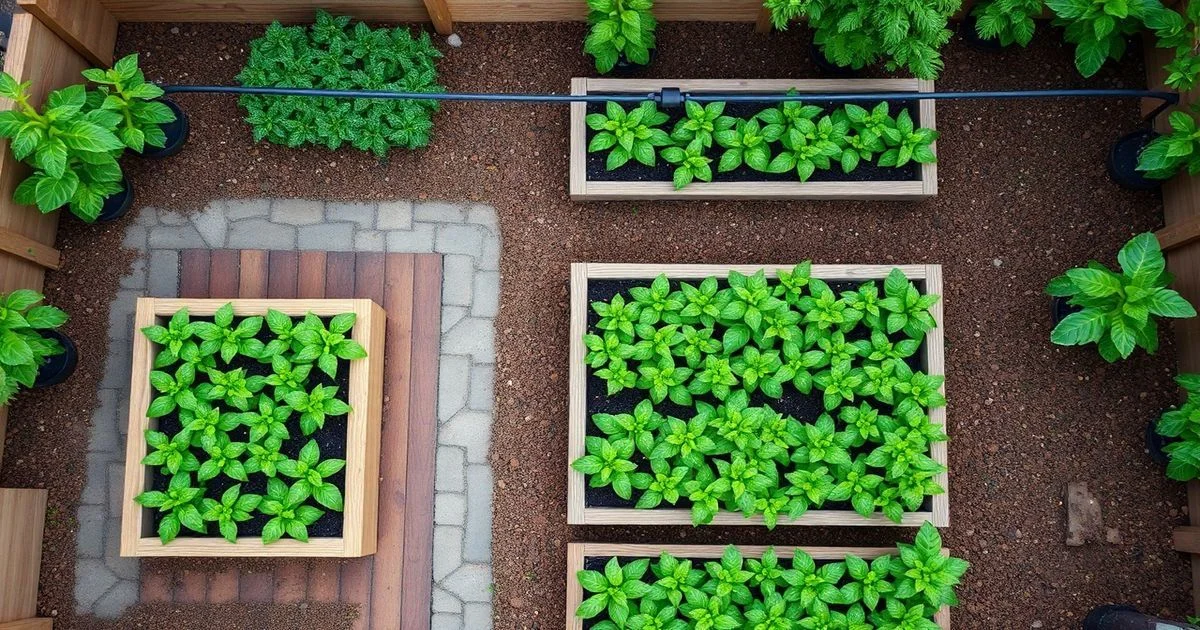
Raised Beds: These are essentially localized, elevated containers. They offer better drainage, faster soil warming in the spring, and a "cleaner" UI for the gardener. Because the soil is never stepped on, it remains uncompressed, allowing for better aeration and deeper root penetration.
In-Ground: This is the "bare metal" approach. It is cheaper but requires more upfront effort in "refactoring" the existing soil. It is best suited for large-scale production where the cost of building frames would be prohibitive. However, in-ground gardens are more susceptible to weed intrusion and local soil pathogens.
Substrate Selection
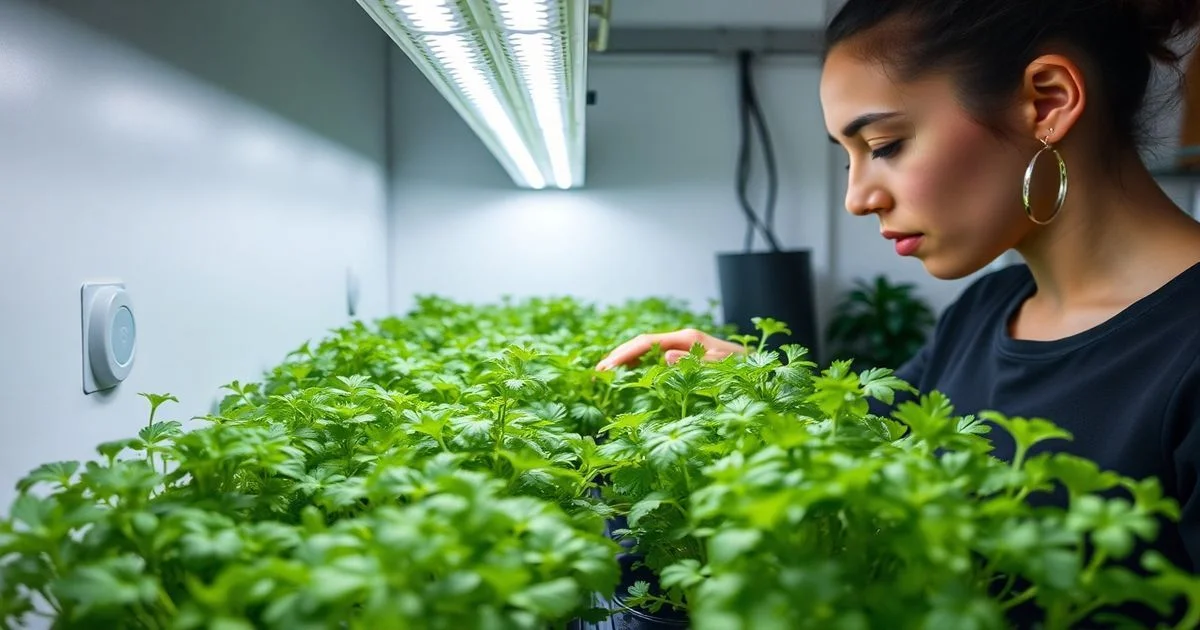
Don't use "topsoil" from a hardware store. Instead, use a specialized mix that optimizes drainage and nutrition. If you find your space is limited, you might consider how to create a sustainable indoor herb garden as a smaller-scale pilot project.
For a full backyard bed, use a "70/30" mix:
- 70% high-quality compost (organic matter).
- 30% aeration components (perlite, vermiculite, or coarse sand).
Target Soil Composition Data:
- Organic Matter: >5%
- pH Level: 6.0 - 7.0 (Slightly Acidic)
- Bulk Density: <1.3 g/cm3
- Water Holding Capacity: 20-30%
Step-by-Step: How to Build a Backyard Vegetable Garden for Beginners
This section outlines the deployment process for your first garden.
Phase 1: Site Survey and Latency Analysis
Before digging, observe your yard for a full day. You are looking for:
-
Solar Access: Use an app like "SunCalc" to track the sun’s path over your yard during different seasons.
-
Drainage: After a rain, does water pool? If so, your "latency" is too high; you’ll need raised beds to elevate the root zone.
-
Proximity to Source: Ensure you are within "cabled" distance of a water spigot. If you have to carry buckets, your "manual overhead" will eventually lead to project abandonment.
Phase 2: System Architecture (Designing the Layout)
Standard garden beds are usually 4 feet wide. Why? Because the human arm has a reach of about 2 feet. A 4-foot bed allows you to access the center from either side without ever stepping on the soil, which prevents compaction.
North-South Orientation: Align your rows North to South. This ensures that as the sun moves across the sky, every plant receives an equal "packet" of light, preventing taller plants from "shadow-blocking" smaller ones.
Phase 3: Hardware Installation
If building raised beds, use cedar or heat-treated (HT) lumber. Avoid older pressure-treated wood, as it may contain arsenic or chromium which can leach into your food supply.
-
Clear the area of grass and debris.
-
Lay down a layer of cardboard (this acts as a biodegradable weed barrier and suppresses the "legacy" grass system).
-
Assemble your frames and level them using a standard bubble level.
-
Fill with your 70/30 substrate mix and rake it smooth.
Phase 4: Software Selection (Choosing Your Crops)
For beginners, select "high-stability" crops that have a high tolerance for error.
Top 5 Beginner Crops:
-
Lettuce/Greens: Short lifecycle, high "iteration" rate.
-
Radishes: The "Hello World" of gardening; they go from seed to harvest in 25 days.
-
Zucchini: High yield, very resilient to varied soil conditions.
-
Cherry Tomatoes: High disease resistance compared to large heirloom varieties.
-
Bush Beans: They fix nitrogen into the soil, essentially "upgrading" your database as they grow.
The Root-Level Protocol: Integrated Pest Management (IPM)
One of the biggest challenges in building a backyard garden is managing external threats. In technical terms, pests are unauthorized users attempting to access your data (produce). Integrated Pest Management is a multi-layered security protocol designed to minimize damage while avoiding toxic chemicals.
Prevention (Firewalling)
Physical barriers are the first line of defense. Bird netting, row covers, and copper tape (for slugs) act as hardware firewalls. By preventing the pest from ever making "contact" with the plant, you eliminate the need for more aggressive interventions.
Biological Controls (Antivirus)
In nature, every pest has a predator. By planting flowers like marigolds, dill, and alyssum, you invite "beneficial insects" (ladybugs, lacewings, and parasitic wasps) into your garden. These act as your system's background antivirus software, constantly patrolling the leaves for aphids and caterpillars.
Targeted Intervention (Patching)
If a pest outbreak occurs, use the most targeted "patch" possible. Neem oil or insecticidal soap are organic options that disrupt the biological processes of specific pests without crashing the entire ecosystem.
Succession Planting and Crop Rotation: The Lifecycle Management
To maximize the efficiency of your backyard vegetable garden, you must implement lifecycle management strategies like succession planting and crop rotation.
Succession Planting
Instead of planting your entire lettuce crop at once, plant a small "batch" every two weeks. This creates a staggered harvest, ensuring you have a consistent "data stream" of fresh produce rather than a massive "buffer overflow" of more vegetables than you can consume at once.
Crop Rotation
Never plant the same family of vegetables in the same spot two years in a row. For example, if you grow tomatoes (Solanaceae family) in Bed A this year, move them to Bed B next year. This prevents the buildup of family-specific pathogens in the soil and ensures that the "database" (soil nutrients) isn't depleted of the same minerals year after year.
Real-World Applications: Why Gardening Is a Critical Skill
Beyond the hobbyist level, the ability to build and maintain a backyard garden has significant real-world implications.
1. Food Security and Decentralization
Modern supply chains are "Just-in-Time" (JIT) systems. A disruption in fuel prices or logistics can lead to empty shelves. A backyard garden is a "local-first" backup system. Even a small 4x8 bed can produce up to 50 lbs of produce in a season, providing a significant buffer against external volatility.
2. Nutritional Optimization
Vegetables begin losing nutrient density the moment they are harvested. Commercial produce is often bred for "transportability" rather than flavor or vitamins. By growing your own, you are consuming "v0" produce with the highest possible levels of phytonutrients and antioxidants. This level of care is similar to how enthusiasts properly care for indoor houseplants to ensure longevity and health.
3. Biological Literacy
Managing a garden teaches you to read the "logs" of nature. You begin to understand the signals of nutrient deficiency (yellowing leaves = Nitrogen low) and the impact of micro-climates. This biological literacy is becoming increasingly valuable as we move toward a future of sustainable tech and bio-engineering.
Pros and Cons of Backyard Gardening
As with any project, there are trade-offs to consider before deployment.
Pros:
-
Mental Health: Studies show that "Mycobacterium vaccae" (a bacteria found in soil) can mirror the effect of antidepressants by increasing serotonin levels.
-
Cost Savings: While the "CapEx" (Initial investment) is high, the "OpEx" (Operating cost) is very low once the system is established.
-
Sustainability: Reduces your carbon footprint by eliminating the thousands of miles your food would otherwise travel.
Cons:
-
Time Commitment: Requires daily "monitoring" and weekly maintenance. This can be difficult if you are trying to start a minimalist lifestyle routine and want to reduce your daily chores.
-
Learning Curve: Your first "version" will likely have bugs (literally and figuratively).
-
Pest Vulnerability: Without a "firewall" (fencing or netting), your entire crop can be wiped out by local fauna overnight.
Future Outlook: The Smart Garden
The intersection of gardening and technology is expanding rapidly. We are moving away from manual methods toward automated, data-driven systems.
[IoT]({filename}/glossary/iot.md) Integration
Modern gardeners are using ESP32 or Arduino-based sensors to monitor soil moisture, humidity, and temperature. These sensors can trigger automated drip irrigation systems, ensuring that plants receive exactly the amount of water they need based on real-time evapotranspiration data.
AI-Driven Pest Identification
New mobile applications use computer vision to identify pests and diseases. By simply taking a photo of a leaf, an AI can diagnose a fungal infection or a nutrient lockout and suggest a specific "patch" or remedy. This reduces the "mean time to recovery" (MTTR) for sick plants.
Frequently Asked Questions
Q: How much sun does a backyard vegetable garden require?
A: Most vegetables require at least 6 to 8 hours of direct sunlight daily. This provides the necessary PAR (Photosynthetically Active Radiation) for the plants to produce the sugars needed for growth and fruit production.
Q: What is the best soil mixture for beginner vegetable beds?
A: A 70/30 mix of high-quality organic compost and aeration material (like perlite or vermiculite) is ideal. This ensures the soil has high nutrient density (CEC) while maintaining excellent drainage to prevent root rot.
Q: Should beginners start with seeds or transplants?
A: Transplants (young plants from a nursery) are recommended for beginners as they are already past the vulnerable germination stage. Seeds are more cost-effective but require precise environmental control to sprout successfully.
Conclusion: Starting Your First Deployment
In summary, understanding How to Build a Backyard Vegetable Garden for Beginners is an iterative process. Do not expect to achieve 100% efficiency in your first season. Treat your garden as a "beta" release. Observe the data, note which "modules" (plants) performed best in your specific environment, and refactor your layout for the next year.
The most important step is simply to start. Dig the hole, plant the seed, and begin the process of reconnecting with the biological systems that sustain us. Gardening is the original "open-source" technology, and there is no better time than now to contribute your own backyard to the global network of food producers. By following these technical principles, you will ensure your "hardware" is sound and your "software" is optimized for a bountiful harvest.