Hormuz Crisis Deepens, Oil Prices Surge Amid Deployments: A Global Concern
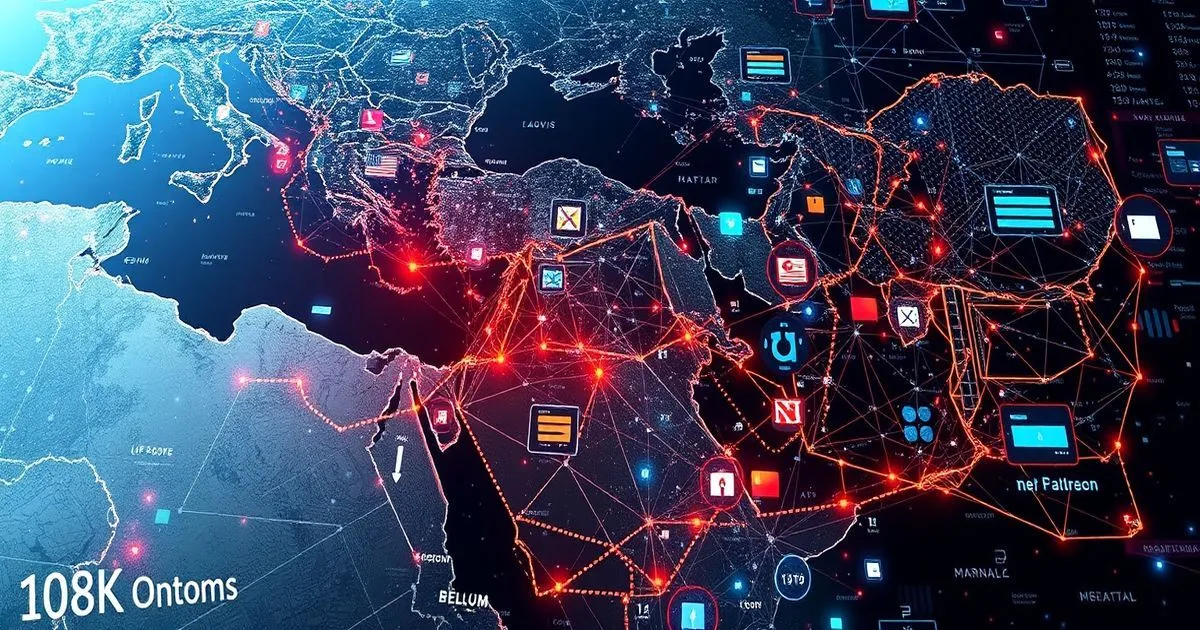
The geopolitical landscape surrounding the Strait of Hormuz has entered a critical phase, with a pronounced escalation of tensions that directly impacts global energy markets. As the Hormuz Crisis Deepens, Oil Prices Surge Amid Deployments, the international community watches closely, keenly aware of the strategic importance of this narrow waterway. The recent increase in naval and military presence by various regional and international actors has transformed the Strait into a flashpoint, raising serious concerns about the free flow of oil and gas and the potential for wider conflict. This deepening situation presents a significant global concern, threatening economic stability and demanding immediate diplomatic attention.
- Background to the Strait of Hormuz Crisis
- Escalating Tensions: Hormuz Crisis Deepens, Oil Prices Surge Amid Deployments
- Economic Fallout: Surging Oil Prices and Global Markets
- International Reactions and Diplomatic Efforts
- Potential Scenarios and Future Outlook
- Conclusion: Navigating the Deepening Hormuz Crisis
- Frequently Asked Questions
- Further Reading & Resources
Background to the Strait of Hormuz Crisis
The Strait of Hormuz, a narrow passage connecting the Persian Gulf with the Arabian Sea and the open ocean, is arguably the most critical chokepoint for global oil transit. Its strategic importance cannot be overstated, as approximately one-fifth of the world's total petroleum liquids consumption, and roughly one-third of all seaborne traded oil, passes through it daily. This makes any disruption to its free navigation a matter of grave international concern.
Geopolitical Significance
The countries bordering the Persian Gulf, including Saudi Arabia, Iran, Iraq, Kuwait, Qatar, and the UAE, are major oil and gas producers. Their energy exports predominantly rely on safe passage through the Strait of Hormuz. For nations heavily dependent on these energy supplies, such as those in Asia and Europe, the security of this waterway is paramount to their economic well-being and national security. The Strait's geography, with Iran on its northern bank and Oman and the UAE to the south, inherently places it at the center of regional power dynamics and international maritime security efforts.
Historical Tensions
Tensions in the Strait of Hormuz are not new. The region has a long history of geopolitical friction, often involving Iran and its neighbors, as well as Western naval forces ensuring freedom of navigation. Incidents involving oil tankers, naval exercises, and accusations of maritime harassment have periodically flared up over decades. These historical precedents underscore the delicate balance of power and the constant potential for miscalculation in this volatile region. Previous crises have seen similar patterns of naval deployments and subsequent spikes in oil prices, though the current environment appears to be marked by a heightened level of readiness and rhetoric from all sides. For more insights into the region's volatility, read about Middle East on Edge: Tensions Surge, Markets React to Volatility.
Escalating Tensions: Hormuz Crisis Deepens, Oil Prices Surge Amid Deployments
The recent surge in military activities and a noticeable increase in rhetoric from regional and international powers indicate a significant intensification of the Hormuz Crisis. Reports suggest a more robust and persistent military presence within and around the Strait, moving beyond routine patrols to what appears to be a heightened state of alert. This build-up of forces is a direct response to, and simultaneously a driver of, the deepening crisis, contributing to market anxieties.
Recent Military Maneuvers
In recent weeks, several nations have reportedly conducted or announced significant military maneuvers in the broader region. These exercises, though often framed as defensive or deterrent, inevitably raise the stakes in an already tense environment. Intelligence reports indicate increased surveillance activities, both aerial and maritime, by multiple navies operating in the area. There have also been unconfirmed reports of new missile battery installations along strategic coastlines, further suggesting a preparation for potential conflict. Such actions, regardless of their stated intent, are perceived by opposing parties as escalatory and contribute to a cycle of mistrust and heightened vigilance.
Naval Deployments and Responses
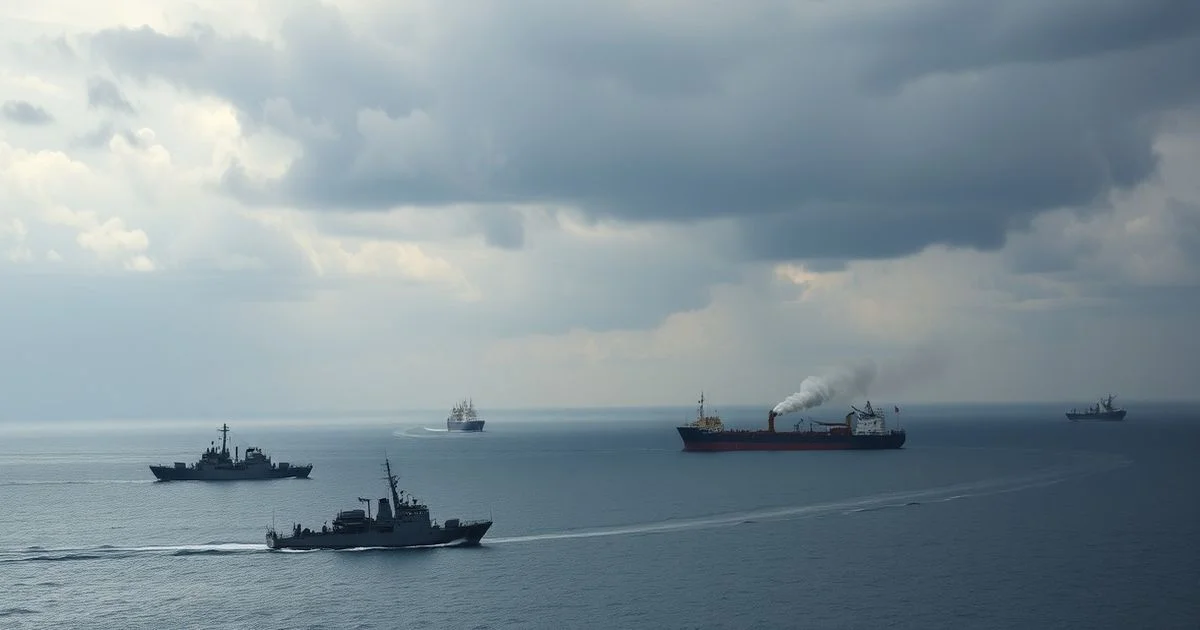
The most visible aspect of the deepening crisis is the increased deployment of naval assets. Warships, including aircraft carriers, destroyers, and frigates from various global powers, have reportedly been redirected or dispatched to the Arabian Sea and the Persian Gulf. This includes enhanced escort missions for commercial shipping, particularly for oil tankers, to reassure global markets of supply security. In response, regional naval forces have also reportedly bolstered their presence, conducting their own drills and enhancing their coastal defenses. The sheer density of military hardware in such a confined space significantly elevates the risk of accidental encounters or misinterpretations that could quickly escalate into direct confrontation. The increased naval activity underscores the severity with which international actors view the integrity of this vital waterway.
Economic Fallout: Surging Oil Prices and Global Markets
The immediate and most palpable consequence of the escalating tensions in the Strait of Hormuz is the significant upward pressure on global oil prices. Financial markets are inherently sensitive to geopolitical instability, especially when it threatens crucial energy supply routes.
Impact on Crude Oil Benchmarks
Following the reports of increased military presence and heightened rhetoric, benchmark crude oil prices, such as Brent and West Texas Intermediate (WTI), have registered sharp increases. Analysts attribute this surge directly to the "risk premium" associated with potential supply disruptions from the Persian Gulf. Even a minor incident, or the mere threat of one, can trigger a rapid price hike as traders factor in the possibility of reduced supply or increased transportation costs. Futures contracts have also shown significant volatility, reflecting widespread uncertainty about the stability of future oil flows. This volatile market environment poses challenges for both producers and consumers, making long-term planning difficult and increasing financial risks.
Consumer and Business Implications
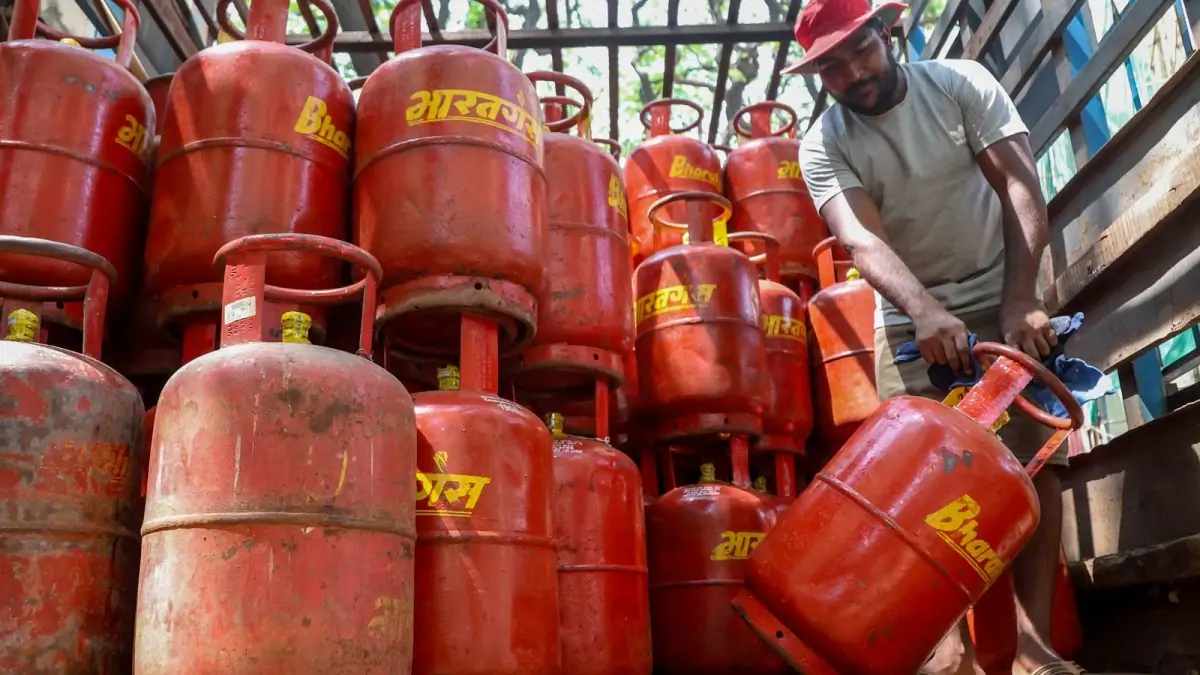
The ripple effects of surging oil prices extend far beyond the trading floors. For consumers, higher crude oil costs translate directly into increased prices at the pump for gasoline and diesel, impacting daily commutes and household budgets. This is reminiscent of recent concerns, such as LPG Gas Prices Skyrocketing in India Amid Iran War Chaos. Businesses, particularly those heavily reliant on transportation and logistics, face higher operating costs, which can lead to increased prices for goods and services across various sectors. Industries such as aviation, shipping, and manufacturing are particularly vulnerable to these price shocks, potentially leading to reduced profitability and slower economic growth. Furthermore, the uncertainty surrounding oil supply can deter investment and disrupt global supply chains, adding another layer of complexity to an already fragile global economy. The long-term impact could include inflationary pressures and a general slowdown in economic activity if the crisis persists.
International Reactions and Diplomatic Efforts
The deepening crisis in the Strait of Hormuz has not gone unnoticed by the international community. World leaders, international organizations, and diplomatic bodies have expressed serious concern and initiated various efforts to de-escalate the situation and prevent a wider conflict.
Statements from World Leaders
Leaders from major global economies have issued statements calling for restraint and emphasizing the importance of freedom of navigation in international waters. Many have highlighted the need to prioritize diplomatic solutions over military confrontation, recognizing the severe economic and humanitarian consequences of an open conflict in the region. However, these statements often reflect differing national interests and strategic alliances, leading to a complex web of diplomatic overtures and cautious condemnations. Some nations have reiterated their commitment to protecting their own commercial interests and ensuring the safety of their flagged vessels, while others have called for multilateral approaches to maritime security.
Calls for De-escalation
Alongside public statements, discreet diplomatic channels are reportedly active, with various parties attempting to mediate and encourage dialogue between the primary actors. International bodies, including the United Nations, have urged all parties to exercise maximum restraint and engage in constructive negotiations to resolve underlying disputes. The focus of these de-escalation efforts is often on establishing clear communication protocols to prevent accidental clashes and to build confidence-building measures. However, the deeply entrenched mistrust and conflicting national interests make diplomatic breakthroughs challenging, requiring sustained effort and a willingness from all sides to compromise for regional and global stability. The complexity of the situation demands a nuanced and coordinated international response to prevent further deterioration.
Potential Scenarios and Future Outlook
The current trajectory of the Hormuz crisis presents a range of potential outcomes, from further escalation to a fragile de-escalation, each with profound implications for regional and global stability.
Risk of Further Escalation
The primary concern remains the risk of further escalation. The high concentration of military assets, coupled with a tense political environment, significantly increases the likelihood of an accidental incident spiraling into a larger conflict. Such an escalation could involve direct military confrontations, targeted attacks on infrastructure, or even a full-scale blockade of the Strait. Any of these scenarios would have catastrophic consequences, not only for oil markets but for global trade, regional security, and human lives. The potential for cyber warfare and other asymmetric tactics also adds another layer of unpredictability to an already complex situation. Understanding these dynamics is key to Unpacking Global Geopolitical Shifts. Experts warn that a miscalculation by any party could ignite a broader conflict that would be difficult to contain.
Pathways to Resolution
Despite the grim outlook, diplomatic pathways to resolution still exist, albeit narrow ones. Sustained, multi-lateral dialogue remains the most viable option to defuse tensions and prevent military action. This could involve direct talks between the key regional players, facilitated by international mediators, to address core grievances and establish mechanisms for de-confliction. Economic incentives and disincentives could also play a role in encouraging restraint. Furthermore, developing a comprehensive regional security framework that includes all stakeholders could provide a long-term solution to the underlying causes of instability. Such a framework would need to ensure the sovereignty of nations while guaranteeing the freedom of navigation through international waters. The international community's unified commitment to upholding international law and promoting peaceful resolution is paramount to navigating this deepening crisis.
Conclusion: Navigating the Deepening Hormuz Crisis
The unfolding situation in the Strait of Hormuz represents a severe test of international diplomacy and global economic resilience. As the Hormuz Crisis Deepens, Oil Prices Surge Amid Deployments, the imperative for peaceful resolution becomes ever more critical. The economic repercussions, felt globally through escalating energy costs and market uncertainty, underscore the interconnectedness of international security and economic stability. While the immediate focus remains on de-escalation and preventing conflict, the long-term solution lies in fostering a regional environment built on dialogue, mutual respect, and adherence to international law. The world watches, hopeful that wisdom and diplomacy will prevail over confrontation in this vital strategic chokepoint.
Frequently Asked Questions
Q: Why is the Strait of Hormuz so strategically important?
A: The Strait of Hormuz is vital because approximately one-fifth of the world's total petroleum liquids consumption, and one-third of all seaborne traded oil, passes through it daily. It is the only sea passage from the Persian Gulf to the open ocean, making it a critical chokepoint for global energy supplies.
Q: How does the Hormuz crisis impact global oil prices?
A: Tensions and military deployments in the Strait of Hormuz introduce a "risk premium" into oil prices due to potential supply disruptions. This uncertainty causes benchmark crude oil prices like Brent and WTI to surge, impacting consumers and businesses globally through higher fuel and operational costs.
Q: What are the potential consequences of escalation in the Strait of Hormuz?
A: Further escalation could lead to direct military confrontations, targeted infrastructure attacks, or a full-scale blockade, severely disrupting global oil supplies and trade. Such a conflict would have catastrophic economic, regional, and humanitarian consequences, extending far beyond the immediate area.