Gaza Flotilla Sails Today: Aid Mission Challenges Blockade
The international community watches closely as a determined fleet, known as the Global Sumud Flotilla, sets sail today, April 12, 2026, embarking on a critical humanitarian journey towards the Gaza Strip. This ambitious Gaza Flotilla Sails Today: Aid Mission Challenges Blockade, aiming to deliver desperately needed supplies and spotlight the severe conditions faced by Palestinians under the prolonged Israeli blockade. With its departure, the aid mission intensifies the global call for unimpeded access to humanitarian assistance and challenges the legality of the naval blockade that has significantly impacted the lives of millions in the enclave. The participants represent a broad coalition of activists and human rights defenders from across the globe, united by a shared commitment to humanitarian principles.
- A New Hope on the Horizon: Gaza Flotilla Sails Today: Aid Mission Challenges Blockade
- The Enduring Blockade and Gaza's Humanitarian Crisis
- International Law and the Legality of the Blockade
- The Global Sumud Flotilla: A Coalition of Conscience
- Historical Context: Previous Flotillas and Their Legacy
- Risks and International Appeals
- Beyond the Sea: The Broader Struggle for Justice
- Conclusion
- Frequently Asked Questions
- Further Reading & Resources
A New Hope on the Horizon: Gaza Flotilla Sails Today: Aid Mission Challenges Blockade
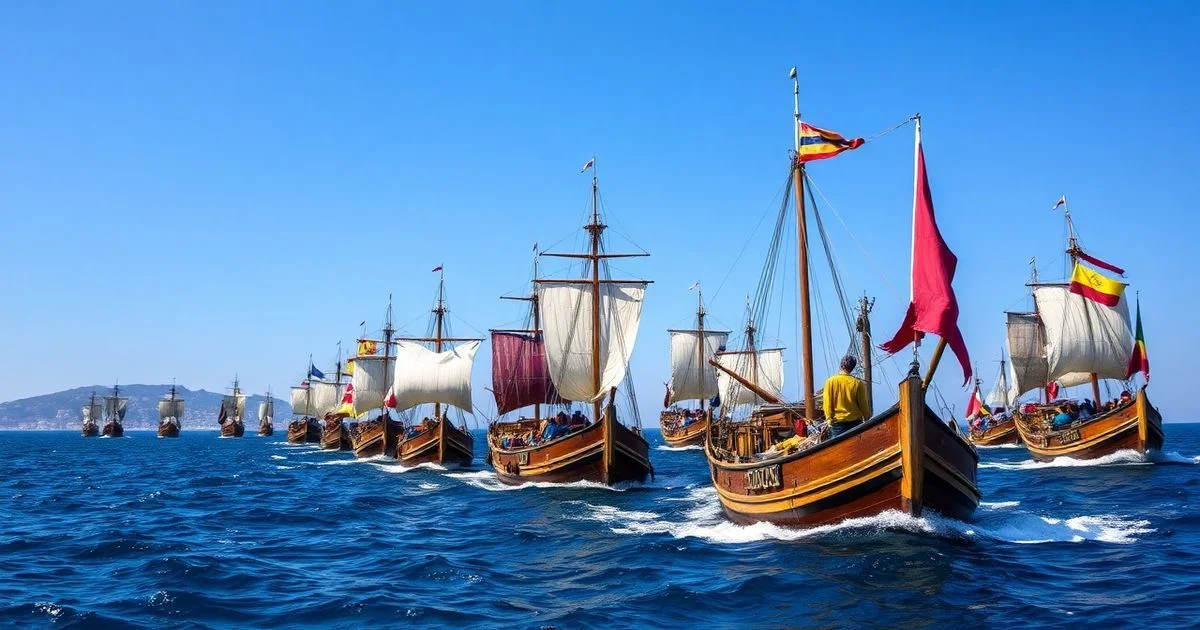
Today marks a significant moment in the ongoing humanitarian effort for the Gaza Strip, as the Global Sumud Flotilla commences its journey. This particular aid mission challenges the blockade with unprecedented scale, featuring approximately 70 boats and nearly 1,000 volunteers hailing from 70 different countries. The organizers, part of the broader Freedom Flotilla Coalition (FFC), have been meticulously planning this expanded 2026 sailing season, aiming for a dramatically larger and more coordinated international maritime mission compared to previous years. Among the notable participants is the environmental organization Greenpeace, which has dedicated its ship, the Arctic Sunrise, to provide crucial technical and operational maritime support, ensuring the safe transit of the vessels across the Mediterranean and for the final 200 nautical miles to Gaza's shores.
The convoy carries a diverse range of humanitarian cargo, with a particular focus on medical supplies for Gaza's decimated healthcare system, which is currently struggling with critical shortages of essential medications. Organizers emphasize that this mission is not merely a symbolic gesture but a tangible effort to deliver aid and to confront what they describe as international complicity in the humanitarian crisis within Gaza. The departure of the flotilla is a direct response to appeals from Palestinians in Gaza and reflects a growing civil society determination to act where governmental action is perceived to have fallen short.
The Enduring Blockade and Gaza's Humanitarian Crisis
The Gaza Strip, home to approximately 2.4 million Palestinians, has been under an Israeli and Egyptian blockade since 2007, following Hamas's takeover. This comprehensive blockade restricts the movement of goods and people by land, air, and sea, effectively isolating Gaza from the rest of the occupied Palestinian territory and the world. Israel's stated aims for the blockade include preventing the smuggling of weapons and exerting economic pressure on Hamas. However, the human cost has been immense. Humanitarian organizations, including the International Committee of the Red Cross, have consistently condemned the blockade as a form of collective punishment, a clear violation of Israel's obligations under international humanitarian law. This situation is part of the broader geopolitical landscape of the Middle East, often marked by significant regional tensions and diplomatic standoffs, as seen in historical events like Iran Rejects Truce as Trump's Deadline Looms: A Diplomatic Standoff.
Despite a ceasefire announced in October 2025, the humanitarian situation in Gaza has continued to deteriorate. Reports from early April 2026 indicate persistent severe deprivation, hunger, injury, and death due to ongoing attacks, movement restrictions, and aid obstructions. Critical medicine supplies are running dangerously low, and shortages of cooking gas force nearly half the population to resort to unsafe waste burning for cooking. The UN Office for the Coordination of Humanitarian Affairs (OCHA) has reported that even six months into the ceasefire, the humanitarian response remains severely constrained, with aid workers facing significant limitations. Between October 2025 and late March 2026, hundreds of Palestinians were killed, with the reported casualty toll since the ceasefire announcement reaching 713 fatalities and 1,940 injuries by early April 2026. This grim reality underscores the urgent need for unrestricted humanitarian access and the profound challenges faced by the people of Gaza.
International Law and the Legality of the Blockade
The legality of Israel's blockade of the Gaza Strip under international law has been a subject of significant debate and condemnation by numerous international bodies and human rights organizations. Many experts and organizations argue that the blockade is illegal, primarily because it constitutes collective punishment of a civilian population, which is explicitly prohibited by the Fourth Geneva Convention. The International Court of Justice (ICJ) has also ordered Israel to take provisional measures to end what it determined is "plausibly" a genocide in Gaza, citing the deliberate infliction of conditions calculated to bring about the physical destruction of Palestinians in the territory.
Human rights groups and UN special rapporteurs have consistently stated that the blockade violates international humanitarian law and human rights law, unlawfully restricting freedom of movement and access to humanitarian aid. They point out that even if blockades can be legal under certain circumstances, the way Israel's blockade has been implemented has had a disproportionately deleterious impact on Gaza's civilian population. The restrictions on essential goods, coupled with the economic hardship and limited freedom of movement, have led to the territory being described as an "open-air prison." Understanding such complex regional issues often requires a deeper dive into the history of major global trade routes and their role in geopolitical power dynamics. The current mission of the Global Sumud Flotilla, therefore, aims to directly challenge this contested legal framework through nonviolent direct action, asserting the right to provide humanitarian assistance to a population in dire need.
The Global Sumud Flotilla: A Coalition of Conscience
The Global Sumud Flotilla represents a powerful coalition of civil society organizations and activists from around the world, united in their commitment to breaking the siege on Gaza. Formed in 2025 by NGO representatives, activists, and volunteers, the flotilla is launching its second major mission this April. The scale of participation has nearly doubled since its previous sailing in September 2025, which involved 42 boats and 462 people. This year's fleet, comprising roughly 70 boats and close to 1,000 volunteers, draws its largest participation from Spain, with additional vessels departing from ports like Marseille, France, and making stops in Italy and Greece en route to Gaza.
The diverse group of participants includes activists, legal experts, parliamentarians, medical professionals, engineers, artists, and journalists. Their collective aim is to uphold international law, support the Palestinian people's rights to freedom of movement, self-determination, and dignity, and ultimately establish a humanitarian corridor by sea and land. A significant development for this mission is the involvement of Greenpeace, whose ship, the Arctic Sunrise, is providing crucial technical and operational maritime support. This collaboration underscores a broader movement where civil society is stepping up when governments are perceived to be failing in their obligations. The flotilla's spokesperson, Pablo Castilla, emphasized that a main goal is "to condemn international complicity in what is happening in Gaza, demand accountability, and open a humanitarian corridor by sea and land".
Historical Context: Previous Flotillas and Their Legacy
The current Global Sumud Flotilla builds upon a history of similar attempts by various activist groups to challenge the Gaza blockade. Since 2008, numerous flotillas and vessels have attempted to reach Gaza, with some early missions in 2008 successfully breaching the naval blockade. However, since 2010, almost all subsequent attempts have faced interception, raids, or attacks by Israeli forces.
One of the most widely reported and controversial incidents occurred on May 31, 2010, when Israeli commandos raided the Mavi Marmara, part of the Gaza Freedom Flotilla, in international waters. The assault resulted in the deaths of 10 activists and dozens of injuries, leading to widespread international condemnation and a severe strain on Israel-Turkey relations. The flotilla was carrying humanitarian aid and over 600 passengers. This incident highlighted the inherent risks involved in such missions and sparked a global outcry over the use of force in international waters and the legality of the blockade.
Other notable past missions include the Freedom Flotilla II in 2011, Freedom Flotilla III in 2015, the Women's Boat to Gaza in 2016, and the Just Future for Palestine Flotilla in 2018, all of which were intercepted by the Israeli navy. In May 2025, a vessel organized by the Freedom Flotilla Coalition was attacked by drones in international waters, and in October 2025, Israeli forces intercepted 41 aid ships, detaining crew members and activists. These historical events underscore the persistent challenges faced by humanitarian missions and the consistent efforts by activists to draw attention to Gaza's plight. The accumulated experiences of these past efforts inform the planning and resolve of the current Global Sumud Flotilla, which seeks to amplify its message through increased participation and broader international coordination.
Risks and International Appeals
The sailing of the Global Sumud Flotilla carries inherent risks, given the history of previous interceptions and confrontations. The Israeli authorities maintain that the blockade is essential for their security, aimed at preventing the entry of weapons and other materials that could be used by Hamas. They have historically enforced the blockade by intercepting vessels attempting to reach Gaza by sea. Previous interactions have, at times, escalated, leading to injuries and fatalities, as seen during the 2010 Mavi Marmara incident. Such enforcement actions contribute to an already volatile regional environment, which has seen periods of heightened tension and warnings, as exemplified by Trump's Iran Ultimatum: Strait of Hormuz Crisis Escalates in other strategic waterways.
Organizers of the current flotilla are aware of these risks and have called upon international governments to ensure safe passage for the unarmed activists and human rights defenders on board. Amnesty International, in a statement released on April 10, 2026, explicitly urged states to ensure safe passage for the Global Sumud Flotilla, emphasizing that "Israeli authorities must ensure safe passage for these unarmed activists and human rights defenders" and that there "must be no repeat of Israel's unlawful interceptions and arbitrary detentions that occurred in 2025". The flotilla is a civilian mission, and its participants assert their right under international law to deliver humanitarian aid without obstruction. The situation calls for vigilance from the global community to prevent further escalation and to uphold humanitarian principles. The international appeals aim to create a protective umbrella for the flotilla, highlighting the need for diplomatic engagement to de-escalate any potential confrontation.
Beyond the Sea: The Broader Struggle for Justice
While the immediate objective of the Global Sumud Flotilla is to deliver humanitarian aid and challenge the naval blockade, its mission resonates far beyond the immediate cargo and destination. It is a powerful symbol of international solidarity and a testament to the persistent struggle for justice and human rights for Palestinians in Gaza. The flotilla's organizers and participants view their actions as part of a broader decolonial struggle, aiming to expose and confront the complicity of governments, corporations, and institutions that enable the Israeli occupation and contribute to the ongoing humanitarian crisis.
The dire conditions in Gaza, marked by widespread deprivation, hunger, and a decimated healthcare system, are a constant reminder of the urgent need for systemic change. Reports from April 2026 continue to highlight the severe impact of restrictions on aid entry, fuel shortages, and rising prices, which collectively cut off access to food, water, and essential services for communities across Palestine. The flotilla seeks not only to alleviate some of this suffering but also to reignite international attention and pressure on world leaders to uphold international law, protect humanitarian action, and work towards a just and lasting resolution to the conflict. The collective outrage of civil society, as demonstrated by the diverse participation in the flotilla, aims to translate into unstoppable global momentum for freedom, dignity, and self-determination for the Palestinian people.
Conclusion
The departure of the Global Sumud Flotilla today represents a determined humanitarian effort to provide essential aid and confront the long-standing blockade of the Gaza Strip. This large-scale Gaza Flotilla Sails Today: Aid Mission Challenges Blockade, underscoring the severe humanitarian crisis and the international community's urgent calls for unrestricted access to those in need. The mission, supported by a diverse coalition of global activists and organizations like Greenpeace, highlights the contested legality of the blockade and the persistent challenges to delivering assistance. As the vessels make their way, the world watches, awaiting the outcome of this critical undertaking and hoping that it will pave the way for sustained humanitarian corridors and a renewed commitment to international law and human dignity in Gaza.
Frequently Asked Questions
Q: What is the primary goal of the Global Sumud Flotilla?
A: The flotilla aims to deliver humanitarian aid, specifically medical supplies, to the Gaza Strip. Beyond aid, it seeks to challenge the Israeli blockade, raise international awareness about the humanitarian crisis, and advocate for unrestricted access to Gaza.
Q: What are the main concerns regarding the legality of the Gaza blockade?
A: Many international bodies and human rights organizations argue the blockade constitutes collective punishment of a civilian population, violating the Fourth Geneva Convention. It restricts freedom of movement and access to essential goods, leading to severe humanitarian conditions.
Q: Have similar flotillas attempted to reach Gaza before, and what were the outcomes?
A: Yes, numerous flotillas have attempted to break the blockade since 2008. While some early missions succeeded, most since 2010 have been intercepted by Israeli forces, sometimes with violent confrontations, most notably the 2010 Mavi Marmara incident.